Top 8 NFT Games as of March 2026

ambcryptoPublicado em 2026-03-18Última atualização em 2026-03-18

Resumo

NFT games have evolved from speculative digital collectibles to utility-driven ecosystems, offering genuine ownership, interoperable assets, and player-driven economies. This list highlights eight leading NFT games as of March 2026: Decentraland is a user-owned virtual world where players monetize experiences through land NFTs and the MANA token. My DeFi Pet combines pet collection and battling with DeFi mechanics, using DPET for breeding and rewards. Pixel is a play-to-earn metaverse focused on farming, crafting, and social interaction, with upcoming $PIXEL token integration. Shrapnel is a competitive shooter where skill-based performance earns NFT gear. Gods Unchained is a strategic card game with NFT-based card ownership on Ethereum. Splinterlands offers fast-paced card battles with low-cost NFT trading on the Hive blockchain. The Sandbox enables creators to build and monetize experiences using SAND tokens and land NFTs. Nine Chronicles is a decentralized RPG where players earn NCG through crafting, combat, and exploration. These games represent diverse approaches to integrating NFTs, ownership, and player incentives, though success often depends on engagement, skill, or creative contribution. The space continues to experiment with new economic models beyond traditional gaming.

When NFTs, or non-fungible tokens, first entered the spotlight, they were just simple digital collectibles. Objects like digital art pieces, avatars, and other virtual assets took the world by storm, ultimately reshaping how people perceive ownership online. But their role has evolved significantly since the early hype cycles. As the underlying technology matured, so did its use cases, moving beyond speculation into more utility-driven ecosystems.

One of the most compelling shifts has been in the gaming industry. NFT-based games are no longer experiments or niche projects. Rather, the notion has evolved into fully developed, user-centric platforms that offer genuine ownership. interoperable assets, and new forms of digital economies as players are now allowed to own in-game assets that exist independently of centralized servers.

Furthermore, by integrating play-to-earn or own-to-play models, many of these games offer users the potential to generate real value through their time, skill, or creative contributions. From competitive strategy games to expansive metaverses, the NFT gaming space is fostering new forms of digital economies- ones where engagement can translate to tangible rewards.

The following list highlights 8 standout NFT games that are leading the charge, each with its own approach to gameplay, asset ownership, and player empowerment:

1. Decentraland
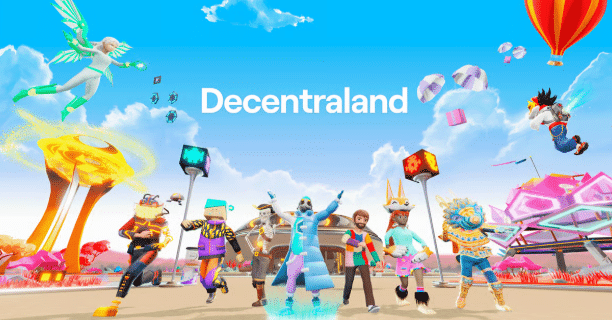
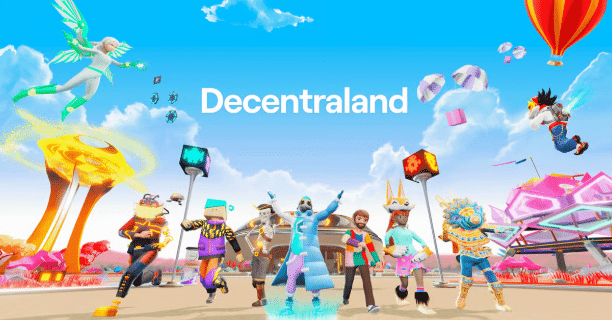
Decentraland offers a user-owned virtual world where players can explore, create, and monetise experiences within a fully decentralised metaverse. Built on the Ethereum blockchain, the game revolves around digital land ownership, with each parcel existing as an NFT. Players can build interactive spaces such as art galleries, games, and full-scale businesses, and generate income through activities like renting land, hosting events, or selling digital goods.

The native token, MANA, facilitates in-game purchases, trade, and governance. New users can casually roam the open world or participate in quests, while more experienced players may dive into custom scripting, scene building, or decentralized app creation.

Though not centered on traditional gameplay loops, Decentraland has carved out a space in the NFT ecosystem as a sandbox for digital creativity and ownership.

2. My DeFi Pet
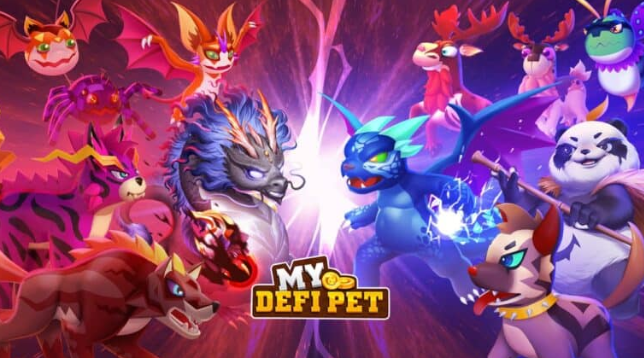
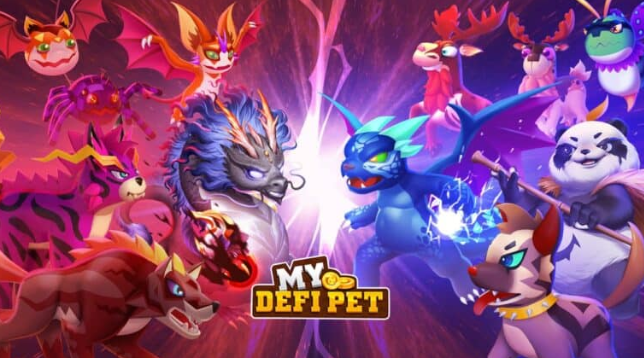
My DeFi Pet is a pet-themed blockchain game that combines elements of digital pet collection, breeding, and battling with DeFi mechanics. Players collect, breed, and evolve a variety of digital pets, each with unique traits and appearances. These pets can be trained, enhanced, and used in battles against other players in turn-based matchups.

The game’s economy is powered by DPET, the native token used for breeding, purchasing new pets, crafting items, and participating in events. Players can earn DPET through battles, selling rare pets in the marketplace, staking, or engaging in in-game DeFi activities such as liquidity pools and lending protocols.

While the core mechanics like collecting and training are beginner-friendly, earning any form of substantial rewards requires deeper involvement, namely breeding high-value pets or mastering battle strategies. As the game’s market activity has slowed, profitability depends more on long-term planning and in-game engagement.

3. Pixel
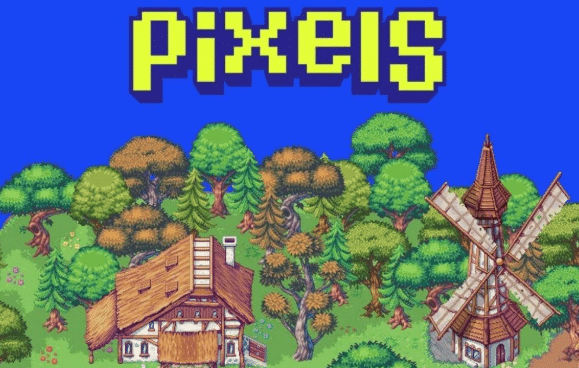
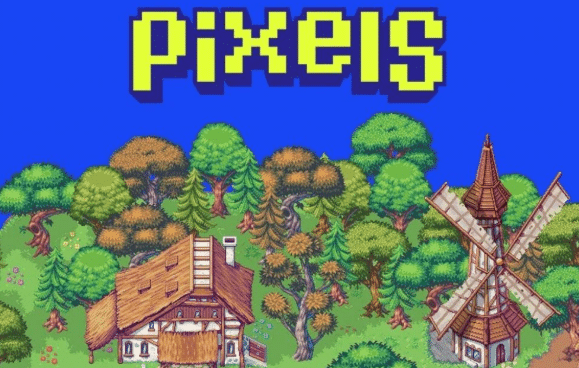
Pixel is a play-to-earn metaverse game where players collect, breed, and manage the game’s avatars known as Pixelmons. Within its expansive virtual world, users can farm, craft, build structures, and engage in battles, all while customising their land and assets for both utility and style. Social interaction also plays a strong role, with guilds, community events, and player-run economies forming the backbone of the experience.

The in-game economy revolves around crafting items, managing farms, and eventually trading goods and assets for the upcoming $PIXEL token. Players can monetize their progress by selling crafted goods, agricultural products, and rare discoveries in the game’s marketplace. Owning land offers strategic advantages, enabling passive income opportunities through farming, leasing, or production.

Although Pixel remains in early development, it shows long-term potential for committed players and creators. However, earning profits currently requires a deeper time and resource investment. Farming and crafting are accessible for beginners, but advanced exploration and social competitions demand greater planning, collaboration, and skill.

4. Shrapnel
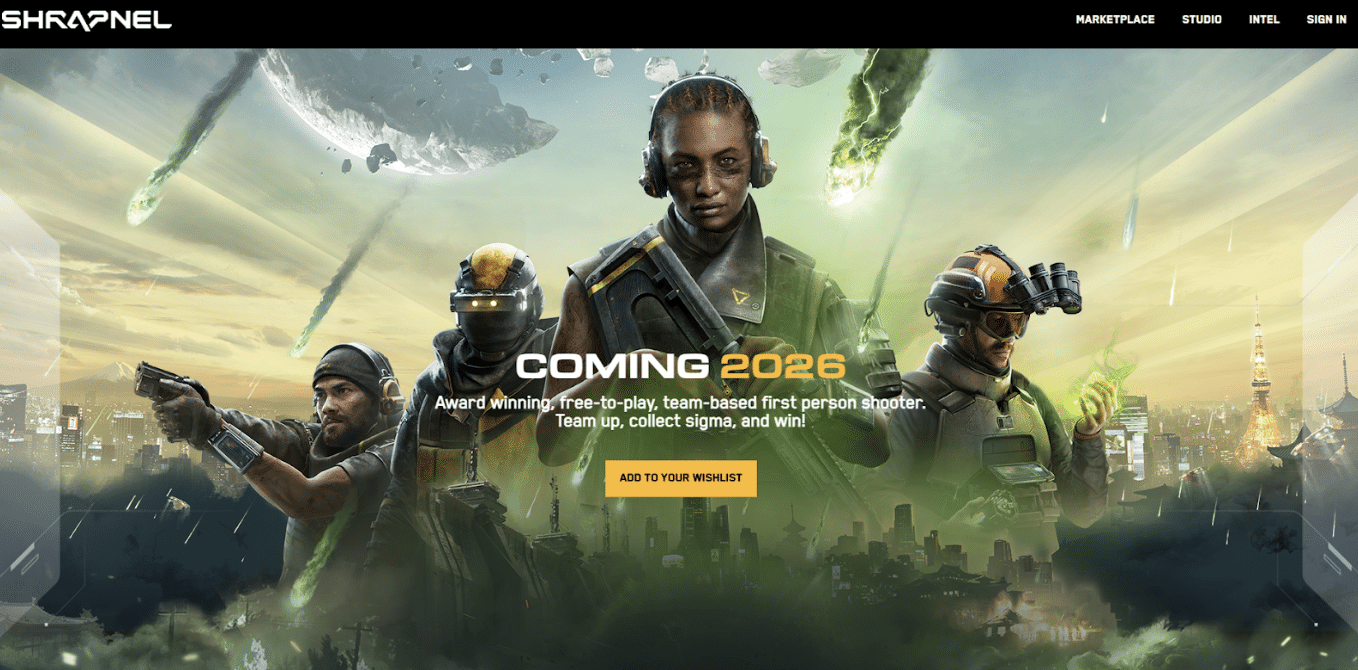
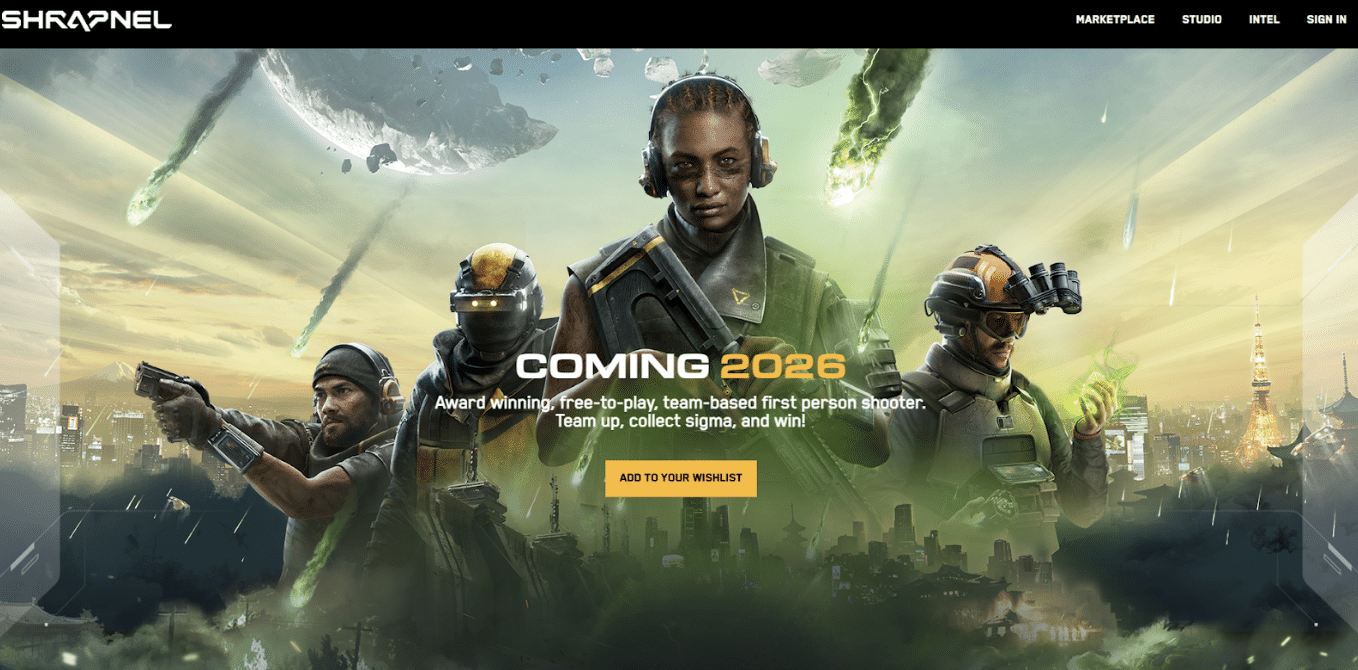
As the name suggests, Shrapnel is a competitive shooter game, where a player’s skill and performance directly affect the items they receive after every match. The focus is on fast, tactical combat, with weapons, gear, and cosmetic items being the main attraction of the entire experience. It feels closer to a traditional multiplayer shooter than a typical blockchain game, with skill and decision-making playing a bigger role than progression systems.

What makes Shrapnel an NFT game is how collectables are handled. Weapons and gear exist as NFTs, meaning players own what they earn and can choose to trade or sell items through external marketplaces. The game is designed so that earning is tied to playing rather than passive mechanics, making it clear that players should value improving their skill and performance above all else.

5. Gods Unchained
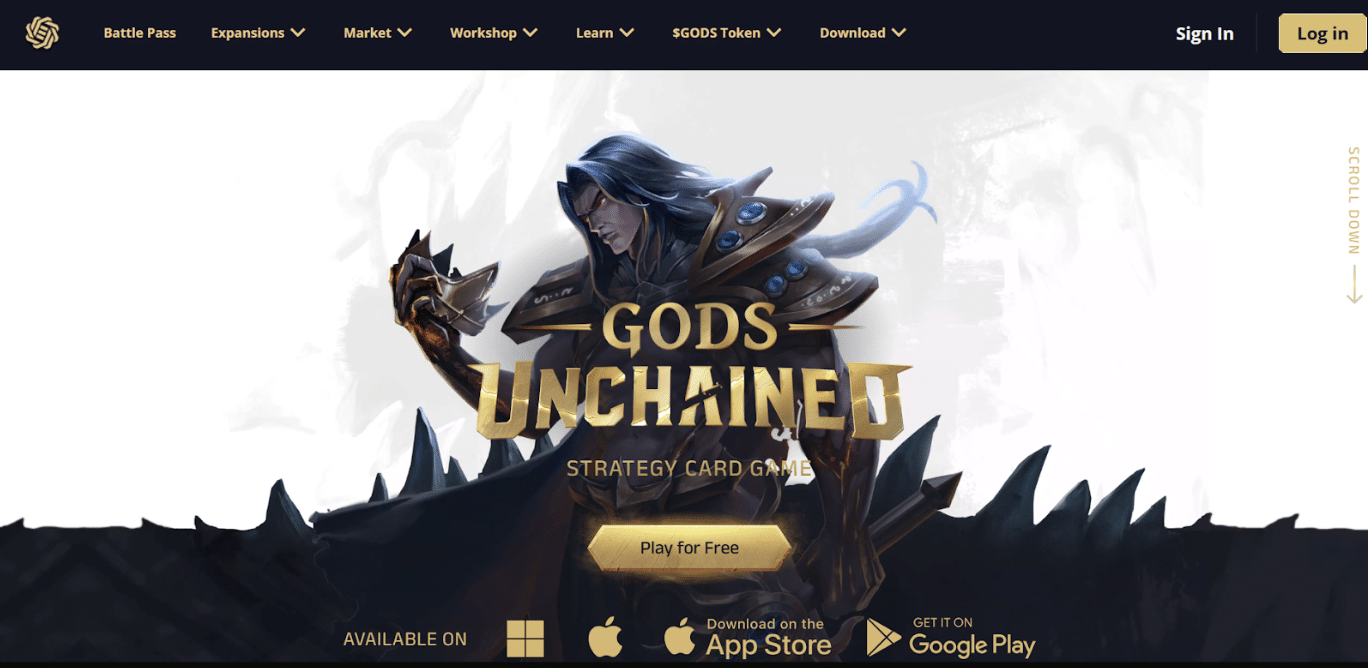
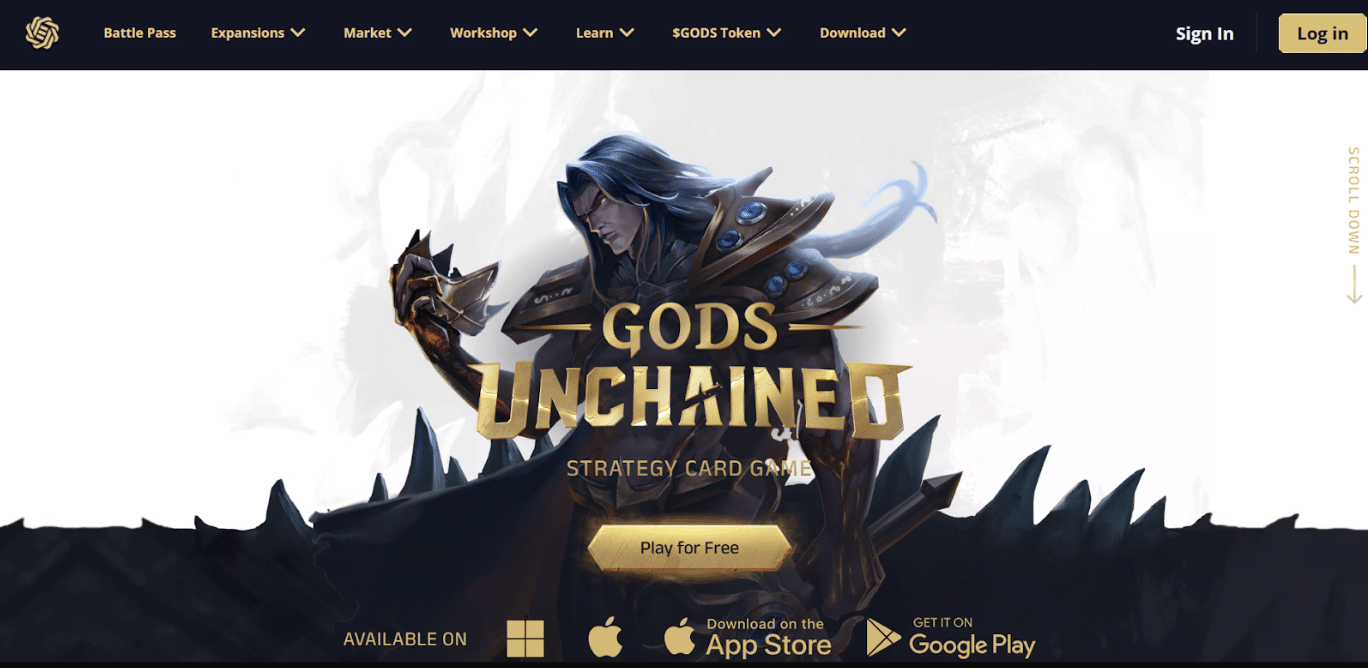
Gods Unchained is a card game that heavily involves strategy. The game is all about building the right deck and outsmarting opponents instead of owning rare cards or spending a fortune. Each match challenges players to think ahead, combining gods, creatures, and spells in ways that can turn the tide if they play their cards right. It’s fast enough to stay engaging, but strategic enough to keep players coming back for more.

Each card exists as an NFT, meaning players own the cards they collect and can trade or sell them outside the game. Built on Ethereum and supported by Immutable X, the game avoids high transaction fees while keeping ownership intact. The NFT layer supports the gameplay rather than taking over, making Gods Unchained a strong option for players who want competitive card battles with real asset ownership in the background.

6. Splinterlands
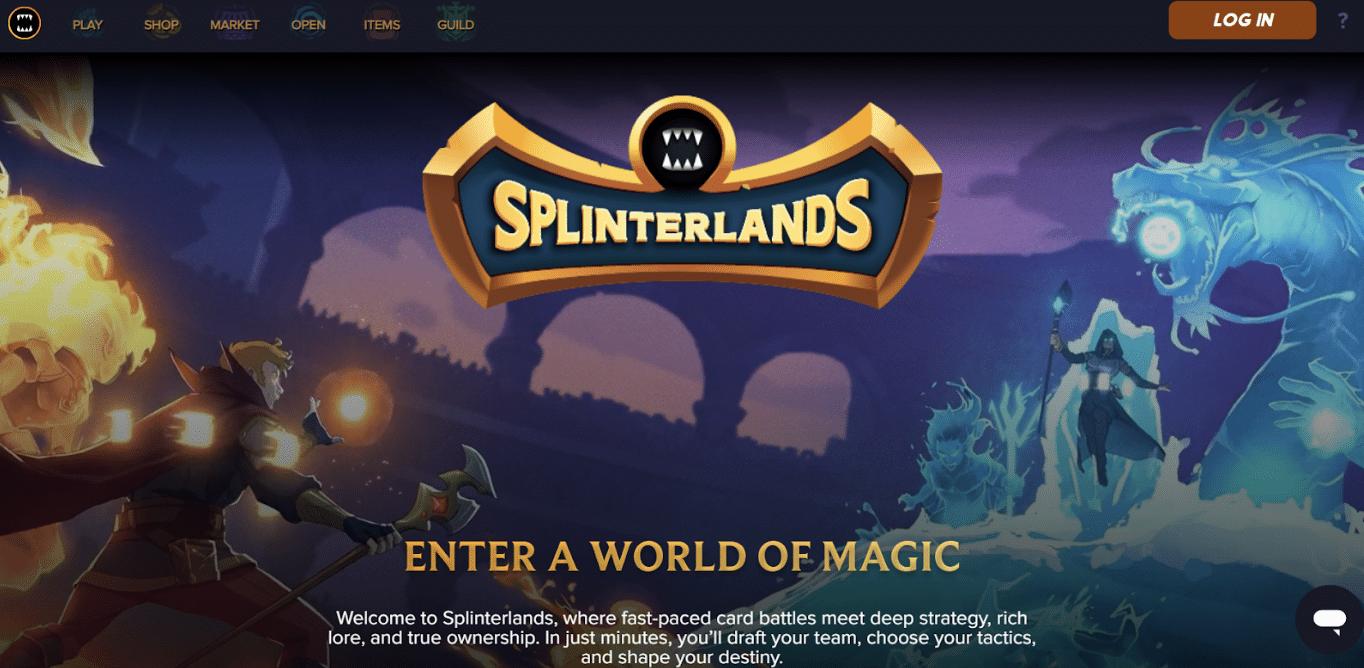
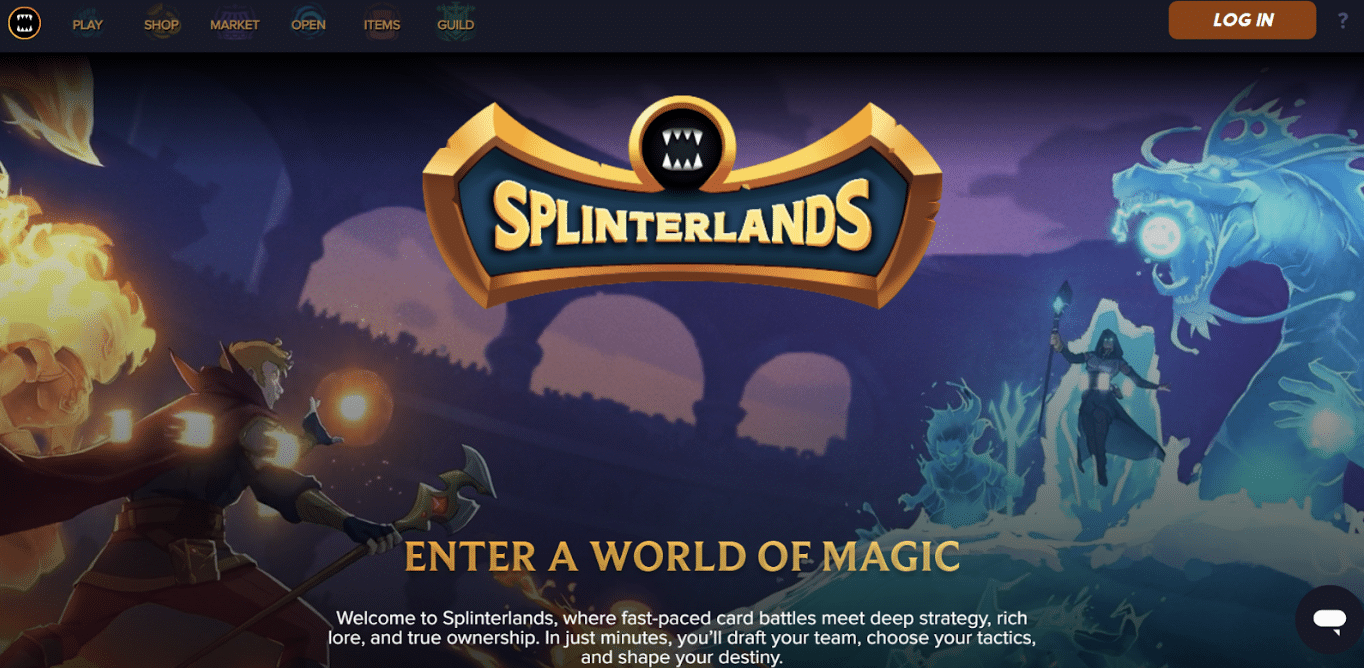
Splinterlands is a card-based strategy game where players build decks and compete in short battles. The point is understanding the card’s abilities and match conditions rather than playing long sessions that involve complex mechanics. Battles are quick, but outcomes depend heavily on how well a player reads the rules and assembles their deck, keeping the gam fair, exciting, and rewarding.

Each card exists as an NFT, meaning players own the cards they collect and can trade, sell, or even rent them to others. The game runs on the Hive blockchain, which keeps transactions fast and low-cost, and its marketplace supports an active player-driven economy. With options to earn through regular play, quests, and competitive matches, Splinterlands is an easy way for players to start playing NFT games that involve some serious strategy without any heavy commitment.

7. The Sandbox
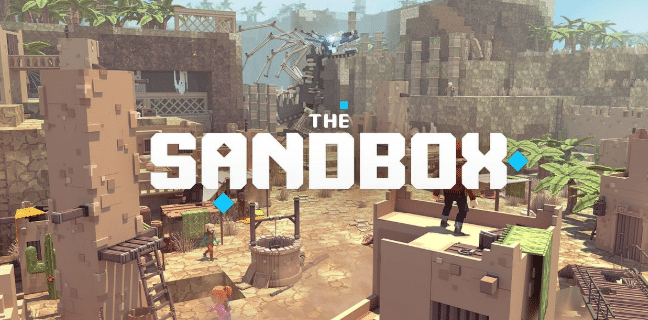
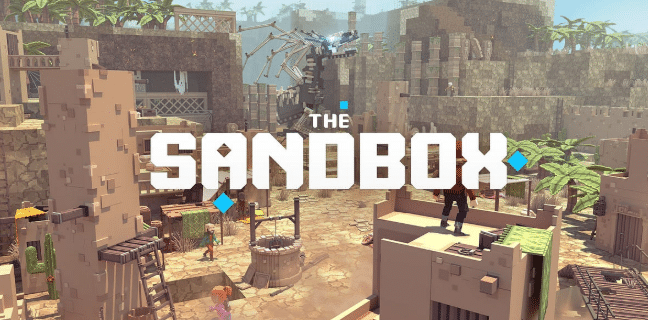
The Sandbox is a community-driven metaverse platform that allows players to create, own, and monetize virtual experiences. Unlike traditional games with set narratives, The Sandbox gives users the tools to design interactive spaces, using intuitive software like Game Maker and VoxEdit. Land ownership is a central pillar, with each virtual plot existing as an NFT that can be developed, sold, or rented for income.

The native SAND token powers all in-game transactions, including asset purchases, staking, and governance participation. Players can earn by creating and selling NFT assets, hosting games or experiences on their land, or trading parcels in the open marketplace. As the ecosystem evolves, The Sandbox has become a hub for digital creators, brands, and communities, many of whom use the platform to launch branded events, collectibles, or digital storefronts.

While the game doesn’t follow traditional gameplay loops, its creative freedom and monetization opportunities make it one of the most robust NFT metaverse platforms today. Earning potential scales with a player’s ability to build, collaborate, or speculate on land and digital goods.

8. Nine Chronicles
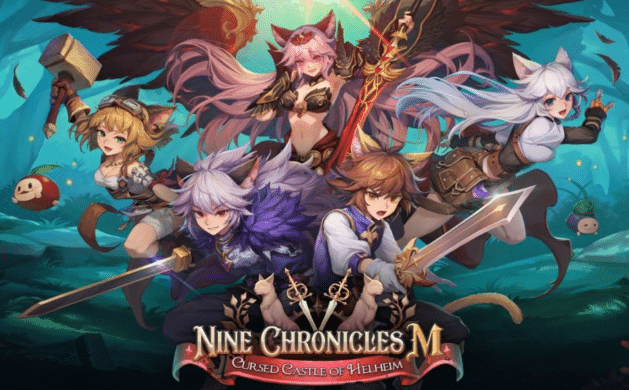
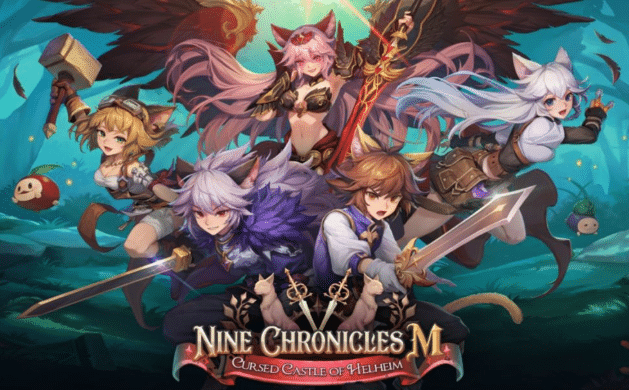
Nine Chronicles is a fully decentralized, open-source role-play game (RPG) where players journey through a procedurally generated world filled with combat zones, crafting systems, and evolving quests. With no central server, the game runs entirely on blockchain, giving players full ownership over their in-game assets and progress.

The gameplay revolves around exploration, crafting, and combat. Players can collect resources from the environment, craft powerful gear and consumables, and fight monsters across multiple realms. The in-game economy is driven by NCG, the platform’s native token, which is earned by mining resources, trading items, and participating in tournaments or governance proposals.

As a play-to-earn game, Nine Chronicles offers multiple earning paths, ranging from selling crafted goods and raw materials to competing in ranked challenges. While the decentralized infrastructure adds transparency and player control, it also introduces a steeper learning curve.

Final thoughts

NFT games aren’t trying to replace traditional gaming overnight. What they’re doing instead is testing new ideas around ownership, progression, and player-driven economies. Some get it right, others are still finding their footing, but the space itself is clearly experimenting. For players, it’s important to understand how a game actually works and decide whether it’s something worth playing even without the tokens attached.


Disclaimer. Readers are encouraged to do their own research. Ambcrypto is not liable for any outcomes related to the use of information, products, or services mentioned. This content may include affiliate or partner links.


Perguntas relacionadas

QWhat is the main evolution of NFTs in the gaming industry as described in the article?

ANFTs in gaming have evolved from simple digital collectibles into fully developed, user-centric platforms that offer genuine ownership, interoperable assets, and new forms of digital economies, allowing players to own in-game assets independently of centralized servers.

QWhich two NFT games mentioned are built on the Ethereum blockchain?

ADecentraland and Gods Unchained are built on the Ethereum blockchain.

QWhat is the native token of The Sandbox, and what is its primary use?

AThe native token of The Sandbox is SAND, and it powers all in-game transactions, including asset purchases, staking, and governance participation.

QHow does Shrapnel differ from typical blockchain games in terms of gameplay focus?

AShrapnel focuses on fast, tactical combat where skill and performance directly affect rewards, making it feel closer to a traditional multiplayer shooter rather than relying on progression systems or passive mechanics.

QWhat is a key characteristic of Nine Chronicles that emphasizes its decentralization?

ANine Chronicles is a fully decentralized, open-source RPG that runs entirely on blockchain with no central server, giving players full ownership over their in-game assets and progress.

Leituras Relacionadas

Dialogue with Jia Hang | Looking Back at Two Decades of Chinese Payment Going Global

**Summary: A Conversation with Jia Hang on Two Decades of China's Payment Globalization** Jia Hang, a veteran with over twenty years in payments, reflects on China's attempts to build a global payment network through three key phases: UnionPay (card networks), Alipay+ (digital wallets), and now, stablecoins. His journey began at UnionPay International, aiming to establish China's card network abroad. While successful in following Chinese tourists ("where Chinese go, UnionPay goes"), it struggled to achieve true global scale. The core lesson: card networks like Visa/Mastercard's unassailable advantage isn't just technical standards, but their deeply entrenched **governance and profit-sharing models** that create powerful network effects. Competing as the "same species" is nearly impossible. At Ant Group, he led Alipay+, a strategy to bypass card networks by interconnecting local e-wallets worldwide. While innovative, it faced a similar ceiling. Mobile QR payments and card swipes were essentially **the same species competing for the same pie**, lacking a disruptive value proposition for users or a sustainable new incentive model to replace the card networks' established flywheel. Today, at Singapore's DCS, Jia focuses on stablecoin-based payments. He argues stablecoins represent a fundamental shift. They are not competing with Visa for consumer payments but challenging the **traditional banking and account system for value movement**. Products like "U Cards" (stablecoin-linked payment cards) are transitional, leveraging existing card networks for acceptance while building new rails. The real potential lies in stablecoins enabling seamless, low-cost global value transfer, potentially reorganizing the financial infrastructure around **accounts rather than cards**. Jia believes stablecoin adoption for local retail payments, cross-border transactions, and as high-yield savings vehicles is becoming irreversible. This could gradually reduce reliance on traditional fiat channels, especially in regions with weak currencies or capital controls. The quest for the "next global payment network" continues, now centered on whether stablecoins can successfully bridge Web2 and Web3, establish new governance, and create compelling user value beyond mere cost reduction.

marsbitHá 7m

Dialogue with Jia Hang | Looking Back at Two Decades of Chinese Payment Going Global

marsbitHá 7m

Circle's Stock Price Plunges 76%, Hong Kong Dollar Stablecoin Set to Launch Within Two Weeks

Circle's stock price has plunged approximately 76% from its 2023 peak, reflecting a major market revaluation. Despite this, Circle President Heath Tarbert emphasized the company's focus on long-term execution and its dominant position with USDC's $73 billion circulation across 34 blockchains. The competitive landscape is intensifying. A new consortium-backed stablecoin, Open USD, is attempting to challenge incumbents by sharing reserve yields with partners. More significantly, Visa's new stablecoin platform, initially supporting Open USD while also being compatible with USDC, could erode Circle's network effects. In response, Circle is expanding into real-world payments through partnerships like the one with Japan's JCB. Separately, Tether (USDT) faces a two-year compliance window under new U.S. regulations, requiring it to adjust its reserve composition away from assets like Bitcoin and loans towards cash and U.S. Treasuries. Meanwhile, in Hong Kong, Standard Chartered-backed fintech firm Dian Dian is poised to launch a licensed HKD-pegged stablecoin (HKDAP), moving the industry into a phase where the real test is integrating licensed stablecoins into actual payment flows and corporate treasury systems. The sharp decline in Circle's stock underscores a broader shift: the stablecoin market is moving from a winner-takes-all dynamic to a multi-player competitive arena where execution, compliance, and real-world utility are becoming paramount.

marsbitHá 8m

Circle's Stock Price Plunges 76%, Hong Kong Dollar Stablecoin Set to Launch Within Two Weeks

marsbitHá 8m

Amidst Capital's Encirclement, Decentralization is the Sole Defense for Public Blockchains

In a landscape dominated by power and profit motives, the author argues that decentralization is not merely one desirable feature among many in blockchain design—it is the singular, non-negotiable defense against corporate and capital capture. The article adopts a Machiavellian, realist perspective on human institutions, positing that businesses will inevitably attempt to co-opt any valuable network to protect their profits and dominance. While external attacks like 51% forks are often discussed, the greater existential risk is internal capture—the gradual erosion of a protocol’s neutrality by vested interests, as seen historically with platforms like Visa and Google. The piece critiques permissioned chains, highly centralized “permissionless” layer-1s, and layer-2s without sufficient decentralization (e.g., single sequencers) as inherently vulnerable. These compromised systems, promoted by established financial players, are framed as delaying tactics to stifle truly open networks that threaten existing high-fee, inefficient business models. Real-world examples, such as closed enterprise consortiums that exclude competitors, illustrate how such systems cement oligopolies rather than foster innovation. The author concludes that while decentralized protocols like Ethereum are imperfect and costly to operate, they represent the only viable long-term equilibrium. In a market where value naturally flows to the most secure and neutral settlement layer, only maximally decentralized public blockchains can resist being subsumed by capital and powerful incumbents.

Foresight NewsHá 18m

Amidst Capital's Encirclement, Decentralization is the Sole Defense for Public Blockchains

Foresight NewsHá 18m

Who Decides the Rules of Bitcoin? BIP-110 Ignites Governance Debate

Bitcoin's governance is once again at the center of a heated debate, this time ignited by BIP-110, the "Reduced Data Temporary Softfork." This proposal aims to curb non-monetary data (like inscriptions and Runes) by introducing seven new consensus-layer restrictions over a year, such as limiting new output scripts to 34 bytes and restoring the OP_RETURN cap to 83 bytes. The controversy stems from BIP-110's fundamental shift: it moves the battle against "spam" from node relay and miner policies to the consensus layer, rendering currently valid transactions invalid. Supporters, arguing that default policy governance has failed (highlighted by Bitcoin Core v30's relaxation of OP_RETURN limits), see this as necessary to protect node resources and Bitcoin's monetary focus. Opponents, led by figures like Michael Saylor and Adam Back, warn it dangerously centralizes governance. Saylor listed 110 reasons against it, criticizing its low 55% miner activation threshold and potential for chain splits. Back emphasized Bitcoin's "permissionless" ethos, arguing no single group should impose value judgments via consensus rules. Further complicating matters, technical critiques suggest BIP-110 may be technically circumventable, and a "BlockSlop" vulnerability in its upgrade path poses a consensus risk. The debate has drawn in diverse stakeholders: miners (with pools like Ocean signaling support and Foundry polling clients), node operators (like Bitcoin Knots), and new players like corporate treasury holder MicroStrategy (Saylor), whose market influence adds a novel dimension. Ultimately, BIP-110 acts as a governance stress test, exposing the unresolved question: who decides Bitcoin's rules? It pits the authority of miners, node operators, developers, and capital holders against each other, with each side claiming to defend Bitcoin's core principles of neutrality and security.

marsbitHá 35m

Who Decides the Rules of Bitcoin? BIP-110 Ignites Governance Debate

marsbitHá 35m

Trading

Spot
活动图片