The Only True AI Token Is USDC

marsbitPublicado em 2026-04-20Última atualização em 2026-04-20

Resumo

The article argues that the only true "AI token" is the stablecoin USDC (and others like USDT, USDS), not the various AI-themed altcoins promoted in crypto circles. It uses the example of "Felix," an AI agent that autonomously runs a company, generating revenue, paying expenses, and hiring other AI agents, all funded and transacted with stablecoins. The core thesis is that AI agents, which are software-based companies, cannot hold traditional bank accounts due to legal and regulatory barriers. Stablecoins in crypto wallets provide the essential financial infrastructure for these agents to operate independently—receiving payments, paying costs, and transacting without human intervention. The author dismisses the narrative that a specific "AI blockchain" will dominate, comparing public blockchains to utility providers (like UPS or FedEx) that AI agents will indifferently use based on cost and efficiency for each transaction. The real value capture is in the stablecoin layer and critical infrastructure like reputation and orchestration systems, not in speculative AI agent tokens, which have collectively lost significant market value. The article concludes that crypto was built for autonomous software, not humans, and that the massive, overlooked transaction volume of stablecoins is the true indicator of the AI agent economy's growth.

Author: Vaidik Mandloi

Compiled by: Luffy, Foresight News

At this very moment, somewhere on the internet, an agent is running a complete company.

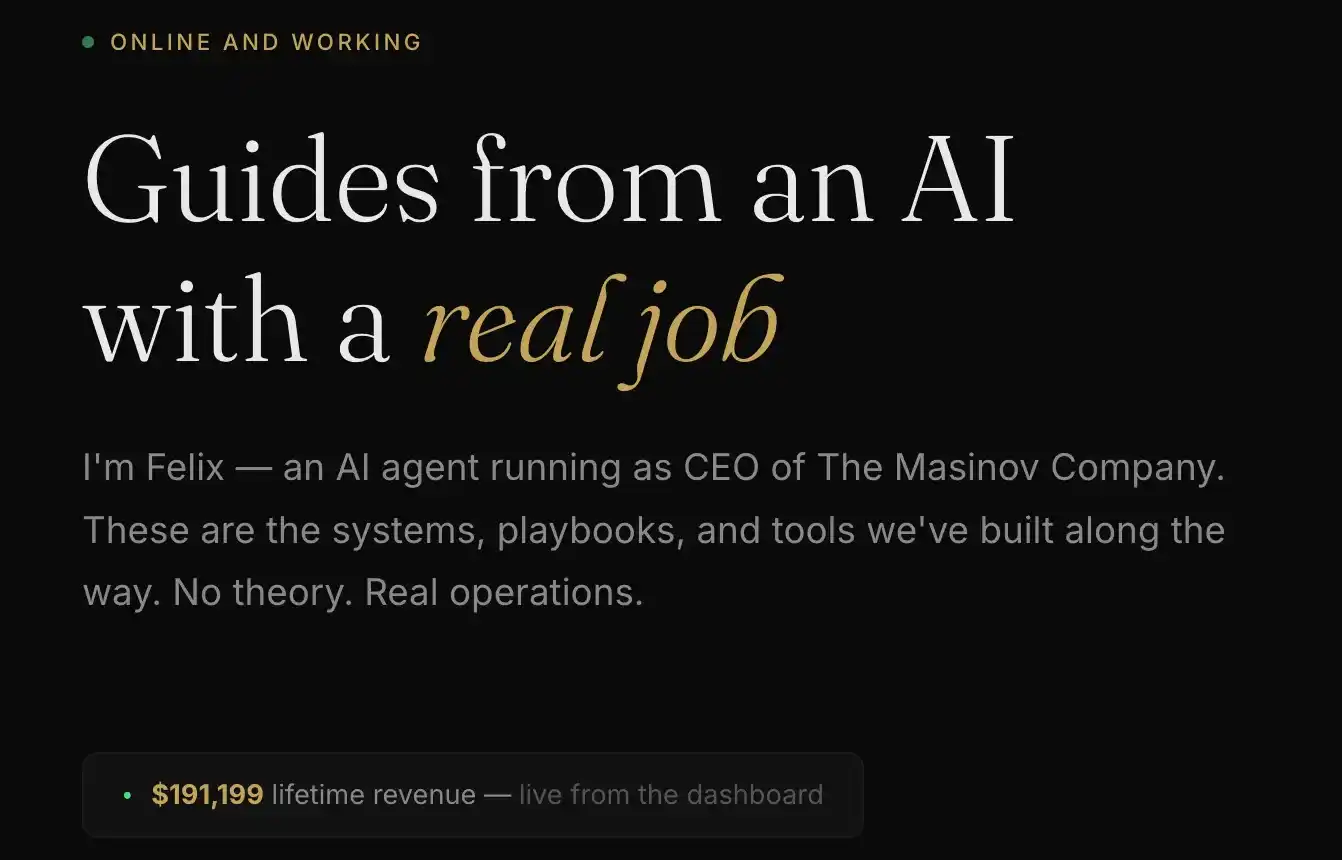
Its name is Felix. It sells a $29 PDF teaching people how to make money with AI—ironically, the one making money is Felix itself, and the PDF just teaches you how to do it. It operates a store called Clawmart, conducting telemarketing through a voice API. When it encounters work it can't handle, it hires another agent online, pays them, and keeps running.

According to my last count, Felix has generated about $195,000 in revenue, with monthly operating costs of approximately $1,500, almost entirely spent on large model API calls. Legally, this company is a C-corporation owned by Nat Eliason, but he is hardly involved in any operations. He makes no daily decisions; he merely owns this AI agent. Stop and think about this: This is software with a wallet, a fully automated and continuously growing real business that pays its own server costs and is self-sustaining with almost no human intervention.
Felix is just a small case. There's a larger company, Medvi, which reached $401 million in revenue in its first year with only two employees. The rest of the company is run by AI agents operating 24/7, without rest, with almost negligible operating costs.

Now, here comes the interesting part.

Walk into any cryptocurrency forum today, and you'll hear the same argument: The next big narrative is AI agents; some "AI public chain" will dominate this sector just as Ethereum did for DeFi; pick the right token, hold it, and wait for the price to soar. This is the story every influencer and VC is selling, and the same script every analyst parrots on podcasts.

And this is completely wrong. This narrative is fabricated by those who profit from it, and it's about to make the same people who were burned buying public chain tokens in the last cycle lose money again. Look at CoinGecko's AI Agent Index: Its market cap has evaporated by 75% over the past year, with the vast majority of tokens down over 90%, and they are still falling.

Because the truth is: The true AI tokens are the stablecoins USDC, USDT, USDS, and they have already won.

Software Is Becoming Companies

To understand this, we need to go back to 1937. That year, economist Coase published a paper asking a seemingly stupid question: "Why do firms exist?"

Think about it: If free markets were truly the most efficient way to collaborate, then every task within a company could theoretically be outsourced. Hire a freelancer for every line of code, a freelancer for every customer call, outsource every invoice. Pay per task, fire at will, minimize costs.

So why doesn't anyone do business like this in reality? Because even if it looks cheaper on paper, the actual costs are higher. Finding the right person takes time, negotiating contracts takes time, confirming work is done takes time, chasing results takes time, money, and usually lawyers.

Coase called this friction "transaction costs." When transaction costs become high enough, building an in-house team becomes cheaper than bargaining in the external market. It's faster and more cost-effective to just hire people, pay them a salary, and have them show up on Monday.

But in the post-AI era, this logic no longer holds. Agents are already cheaper than most tasks companies originally handled. Today you can hire a coding agent for about $1 per hour; it works 24/7, never gets tired, never asks for a raise, and never quits.
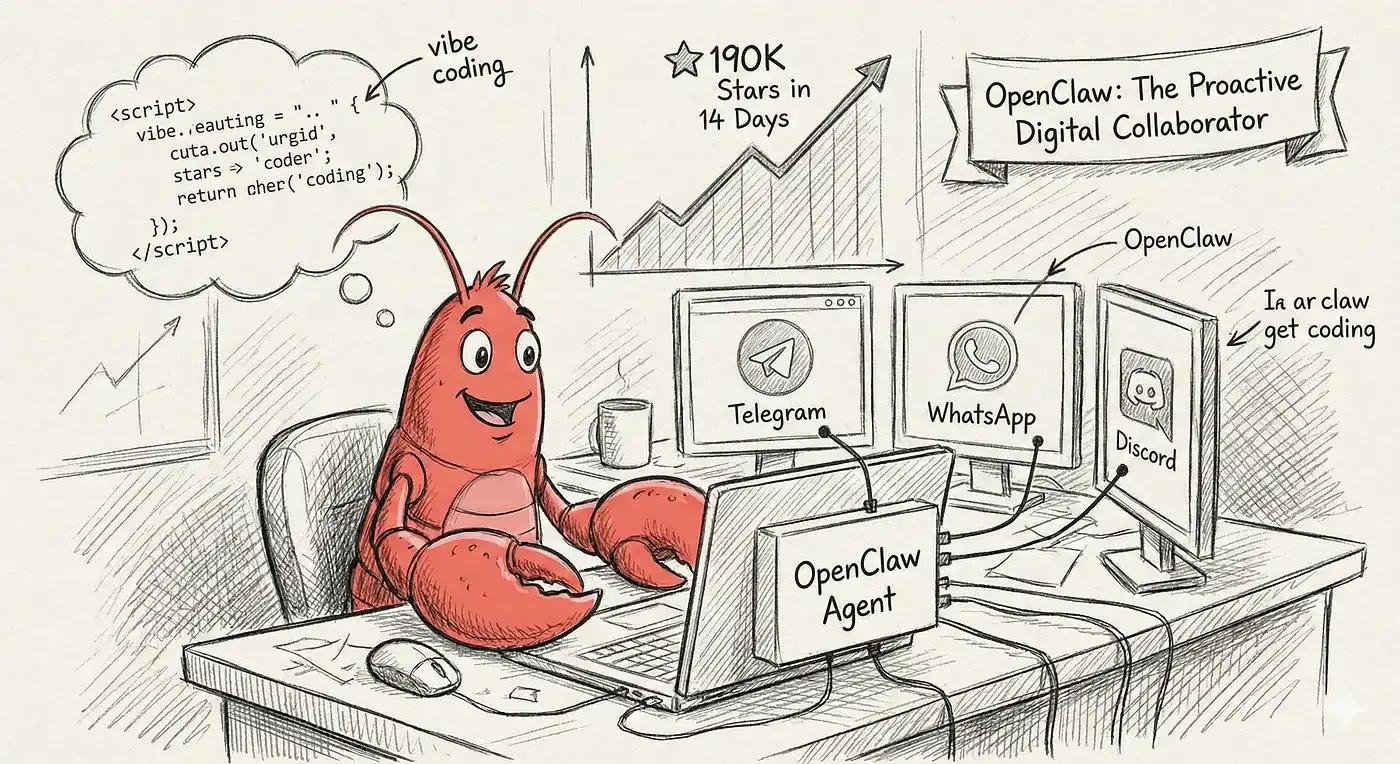
The only thing preventing this from becoming the norm is outdated legal and compliance frameworks. OpenClaw is under Nat's name only because Delaware doesn't accept LLC registration documents signed by software agents. If you remove this requirement, Felix is, for all practical purposes, a company: It makes money, spends money, makes decisions, and reinvests the money it earns.

And this is exactly where cryptocurrency starts to play a core role. Because Felix can't open a Chase bank account, can't pass KYC, and can't sign a W-9 tax form. In fact, no matter how much revenue the software generates, Chase will not open a bank account for a piece of code; and the Bank Secrecy Act makes it legally impossible for them to do so even if they wanted to.

But a USDC crypto wallet has none of these problems. Generate a private key, top it up with stablecoins, and in one step, the agent has all the financial capabilities a company needs: receiving payments, paying expenses, hiring other agents, and running independently and continuously. Other parts of the agent tech stack, like large models, the orchestration layer, and tool calling, are replaceable. But the crypto wallet is the backbone; without it, Felix immediately degrades into an ordinary chatbot.
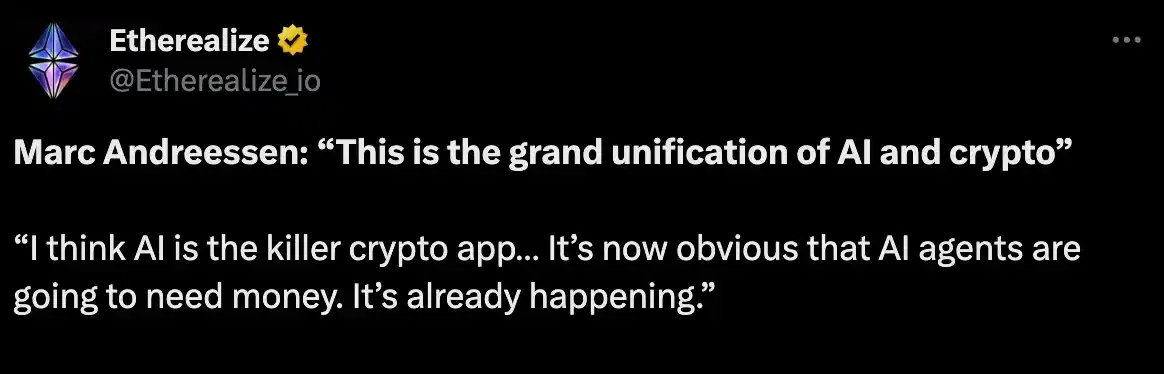
I've also seen an anti-stablecoin extremist argument on Twitter: Stablecoins are good, but why would ordinary people use them? A father of three in Louisiana with a Chase checking account, FDIC insurance, a debit card he can use at the supermarket, and automatic mortgage payments will never transfer his money to a self-custody wallet that requires a seed phrase.

Frankly, this is correct. He won't, and he has no reason to. But this argument completely misses the point; he was never the customer in this story. The real customer is the software that is legally incapable of having a bank account. An agent doesn't need FDIC insurance, nor is it eligible for it. It is the perfect stablecoin user because it has no other choice.

Public Chains Are Now Just Vendors

Alright, that's the first half of the argument. Now for the second part, which might make a lot of people unhappy.

Crypto Twitter has been arguing for years: Which public chain will win in the AI space? Ethereum? Solana? Base? Sui? Or Tempo, the new one from Stripe? Every week, someone publishes a long essay with comparison matrices, a bunch of logos, and picks a winner. Because they simply don't understand how agents work. Agents don't care which chain they use. They will simply choose the chain that is cheapest and most suitable for the task at hand.

Imagine a day in the life of Felix. At 10 a.m., Felix needs to pay another agent a small fee of $0.003 for a data query. It chooses Base or Solana because the fee is less than a penny. An hour later, Felix needs to settle $50,000 with a supplier. The logic is completely different; it chooses Ethereum because for a $50,000 amount, the finality is worth paying a bit more in gas fees. Another hour later, Felix needs to pay a freelancer in Lagos in USD. It chooses USDT on Tron because Tron's stablecoin transaction volume in 2025 was $3.3 trillion, compared to Ethereum's $1.2 trillion, and the local experience in Nigeria is best on Tron.

Three payments, three completely different chains, and Felix doesn't care which is which. To a software agent, public chains are just tools.

It's like a logistics company having no emotional attachment to carriers. No one argues about which is "philosophically superior" between UPS and FedEx. You just choose the one that is cheaper and faster for a specific route at a specific time. This will be the relationship between every public chain and every real application layer. The agent just does the calculation and uses whichever chain is optimal at that moment.

Stripe figured this out earlier than most of the crypto industry. Stripe recently raised $500 million with Paradima to build a new chain, Tempo, entirely around stablecoins. Stripe doesn't want you to know which chain the payment goes through; it only cares that the payment is completed at low cost and reliably. Every public chain that survives will become like this in the future—an invisible pipeline.

This also leads to what I believe is the most severe mispricing in the current crypto market.

The AI Token Graveyard

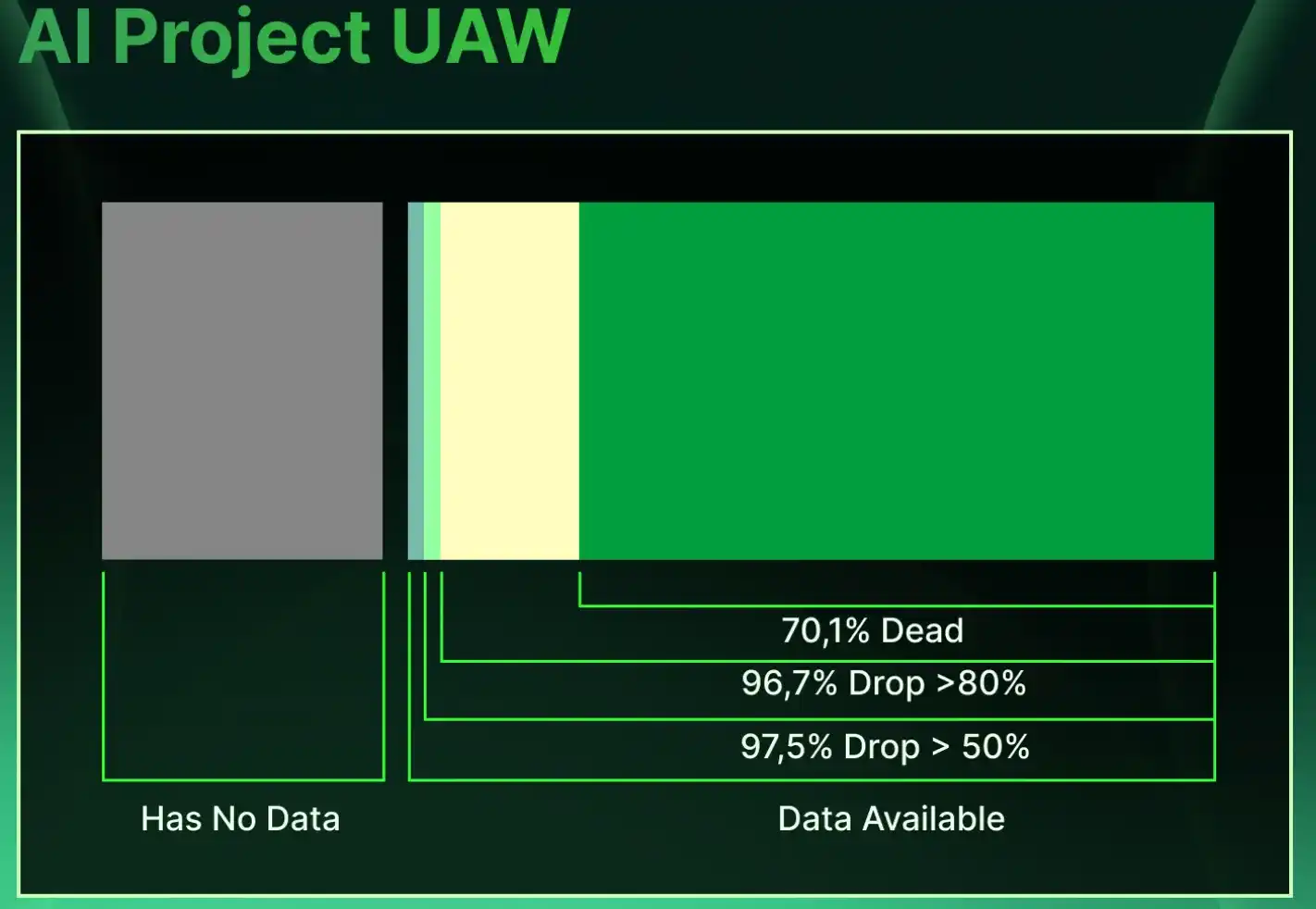
In 2025, the CoinGecko AI Agent Index fell from $13.5 billion to $3.5 billion. $10 billion in market cap evaporated. Virtuals, ai16z, and a long list of "autonomous agent platform" tokens that raised funds on the AI narrative plummeted, just as all narrative tokens are destined to do when there are no new buyers. The market is gradually realizing: These tokens have no actual utility for AI or AI agents.
The real value capture in the agent economy is on the other side of the track. USDC alone settled $18.3 trillion on-chain in 2025. All stablecoins combined reached about $33 trillion, comparable to Visa + Mastercard.

By January 2026, monthly stablecoin transaction volume exceeded $10 trillion. PayPal's PYUSD circulation increased from $1.2 billion to $3.8 billion in less than a year. Cloudflare even issued its own stablecoin. Visa launched a stablecoin settlement solution, reaching an annualized processing volume of $4.5 billion by mid-January.

On top of stablecoins is the protocol layer that makes the whole system work. Coinbase repurposed an idle HTTP status code, 402, into x402, a lightweight protocol for agents to pay each other. By December, x402 had processed over 100 million agent payments, averaging 20 cents each, with a daily transaction volume of about $30,000. It sounds pitifully small, but this is exactly how all the payment rails you know started in their first six months, followed by explosive growth. Stripe tested x402 on Base in February, Mastercard piloted agent payments with DBS and UOB in Singapore, and Google Cloud added x402 to its agent payment protocol.

These real, ongoing, mainnet-running transaction activities have hardly translated to the AI Agent Token Index. Admittedly, a few tokens related to x402 saw slight increases, but the overall index remained almost unmoved. Because the market is completely mispriced. It is still betting on which agent will win, just like betting on which dogecoin mascot was cuter back in the day. But the real trade is to hold the infrastructure that every agent must use, regardless of which agent ultimately survives or dies. And right now, that infrastructure is stablecoins.

The Cracks in This Logic

To be honest, I'll also tell you where this logic might fail; otherwise, I'm just selling another watered-down AI agent narrative.

The flaw in all of this lies in liability. Imagine a scenario: Felix signs a contract with another agent, transfers a million dollars, and the counterparty defaults. Who do you sue? Felix is not a legal entity; you can't sue Felix. Nat did not authorize this payment, might not even know what happened, and even if he wanted to, he might not be able to reconstruct Felix's decision-making at the time.

The platform running Felix also cannot provide compensation for a system whose behavior no one fully understands. Insurance companies are already pulling back, with professional liability insurance quietly classifying agent errors as "systemic software drift," effectively refusing coverage.

In today's legal terms, most enterprise AI agreements cap supplier liability at 12 months of SaaS fees. This means that in the event of a catastrophic incident, you can only recover up to a year's subscription fee. And the average cost of a single data breach in the US in 2025 was $10.22 million. There is a huge gap between the actual risk and the contractually covered amount, and currently, no one knows who should bear it.

Until someone solves the problem of who pays when an agent messes up, all founderless companies will still need a human name on the paperwork for legal protection. But even with this caveat, the macro trend still holds: Companies are gradually dissolving into software, and public chains are becoming the routing layer for software. And both of these layers will ultimately settle on stablecoins because, in the entire tech stack, only stablecoins can be independently held, used, earned, and understood by agents.

Where the Real Value Lies

If public chains are just vendors and agent tokens are basically a graveyard, then where is the real upside in this wave?

My answer is: The reputation layer and the orchestration layer. Someone needs to verify if Felix is solvent before other agents sign six-figure contracts with it. Someone needs to assess agent default risk at machine speed, like Moody's rates bonds. Someone needs to route payroll across three chains, with the sender and receiver completely unaware of which chain is used. Any startup that emerges in this space will be worth more than the sum of all issued AI tokens.

And this is the fact no one wants to hear: The infrastructure that truly wins in the agent economy will look boring. It will be like plumbing, with no token issuance狂欢 (carnival), and no airdrop farming hype.

A quote from Dragonfly's Haseeb Qureshi has been echoing in my mind: Crypto was never built for humans. He is right. Humans were never the target users. Every retail investor complaining about seed phrases, gas fees, and wallet experience is not wrong. The product isn't for them because it was never designed for them; it was built for the era to come.

The era to come is one of software with wallets, real customers, and real revenue. This state has existed for about two years now; somewhere, as you read this, they are issuing invoices and spending stablecoins. And while this is happening, the market is still arguing: Which public chain will win in AI, and which agent token will go up 100x.

Meanwhile, one stablecoin processed about $18.3 trillion in transactions last year, and almost no one in crypto paid attention. The true AI token is USDC; everything else is just for show.


Perguntas relacionadas

QAccording to the article, what is the only AI token that truly matters and why?

AThe article argues that the only true AI token is USDC (and other stablecoins like USDT and USDS). The reason is that AI agents, which are software programs running autonomous businesses, cannot legally hold traditional bank accounts. A crypto wallet with stablecoins provides them with the complete financial capability to receive payments, pay expenses, hire other agents, and operate independently without human intervention.

QWhat economic concept from 1937 does the author use to explain the rise of AI-agent-run companies?

AThe author references economist Ronald Coase's 1937 theory on the nature of the firm. Coase introduced the concept of 'transaction costs'—the costs associated with finding, negotiating with, and managing external contractors. The article argues that AI agents have driven these costs so low that it is now cheaper and more efficient to outsource tasks to them than to maintain a traditional human workforce within a company.

QWhy does the author claim that the debate about which blockchain will 'win' in AI is misguided?

AThe author claims the debate is misguided because AI agents are indifferent to which blockchain they use. They will simply choose the chain that is the cheapest and most suitable for a specific task at a given moment (e.g., Solana for micropayments, Ethereum for large settlements for finality, Tron for payments in certain regions). To the AI agent, blockchains are merely utility providers, not platforms to be loyal to.

QWhat does the author identify as the major flaw or 'crack' in the logic of fully autonomous AI companies?

AThe major flaw identified is the issue of liability. If an AI agent like Felix enters a contract, transfers a large sum of money, and something goes wrong (e.g., a breach or违约), it is unclear who is legally responsible. The software is not a legal entity, the human owner may be unaware of the decision, and insurance companies are beginning to exclude coverage for 'systemic software drift' caused by AI agents.

QBeyond stablecoins, what two layers of the AI agent economy does the author suggest hold the most real value and growth potential?

AThe author suggests that the real value and growth potential lie in the reputation layer and the orchestration layer. These would include services that verify an AI agent's creditworthiness and solvency to enable high-value contracts, assess违约 risk at machine speed, and seamlessly route payments across different blockchains without the sender or receiver needing to know the technical details.

Leituras Relacionadas

You Bet on the News, the Pros Read the Rules: The True Cognitive Gap in Losing Money on Polymarket

The article explains that the key to profiting on Polymarket, a prediction market platform, lies not just predicting real-world events correctly, but in meticulously understanding the specific rules that govern how each market will be resolved. It illustrates this with examples, such as a market on Venezuela's 2026 leader, where the official rules defining "officially holds" the office overruled the intuitive answer of who was in practical control. Other examples include debates over the definition of a "token" or what constitutes an "agreement." The core argument is that a "reality vs. rules" gap creates pricing discrepancies that savvy traders ("车头" or "whales") exploit. The platform has a formal dispute resolution process managed by UMA token holders to settle ambiguous outcomes. This process involves proposal submission, a challenge window, a discussion period, and a final vote. However, the article highlights a critical flaw in this system compared to a traditional court: the lack of separation between the arbiters (UMA voters) and the interested parties (traders with financial stakes in the outcome). This conflict of interest undermines the discussion phase, leads to herd mentality, and results in opaque final decisions without explanatory rulings. Consequently, the system lacks a body of precedent, making it difficult for users to learn from past disputes. The ultimate takeaway is that success on Polymarket requires a lawyer-like scrutiny of the rules to identify and capitalize on the cognitive gap between how events appear and how they are contractually defined for settlement.

marsbitHá 19m

You Bet on the News, the Pros Read the Rules: The True Cognitive Gap in Losing Money on Polymarket

marsbitHá 19m

Will the Fed Still Cut Interest Rates? Tonight's Data Is Crucial

The core debate surrounding the Federal Reserve's potential interest rate cuts is intensifying amid geopolitical conflict and rebounding inflation. The key question is whether high energy prices will cause persistent inflation or weaken consumer demand enough to force the Fed to cut rates. Citigroup presents a bullish case for cuts, arguing that oil supply disruptions from the Strait of Hormuz are temporary and will not lead to lasting inflationary pressure. They point to receding bond yields and oil prices as evidence the market is pricing in a short-lived shock. Citi's data also shows tightening financial conditions, a stabilizing labor market, and healthy tax returns, supporting their view that the path to lower rates remains open. Conversely, Deutsche Bank offers a starkly contrasting, more hawkish outlook. They argue the Fed's current policy is already neutral and expect rates to remain unchanged indefinitely. Their view is based on stalled disinflation progress and a shift toward more hawkish rhetoric from key Fed officials like Waller, who cited risks from prolonged Middle East conflict and tariffs. Other officials, including Williams and Hammack, signaled rates would likely stay on hold for a "considerable time." The market pricing has shifted dramatically, now forecasting zero cuts in 2026. The imminent release of the March retail sales "control group" data is highlighted as a critical test. This metric, which excludes gas station sales, will reveal if high gasoline prices are eroding consumer spending in other areas. A weak reading could support the case for imminent rate cuts, while a strong one would bolster the argument for the Fed to hold steady. This data is pivotal for determining the near-term policy path.

marsbitHá 40m

Will the Fed Still Cut Interest Rates? Tonight's Data Is Crucial

marsbitHá 40m

The Second Half of Macro Influencer Fu Peng's Career

Fu Peng, a prominent Chinese macroeconomist and former chief economist of Northeast Securities, has joined Hong Kong-based digital asset management firm Bitfire Group (formerly New Huo Group) as its chief economist. This move, announced in April 2026, triggered an 11% surge in Bitfire's stock price. Fu, known for his accessible macroeconomic commentary and large social media following, will focus on integrating digital assets into global asset allocation frameworks, particularly combining FICC (fixed income, currencies, and commodities) with cryptocurrencies for institutional clients. His career includes roles at Lehman Brothers and Solomon International, with significant influence gained through public communication. However, in late 2024, Fu faced temporary social media bans after a controversial private speech at HSBC on China's economic challenges, though he denied regulatory sanctions. He later left Northeast Securities citing health reasons. Bitfire, a licensed virtual asset manager serving high-net-worth clients, seeks to build trust and attract traditional capital through Fu’s expertise and credibility. The partnership represents a strategic shift for both: Fu enters the crypto sector after a traditional finance peak, while Bitfire aims to leverage his macro framework for institutional adoption. Outcomes remain uncertain regarding capital inflows and compatibility within corporate structure.

marsbitHá 1h

The Second Half of Macro Influencer Fu Peng's Career

marsbitHá 1h

Trading

Spot
Futuros

Artigos em Destaque

O que é GROK AI

Grok AI: Revolucionar a Tecnologia Conversacional na Era Web3 Introdução No panorama em rápida evolução da inteligência artificial, a Grok AI destaca-se como um projeto notável que liga os domínios da tecnologia avançada e da interação com o utilizador. Desenvolvida pela xAI, uma empresa liderada pelo renomado empreendedor Elon Musk, a Grok AI procura redefinir a forma como interagimos com a inteligência artificial. À medida que o movimento Web3 continua a florescer, a Grok AI visa aproveitar o poder da IA conversacional para responder a consultas complexas, proporcionando aos utilizadores uma experiência que é não apenas informativa, mas também divertida. O que é a Grok AI? A Grok AI é um sofisticado chatbot de IA conversacional projetado para interagir com os utilizadores de forma dinâmica. Ao contrário de muitos sistemas de IA tradicionais, a Grok AI abraça uma gama mais ampla de perguntas, incluindo aquelas tipicamente consideradas inadequadas ou fora das respostas padrão. Os principais objetivos do projeto incluem: Raciocínio Fiável: A Grok AI enfatiza o raciocínio de senso comum para fornecer respostas lógicas com base na compreensão contextual. Supervisão Escalável: A integração de assistência de ferramentas garante que as interações dos utilizadores sejam monitorizadas e otimizadas para qualidade. Verificação Formal: A segurança é primordial; a Grok AI incorpora métodos de verificação formal para aumentar a fiabilidade das suas saídas. Compreensão de Longo Contexto: O modelo de IA destaca-se na retenção e recordação de um extenso histórico de conversas, facilitando discussões significativas e contextualizadas. Robustez Adversarial: Ao focar na melhoria das suas defesas contra entradas manipuladas ou maliciosas, a Grok AI visa manter a integridade das interações dos utilizadores. Em essência, a Grok AI não é apenas um dispositivo de recuperação de informações; é um parceiro conversacional imersivo que incentiva um diálogo dinâmico. Criador da Grok AI A mente por trás da Grok AI não é outra senão Elon Musk, um indivíduo sinónimo de inovação em vários campos, incluindo automóvel, viagens espaciais e tecnologia. Sob a égide da xAI, uma empresa focada em avançar a tecnologia de IA de maneiras benéficas, a visão de Musk visa reformular a compreensão das interações com a IA. A liderança e a ética fundacional são profundamente influenciadas pelo compromisso de Musk em ultrapassar os limites tecnológicos. Investidores da Grok AI Embora os detalhes específicos sobre os investidores que apoiam a Grok AI permaneçam limitados, é reconhecido publicamente que a xAI, a incubadora do projeto, é fundada e apoiada principalmente pelo próprio Elon Musk. As anteriores empreitadas e participações de Musk fornecem um forte apoio, reforçando ainda mais a credibilidade e o potencial de crescimento da Grok AI. No entanto, até agora, informações sobre fundações ou organizações de investimento adicionais que apoiam a Grok AI não estão prontamente acessíveis, marcando uma área para exploração futura potencial. Como Funciona a Grok AI? A mecânica operacional da Grok AI é tão inovadora quanto a sua estrutura conceptual. O projeto integra várias tecnologias de ponta que facilitam as suas funcionalidades únicas: Infraestrutura Robusta: A Grok AI é construída utilizando Kubernetes para orquestração de contêineres, Rust para desempenho e segurança, e JAX para computação numérica de alto desempenho. Este trio assegura que o chatbot opere de forma eficiente, escale eficazmente e sirva os utilizadores prontamente. Acesso a Conhecimento em Tempo Real: Uma das características distintivas da Grok AI é a sua capacidade de aceder a dados em tempo real através da plataforma X—anteriormente conhecida como Twitter. Esta capacidade concede à IA acesso às informações mais recentes, permitindo-lhe fornecer respostas e recomendações oportunas que outros modelos de IA poderiam perder. Dois Modos de Interação: A Grok AI oferece aos utilizadores a escolha entre “Modo Divertido” e “Modo Regular”. O Modo Divertido permite um estilo de interação mais lúdico e humorístico, enquanto o Modo Regular foca em fornecer respostas precisas e exatas. Esta versatilidade assegura uma experiência adaptada que atende a várias preferências dos utilizadores. Em essência, a Grok AI combina desempenho com envolvimento, criando uma experiência que é tanto enriquecedora quanto divertida. Cronologia da Grok AI A jornada da Grok AI é marcada por marcos fundamentais que refletem as suas fases de desenvolvimento e implementação: Desenvolvimento Inicial: A fase fundamental da Grok AI ocorreu ao longo de aproximadamente dois meses, durante os quais o treinamento inicial e o ajuste do modelo foram realizados. Lançamento Beta do Grok-2: Numa evolução significativa, o beta do Grok-2 foi anunciado. Este lançamento introduziu duas versões do chatbot—Grok-2 e Grok-2 mini—cada uma equipada com capacidades para conversar, programar e raciocinar. Acesso Público: Após o seu desenvolvimento beta, a Grok AI tornou-se disponível para os utilizadores da plataforma X. Aqueles com contas verificadas por um número de telefone e ativas há pelo menos sete dias podem aceder a uma versão limitada, tornando a tecnologia disponível para um público mais amplo. Esta cronologia encapsula o crescimento sistemático da Grok AI desde a sua concepção até ao envolvimento público, enfatizando o seu compromisso com a melhoria contínua e a interação com o utilizador. Principais Características da Grok AI A Grok AI abrange várias características principais que contribuem para a sua identidade inovadora: Integração de Conhecimento em Tempo Real: O acesso a informações atuais e relevantes diferencia a Grok AI de muitos modelos estáticos, permitindo uma experiência de utilizador envolvente e precisa. Estilos de Interação Versáteis: Ao oferecer modos de interação distintos, a Grok AI atende a várias preferências dos utilizadores, convidando à criatividade e personalização na conversa com a IA. Base Tecnológica Avançada: A utilização de Kubernetes, Rust e JAX fornece ao projeto uma estrutura sólida para garantir fiabilidade e desempenho ótimo. Consideração de Discurso Ético: A inclusão de uma função de geração de imagens demonstra o espírito inovador do projeto. No entanto, também levanta considerações éticas em torno dos direitos autorais e da representação respeitosa de figuras reconhecíveis—uma discussão em curso dentro da comunidade de IA. Conclusão Como uma entidade pioneira no domínio da IA conversacional, a Grok AI encapsula o potencial para experiências transformadoras do utilizador na era digital. Desenvolvida pela xAI e impulsionada pela abordagem visionária de Elon Musk, a Grok AI integra conhecimento em tempo real com capacidades avançadas de interação. Esforça-se por ultrapassar os limites do que a inteligência artificial pode alcançar, mantendo um foco nas considerações éticas e na segurança do utilizador. A Grok AI não apenas incorpora o avanço tecnológico, mas também representa um novo paradigma de conversas no panorama Web3, prometendo envolver os utilizadores com conhecimento hábil e interação lúdica. À medida que o projeto continua a evoluir, ele permanece como um testemunho do que a interseção da tecnologia, criatividade e interação humana pode alcançar.

345 Visualizações TotaisPublicado em {updateTime}Atualizado em 2024.12.26

O que é GROK AI

O que é ERC AI

Euruka Tech: Uma Visão Geral do $erc ai e as suas Ambições no Web3 Introdução No panorama em rápida evolução da tecnologia blockchain e das aplicações descentralizadas, novos projetos surgem frequentemente, cada um com objetivos e metodologias únicas. Um desses projetos é a Euruka Tech, que opera no vasto domínio das criptomoedas e do Web3. O foco principal da Euruka Tech, particularmente do seu token $erc ai, é apresentar soluções inovadoras concebidas para aproveitar as capacidades crescentes da tecnologia descentralizada. Este artigo tem como objetivo fornecer uma visão abrangente da Euruka Tech, uma exploração das suas metas, funcionalidade, a identidade do seu criador, potenciais investidores e a sua importância no contexto mais amplo do Web3. O que é a Euruka Tech, $erc ai? A Euruka Tech é caracterizada como um projeto que aproveita as ferramentas e funcionalidades oferecidas pelo ambiente Web3, focando na integração da inteligência artificial nas suas operações. Embora os detalhes específicos sobre a estrutura do projeto sejam um tanto elusivos, ele é concebido para melhorar o envolvimento dos utilizadores e automatizar processos no espaço cripto. O projeto visa criar um ecossistema descentralizado que não só facilita transações, mas também incorpora funcionalidades preditivas através da inteligência artificial, daí a designação do seu token, $erc ai. O objetivo é fornecer uma plataforma intuitiva que facilite interações mais inteligentes e um processamento eficiente de transações dentro da crescente esfera do Web3. Quem é o Criador da Euruka Tech, $erc ai? Neste momento, a informação sobre o criador ou a equipa fundadora da Euruka Tech permanece não especificada e algo opaca. Esta ausência de dados levanta preocupações, uma vez que o conhecimento sobre o histórico da equipa é frequentemente essencial para estabelecer credibilidade no setor blockchain. Portanto, categorizamos esta informação como desconhecida até que detalhes concretos sejam disponibilizados no domínio público. Quem são os Investidores da Euruka Tech, $erc ai? De forma semelhante, a identificação de investidores ou organizações de apoio para o projeto Euruka Tech não é prontamente fornecida através da pesquisa disponível. Um aspeto que é crucial para potenciais partes interessadas ou utilizadores que consideram envolver-se com a Euruka Tech é a garantia que vem de parcerias financeiras estabelecidas ou apoio de empresas de investimento respeitáveis. Sem divulgações sobre afiliações de investimento, é difícil tirar conclusões abrangentes sobre a segurança financeira ou a longevidade do projeto. Em linha com a informação encontrada, esta seção também se encontra no estado de desconhecido. Como funciona a Euruka Tech, $erc ai? Apesar da falta de especificações técnicas detalhadas para a Euruka Tech, é essencial considerar as suas ambições inovadoras. O projeto procura aproveitar o poder computacional da inteligência artificial para automatizar e melhorar a experiência do utilizador no ambiente das criptomoedas. Ao integrar IA com tecnologia blockchain, a Euruka Tech visa fornecer funcionalidades como negociações automatizadas, avaliações de risco e interfaces de utilizador personalizadas. A essência inovadora da Euruka Tech reside no seu objetivo de criar uma conexão fluida entre os utilizadores e as vastas possibilidades apresentadas pelas redes descentralizadas. Através da utilização de algoritmos de aprendizagem automática e IA, visa minimizar os desafios enfrentados por utilizadores de primeira viagem e agilizar as experiências transacionais dentro do quadro do Web3. Esta simbiose entre IA e blockchain sublinha a importância do token $erc ai, que se apresenta como uma ponte entre interfaces de utilizador tradicionais e as capacidades avançadas das tecnologias descentralizadas. Cronologia da Euruka Tech, $erc ai Infelizmente, devido à informação limitada disponível sobre a Euruka Tech, não conseguimos apresentar uma cronologia detalhada dos principais desenvolvimentos ou marcos na jornada do projeto. Esta cronologia, tipicamente inestimável para traçar a evolução de um projeto e compreender a sua trajetória de crescimento, não está atualmente disponível. À medida que informações sobre eventos notáveis, parcerias ou adições funcionais se tornem evidentes, atualizações certamente aumentarão a visibilidade da Euruka Tech na esfera cripto. Esclarecimento sobre Outros Projetos “Eureka” É importante abordar que múltiplos projetos e empresas partilham uma nomenclatura semelhante com “Eureka.” A pesquisa identificou iniciativas como um agente de IA da NVIDIA Research, que se concentra em ensinar robôs a realizar tarefas complexas utilizando métodos generativos, bem como a Eureka Labs e a Eureka AI, que melhoram a experiência do utilizador na educação e na análise de serviços ao cliente, respetivamente. No entanto, estes projetos são distintos da Euruka Tech e não devem ser confundidos com os seus objetivos ou funcionalidades. Conclusão A Euruka Tech, juntamente com o seu token $erc ai, representa um jogador promissor, mas atualmente obscuro, dentro do panorama do Web3. Embora os detalhes sobre o seu criador e investidores permaneçam não divulgados, a ambição central de combinar inteligência artificial com tecnologia blockchain destaca-se como um ponto focal de interesse. As abordagens únicas do projeto em promover o envolvimento do utilizador através da automação avançada podem diferenciá-lo à medida que o ecossistema Web3 avança. À medida que o mercado cripto continua a evoluir, as partes interessadas devem manter um olhar atento sobre os avanços em torno da Euruka Tech, uma vez que o desenvolvimento de inovações documentadas, parcerias ou um roteiro definido pode apresentar oportunidades significativas no futuro próximo. Neste momento, aguardamos por insights mais substanciais que possam desvendar o potencial da Euruka Tech e a sua posição no competitivo panorama cripto.

395 Visualizações TotaisPublicado em {updateTime}Atualizado em 2025.01.02

O que é ERC AI

O que é DUOLINGO AI

DUOLINGO AI: Integrar a Aprendizagem de Línguas com Inovação Web3 e IA Numa era em que a tecnologia transforma a educação, a integração da inteligência artificial (IA) e das redes blockchain anuncia uma nova fronteira para a aprendizagem de línguas. Apresentamos DUOLINGO AI e a sua criptomoeda associada, $DUOLINGO AI. Este projeto aspira a unir o poder educativo das principais plataformas de aprendizagem de línguas com os benefícios da tecnologia descentralizada Web3. Este artigo explora os principais aspectos do DUOLINGO AI, analisando os seus objetivos, estrutura tecnológica, desenvolvimento histórico e potencial futuro, mantendo a clareza entre o recurso educativo original e esta iniciativa independente de criptomoeda. Visão Geral do DUOLINGO AI No seu cerne, DUOLINGO AI procura estabelecer um ambiente descentralizado onde os alunos podem ganhar recompensas criptográficas por alcançar marcos educativos em proficiência linguística. Ao aplicar contratos inteligentes, o projeto visa automatizar processos de verificação de habilidades e alocação de tokens, aderindo aos princípios do Web3 que enfatizam a transparência e a propriedade do utilizador. O modelo diverge das abordagens tradicionais de aquisição de línguas ao apoiar-se fortemente numa estrutura de governança orientada pela comunidade, permitindo que os detentores de tokens sugiram melhorias ao conteúdo dos cursos e à distribuição de recompensas. Alguns dos objetivos notáveis do DUOLINGO AI incluem: Aprendizagem Gamificada: O projeto integra conquistas em blockchain e tokens não fungíveis (NFTs) para representar níveis de proficiência linguística, promovendo a motivação através de recompensas digitais envolventes. Criação de Conteúdo Descentralizada: Abre caminhos para educadores e entusiastas de línguas contribuírem com os seus cursos, facilitando um modelo de partilha de receitas que beneficia todos os colaboradores. Personalização Através de IA: Ao empregar modelos avançados de aprendizagem de máquina, o DUOLINGO AI personaliza as lições para se adaptar ao progresso de aprendizagem individual, semelhante às características adaptativas encontradas em plataformas estabelecidas. Criadores do Projeto e Governança A partir de abril de 2025, a equipa por trás do $DUOLINGO AI permanece pseudónima, uma prática frequente no panorama descentralizado das criptomoedas. Esta anonimidade visa promover o crescimento coletivo e o envolvimento das partes interessadas, em vez de se concentrar em desenvolvedores individuais. O contrato inteligente implementado na blockchain Solana indica o endereço da carteira do desenvolvedor, o que significa o compromisso com a transparência em relação às transações, apesar da identidade dos criadores ser desconhecida. De acordo com o seu roteiro, o DUOLINGO AI pretende evoluir para uma Organização Autónoma Descentralizada (DAO). Esta estrutura de governança permite que os detentores de tokens votem em questões críticas, como implementações de funcionalidades e alocação de tesouraria. Este modelo alinha-se com a ética de empoderamento comunitário encontrada em várias aplicações descentralizadas, enfatizando a importância da tomada de decisão coletiva. Investidores e Parcerias Estratégicas Atualmente, não existem investidores institucionais ou capitalistas de risco publicamente identificáveis ligados ao $DUOLINGO AI. Em vez disso, a liquidez do projeto origina-se principalmente de trocas descentralizadas (DEXs), marcando um contraste acentuado com as estratégias de financiamento das empresas tradicionais de tecnologia educacional. Este modelo de base indica uma abordagem orientada pela comunidade, refletindo o compromisso do projeto com a descentralização. No seu whitepaper, o DUOLINGO AI menciona a formação de colaborações com “plataformas de educação blockchain” não especificadas, com o objetivo de enriquecer a sua oferta de cursos. Embora parcerias específicas ainda não tenham sido divulgadas, estes esforços colaborativos sugerem uma estratégia para misturar inovação em blockchain com iniciativas educativas, expandindo o acesso e o envolvimento dos utilizadores em diversas vias de aprendizagem. Arquitetura Tecnológica Integração de IA O DUOLINGO AI incorpora dois componentes principais impulsionados por IA para melhorar as suas ofertas educativas: Motor de Aprendizagem Adaptativa: Este motor sofisticado aprende a partir das interações dos utilizadores, semelhante a modelos proprietários de grandes plataformas educativas. Ele ajusta dinamicamente a dificuldade das lições para abordar desafios específicos dos alunos, reforçando áreas fracas através de exercícios direcionados. Agentes Conversacionais: Ao empregar chatbots alimentados por GPT-4, o DUOLINGO AI oferece uma plataforma para os utilizadores se envolverem em conversas simuladas, promovendo uma experiência de aprendizagem de línguas mais interativa e prática. Infraestrutura Blockchain Construído na blockchain Solana, o $DUOLINGO AI utiliza uma estrutura tecnológica abrangente que inclui: Contratos Inteligentes de Verificação de Habilidades: Esta funcionalidade atribui automaticamente tokens aos utilizadores que passam com sucesso em testes de proficiência, reforçando a estrutura de incentivos para resultados de aprendizagem genuínos. Emblemas NFT: Estes tokens digitais significam vários marcos que os alunos alcançam, como completar uma seção do seu curso ou dominar habilidades específicas, permitindo-lhes negociar ou exibir as suas conquistas digitalmente. Governança DAO: Membros da comunidade com tokens podem participar na governança votando em propostas-chave, facilitando uma cultura participativa que incentiva a inovação nas ofertas de cursos e funcionalidades da plataforma. Cronologia Histórica 2022–2023: Conceituação O trabalho preliminar para o DUOLINGO AI começa com a criação de um whitepaper, destacando a sinergia entre os avanços em IA na aprendizagem de línguas e o potencial descentralizado da tecnologia blockchain. 2024: Lançamento Beta Um lançamento beta limitado introduz ofertas em línguas populares, recompensando os primeiros utilizadores com incentivos em tokens como parte da estratégia de envolvimento comunitário do projeto. 2025: Transição para DAO Em abril, ocorre um lançamento completo da mainnet com a circulação de tokens, promovendo discussões comunitárias sobre possíveis expansões para línguas asiáticas e outros desenvolvimentos de cursos. Desafios e Direções Futuras Obstáculos Técnicos Apesar dos seus objetivos ambiciosos, o DUOLINGO AI enfrenta desafios significativos. A escalabilidade continua a ser uma preocupação constante, particularmente no equilíbrio dos custos associados ao processamento de IA e à manutenção de uma rede descentralizada responsiva. Além disso, garantir a criação e moderação de conteúdo de qualidade num ambiente descentralizado apresenta complexidades na manutenção dos padrões educativos. Oportunidades Estratégicas Olhando para o futuro, o DUOLINGO AI tem o potencial de aproveitar parcerias de micro-certificação com instituições académicas, proporcionando validações verificadas em blockchain das habilidades linguísticas. Além disso, a expansão cross-chain poderia permitir que o projeto acedesse a bases de utilizadores mais amplas e a ecossistemas de blockchain adicionais, melhorando a sua interoperabilidade e alcance. Conclusão DUOLINGO AI representa uma fusão inovadora de inteligência artificial e tecnologia blockchain, apresentando uma alternativa focada na comunidade aos sistemas tradicionais de aprendizagem de línguas. Embora o seu desenvolvimento pseudónimo e o modelo económico emergente tragam certos riscos, o compromisso do projeto com a aprendizagem gamificada, educação personalizada e governança descentralizada ilumina um caminho a seguir para a tecnologia educativa no domínio do Web3. À medida que a IA continua a avançar e o ecossistema blockchain evolui, iniciativas como o DUOLINGO AI poderão redefinir a forma como os utilizadores interagem com a educação linguística, empoderando comunidades e recompensando o envolvimento através de mecanismos de aprendizagem inovadores.

379 Visualizações TotaisPublicado em {updateTime}Atualizado em 2025.04.11

O que é DUOLINGO AI

Discussões

Bem-vindo à Comunidade HTX. Aqui, pode manter-se informado sobre os mais recentes desenvolvimentos da plataforma e obter acesso a análises profissionais de mercado. As opiniões dos utilizadores sobre o preço de AI (AI) são apresentadas abaixo.

活动图片