Tether's Acquisition of Juventus: The European Class Struggle Behind It

比推Publicado em 2025-12-15Última atualização em 2025-12-15

Resumo

Tether, the world's largest stablecoin issuer, has made a cash offer to acquire a controlling 65.4% stake in the historic Italian football club Juventus from the Exor Group, controlled by the Agnelli family. The offer, representing a 20.74% premium, was swiftly rejected. Tether's CEO, Italian-born Paolo Ardoino, a lifelong Juventus supporter, sees this as an attempt to save his childhood club, which is mired in financial crisis following years of losses and a major accounting scandal. However, the old-money Agnelli family, which has owned the club for over a century, views the offer from the crypto giant with suspicion and as a threat to its legacy and traditional industrial prestige. The clash represents a broader cultural and economic conflict between established European "old money" and the emerging wealth of the "new money" crypto industry. Despite the club's financial struggles, Exor has so far refused to sell, prioritizing heritage and control over a significant capital injection.

Author: Sleepy.txt

Original Title: Crypto Printing Press Wants to Buy Juventus: The Offensive and Defensive Battle Between Europe's Old and New Money


Tether, the world's largest stablecoin giant, is preparing to buy Italy's most iconic football powerhouse, Juventus.

On December 12, Tether submitted a takeover offer to the Italian Stock Exchange, proposing to acquire the 65.4% stake in Juventus held by the Exor Group at a price of 2.66 euros per share, a 20.74% premium over the market price. If the deal is successful, Tether will also inject an additional 1 billion euros into the club.

This is an all-cash offer. No bets, no conditions, just a simple "cash on delivery." In the world of capital, this is the most brutal form of sincerity, and Tether gave the Exor Group only 10-day window to consider.

However, the Exor Group, controlled by the Agnelli family, quickly issued a statement: "There are currently no negotiations regarding the sale of Juventus shares."

The implication is clear: Not for sale.

Within 24 hours, renowned Italian journalist Eleonora Trotta reported that Tether was preparing to double its offer, directly valuing Juventus at 2 billion euros.

At the center of the storm is a man named Paolo Ardoino.

In 1984, Paolo was born in an ordinary small town in Italy. His parents were civil servants, and his grandparents tended a traditional olive grove. It was a typical Italian childhood; the black-and-white striped jerseys, the cheers at the Allianz Stadium in Turin, and the glory of the Agnelli family formed the spiritual totems of his growing memories.
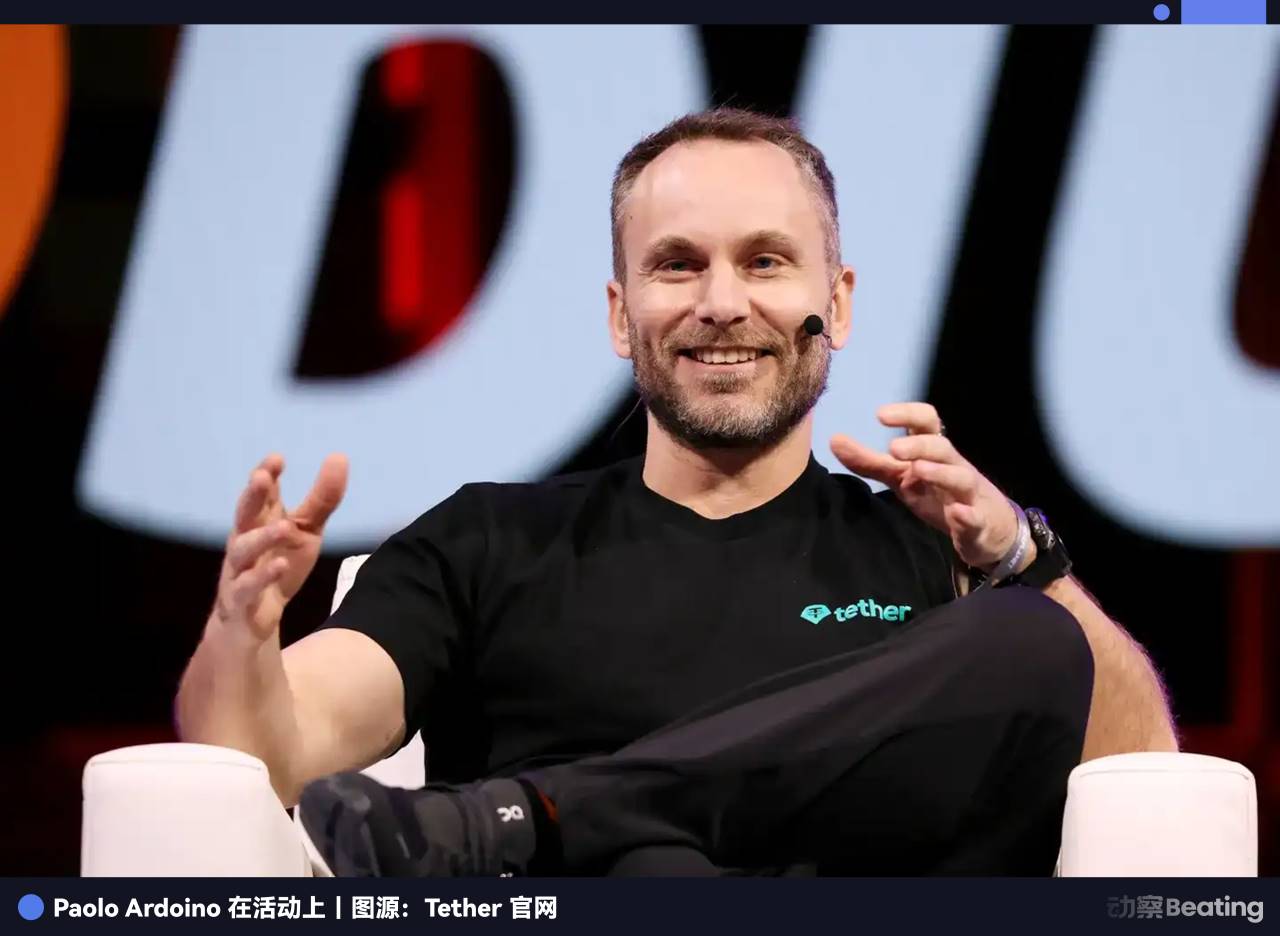
Thirty-two years later, the boy from under the olive trees grew into the Caesar of the cryptocurrency world, managing Tether, a super printing press with an annual profit of $13 billion. Now he has returned home in glory, trying to buy the dream of his childhood and give back to the black-and-white faith flowing in his blood.

But reality taught sentimentality a lesson.

When Paolo enthusiastically knocked on the door of Juventus, he was greeted not with flowers or applause. What awaited him was nine months of exclusion and humiliation from the old world.

The 9 Months of Exclusion

The honeymoon period began in a way that was almost like unrequited love.

In February 2025, Tether announced it had acquired an 8.2% stake in Juventus, becoming the second-largest shareholder after the Exor Group. In the official statement, Paolo shed his business acumen and rarely showed his soft side: "For me, Juventus has always been a part of my life."

Paolo thought it was a mutually beneficial deal: I have money, you need money, let's make a deal. However, in Italy, some doors cannot be opened with money alone.

Two months later, Juventus announced a capital increase plan of up to 110 million euros. At this critical moment when blood transfusion was urgently needed, Paolo, as the second-largest shareholder, was deliberately "forgotten." No phone calls, no emails, not a word of explanation. The Exor Group didn't even bother to send him a consolation prize.

Paolo typed a message full of grievance on social media: "We hoped to increase our stake in Juventus through a possible capital increase by the club, but this wish was ignored."

Paolo had probably never felt so wronged in his life. A financial titan managing an annual profit of $13 billion had to use social media to "remind" Juventus: I want to participate in the capital increase, I want to invest more, but I'm being ignored.

Some sympathized with Paolo, believing he was a true Juventus fan; others questioned his motives, thinking he just wanted to use Juventus to whitewash Tether's image.

Whether the outside world sympathized or doubted, in the eyes of the Agnelli family, Paolo was still an "outsider." The relationship between the two sides was not one of cooperation from the beginning but of "defense."

Since sentimentality couldn't buy respect, he would use money instead.

From April to October, Tether increased its stake from 8.2% to 10.7% through the open market. According to Italian law, a stake exceeding 10% grants the right to nominate board members.

On November 7, Turin, Juventus Annual General Meeting. The atmosphere became treacherous due to Tether's disruption.
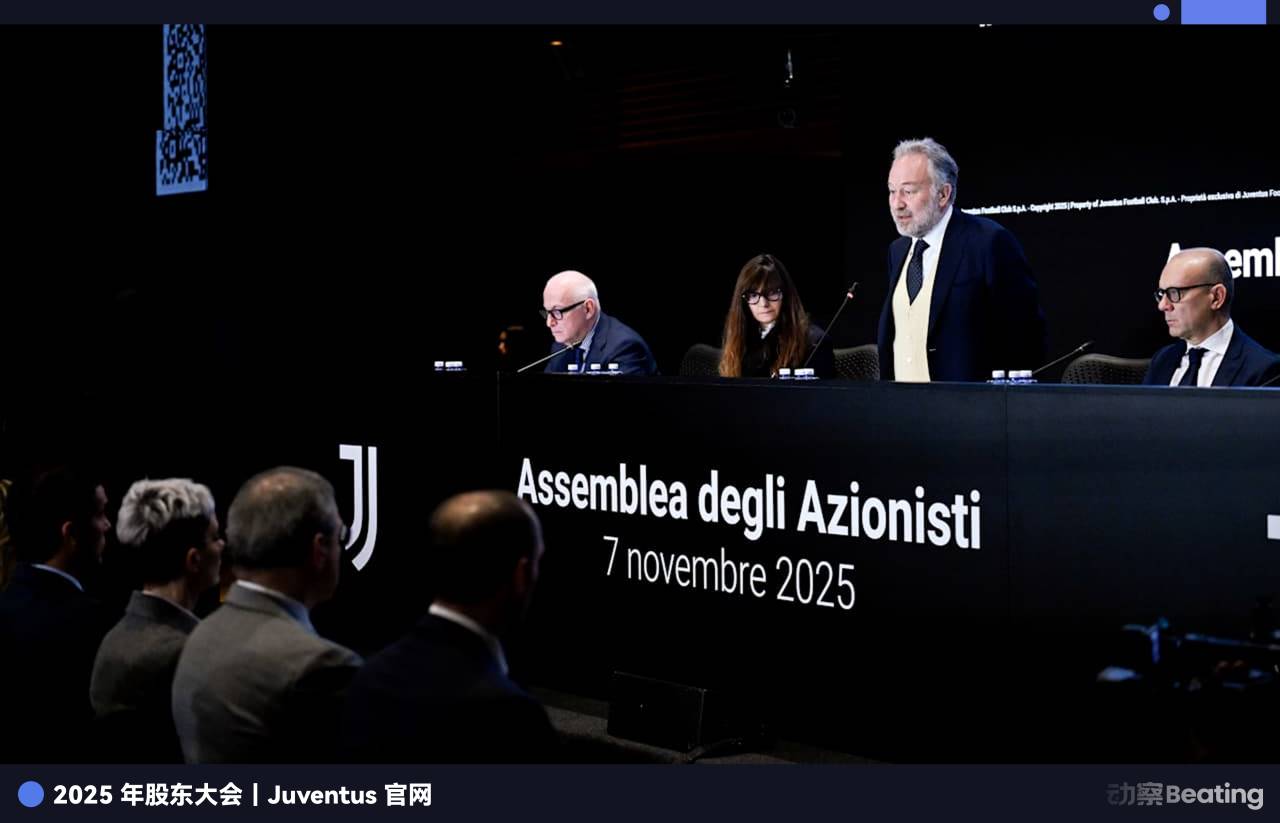
Tether nominated Francesco Garino as a board candidate. He is a well-known local doctor from Turin and a lifelong Juventus fan. Paolo tried to tell everyone: We are not barbarians; we are sons of Turin, bound by blood.

The shrewd Exor Group counterattacked with a trump card: Giorgio Chiellini. This legendary captain, who played for Juventus for 17 years and won 9 Serie A titles, was pushed to the forefront.

This was Exor's strategy: use a club legend to fight capital, use sentiment to fight money.

In the end, Tether barely won a seat on the board. But in a board where the Agnelli family holds absolute control, one seat means you can listen, you can suggest, but you cannot touch the steering wheel.

John Elkann, the fifth-generation leader of the Agnelli family, concluded: "We are proud to have been shareholders of Juventus for over a century. We have no intention of selling our shares, but we are open to constructive ideas from all stakeholders."

To put it more bluntly: This is not just business; this is our family's territory. You can come in for tea, but don't expect to be the master here.

The Arrogance and Prejudice of Old Money

John's words carry the weight of 102 years of family pride and arrogance.

On July 24, 1923, 31-year-old Edoardo Agnelli took up the mantle of President of Juventus. From that day on, the fate of the Agnelli family and Juventus were tightly bound together. The family's Fiat auto empire was, for most of the 20th century, Italy's largest private enterprise, employing countless workers and supporting millions of families.

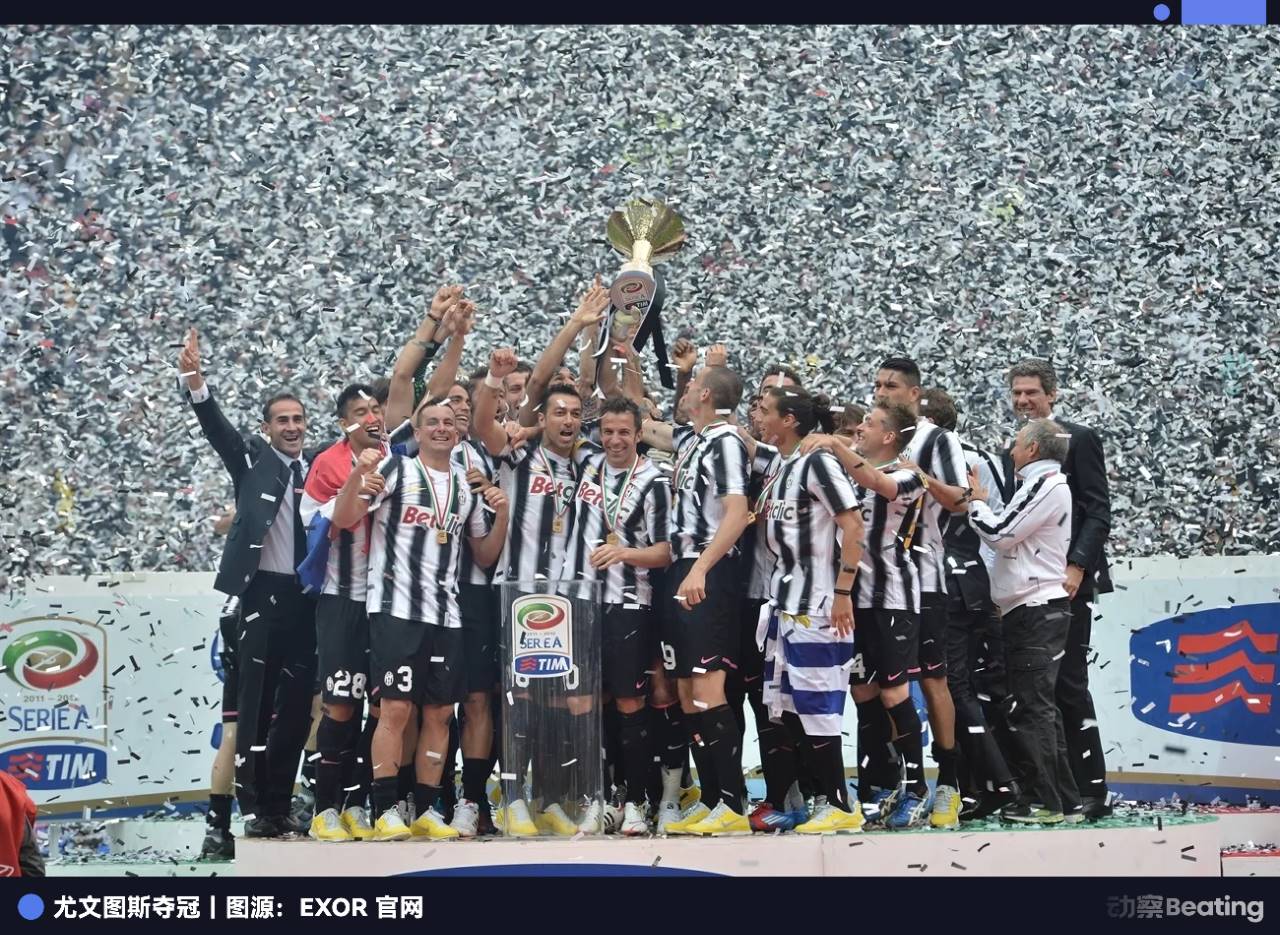
And Juventus is another symbol of this family's power. With 36 Serie A titles, 2 Champions League titles, and 14 Coppa Italia titles, Juventus is the most successful club in Italian football history and a source of national pride for Italians.
However, the history of the Agnelli family's inheritance is filled with bloodshed and fractures.

In 2000, Agnelli family heir Edoardo Agnelli jumped from a viaduct, ending his battle with depression. Three years later, family patriarch Gianni Agnelli passed away. The baton of power had to be passed to his grandson, John Elkann.

John was born in New York and grew up in Paris. He speaks English, French, and Italian, but his Italian has a noticeable foreign accent. In the eyes of many old-school Italians, he is just a proxy who gained power through bloodline.

It took John a full 20 years to prove himself worthy of the Agnelli name.

He restructured Fiat, swallowed Chrysler, and created Stellantis, the world's fourth-largest automotive group; he took Ferrari to the capital markets, doubling its market value; he bought The Economist, extending the Agnelli family's influence from Italy to the globe.

Unfortunately, the cracks within the family are becoming public. In September 2025, John Elkann's mother, Margherita, submitted a "will" from 1998 to the Turin court, claiming that the inheritance left to her by her father, Gianni, had been misappropriated by John. Mother and son faced off in court, a huge scandal in Italy, where family honor is highly valued.
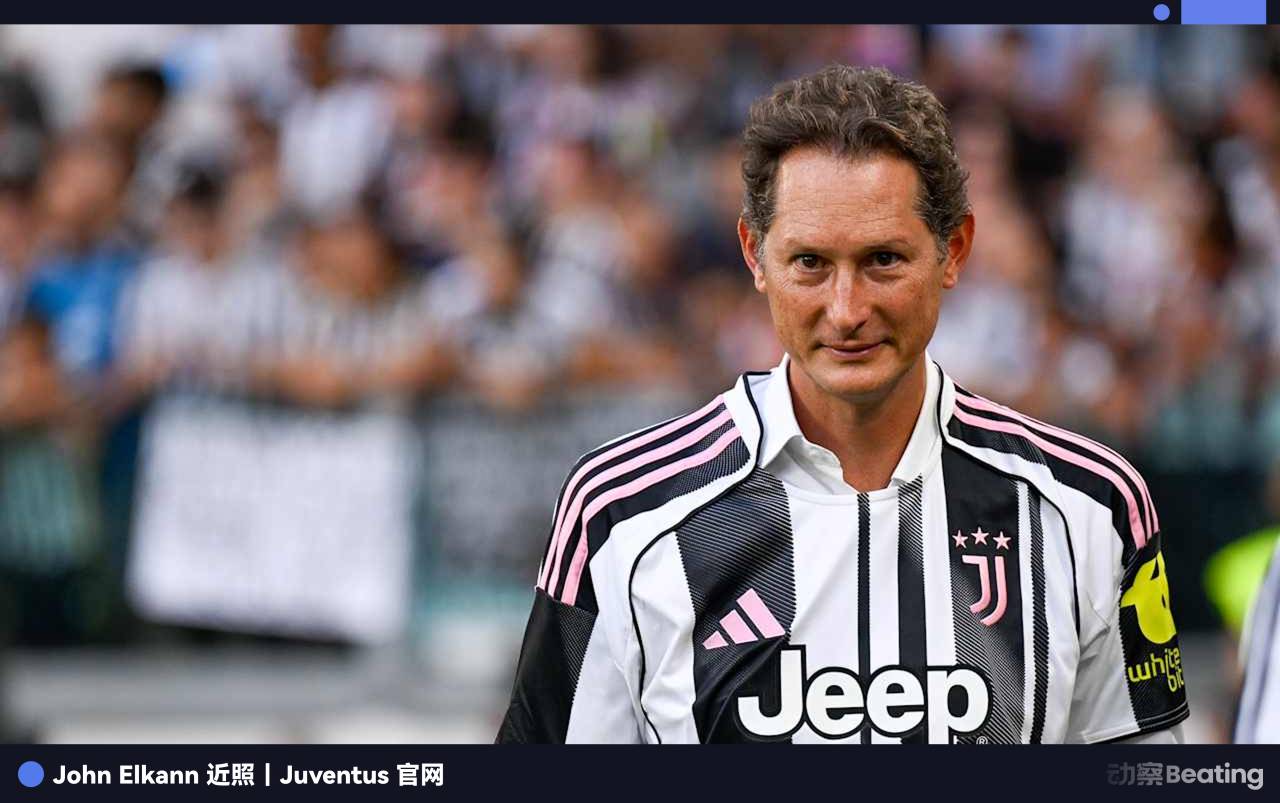
In this context, selling Juventus would be equivalent to admitting the end of the family's glory, admitting that he is inferior to his ancestors.

To keep Juventus, John is frantically selling off other family assets.

Just days before Tether made its offer, the Exor Group was busy selling its GEDI media group to the Greek media group Antenna Group for 140 million euros. GEDI owns two major media outlets, La Repubblica and La Stampa, whose status in Italy is no less than that of Juventus in Italian football.

The news caused an uproar in Italy. The Italian government even invoked the "Golden Power" law, requiring Exor to protect jobs and editorial independence during the sale.

Newspapers losing money are liabilities and must be cut; Juventus losing money is a totem and must be kept.

This choice exposes the plight of the old aristocracy. They can no longer maintain their former empire and can only strive to retain the one that best represents the family's glory.

Therefore, despite Paolo's offer carrying a high 20% market premium, John Elkann still sees it as a threat.

In the value system of European old money, the quality of wealth has a hierarchy.

Every penny of the Agnelli family is steeped in the smell of engine oil. It is an industrial monument forged from steel, rubber, the roar of engines, and the sweat of millions of workers. This kind of wealth is visible and tangible; it represents order, control, and a social contract spanning a century.

Paolo's money, however, comes from cryptocurrency, from an industry that has grown wildly and controversially over the past decade.

Precedents are still fresh.

Just a few years ago, the blockchain company DigitalBit signed sponsorship deals worth 85 million euros with two Serie A giants, Inter Milan and Roma. But DigitalBits defaulted on its payments due to a broken capital chain, forcing both clubs to terminate the contracts, leaving a mess behind.

Not to mention the chain of collapses in the cryptocurrency industry in 2022. Back then, Luna's logo was plastered on the Washington Nationals' stadium, and FTX's name still adorned the Miami Heat's arena. In the eyes of the Agnelli family, the cryptocurrency industry is full of speculation and bubbles.

In the Agnelli family's eyes, Paolo will always be an "outsider." Not because of his origins, but because of his money.

A Totem in Need of Saving

But the problem is, Juventus really needs money.

Today's Juventus is deeply mired in trouble, all stemming from July 10, 2018, when Juventus announced the signing of 33-year-old Cristiano Ronaldo. A 100 million euro transfer fee, a net annual salary of 30 million euros, for a four-year contract.
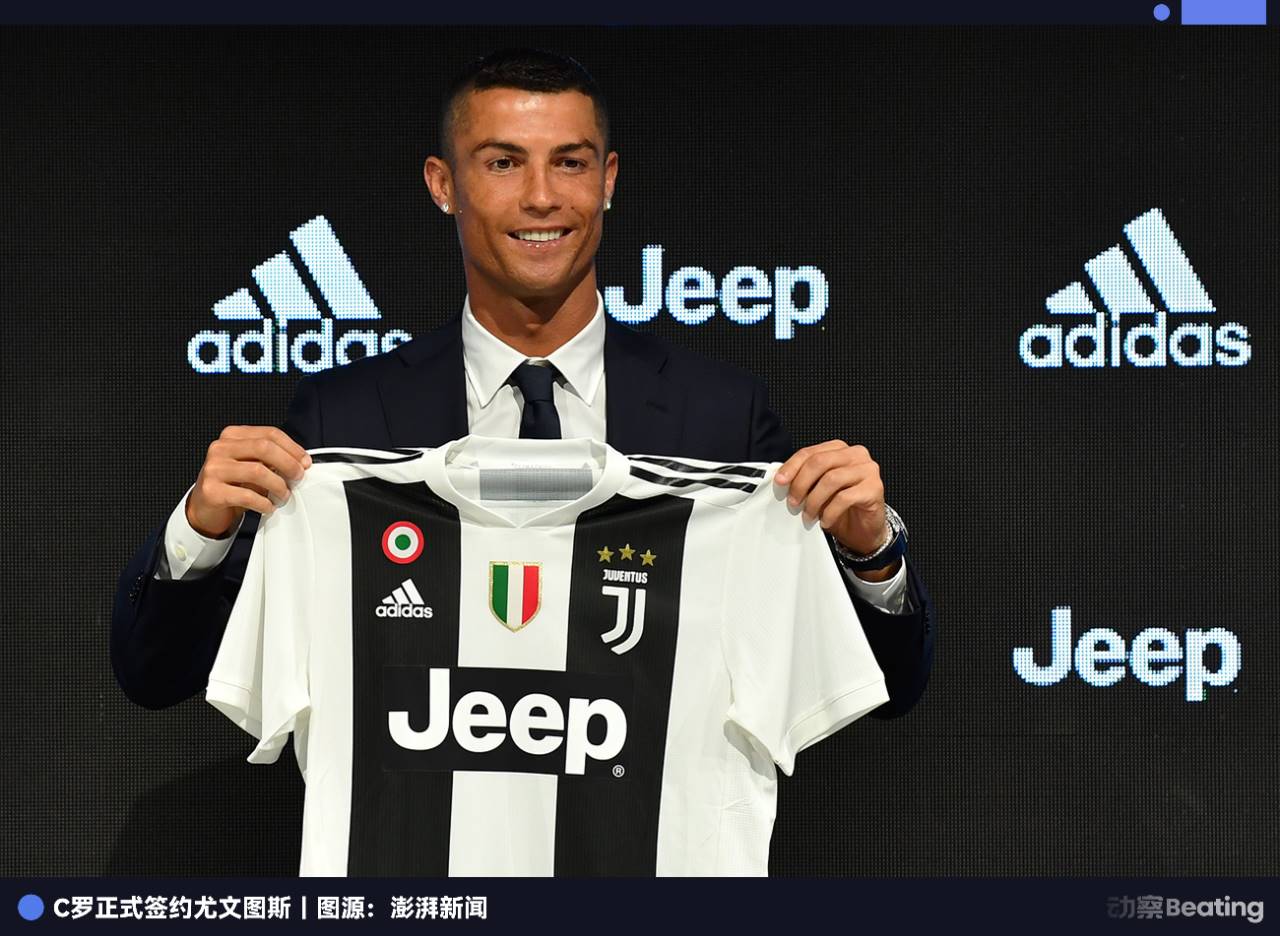
This was the largest transfer in Serie A history and the highest salary in Serie A history. Then-Juventus President Andrea Agnelli, the fourth-generation leader of the Agnelli family, said excitedly at the shareholders' meeting: "This is the most important signing in Juventus history. We will win the Champions League with Ronaldo."

The city of Turin was ecstatic. Fans flocked to the Juventus store to buy jerseys with Ronaldo's name. In just 24 hours after the signing, the club sold over 520,000 jerseys, setting a record in football history. Everyone believed Ronaldo would lead Juventus to the top of Europe.

But Juventus did not win the Champions League. In 2019, they were eliminated by Ajax; in 2020, by Lyon; in 2021, by Porto. In August 2021, Ronaldo suddenly left the team and moved to Manchester United. Juventus not only failed to recoup their investment but fell into deeper financial quagmire.

Accountants later calculated the total cost: including transfer fees, salaries, and taxes, signing Ronaldo cost a total of 340 million euros. In his three years at Juventus, he scored 101 goals, with each goal costing an average of 2.8 million euros.

For a club of Juventus's size, the Champions League is not just an honor; it's a cash flow switch: broadcasting revenue, matchday income, bonus clauses in sponsorship deals—many are tied to the Champions League. Once they lose the Champions League, the books immediately thin, and the team is forced to use accounting methods to fill the gap.

Juventus sold Miralem Pjanić to Spanish giants Barcelona for 60 million euros while buying Arthur from Barcelona for 72 million euros. Both transactions were officially claimed to be unrelated, but everyone knew it was a carefully designed swap. Juventus only needed to pay a 12 million euro cash difference but could record tens of millions of euros in "capital gains" on the books.

This kind of accounting is not uncommon in football, but Juventus overdid it.

The prosecutor's investigation found that over three years, the club had inflated profits by 282 million euros through 42 similar suspicious transactions. After the scandal was exposed, the entire board, including President Andrea Agnelli, resigned collectively.

What followed were punishments for the team: deducted league points, exclusion from the Champions League, long-term bans for executives. This led to an even more terrible vicious cycle: poor team performance led to sharp revenue declines, which led to an inability to sign new talent, which led to worse performance.

Starting with a loss of 39.6 million euros in the 2018-19 season, Juventus's financial situation continued to deteriorate. By the 2022-23 season, the loss had reached 123.7 million euros. From the peak of nine consecutive Serie A titles to years of huge losses, in November 2025, the Exor Group had to inject nearly 100 million euros into Juventus again.

This was the third time in two years that the Exor Group had to bail out Juventus. The Exor Group also owns assets such as Ferrari, the Stellantis automotive group, and The Economist magazine. Juventus's continuous losses are eroding the group's overall profits. In the 2024 financial report, the Exor Group's net profit fell by 12%. Analysts pointed out that Juventus has become a drag on the group's performance.

John Elkann is in a dilemma, unsure how to decide.

And Paolo, with his $13 billion in annual profits, is knocking on the door. He has money, he has patience, he has love for Juventus.

This should have been a perfect deal, if not for the mountain called "class" standing in between.

The Dream Under the Olive Trees

Paolo's knocking received no response, so he made his choice.

On December 12, Paolo bypassed all private roundtable discussions and made the offer public directly through the Italian Stock Exchange. Paolo backed John Elkann into a corner, forcing him to answer this question in front of all of Italy: Do you want money, or do you want family face?

The news caused Juventus's stock price to soar, as the market expressed its desire for "new money." Both La Gazzetta dello Sport and Tuttosport reported it on their front pages. The entire Apennine Peninsula is waiting for the Agnelli family's decision.

The Agnelli family's refusal was expected, yet unreasonable.

Expected, because the Agnelli family's pride does not allow them to bow to new money. Unreasonable, because given their current financial situation, rejecting such a huge sum requires an almost tragic stubbornness.

For Paolo, he wants to use the money he earned to save the idol of his childhood. Companies ultimately have a nationality. Although Tether is a digitally nomadic enterprise with global operations, its CEO is Italian, and its heart is in Italy.

From the Agnelli family's perspective, what they are guarding is not just a club but 102 years of family glory and a symbol of Italy's industrial era.

This is no longer a game of business logic; it is a collision of two beliefs.

In John Elkann's eyes, that bronze door must remain closed because outside stands a speculator trying to whitewash his identity; but in Paolo's eyes, that door should be opened because outside stands a child of Italian blood who can save this team.

However, the times are not on the side of the old aristocracy.
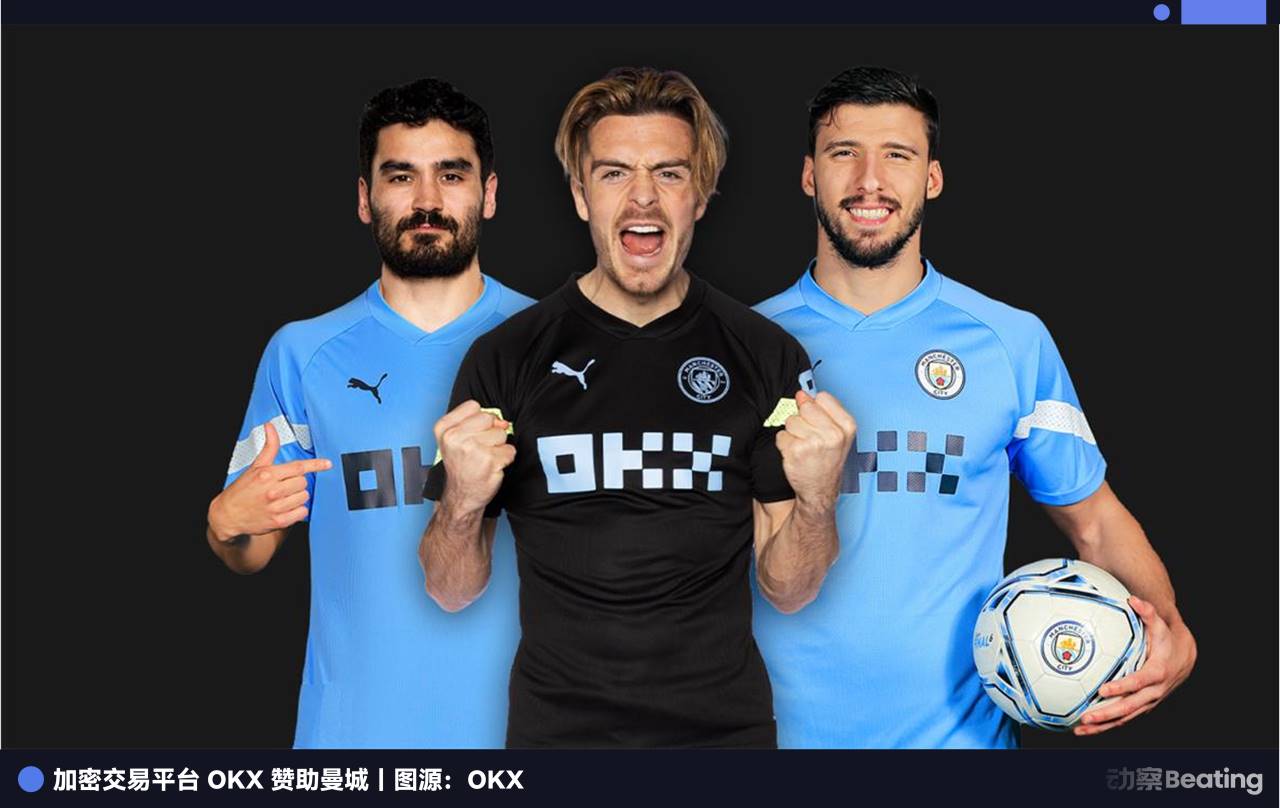
In the same week that Exor rejected Tether, Premier League champions Manchester City announced a renewal of their partnership with the crypto trading platform OKX, with the chest advertisement worth over 100 million. European giants like Paris Saint-Germain, Barcelona, and AC Milan have already established deep cooperation with crypto companies. In Asia, South Korea's K League and Japan's J League have also begun accepting cryptocurrency sponsorships.

New money entering traditional industries controlled by old money is no longer a question of "if" but "in what way." Football is just one battlefield. In the art auction field, Sotheby's and Christie's have begun accepting cryptocurrency payments; in real estate, luxury home transactions in cities like Dubai and Miami can already be completed with Bitcoin. Similar conflicts are playing out all over the world.

Paolo's charge, whether successful or not, is testing the boundaries of this era: When a generation creates huge wealth in new ways, do they deserve a seat at the old world's table controlled by old money?

At the end of the story, the picture freezes on that olive grove in the suburbs.

Thirty-two years ago, a dark-haired boy sat there, accompanied by the sounds of his grandparents working, cheering at the black-and-white figures on the TV. He would never have imagined that one day he would stand outside that door, waiting for an answer.

That tightly closed bronze door remains cold and majestic. Behind it lies a century of Agnelli family glory and the last afterglow of the old industrial era.

It has not opened for new money now, but this time, the person knocking will not back down. Because he knows that pushing this door open is only a matter of time.


Twitter:https://twitter.com/BitpushNewsCN

Bitpush TG Discussion Group:https://t.me/BitPushCommunity

Bitpush TG Subscription: https://t.me/bitpush

Original link:https://www.bitpush.news/articles/7595816

Perguntas relacionadas

QWhat is the main reason behind the Agnelli family's resistance to Tether's acquisition of Juventus?

AThe Agnelli family views Juventus as a century-old symbol of their industrial legacy and family honor, and they are reluctant to sell to a cryptocurrency company, which they perceive as 'new money' with a controversial and speculative background, threatening their traditional values and control.

QHow did Tether initially attempt to increase its stake in Juventus before the public takeover bid?

ATether first acquired 8.2% of Juventus shares in February 2025, becoming the second-largest shareholder. They then increased their stake to 10.7% through open market purchases from April to October 2025, which allowed them to nominate a board member under Italian law.

QWhat financial challenges is Juventus currently facing that make Tether's offer attractive?

AJuventus is struggling with massive financial losses, reaching €123.7 million in the 2022-23 season, due to failed investments like the signing of Cristiano Ronaldo, accounting scandals, penalties from authorities, and exclusion from Champions League revenue, forcing Exor to repeatedly inject capital.

QWho is Paolo Ardoino and what is his personal connection to Juventus?

APaolo Ardoino is the CEO of Tether, born in Italy, and a lifelong Juventus fan. He grew up idolizing the club and sees the acquisition as a way to save his childhood team, reflecting a personal passion beyond business interests.

QWhat broader trend does the Tether-Juventus situation represent in global business?

AIt symbolizes the clash between 'old money' from traditional industries and 'new money' from disruptive sectors like cryptocurrency, testing whether wealth generated through new avenues can gain acceptance in established, legacy-controlled industries such as sports, real estate, and art.

Leituras Relacionadas

Not Speculation but a Necessity: The 4 Unique Values of Prediction Markets

Polymarket's recent $4 billion funding round and soaring valuation of $15 billion highlight the explosive growth of prediction markets, with trading volume reaching $25.7 billion in March 2026—a 10.6% monthly increase. This analysis argues that prediction markets serve critical non-speculative functions, positioning them as essential tools rather than mere gambling platforms. Prediction markets offer four unique values: entertainment consumption, insurance-like protection, risk hedging, and truth discovery. Firstly, they stimulate economic activity by engaging users in event-based betting, similar to the broader sports industry. Secondly, they act as a form of decentralized insurance, allowing users to hedge against specific, well-defined risks (e.g., weather events) transparently and without traditional overhead costs. Thirdly, institutions and individuals use these markets to hedge against geopolitical and commodity price risks, as demonstrated during the U.S.-Iran conflict and the launch of 24/7 commodity markets on platforms like Kalshi. Finally, prediction markets counter media bias by aggregating crowd-sourced information, often achieving 30% higher accuracy than surveys due to users' vested interests. Experts like Bitwise’s Jeff Park and SIG’s Jeff Yass emphasize the markets' role in risk transfer and financial innovation. As these platforms evolve, they are poised to become trillion-dollar markets, offering more reliable, decentralized mechanisms for information pricing and risk management.

marsbitHá 2h

Not Speculation but a Necessity: The 4 Unique Values of Prediction Markets

marsbitHá 2h

Trading

Spot
Futuros

Artigos em Destaque

O que é $S$

Compreender o SPERO: Uma Visão Abrangente Introdução ao SPERO À medida que o panorama da inovação continua a evoluir, o surgimento de tecnologias web3 e projetos de criptomoeda desempenha um papel fundamental na formação do futuro digital. Um projeto que tem atraído atenção neste campo dinâmico é o SPERO, denotado como SPERO,$$s$. Este artigo tem como objetivo reunir e apresentar informações detalhadas sobre o SPERO, para ajudar entusiastas e investidores a compreender as suas bases, objetivos e inovações nos domínios web3 e cripto. O que é o SPERO,$$s$? O SPERO,$$s$ é um projeto único dentro do espaço cripto que procura aproveitar os princípios da descentralização e da tecnologia blockchain para criar um ecossistema que promove o envolvimento, a utilidade e a inclusão financeira. O projeto é concebido para facilitar interações peer-to-peer de novas maneiras, proporcionando aos utilizadores soluções e serviços financeiros inovadores. No seu núcleo, o SPERO,$$s$ visa capacitar indivíduos ao fornecer ferramentas e plataformas que melhoram a experiência do utilizador no espaço das criptomoedas. Isso inclui a possibilidade de métodos de transação mais flexíveis, a promoção de iniciativas impulsionadas pela comunidade e a criação de caminhos para oportunidades financeiras através de aplicações descentralizadas (dApps). A visão subjacente do SPERO,$$s$ gira em torno da inclusão, visando fechar lacunas dentro das finanças tradicionais enquanto aproveita os benefícios da tecnologia blockchain. Quem é o Criador do SPERO,$$s$? A identidade do criador do SPERO,$$s$ permanece algo obscura, uma vez que existem recursos publicamente disponíveis limitados que fornecem informações detalhadas sobre o(s) seu(s) fundador(es). Esta falta de transparência pode resultar do compromisso do projeto com a descentralização—uma ética que muitos projetos web3 partilham, priorizando contribuições coletivas em vez de reconhecimento individual. Ao centrar as discussões em torno da comunidade e dos seus objetivos coletivos, o SPERO,$$s$ incorpora a essência do empoderamento sem destacar indivíduos específicos. Assim, compreender a ética e a missão do SPERO é mais importante do que identificar um criador singular. Quem são os Investidores do SPERO,$$s$? O SPERO,$$s$ é apoiado por uma diversidade de investidores que vão desde capitalistas de risco a investidores-anjo dedicados a promover a inovação no setor cripto. O foco desses investidores geralmente alinha-se com a missão do SPERO—priorizando projetos que prometem avanço tecnológico social, inclusão financeira e governança descentralizada. Essas fundações de investidores estão tipicamente interessadas em projetos que não apenas oferecem produtos inovadores, mas que também contribuem positivamente para a comunidade blockchain e os seus ecossistemas. O apoio desses investidores reforça o SPERO,$$s$ como um concorrente notável no domínio em rápida evolução dos projetos cripto. Como Funciona o SPERO,$$s$? O SPERO,$$s$ emprega uma estrutura multifacetada que o distingue de projetos de criptomoeda convencionais. Aqui estão algumas das características-chave que sublinham a sua singularidade e inovação: Governança Descentralizada: O SPERO,$$s$ integra modelos de governança descentralizada, capacitando os utilizadores a participar ativamente nos processos de tomada de decisão sobre o futuro do projeto. Esta abordagem promove um sentido de propriedade e responsabilidade entre os membros da comunidade. Utilidade do Token: O SPERO,$$s$ utiliza o seu próprio token de criptomoeda, concebido para servir várias funções dentro do ecossistema. Esses tokens permitem transações, recompensas e a facilitação de serviços oferecidos na plataforma, melhorando o envolvimento e a utilidade gerais. Arquitetura em Camadas: A arquitetura técnica do SPERO,$$s$ suporta modularidade e escalabilidade, permitindo a integração contínua de funcionalidades e aplicações adicionais à medida que o projeto evolui. Esta adaptabilidade é fundamental para manter a relevância no panorama cripto em constante mudança. Envolvimento da Comunidade: O projeto enfatiza iniciativas impulsionadas pela comunidade, empregando mecanismos que incentivam a colaboração e o feedback. Ao nutrir uma comunidade forte, o SPERO,$$s$ pode melhor atender às necessidades dos utilizadores e adaptar-se às tendências do mercado. Foco na Inclusão: Ao oferecer taxas de transação baixas e interfaces amigáveis, o SPERO,$$s$ visa atrair uma base de utilizadores diversificada, incluindo indivíduos que anteriormente podem não ter participado no espaço cripto. Este compromisso com a inclusão alinha-se com a sua missão abrangente de empoderamento através da acessibilidade. Cronologia do SPERO,$$s$ Compreender a história de um projeto fornece insights cruciais sobre a sua trajetória de desenvolvimento e marcos. Abaixo está uma cronologia sugerida que mapeia eventos significativos na evolução do SPERO,$$s$: Fase de Conceituação e Ideação: As ideias iniciais que formam a base do SPERO,$$s$ foram concebidas, alinhando-se de perto com os princípios de descentralização e foco na comunidade dentro da indústria blockchain. Lançamento do Whitepaper do Projeto: Após a fase conceitual, um whitepaper abrangente detalhando a visão, os objetivos e a infraestrutura tecnológica do SPERO,$$s$ foi lançado para atrair o interesse e o feedback da comunidade. Construção da Comunidade e Primeiros Envolvimentos: Esforços ativos de divulgação foram feitos para construir uma comunidade de primeiros adotantes e investidores potenciais, facilitando discussões em torno dos objetivos do projeto e angariando apoio. Evento de Geração de Tokens: O SPERO,$$s$ realizou um evento de geração de tokens (TGE) para distribuir os seus tokens nativos a apoiantes iniciais e estabelecer liquidez inicial dentro do ecossistema. Lançamento da dApp Inicial: A primeira aplicação descentralizada (dApp) associada ao SPERO,$$s$ foi lançada, permitindo que os utilizadores interagissem com as funcionalidades principais da plataforma. Desenvolvimento Contínuo e Parcerias: Atualizações e melhorias contínuas nas ofertas do projeto, incluindo parcerias estratégicas com outros players no espaço blockchain, moldaram o SPERO,$$s$ em um jogador competitivo e em evolução no mercado cripto. Conclusão O SPERO,$$s$ é um testemunho do potencial do web3 e das criptomoedas para revolucionar os sistemas financeiros e capacitar indivíduos. Com um compromisso com a governança descentralizada, o envolvimento da comunidade e funcionalidades inovadoras, abre caminho para um panorama financeiro mais inclusivo. Como em qualquer investimento no espaço cripto em rápida evolução, potenciais investidores e utilizadores são incentivados a pesquisar minuciosamente e a envolver-se de forma ponderada com os desenvolvimentos em curso dentro do SPERO,$$s$. O projeto demonstra o espírito inovador da indústria cripto, convidando a uma exploração mais aprofundada das suas inúmeras possibilidades. Embora a jornada do SPERO,$$s$ ainda esteja a desenrolar-se, os seus princípios fundamentais podem, de facto, influenciar o futuro de como interagimos com a tecnologia, as finanças e uns com os outros em ecossistemas digitais interconectados.

69 Visualizações TotaisPublicado em {updateTime}Atualizado em 2024.12.17

O que é $S$

O que é AGENT S

Agent S: O Futuro da Interação Autónoma no Web3 Introdução No panorama em constante evolução do Web3 e das criptomoedas, as inovações estão constantemente a redefinir a forma como os indivíduos interagem com plataformas digitais. Um projeto pioneiro, o Agent S, promete revolucionar a interação humano-computador através do seu framework aberto e agente. Ao abrir caminho para interações autónomas, o Agent S visa simplificar tarefas complexas, oferecendo aplicações transformadoras em inteligência artificial (IA). Esta exploração detalhada irá aprofundar-se nas complexidades do projeto, nas suas características únicas e nas implicações para o domínio das criptomoedas. O que é o Agent S? O Agent S é um framework aberto e agente, especificamente concebido para abordar três desafios fundamentais na automação de tarefas computacionais: Aquisição de Conhecimento Específico de Domínio: O framework aprende inteligentemente a partir de várias fontes de conhecimento externas e experiências internas. Esta abordagem dupla capacita-o a construir um rico repositório de conhecimento específico de domínio, melhorando o seu desempenho na execução de tarefas. Planeamento ao Longo de Longos Horizontes de Tarefas: O Agent S emprega planeamento hierárquico aumentado por experiência, uma abordagem estratégica que facilita a decomposição e execução eficientes de tarefas intrincadas. Esta característica melhora significativamente a sua capacidade de gerir múltiplas subtarefas de forma eficiente e eficaz. Gestão de Interfaces Dinâmicas e Não Uniformes: O projeto introduz a Interface Agente-Computador (ACI), uma solução inovadora que melhora a interação entre agentes e utilizadores. Utilizando Modelos de Linguagem Multimodais de Grande Escala (MLLMs), o Agent S pode navegar e manipular diversas interfaces gráficas de utilizador de forma fluida. Através destas características pioneiras, o Agent S fornece um framework robusto que aborda as complexidades envolvidas na automação da interação humana com máquinas, preparando o terreno para uma infinidade de aplicações em IA e além. Quem é o Criador do Agent S? Embora o conceito de Agent S seja fundamentalmente inovador, informações específicas sobre o seu criador permanecem elusivas. O criador é atualmente desconhecido, o que destaca ou o estágio nascente do projeto ou a escolha estratégica de manter os membros fundadores em anonimato. Independentemente da anonimidade, o foco permanece nas capacidades e no potencial do framework. Quem são os Investidores do Agent S? Como o Agent S é relativamente novo no ecossistema criptográfico, informações detalhadas sobre os seus investidores e financiadores não estão explicitamente documentadas. A falta de informações disponíveis publicamente sobre as fundações de investimento ou organizações que apoiam o projeto levanta questões sobre a sua estrutura de financiamento e roteiro de desenvolvimento. Compreender o apoio é crucial para avaliar a sustentabilidade do projeto e o seu impacto potencial no mercado. Como Funciona o Agent S? No núcleo do Agent S reside uma tecnologia de ponta que lhe permite funcionar eficazmente em diversos ambientes. O seu modelo operacional é construído em torno de várias características-chave: Interação Humano-Computador Semelhante: O framework oferece planeamento avançado em IA, esforçando-se para tornar as interações com computadores mais intuitivas. Ao imitar o comportamento humano na execução de tarefas, promete elevar as experiências dos utilizadores. Memória Narrativa: Utilizada para aproveitar experiências de alto nível, o Agent S utiliza memória narrativa para acompanhar os históricos de tarefas, melhorando assim os seus processos de tomada de decisão. Memória Episódica: Esta característica fornece aos utilizadores orientações passo a passo, permitindo que o framework ofereça suporte contextual à medida que as tarefas se desenrolam. Suporte para OpenACI: Com a capacidade de funcionar localmente, o Agent S permite que os utilizadores mantenham o controlo sobre as suas interações e fluxos de trabalho, alinhando-se com a ética descentralizada do Web3. Fácil Integração com APIs Externas: A sua versatilidade e compatibilidade com várias plataformas de IA garantem que o Agent S possa integrar-se perfeitamente em ecossistemas tecnológicos existentes, tornando-o uma escolha apelativa para desenvolvedores e organizações. Estas funcionalidades contribuem coletivamente para a posição única do Agent S no espaço cripto, à medida que automatiza tarefas complexas e em múltiplos passos com mínima intervenção humana. À medida que o projeto evolui, as suas potenciais aplicações no Web3 podem redefinir a forma como as interações digitais se desenrolam. Cronologia do Agent S O desenvolvimento e os marcos do Agent S podem ser encapsulados numa cronologia que destaca os seus eventos significativos: 27 de Setembro de 2024: O conceito de Agent S foi lançado num artigo de pesquisa abrangente intitulado “Um Framework Agente Aberto que Usa Computadores como um Humano”, mostrando a base para o projeto. 10 de Outubro de 2024: O artigo de pesquisa foi disponibilizado publicamente no arXiv, oferecendo uma exploração aprofundada do framework e da sua avaliação de desempenho com base no benchmark OSWorld. 12 de Outubro de 2024: Uma apresentação em vídeo foi lançada, proporcionando uma visão visual das capacidades e características do Agent S, envolvendo ainda mais potenciais utilizadores e investidores. Estes marcos na cronologia não apenas ilustram o progresso do Agent S, mas também indicam o seu compromisso com a transparência e o envolvimento da comunidade. Pontos-Chave Sobre o Agent S À medida que o framework Agent S continua a evoluir, várias características-chave destacam-se, sublinhando a sua natureza inovadora e potencial: Framework Inovador: Concebido para proporcionar um uso intuitivo de computadores semelhante à interação humana, o Agent S traz uma abordagem nova à automação de tarefas. Interação Autónoma: A capacidade de interagir autonomamente com computadores através de GUI significa um avanço em direção a soluções computacionais mais inteligentes e eficientes. Automação de Tarefas Complexas: Com a sua metodologia robusta, pode automatizar tarefas complexas e em múltiplos passos, tornando os processos mais rápidos e menos propensos a erros. Melhoria Contínua: Os mecanismos de aprendizagem permitem que o Agent S melhore a partir de experiências passadas, aprimorando continuamente o seu desempenho e eficácia. Versatilidade: A sua adaptabilidade em diferentes ambientes operacionais, como OSWorld e WindowsAgentArena, garante que pode servir uma ampla gama de aplicações. À medida que o Agent S se posiciona no panorama do Web3 e das criptomoedas, o seu potencial para melhorar as capacidades de interação e automatizar processos significa um avanço significativo nas tecnologias de IA. Através do seu framework inovador, o Agent S exemplifica o futuro das interações digitais, prometendo uma experiência mais fluida e eficiente para os utilizadores em diversas indústrias. Conclusão O Agent S representa um ousado avanço na união da IA e do Web3, com a capacidade de redefinir a forma como interagimos com a tecnologia. Embora ainda esteja nas suas fases iniciais, as possibilidades para a sua aplicação são vastas e cativantes. Através do seu framework abrangente que aborda desafios críticos, o Agent S visa trazer interações autónomas para o primeiro plano da experiência digital. À medida que avançamos mais profundamente nos domínios das criptomoedas e da descentralização, projetos como o Agent S desempenharão, sem dúvida, um papel crucial na formação do futuro da tecnologia e da colaboração humano-computador.

525 Visualizações TotaisPublicado em {updateTime}Atualizado em 2025.01.14

O que é AGENT S

Como comprar S

Bem-vindo à HTX.com!Tornámos a compra de Sonic (S) simples e conveniente.Segue o nosso guia passo a passo para iniciar a tua jornada no mundo das criptos.Passo 1: cria a tua conta HTXUtiliza o teu e-mail ou número de telefone para te inscreveres numa conta gratuita na HTX.Desfruta de um processo de inscrição sem complicações e desbloqueia todas as funcionalidades.Obter a minha contaPasso 2: vai para Comprar Cripto e escolhe o teu método de pagamentoCartão de crédito/débito: usa o teu visa ou mastercard para comprar Sonic (S) instantaneamente.Saldo: usa os fundos da tua conta HTX para transacionar sem problemas.Terceiros: adicionamos métodos de pagamento populares, como Google Pay e Apple Pay, para aumentar a conveniência.P2P: transaciona diretamente com outros utilizadores na HTX.Mercado de balcão (OTC): oferecemos serviços personalizados e taxas de câmbio competitivas para os traders.Passo 3: armazena teu Sonic (S)Depois de comprar o teu Sonic (S), armazena-o na tua conta HTX.Alternativamente, podes enviá-lo para outro lugar através de transferência blockchain ou usá-lo para transacionar outras criptomoedas.Passo 4: transaciona Sonic (S)Transaciona facilmente Sonic (S) no mercado à vista da HTX.Acede simplesmente à tua conta, seleciona o teu par de trading, executa as tuas transações e monitoriza em tempo real.Oferecemos uma experiência de fácil utilização tanto para principiantes como para traders experientes.

929 Visualizações TotaisPublicado em {updateTime}Atualizado em 2025.03.21

Como comprar S

Discussões

Bem-vindo à Comunidade HTX. Aqui, pode manter-se informado sobre os mais recentes desenvolvimentos da plataforma e obter acesso a análises profissionais de mercado. As opiniões dos utilizadores sobre o preço de S (S) são apresentadas abaixo.

活动图片