A year after President Donald Trump signed the GENIUS Act into law, regulators still have not completed its implementation. However, regulators have yet to implement it. Agencies were required to finalize implementing rulemakings no later than the 18th of July.
As a result, the OCC, Federal Reserve, FDIC, Treasury Department, and other agencies continue drafting key regulations. Those rules cover issuer reserves, capital requirements, liquidity, custody, risk management, and state-level regulatory designations.


Meanwhile, agencies continue gathering public feedback. Customer identification proposals remain open until the 21st of August. The FDIC will close its anti-money laundering consultation on the 4th of August.
Those consultations show regulators are still refining compliance standards. Still, agencies still plan to enforce the GENIUS Act by the 18th of January, 2027.
Until they complete the remaining rules, stablecoin issuers and financial institutions must prepare for a framework that still lacks several implementation details.
Key rules remain unfinished
That regulatory uncertainty continues because agencies have yet to finalize several core operating standards. Although federal agencies proposed rules throughout 2026, they failed to complete them by the 18th of July.
As a result, reserve eligibility, liquidity requirements, custody standards, and risk management frameworks remain under review. Meanwhile, issuers continue operating under statutory baselines and interim regulatory frameworks.
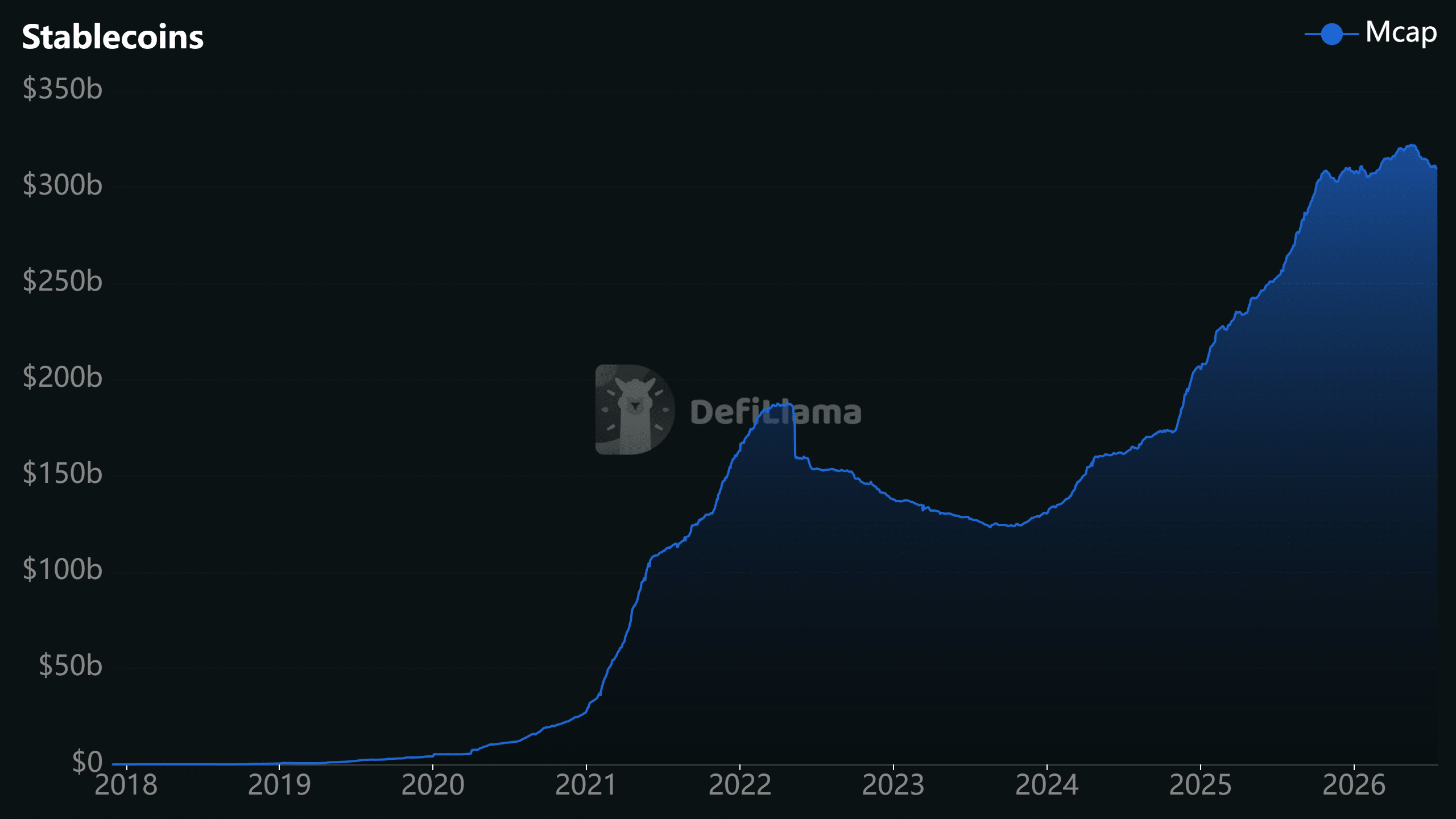
That approach has supported market activity, helping the stablecoin sector expand to roughly over $310 billion. Even so, unresolved liquidity and custody protocols still complicate capital planning, redemption processes, and operational resilience.
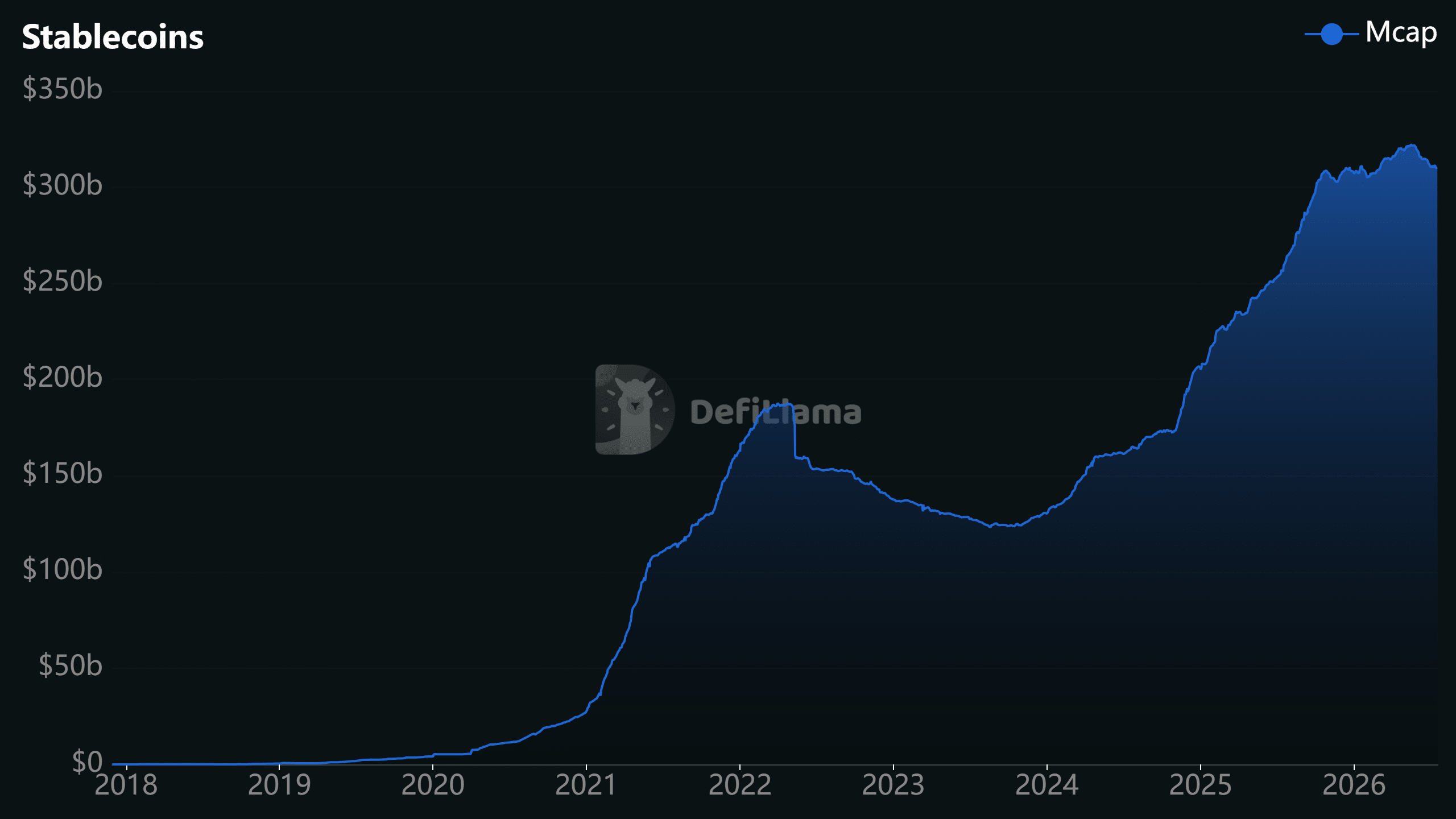
Therefore, until these regulatory standards are finalized, issuers like Circle and Paxos will be forced to navigate innovation against evolving compliance regulations. This is as the market waits for a fully defined federal regulatory framework.
Institutional adoption gains momentum
Banks are still assessing their options for stablecoin strategies as they wait for the regulatory body to issue its final rulemaking. Meanwhile, Congress is running out of time with less than six months until the GENIUS Act goes into effect on January 18th, 2027.
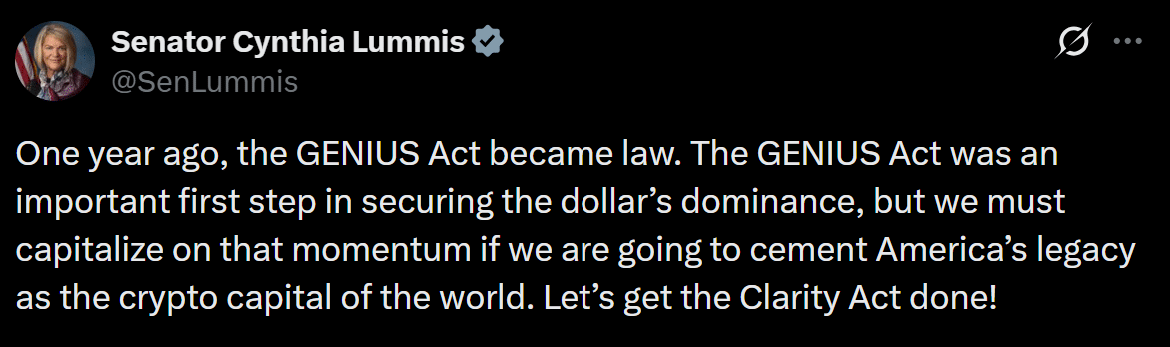
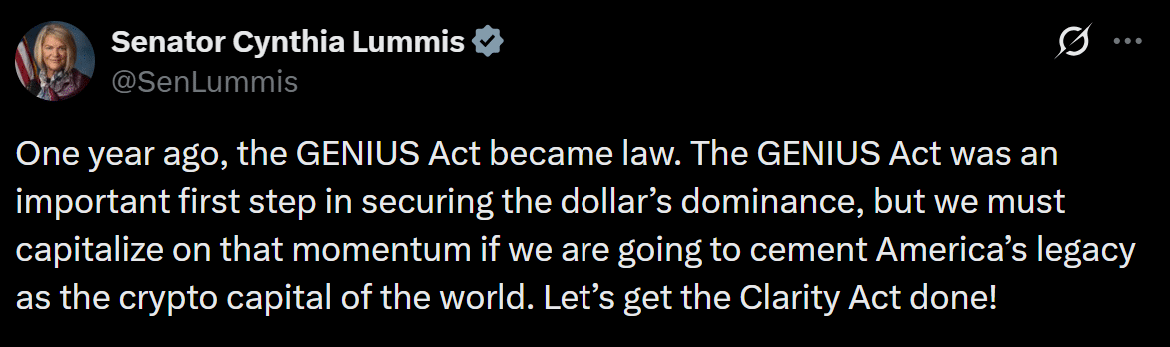
Senator Cynthia Lummis echoed that urgency, calling the GENIUS Act “an important first step.” She also urged her fellow lawmakers to support the CLARITY Act, which would further solidify U.S. leadership in the development of digital assets.
Even before regulators finalize the remaining rules, the GENIUS Act has already encouraged institutional participation. Since lawmakers enacted the framework, institutions such as BlackRock and JPMorgan have launched or filed stablecoin reserve funds.
Meanwhile, Visa introduced a platform serving 15,000 institutions, while the first bank-issued on-chain dollar entered the market. Completing the remaining rules will determine how quickly regulated stablecoins achieve broad institutional adoption in the United States.
Final Summary
- Stablecoins remain in regulatory limbo until agencies finalize the GENIUS Act’s remaining implementation rules.
- Stablecoins could gain broader institutional adoption as the GENIUS Act and CLARITY Act advance regulatory certainty.