Morningstar Valuates SpaceX at Only $780B, Less Than Half of IPO Target, 'Largest IPO Ever' Overpriced?

marsbitPublicado em 2026-06-03Última atualização em 2026-06-03

Resumo

Morningstar values SpaceX at $780 billion ahead of its IPO, far below the company's $1.75 trillion target. The research firm's DCF model values the core launch and Starlink businesses at $611 billion and assigns only a $170 billion probability-weighted valuation to the AI segment (including xAI). Analyst Nicolas Owens calls the company "severely overvalued," citing a near-100x price-to-sales ratio based on 2025 revenue. Despite the bearish long-term view, Morningstar acknowledges short-term price support from low float and potential rapid inclusion in the Nasdaq 100. The IPO is set for June 12, featuring an unusual tiered lock-up expiration that could create selling pressure over time.

Author: Claude, Deep Tide TechFlow

Deep Tide Guide:SpaceX's roadshow kicks off this week, but Morningstar has already poured cold water. The research firm values it at a fair value of $780 billion using a DCF model, only 45% of SpaceX's target valuation of $1.75 trillion, with the analyst bluntly stating "the company is severely overvalued." Morningstar values the core launch and Starlink businesses at $611 billion, with xAI-related AI business receiving only a $170 billion probability-weighted valuation. However, Morningstar also admits that with extremely low float and the Nasdaq 100's rapid inclusion mechanism, SpaceX's stock price may still rise in the short term.

SpaceX is about to welcome what could be the largest IPO ever, and one of Wall Street's most well-known independent research firms just threw a bucket of cold water on it.

According to a Reuters report on June 2, Morningstar, just before SpaceX's planned roadshow launch this week, initiated research coverage on the company for the first time, providing a fair value estimate of $780 billion. This is nearly a 50% discount to SpaceX's most recent secondary market valuation of $1.53 trillion on the Forge Global platform and only about 45% of its $1.75 trillion IPO target valuation.

Morningstar equity analyst Nicolas Owens's judgment was unequivocal: "We believe the company is severely overvalued, and investors will have the opportunity to buy at a more attractive price after the IPO."
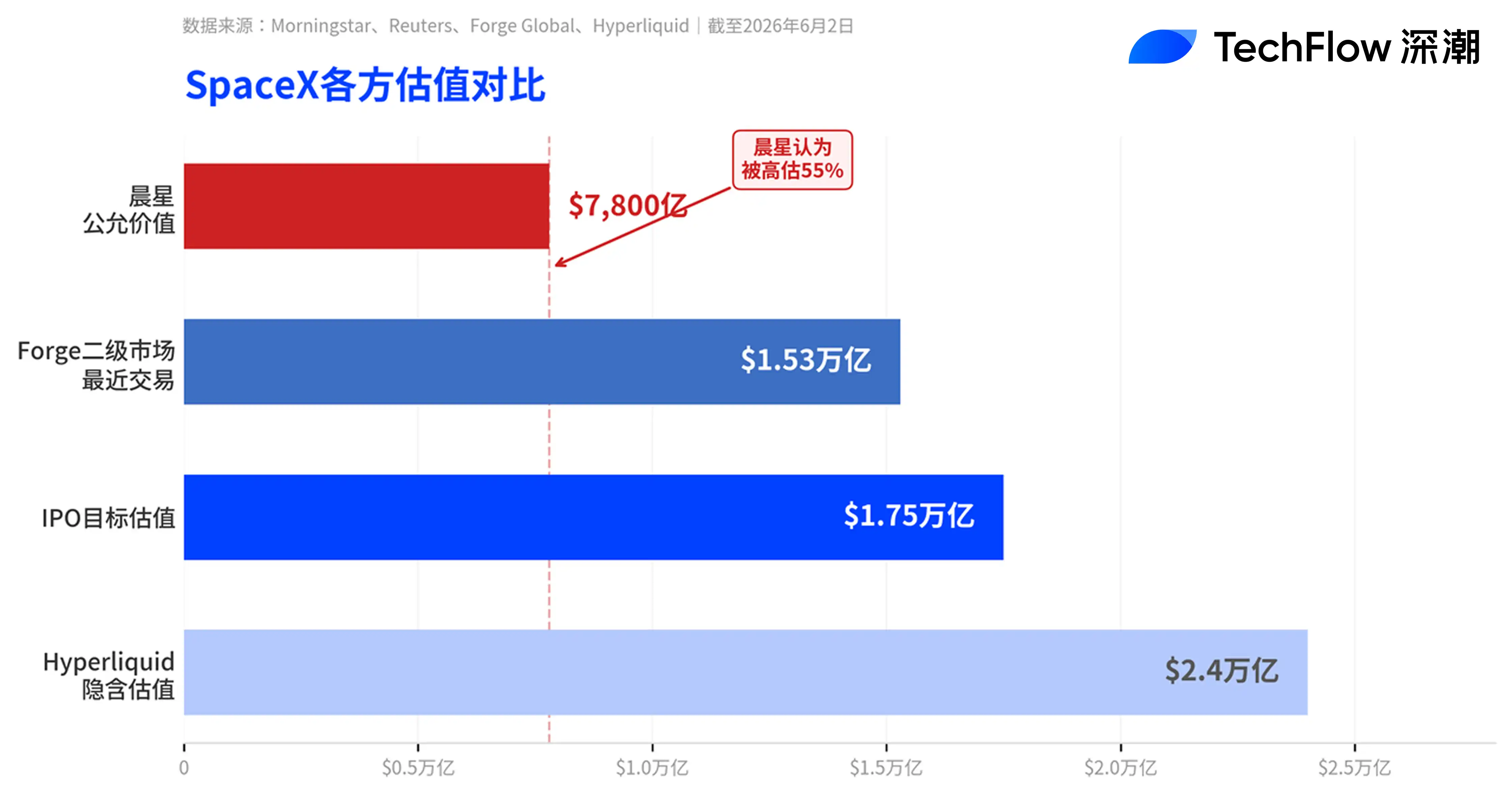
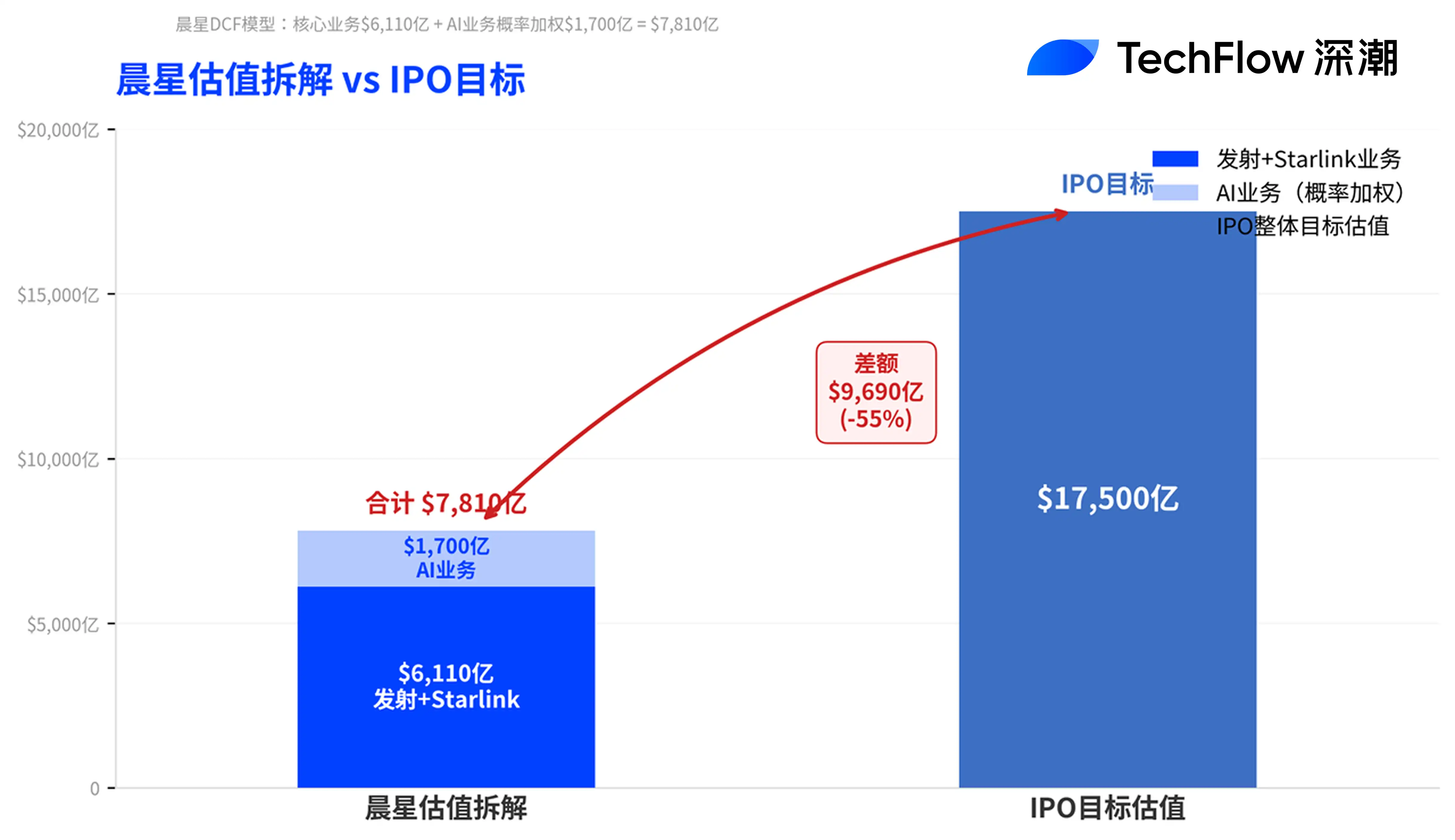
Where Does $780B Come From: Launch+Starlink Worth $611B, AI Worth Only $170B

Morningstar's valuation breakdown reveals the core of the disagreement.

Owens's DCF model values SpaceX's core launch business and Starlink satellite broadband business together at approximately $611 billion in enterprise value, with an additional probability-weighted valuation of about $170 billion for the AI business (including xAI and social media platform X). Morningstar gives SpaceX a "Narrow Moat" rating, citing its cost advantage in reusable rockets and Starlink's scale effects, but believes the recently acquired AI business drags down the overall rating.

Regarding the AI business specifically, Morningstar modeled three scenarios: the most optimistic "moonshot" scenario values it at $1.3 trillion but is assigned only a 7% probability; the most pessimistic "unviable" scenario would destroy over $81 billion in value and is assigned a 43% probability. Owens wrote: "We do not regard Grok as one of today's leading AI labs." He also warned that the future prospects of SpaceX's AI business rely on unproven technologies like orbital data centers.

Starlink's fundamentals are relatively solid. According to S-1 filing disclosures, Starlink's 2025 revenue grew 50% year-over-year to $11.3 billion, with operating profit exceeding $4.4 billion. The user base has surpassed 10 million, making it SpaceX's only profitable business segment currently. Yet, even with that, based on the $1.75 trillion valuation, SpaceX's estimated total 2025 revenue of around $18.7 billion implies a price-to-sales ratio nearing 100.

Musk's Retort from Afar: 'You shall see'

Faced with valuation doubts, Musk chose to respond with Tesla's history. He posted on platform X early Tuesday: "Tesla's IPO market cap was only 0.1% of its current value." When a user pressed him on how to defend a valuation with over 50x price-to-sales, Musk replied with just three words: "You shall see."

But the validity of the analogy is questionable. According to Yahoo Finance, Tesla's current market cap is about $1.3 trillion, with a price-to-sales ratio of about 15.7x and a P/E nearing 400. Even by Tesla's already expensive valuation standards, SpaceX seeking a higher market cap with significantly lower revenue presents a much higher pricing hurdle.

NYU Stern professor Scott Galloway's podcast co-host Ed Elson used sharper language. As cited by Motley Fool, he described SpaceX's IPO filing documents in an article as "non-serious, empty, full of illusions, bordering on dishonest."

Staged Unlock + Nasdaq Rapid Inclusion: Short-term Rise Followed by Potential Decline

Despite its bearish valuation, Morningstar also acknowledged that SpaceX's stock price may still rise in the short term after the IPO. The logic is threefold: extremely low initial float (only about 3% of shares publicly offered), robust investor demand for AI infrastructure plays, and the Nasdaq 100 index's fast-track inclusion mechanism.

According to CNBC, new Nasdaq rules introduced on May 1 allow mega-cap new listings to be included in the Nasdaq 100 index after just 15 trading days post-IPO, a condition SpaceX fully meets based on its expected valuation. Upon inclusion, all passive funds tracking the index will be forced to buy, creating a wave of short-term index inclusion buying pressure.
However, mid-term selling pressure is also a concern. SpaceX has adopted an unconventional staged lock-up release structure: after the company releases its first quarterly report post-IPO (covering April to June), insiders can sell up to 20% of their locked shares; if the stock price has risen over 30% from the IPO price by then, an additional 10% can be unlocked. Subsequently, at days 70, 90, 105, 120, and 135, an additional 7% unlocks each time. After the Q3 earnings release, another 28% unlocks, with the remainder fully unlocked 180 days after the IPO. Musk himself is subject to a 366-day lock-up.

According to the S-1/A filing, SpaceX has also reserved up to 5% of IPO shares for designated employees and executives, and these holders are not subject to standard lock-up restrictions. Motley Fool analysis suggests investors need not rush to buy on the first IPO day; waiting until all unlock provisions expire and index inclusion is complete might be wiser.

$20B Bridge Loan and Governance Risks

Morningstar also flagged two structural risks.

First, debt accumulated by SpaceX in recent years is mainly related to AI infrastructure investments, with $20 billion in the form of a bridge loan maturing 15 months after the IPO, posing refinancing risk. Morningstar expects the company to raise $50-$80 billion through the IPO, with part of the proceeds used to repay this loan.

Second is corporate governance issues. Musk holds about 85% of voting rights through a dual-class share structure. Additionally, the $250 billion acquisition of xAI earlier this year was not an arm's-length transaction. This related-party deal boosted SpaceX's valuation from around $1.5 trillion to the IPO target level, but the AI business itself has not yet proven its economic viability.

SpaceX plans to launch its roadshow during the week of June 8, price on June 11, and list on Nasdaq under the ticker SPCX on June 12. This will be the largest IPO in history and could also be one with the most significant bullish-bearish divergence in recent years.

Criptomoedas em alta

Leituras Relacionadas

Investing 300 Million Yuan in a Leap to Optical Chips: Can Jinzi Ham, with Its History of Repeated Cross-Industry Setbacks, Succeed This Time?

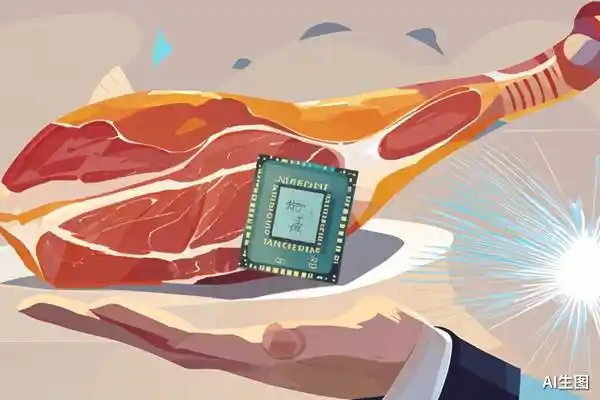
Jinzi Ham, a Chinese listed company traditionally known for its "Jinhua Ham," is making a significant 3 billion yuan bet by investing in the semiconductor sector. Through its wholly-owned subsidiary Jinzi Semiconductor, the company has completed two rounds of funding totaling 3 billion yuan to acquire up to a 20% stake in Zhongsheng Microelectronics, a company specializing in high-speed optical communication chips for AI and data centers. This move comes as Jinzi Ham faces pressure on its core business. The company reported its first semi-annual net loss since its 2010 IPO in the first half of 2026, with revenue from its ham products dropping significantly. Changing consumer preferences towards low-salt, low-fat diets and a broader market contraction for cured meats have impacted its traditional operations. The investment in Zhongsheng Micro represents Jinzi Ham's latest attempt to find a new growth engine through cross-sector diversification. Historically, such ventures have yielded poor results. Past forays into rare earth minerals (2013-2017), internet finance (2014-2016), healthcare (2016-2018), and computing power (2023) mostly ended in divestment or losses, failing to create sustainable value and sometimes dragging down overall profitability. The current chip investment carries similar risks. Zhongsheng Micro is currently loss-making, and its high valuation presents potential impairment risks. While the deal includes performance guarantees and an IPO/repurchase clause by 2029 to mitigate risk, the fundamental disconnect between ham production and advanced semiconductor manufacturing remains a major challenge. The article questions whether this "chase for light" in the optical chip sector will break the company's cycle of failed diversification or become another short-term gamble on a hot trend.

marsbitHá 9m

Investing 300 Million Yuan in a Leap to Optical Chips: Can Jinzi Ham, with Its History of Repeated Cross-Industry Setbacks, Succeed This Time?

marsbitHá 9m

Fidelity Bets on ETH Staking Dividends, Small Ethereum ETFs Face Survival Crisis

On August 12th, Fidelity announced plans to introduce staking and quarterly cash dividends to its Fidelity Ethereum Fund (FETH). According to amended filings, the fund can stake up to 100% of its Ethereum holdings, with Fidelity retaining 85% of gross staking rewards. After covering operational expenses, the remaining net rewards will be distributed to investors as cash dividends. Fidelity may also sell some ETH to fund these payouts. FETH, with approximately $1.34 billion in assets under management (AUM), ranks fourth among U.S. spot Ethereum ETFs. It follows leaders like BlackRock's iShares Ethereum Trust ETF ($7.21B AUM) and Grayscale's Ethereum Trust ETF ($3.46B AUM). This move aligns with a trend, as Grayscale and 21Shares have already added staking to their Ethereum products, while BlackRock launched a separate staked ETF. Currently, about 33% of Ethereum's supply is staked, yielding an annualized reward rate of roughly 2.6%. ETF net yields for investors are typically lower due to fees and the need to maintain liquidity buffers. For example, Grayscale's ETHE has a gross yield of 2.75% but a net yield of 2.11% after sponsor and custodian fees. Analysts estimate Fidelity's net yield for investors may fall between 1.5% and 2%. The introduction of staking rewards by major players like Fidelity is expected to intensify competition in the Ethereum ETF market, potentially drawing assets away from smaller funds that lack this feature. The market is already highly concentrated, with the top five Ethereum ETFs holding over 98% of the total AUM. This trend mirrors the Bitcoin ETF market, where smaller funds like Hashdex's DEFI have faced liquidation due to insufficient scale.

marsbitHá 12m

Fidelity Bets on ETH Staking Dividends, Small Ethereum ETFs Face Survival Crisis

marsbitHá 12m

Chip Giant with 700 Billion Market Cap Sees Soaring Inventory

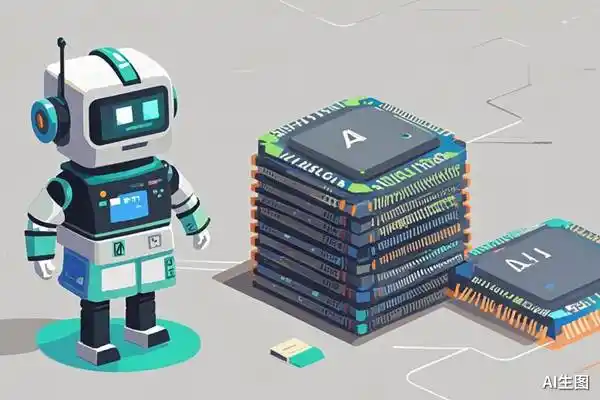
"Chips Giant with 700 Billion Market Cap Sees Inventory Soar" In its 2026 first-half financial report, Cambricon, a leading Chinese AI chip design company, reported significant growth in both revenue and profit. Revenue reached 59.96 billion yuan, up 108.13% year-on-year, while net profit grew 122.61% to 23.11 billion yuan. However, a major point of investor focus was the sharp rise in the company's inventory, which surged 66.83% from the end of the previous year to 82.48 billion yuan. This inventory now represents 45.32% of its total assets. The increase is primarily attributed to a substantial growth in raw materials (up 77.95% to 52.78 billion yuan) and work-in-process with contract manufacturers (up 61.85% to 24.18 billion yuan). Cambricon management explained that the inventory build-up was due to increased purchases of raw materials and outsourced processing. The company acknowledged the risk of inventory impairment should market conditions change. Industry analysts noted that as a fabless chip designer, such inventory accumulation is a strategic move to secure wafer capacity. However, it carries significant risk due to the industry's rapid technological iteration. If downstream demand slows, the company could face substantial inventory write-downs. Additionally, Cambricon's prepayments soared nearly threefold to 29.14 billion yuan. Brokerage analyses interpret the concurrent rise in prepayments and inventory as a positive indicator, suggesting strong future order fulfillment and pointing towards significant revenue growth in the third quarter. Despite strong operational metrics, the company's cash and cash equivalents have shown a declining trend over the past three years, dropping to 6.26 billion yuan by mid-2026. Cambricon's stock price hit a historic high of 1,620 yuan per share in June, briefly pushing its market capitalization above one trillion yuan. As of August 13th, its share price was 1,105.5 yuan, with a total market cap of approximately 694.6 billion yuan.

marsbitHá 56m

Chip Giant with 700 Billion Market Cap Sees Soaring Inventory

marsbitHá 56m

Trading

Spot

Artigos em Destaque

Como comprar T

Bem-vindo à HTX.com!Tornámos a compra de Threshold Network Token (T) simples e conveniente.Segue o nosso guia passo a passo para iniciar a tua jornada no mundo das criptos.Passo 1: cria a tua conta HTXUtiliza o teu e-mail ou número de telefone para te inscreveres numa conta gratuita na HTX.Desfruta de um processo de inscrição sem complicações e desbloqueia todas as funcionalidades.Obter a minha contaPasso 2: vai para Comprar Cripto e escolhe o teu método de pagamentoCartão de crédito/débito: usa o teu visa ou mastercard para comprar Threshold Network Token (T) instantaneamente.Saldo: usa os fundos da tua conta HTX para transacionar sem problemas.Terceiros: adicionamos métodos de pagamento populares, como Google Pay e Apple Pay, para aumentar a conveniência.P2P: transaciona diretamente com outros utilizadores na HTX.Mercado de balcão (OTC): oferecemos serviços personalizados e taxas de câmbio competitivas para os traders.Passo 3: armazena teu Threshold Network Token (T)Depois de comprar o teu Threshold Network Token (T), armazena-o na tua conta HTX.Alternativamente, podes enviá-lo para outro lugar através de transferência blockchain ou usá-lo para transacionar outras criptomoedas.Passo 4: transaciona Threshold Network Token (T)Transaciona facilmente Threshold Network Token (T) no mercado à vista da HTX.Acede simplesmente à tua conta, seleciona o teu par de trading, executa as tuas transações e monitoriza em tempo real.Oferecemos uma experiência de fácil utilização tanto para principiantes como para traders experientes.

665 Visualizações TotaisPublicado em {updateTime}Atualizado em 2026.06.02

Como comprar T

Discussões

Bem-vindo à Comunidade HTX. Aqui, pode manter-se informado sobre os mais recentes desenvolvimentos da plataforma e obter acesso a análises profissionais de mercado. As opiniões dos utilizadores sobre o preço de T (T) são apresentadas abaixo.

活动图片