How to Adapt to Frequent Miraculous Comebacks After the New Patch When Trading in Polymarket's LOL Section?

Odaily星球日报Publicado em 2026-08-12Última atualização em 2026-08-12

Resumo

After recent League of Legends (LoL) game updates, major comebacks and unpredictable outcomes have become more frequent, making trading on Polymarket's LoL prediction markets challenging. This article analyzes the causes and offers adaptation strategies. The author, a longtime LoL fan turned Polymarket trader, notes that post-update, a large early-game gold lead no longer guarantees victory. The current meta reduces the decisive weight of economy, emphasizing instead "advantage conversion, resource trading, team composition strength, and teamfight execution." Key systemic changes aiding comebacks include: Bounty/Kill Gold Compensation, Strategic Objective Bounties, and reduced Baron Nashor rewards. Furthermore, the prevalence of mage picks in the bot lane, instead of traditional marksmen (ADC), can lower sustained damage and teamfight reliability in the late game, contributing to throws. For more successful trading, the article suggests: 1. **Choosing the Right Region:** Prioritize major regions (LPL, LCK, LEC, LCS) where matches matter for World Championship qualification or player contracts, leading to more serious play. Avoid or be extremely cautious with regions like CBLOL (Brazil), TCL (Turkey), and North American Challengers, citing high volatility and potential for unreliable outcomes. 2. **Trading Strategies:** * **Placing Orders:** Use limit orders below market price for strong favorites. In close matchups, consider placing equal low-ball bids (e.g., 25-40 ...

Original | Odaily Planet Daily (@OdailyChina)

Author | CryptoLeo (@LeoAndCrypto)

As a die-hard League of Legends fan, I've spent many late nights grinding Ranked to climb the ladder. While I didn't reach a very high rank when I was younger, I did encounter many skilled players and streamers in the Canyon. Now that I'm older, I just play casual games for fun. After Polymarket went viral, I naturally shifted my focus to trading in the PM LOL section.
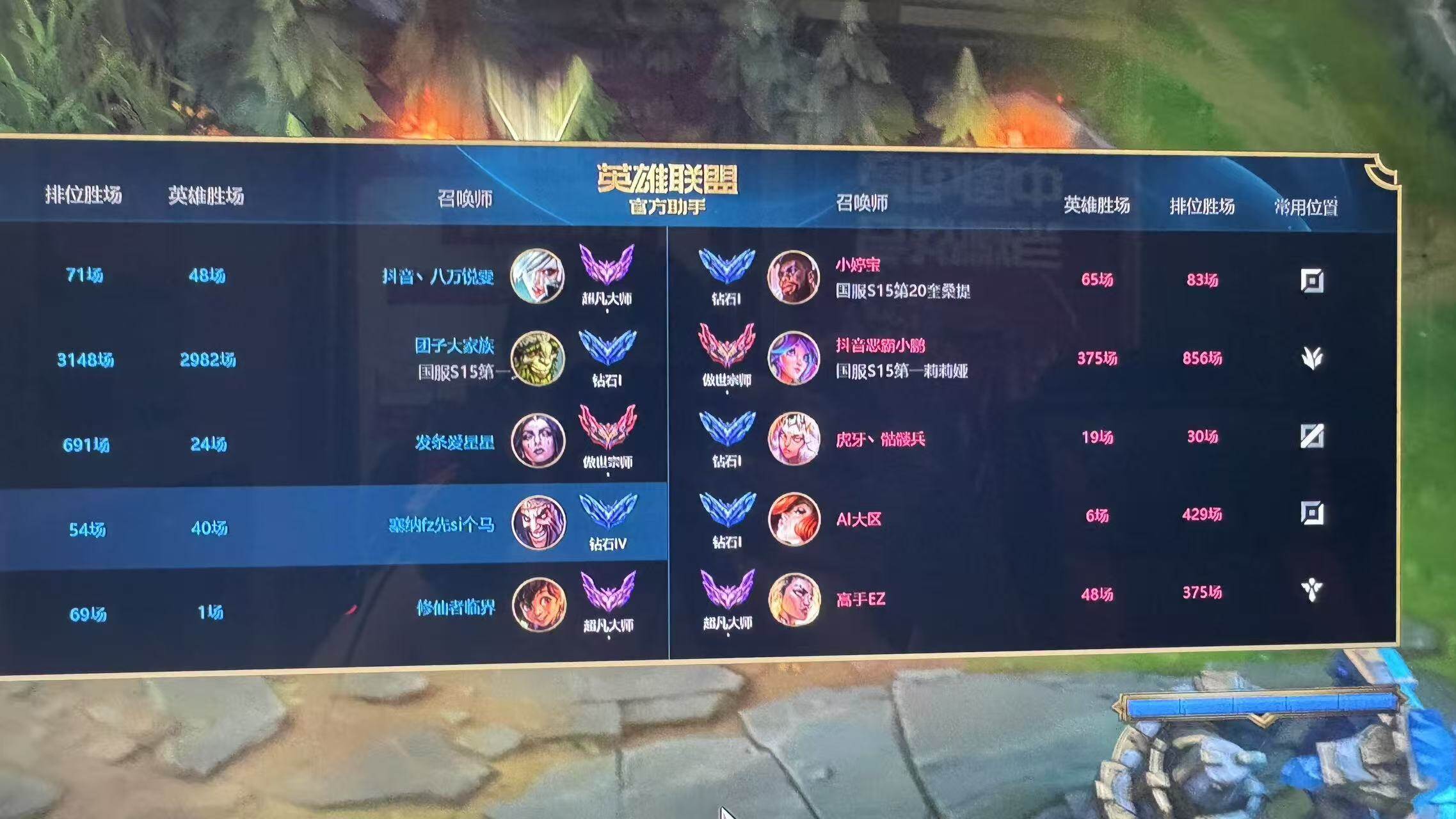
However, after the recent patch update, I feel like I know nothing about the matches anymore, and I've even started suspecting that the players are throwing games. After thinking about it carefully, it's not just me—friends who frequently trade in the Polymarket LOL section should be feeling quite 'weird/chaotic' lately. Miraculous comebacks have been occurring frequently in regions like LPL and LCK, and if you didn't sell your position on the leading side in time, your entire position could go to zero.

Therefore, I've done some research and analysis—based on this patch's ability to close out games, how can one trade LOL matches on Polymarket with a higher chance of success.

After the Patch Changes, a Significant Gold Lead Doesn't Guarantee Closing Out the Game

Recently, many League of Legends matches have seen teams lose despite having a gold lead of over 5000 in the early game, such as NIP vs IG, WE vs AL, BLG vs TES, and several matches in the LCK.

In previous League of Legends patches, teams with an early gold lead could easily 'snowball,' gaining a larger gold advantage and closing out the game effortlessly.

After the changes in this patch, the decisive weight of gold in closing out a game has decreased. The current patch emphasizes 'advantage conversion, resource trading, team composition strength, and teamfight execution' more than simply the early-game gold numbers.

Advantage conversion refers to a team turning a gold lead into pushing towers, securing kills, and taking objectives (Herald, Voidgrubs, Dragons, Baron, etc.);

Resource trading means a team makes decisions to compensate for resources they give up by securing other resources;

League of Legends champions are categorized as early-game or late-game champions. Early-game champions excel in early teamfights but become less effective later, while late-game champions are weak early but often decide the game's outcome in late-game teamfights. This has a decisive impact on overall team composition and strategy. A team with an early-game composition must end quickly, otherwise, there's a high probability of being overturned. A team with a late-game composition will usually win if the game goes late;

Teamfight execution involves preparation before fights, vision control, champion positioning, etc., all of which have a significant impact. A single operational mistake by someone can trigger a chain reaction leading to a major disadvantage.

The League of Legends system mechanics also give the disadvantaged side significant opportunities:

1. Bounty Shutdown Compensation: When a core champion from the leading team is killed, it grants the trailing team a large bonus bounty and experience, potentially instantly reducing the gold gap by a thousand or more;

2. Objective Bounties: The trailing team receives extra gold and experience compensation for destroying key objectives like turrets, dragons, and Baron, helping them catch up;

3. Baron Buff Nerf: The rewards for killing Baron have been reduced in the current patch, emphasizing the conversion of secured objectives into tower pushes and map control.

Many recent comebacks also stem from the fact that the current meta's bot lane choices are no longer traditional marksmen (ADC) but mages. Compared to marksmen, many mage-type heroes cannot achieve sustained damage output in teamfights and have lower fault tolerance, which is a factor in some teams losing their early leads and being overturned late game recently.

In summary: Previous patches were more about 'securing objectives to snowball.' The leading team could easily end the game by controlling key targets. The current patch relies more on mid-to-late-game decision quality than early-game gold differentials. The leading team pushes towers, controls vision, secures objectives, and avoids giving shutdowns. The trailing team stabilizes farm, looks for pick opportunities, and contests key objectives. In actual matches, execution and team composition synergy often determine the final outcome more than pure gold numbers. This is the fundamental reason for the frequent skirmishes, upsets, and difficulty in converting early advantages into victories in the current patch.

What Strategies Are Better

Based on my months of experience on PM, let me first introduce the matches I often play and the regions I suggest avoiding. We are now in the third split of the League of Legends competitive season. Many teams with a chance need points to compete for a spot in the 2026 World Championship. As long as there is a chance, these teams will strive to win their remaining matches. In terms of seriousness and the correspondence between 'strength and result,' this split might be slightly easier to predict than the first two.

For example, if a match has very low importance and doesn't affect the subsequent schedule, teams might not take it very seriously. For instance, in the recent LCK KeSPA Cup match between GENG and DNS, it was evident that the GENG players were particularly tired. They didn't need this win, so they weren't playing with full seriousness, or perhaps their desire to win was lower, leading to an upset.

One: Choosing the Right Region is Important

First, you need to choose the right matches you want to participate in. The filtering criteria are: whether it affects a team's points for qualifying for the League of Legends World Championship, whether there are substantial monetary prizes, and whether certain players need to perform well this split to secure better salaries next season.

My experience is as follows:

Major Regions: LPL, LCK, LEC, LCS, LCP, CBLOL. Prioritize LPL, LCK, LEC, LCS:

I think LPL matches are still relatively 'normal,' and particularly outrageous situations don't usually occur. Comebacks happen due to the patch and players' weak closing ability (picking an early-game composition and dragging it to late game), wasting early advantages through attempted macro play and getting overturned, or selecting poor compositions. So far, I haven't seen any LPL team clearly dominate others. Currently, BLG, TES, AL, and WE are considered strong teams, but some teams are 'godlike one game, clown-like the next';

LCK matches depend entirely on player form and drafting (champion select). Player form has a higher reference weight than draft. T1, HLE, GENG, KT, DK are still the stronger teams. You can watch the first game to assess player form and then buy/sell in the second game;

The LEC overlords are still G2 and KC. You can completely trust these two teams if they want to win;

The LCS overlord is still LYON (the kind that wins when they want to and can lose a game if they choose to). LYON's starting jungler Inspired is currently unavailable and is being replaced by a veteran player, but this likely won't significantly affect their record. The issue in the North American region is that sometimes there are teams that clearly don't want to win (intentionally picking poor compositions or not contesting objectives), requiring attention for selling;

It's advisable not to touch matches from the Brazilian region CBLOL. There's a saying, 'Brazilian stage, come if you dare.' It's so fake you'll suspect some pro players are bots. For example: Version one, a weak team gets early kills and an advantage, but once objective fights start, the strong team takes over and wins. Version two, the strong team plays well early, gets kills and objectives, but in the final teamfight, they suddenly misplay, get aced, and lose. There are many versions, so I won't list them all.

I rarely participate in the LCP region, so I won't discuss it.

For some smaller tournaments:

In LCK Challengers (CK), T1, DK, and Nongshim are the three strong teams, but T1 has a significant lead. The other two, DK and Nongshim, also 'frequently' lose to bottom-tier teams. Most CK matches are essentially a '1:1 league,' meaning in a BO3, each team wins one of the first two games (it's common for a team to seem completely uncoordinated in game one or pick champions they can't play, then become unstoppable like they're cheating in game two), with a decisive third game. My suggestion is to only play matches involving these three teams. Try to avoid the rest. If you must play, you can try entering at the lowest price betting on an upset. Also, some CK matches don't have a live stream, making prediction difficult without watching live;

In the French LFL, the top dogs are GAL and SLY. You can try playing matches involving these two teams. Among the remaining teams, the skill gap isn't huge. You might predict based on draft, but games are often lost despite having a good composition.

The German Prime League most frequently goes to a full three-game series, with the stronger team winning (if you don't know the strong/weak teams, you can judge based on the market price).

Circuito Desafiante is the Brazilian secondary league, also recommended to avoid.

Don't play the Turkish TCL. The fastest available live stream delay is over 3 minutes, making it hard to judge the outcome.

The North American Challengers league is basically hell-level difficulty; wins and losses are all about the 'script.'

Two: Trading Strategies

Before trading, you can generally analyze based on team composition and player form. Regarding composition, what's important for a team is their champion synergy: Do they have engage champions (frontline tanks with crowd control)? Do they have a sustained damage marksman? Do the damage dealers have mobility skills and space to deal damage? What is the power spike of key team champions? How is the AOE (area of effect) damage and burst of mages? Is there champion combo potential?

Assessing player form requires you to be someone who frequently watches matches and is familiar with a particular player's playstyle. This allows you to discern if their current performance differs significantly from their usual games and if they can effectively generate advantages for their team with a specific champion.

A small skirmish over an objective or one or two kills usually affects the price by 5-10 cents. My experience:

(1) Learn to Place Orders

1. For matches where you are certain one team has a significantly stronger lineup, place limit orders to buy at 5-15 cents below the market price, rather than buying at the current price. This minimizes your losses even if you're wrong;

2. For matches where the skill gap isn't that large, small reversals or major comebacks are common in this patch. A single small mistake can cause a 20-cent price swing for a team. If both teams are the type that likes to fight frequently, the prices for both sides will fluctuate considerably. Perhaps you can try placing limit orders for an equal number of shares on both sides simultaneously; as long as the total cost is below 100 cents, you profit. For example, A vs B. Team A has an early advantage, but Team B has a mid-to-late advantage. It's hard to confirm which team will close. In this case, soon after the match starts, you can place limit orders to buy 100 shares of A at 25-40 cents and 100 shares of B at 25-40 cents. Your total cost would be 50-80 cents, giving you a profit margin of 20-50 cents. If the price fluctuations are small, you might fail, but currently, for most major region matches without a huge skill gap, you can get fills for both A and B, depending on whether your bid prices are reasonable.

PS: I'm a relatively aggressive trader. I often place orders at 25 cents. Matches suitable for this strategy include CK matches (the first two games of a BO3), LFL matches (the first two games of a BO3), and German league matches (the first two games of a BO3). It's best to use this strategy in matches where the team gap isn't enormous.

3. As mentioned earlier, each team's composition has a power spike. Before this spike, they might be at a disadvantage. Once they hit their power spike, they can turn the tables. You can buy low during their weak phase and then place a sell order 20-40 cents above your purchase price, aiming for price swings rather than betting on the final outcome. Determining when a team's power spike occurs requires watching many matches to analyze.

(2) Sell in Time

Everyone has different playstyles. Some like to buy above 90 cents as a stable 'investment.' Some like to buy in the 50-80 cent range aiming for a big payout. In these cases, the selling price is extremely important.

Prediction markets are like crypto trading—the most important thing is learning to take profits (I still haven't mastered this). As mentioned, many matches see large early advantages wasted by dragging the game. If the team you favor gains an early advantage and your entry price was low, you should place sell orders in the 85-95 cent range. This is crucial. In many matches, I picked the correct early-game dominant side but often failed to sell in time, leading to a last-minute comeback and no chance to exit before my position went to zero.

My current selling habit is: For positions entered at 50-60 cents, I sell 75% at 85-90 cents. Even if the remaining 25% position goes to zero due to an upset, it's not too painful.

Another extreme method is: After buying the favored team low and selling high, immediately place an order for the opposing team (e.g., buy Team A at 30 cents, sell at 75 cents, then buy Team B at 25 cents, and finally Team B wins). This requires a zero-delay live stream and a deep understanding of the game's flow.

(3) Position Management

Learning position management is important. Don't tilt after losing a couple of matches and go all-in on the next one, as this can easily lead to a total loss. You can set a rule that the maximum amount per match does not exceed 5% or 10% of your principal. Most importantly, don't be affected by a few wins or losses. Some smaller region matches might have a day where all results are upsets (the last-place team crushing the first-place team). What you need to do most at such times is turn off the computer and find something else to do. Continuous tilt will lead to continuous losses.

Conclusion

When I started with prediction markets, it went smoothly, and I rarely lost. But recently, after the patch update, everything has become chaotic. Playing LOL predictions requires watching important matches and understanding how factors like gold, composition, team playstyle, and regional meta affect the game. This will help you quickly adapt to the patch.

The next patch update will be in August, where the influence of traditional marksmen is expected to increase. Many of the current mage bot lanes might disappear. If I have better insights for the next patch, I will promptly share them.

The above is merely my humble opinion, for reference only and not investment advice. Trading requires careful analysis and attention to risk. I also hope everyone develops their own strategies and theories to make more money. Furthermore, feel free to contact me anytime!(@LeoAndCrypto)


Criptomoedas em alta

Perguntas relacionadas

QAccording to the article, what are the key factors that have made comebacks more frequent in the current version of League of Legends for prediction markets?

AThe article states that the current version has reduced the decisive weight of early-game gold leads. Key factors making comebacks more frequent include the game now emphasizing advantage conversion, resource trading, team composition strength, and teamfight execution over pure gold numbers. Systemic mechanics like bounty shutdowns and strategic point compensation also give the losing team significant opportunities to close the gap.

QWhat is the author's primary recommendation for managing risk when trading on a team that has taken an early lead?

AThe author's primary recommendation for managing risk on an early-leading team is to learn to take profits (止盈) and sell in time. Specifically, they suggest placing sell orders for a significant portion of the position (e.g., 75%) in the 85 to 90 cents range if the initial buy was around 50-60 cents. This prevents the entire position from going to zero if the team suffers a late-game comeback.

QWhich League of Legends regions does the author advise traders to be cautious about or avoid, and why?

AThe author advises being very cautious or avoiding the Brazilian CBLOL and Turkish TCL regions. For CBLOL, the matches are described as unpredictable and sometimes suspicious, with patterns that feel scripted. For TCL, the primary issue is high broadcast delay (over 3 minutes), making real-time prediction and trading very difficult. The North American Challengers league is also mentioned as being extremely difficult due to unpredictable 'scripts'.

QBesides team strength, what two main pre-game factors does the author suggest analyzing for better trade decisions?

AThe two main pre-game factors to analyze are: 1) Team composition (英雄选择), focusing on elements like engage tools, a sustained-damage ADC, the power spikes of key champions, and champion synergy/combo potential. 2) Player form/state (选手状态), which requires familiarity with a player's usual style to judge if their current performance deviates significantly.

QWhat trading strategy does the author mention for matches between two closely matched teams where the outcome is highly volatile?

AThe author suggests a strategy of simultaneously placing limit buy orders for both teams (A and B) at low prices (e.g., between 25-40 cents) at the start of the match. The goal is to acquire shares in both teams for a total cost below 100 cents (e.g., 50-80 cents total), creating a profit window of 20-50 cents regardless of which team wins, as long as the match is back-and-forth and the orders are filled. This works best in major regions where such price volatility is common.

Leituras Relacionadas

Strong Growth, Moderate Rate Hikes, Controllable Oil Prices: The Market is Pricing a Non-existent Perfection

The global market is currently pricing in a contradictory "Goldilocks" scenario of robust growth, limited interest rate hikes, manageable energy supply shocks, and declining oil prices. Deutsche Bank strategist Henry Allen warns this leaves little room for error regarding policy, inflation, or geopolitics. While U.S. equities hit record highs and credit spreads are tight, signaling strong growth, interest rate markets price in only minimal Fed tightening ahead, despite inflation remaining above target. This combination is difficult to sustain. Historically, starting inflation levels suggest a much more aggressive Fed hiking cycle than currently anticipated, as seen in 2022. Furthermore, oil price declines contradict ongoing supply risks, with the Strait of Hormuz still disrupted. Market expectations for future supply recovery and lower prices depend on resolutions not yet achieved. Energy volatility and potential new inflationary pressures from AI-driven demand highlight persistent inflation risks. The core risk is that the multiple optimistic assumptions underpinning current asset prices fail to materialize simultaneously. Strong growth with loose financial conditions could force more aggressive Fed action, while prolonged energy disruptions could undermine disinflation. Markets have priced a near-perfect outcome with minimal margin for deviation, meaning any single factor disappointing expectations could trigger a broad repricing of growth, rates, and risk assets.

marsbitHá 3m

Strong Growth, Moderate Rate Hikes, Controllable Oil Prices: The Market is Pricing a Non-existent Perfection

marsbitHá 3m

Trading

Spot

Artigos em Destaque

O que é $S$

Compreender o SPERO: Uma Visão Abrangente Introdução ao SPERO À medida que o panorama da inovação continua a evoluir, o surgimento de tecnologias web3 e projetos de criptomoeda desempenha um papel fundamental na formação do futuro digital. Um projeto que tem atraído atenção neste campo dinâmico é o SPERO, denotado como SPERO,$$s$. Este artigo tem como objetivo reunir e apresentar informações detalhadas sobre o SPERO, para ajudar entusiastas e investidores a compreender as suas bases, objetivos e inovações nos domínios web3 e cripto. O que é o SPERO,$$s$? O SPERO,$$s$ é um projeto único dentro do espaço cripto que procura aproveitar os princípios da descentralização e da tecnologia blockchain para criar um ecossistema que promove o envolvimento, a utilidade e a inclusão financeira. O projeto é concebido para facilitar interações peer-to-peer de novas maneiras, proporcionando aos utilizadores soluções e serviços financeiros inovadores. No seu núcleo, o SPERO,$$s$ visa capacitar indivíduos ao fornecer ferramentas e plataformas que melhoram a experiência do utilizador no espaço das criptomoedas. Isso inclui a possibilidade de métodos de transação mais flexíveis, a promoção de iniciativas impulsionadas pela comunidade e a criação de caminhos para oportunidades financeiras através de aplicações descentralizadas (dApps). A visão subjacente do SPERO,$$s$ gira em torno da inclusão, visando fechar lacunas dentro das finanças tradicionais enquanto aproveita os benefícios da tecnologia blockchain. Quem é o Criador do SPERO,$$s$? A identidade do criador do SPERO,$$s$ permanece algo obscura, uma vez que existem recursos publicamente disponíveis limitados que fornecem informações detalhadas sobre o(s) seu(s) fundador(es). Esta falta de transparência pode resultar do compromisso do projeto com a descentralização—uma ética que muitos projetos web3 partilham, priorizando contribuições coletivas em vez de reconhecimento individual. Ao centrar as discussões em torno da comunidade e dos seus objetivos coletivos, o SPERO,$$s$ incorpora a essência do empoderamento sem destacar indivíduos específicos. Assim, compreender a ética e a missão do SPERO é mais importante do que identificar um criador singular. Quem são os Investidores do SPERO,$$s$? O SPERO,$$s$ é apoiado por uma diversidade de investidores que vão desde capitalistas de risco a investidores-anjo dedicados a promover a inovação no setor cripto. O foco desses investidores geralmente alinha-se com a missão do SPERO—priorizando projetos que prometem avanço tecnológico social, inclusão financeira e governança descentralizada. Essas fundações de investidores estão tipicamente interessadas em projetos que não apenas oferecem produtos inovadores, mas que também contribuem positivamente para a comunidade blockchain e os seus ecossistemas. O apoio desses investidores reforça o SPERO,$$s$ como um concorrente notável no domínio em rápida evolução dos projetos cripto. Como Funciona o SPERO,$$s$? O SPERO,$$s$ emprega uma estrutura multifacetada que o distingue de projetos de criptomoeda convencionais. Aqui estão algumas das características-chave que sublinham a sua singularidade e inovação: Governança Descentralizada: O SPERO,$$s$ integra modelos de governança descentralizada, capacitando os utilizadores a participar ativamente nos processos de tomada de decisão sobre o futuro do projeto. Esta abordagem promove um sentido de propriedade e responsabilidade entre os membros da comunidade. Utilidade do Token: O SPERO,$$s$ utiliza o seu próprio token de criptomoeda, concebido para servir várias funções dentro do ecossistema. Esses tokens permitem transações, recompensas e a facilitação de serviços oferecidos na plataforma, melhorando o envolvimento e a utilidade gerais. Arquitetura em Camadas: A arquitetura técnica do SPERO,$$s$ suporta modularidade e escalabilidade, permitindo a integração contínua de funcionalidades e aplicações adicionais à medida que o projeto evolui. Esta adaptabilidade é fundamental para manter a relevância no panorama cripto em constante mudança. Envolvimento da Comunidade: O projeto enfatiza iniciativas impulsionadas pela comunidade, empregando mecanismos que incentivam a colaboração e o feedback. Ao nutrir uma comunidade forte, o SPERO,$$s$ pode melhor atender às necessidades dos utilizadores e adaptar-se às tendências do mercado. Foco na Inclusão: Ao oferecer taxas de transação baixas e interfaces amigáveis, o SPERO,$$s$ visa atrair uma base de utilizadores diversificada, incluindo indivíduos que anteriormente podem não ter participado no espaço cripto. Este compromisso com a inclusão alinha-se com a sua missão abrangente de empoderamento através da acessibilidade. Cronologia do SPERO,$$s$ Compreender a história de um projeto fornece insights cruciais sobre a sua trajetória de desenvolvimento e marcos. Abaixo está uma cronologia sugerida que mapeia eventos significativos na evolução do SPERO,$$s$: Fase de Conceituação e Ideação: As ideias iniciais que formam a base do SPERO,$$s$ foram concebidas, alinhando-se de perto com os princípios de descentralização e foco na comunidade dentro da indústria blockchain. Lançamento do Whitepaper do Projeto: Após a fase conceitual, um whitepaper abrangente detalhando a visão, os objetivos e a infraestrutura tecnológica do SPERO,$$s$ foi lançado para atrair o interesse e o feedback da comunidade. Construção da Comunidade e Primeiros Envolvimentos: Esforços ativos de divulgação foram feitos para construir uma comunidade de primeiros adotantes e investidores potenciais, facilitando discussões em torno dos objetivos do projeto e angariando apoio. Evento de Geração de Tokens: O SPERO,$$s$ realizou um evento de geração de tokens (TGE) para distribuir os seus tokens nativos a apoiantes iniciais e estabelecer liquidez inicial dentro do ecossistema. Lançamento da dApp Inicial: A primeira aplicação descentralizada (dApp) associada ao SPERO,$$s$ foi lançada, permitindo que os utilizadores interagissem com as funcionalidades principais da plataforma. Desenvolvimento Contínuo e Parcerias: Atualizações e melhorias contínuas nas ofertas do projeto, incluindo parcerias estratégicas com outros players no espaço blockchain, moldaram o SPERO,$$s$ em um jogador competitivo e em evolução no mercado cripto. Conclusão O SPERO,$$s$ é um testemunho do potencial do web3 e das criptomoedas para revolucionar os sistemas financeiros e capacitar indivíduos. Com um compromisso com a governança descentralizada, o envolvimento da comunidade e funcionalidades inovadoras, abre caminho para um panorama financeiro mais inclusivo. Como em qualquer investimento no espaço cripto em rápida evolução, potenciais investidores e utilizadores são incentivados a pesquisar minuciosamente e a envolver-se de forma ponderada com os desenvolvimentos em curso dentro do SPERO,$$s$. O projeto demonstra o espírito inovador da indústria cripto, convidando a uma exploração mais aprofundada das suas inúmeras possibilidades. Embora a jornada do SPERO,$$s$ ainda esteja a desenrolar-se, os seus princípios fundamentais podem, de facto, influenciar o futuro de como interagimos com a tecnologia, as finanças e uns com os outros em ecossistemas digitais interconectados.

339 Visualizações TotaisPublicado em {updateTime}Atualizado em 2024.12.17

O que é $S$

O que é AGENT S

Agent S: O Futuro da Interação Autónoma no Web3 Introdução No panorama em constante evolução do Web3 e das criptomoedas, as inovações estão constantemente a redefinir a forma como os indivíduos interagem com plataformas digitais. Um projeto pioneiro, o Agent S, promete revolucionar a interação humano-computador através do seu framework aberto e agente. Ao abrir caminho para interações autónomas, o Agent S visa simplificar tarefas complexas, oferecendo aplicações transformadoras em inteligência artificial (IA). Esta exploração detalhada irá aprofundar-se nas complexidades do projeto, nas suas características únicas e nas implicações para o domínio das criptomoedas. O que é o Agent S? O Agent S é um framework aberto e agente, especificamente concebido para abordar três desafios fundamentais na automação de tarefas computacionais: Aquisição de Conhecimento Específico de Domínio: O framework aprende inteligentemente a partir de várias fontes de conhecimento externas e experiências internas. Esta abordagem dupla capacita-o a construir um rico repositório de conhecimento específico de domínio, melhorando o seu desempenho na execução de tarefas. Planeamento ao Longo de Longos Horizontes de Tarefas: O Agent S emprega planeamento hierárquico aumentado por experiência, uma abordagem estratégica que facilita a decomposição e execução eficientes de tarefas intrincadas. Esta característica melhora significativamente a sua capacidade de gerir múltiplas subtarefas de forma eficiente e eficaz. Gestão de Interfaces Dinâmicas e Não Uniformes: O projeto introduz a Interface Agente-Computador (ACI), uma solução inovadora que melhora a interação entre agentes e utilizadores. Utilizando Modelos de Linguagem Multimodais de Grande Escala (MLLMs), o Agent S pode navegar e manipular diversas interfaces gráficas de utilizador de forma fluida. Através destas características pioneiras, o Agent S fornece um framework robusto que aborda as complexidades envolvidas na automação da interação humana com máquinas, preparando o terreno para uma infinidade de aplicações em IA e além. Quem é o Criador do Agent S? Embora o conceito de Agent S seja fundamentalmente inovador, informações específicas sobre o seu criador permanecem elusivas. O criador é atualmente desconhecido, o que destaca ou o estágio nascente do projeto ou a escolha estratégica de manter os membros fundadores em anonimato. Independentemente da anonimidade, o foco permanece nas capacidades e no potencial do framework. Quem são os Investidores do Agent S? Como o Agent S é relativamente novo no ecossistema criptográfico, informações detalhadas sobre os seus investidores e financiadores não estão explicitamente documentadas. A falta de informações disponíveis publicamente sobre as fundações de investimento ou organizações que apoiam o projeto levanta questões sobre a sua estrutura de financiamento e roteiro de desenvolvimento. Compreender o apoio é crucial para avaliar a sustentabilidade do projeto e o seu impacto potencial no mercado. Como Funciona o Agent S? No núcleo do Agent S reside uma tecnologia de ponta que lhe permite funcionar eficazmente em diversos ambientes. O seu modelo operacional é construído em torno de várias características-chave: Interação Humano-Computador Semelhante: O framework oferece planeamento avançado em IA, esforçando-se para tornar as interações com computadores mais intuitivas. Ao imitar o comportamento humano na execução de tarefas, promete elevar as experiências dos utilizadores. Memória Narrativa: Utilizada para aproveitar experiências de alto nível, o Agent S utiliza memória narrativa para acompanhar os históricos de tarefas, melhorando assim os seus processos de tomada de decisão. Memória Episódica: Esta característica fornece aos utilizadores orientações passo a passo, permitindo que o framework ofereça suporte contextual à medida que as tarefas se desenrolam. Suporte para OpenACI: Com a capacidade de funcionar localmente, o Agent S permite que os utilizadores mantenham o controlo sobre as suas interações e fluxos de trabalho, alinhando-se com a ética descentralizada do Web3. Fácil Integração com APIs Externas: A sua versatilidade e compatibilidade com várias plataformas de IA garantem que o Agent S possa integrar-se perfeitamente em ecossistemas tecnológicos existentes, tornando-o uma escolha apelativa para desenvolvedores e organizações. Estas funcionalidades contribuem coletivamente para a posição única do Agent S no espaço cripto, à medida que automatiza tarefas complexas e em múltiplos passos com mínima intervenção humana. À medida que o projeto evolui, as suas potenciais aplicações no Web3 podem redefinir a forma como as interações digitais se desenrolam. Cronologia do Agent S O desenvolvimento e os marcos do Agent S podem ser encapsulados numa cronologia que destaca os seus eventos significativos: 27 de Setembro de 2024: O conceito de Agent S foi lançado num artigo de pesquisa abrangente intitulado “Um Framework Agente Aberto que Usa Computadores como um Humano”, mostrando a base para o projeto. 10 de Outubro de 2024: O artigo de pesquisa foi disponibilizado publicamente no arXiv, oferecendo uma exploração aprofundada do framework e da sua avaliação de desempenho com base no benchmark OSWorld. 12 de Outubro de 2024: Uma apresentação em vídeo foi lançada, proporcionando uma visão visual das capacidades e características do Agent S, envolvendo ainda mais potenciais utilizadores e investidores. Estes marcos na cronologia não apenas ilustram o progresso do Agent S, mas também indicam o seu compromisso com a transparência e o envolvimento da comunidade. Pontos-Chave Sobre o Agent S À medida que o framework Agent S continua a evoluir, várias características-chave destacam-se, sublinhando a sua natureza inovadora e potencial: Framework Inovador: Concebido para proporcionar um uso intuitivo de computadores semelhante à interação humana, o Agent S traz uma abordagem nova à automação de tarefas. Interação Autónoma: A capacidade de interagir autonomamente com computadores através de GUI significa um avanço em direção a soluções computacionais mais inteligentes e eficientes. Automação de Tarefas Complexas: Com a sua metodologia robusta, pode automatizar tarefas complexas e em múltiplos passos, tornando os processos mais rápidos e menos propensos a erros. Melhoria Contínua: Os mecanismos de aprendizagem permitem que o Agent S melhore a partir de experiências passadas, aprimorando continuamente o seu desempenho e eficácia. Versatilidade: A sua adaptabilidade em diferentes ambientes operacionais, como OSWorld e WindowsAgentArena, garante que pode servir uma ampla gama de aplicações. À medida que o Agent S se posiciona no panorama do Web3 e das criptomoedas, o seu potencial para melhorar as capacidades de interação e automatizar processos significa um avanço significativo nas tecnologias de IA. Através do seu framework inovador, o Agent S exemplifica o futuro das interações digitais, prometendo uma experiência mais fluida e eficiente para os utilizadores em diversas indústrias. Conclusão O Agent S representa um ousado avanço na união da IA e do Web3, com a capacidade de redefinir a forma como interagimos com a tecnologia. Embora ainda esteja nas suas fases iniciais, as possibilidades para a sua aplicação são vastas e cativantes. Através do seu framework abrangente que aborda desafios críticos, o Agent S visa trazer interações autónomas para o primeiro plano da experiência digital. À medida que avançamos mais profundamente nos domínios das criptomoedas e da descentralização, projetos como o Agent S desempenharão, sem dúvida, um papel crucial na formação do futuro da tecnologia e da colaboração humano-computador.

936 Visualizações TotaisPublicado em {updateTime}Atualizado em 2025.01.14

O que é AGENT S

Como comprar S

Bem-vindo à HTX.com!Tornámos a compra de Sonic (S) simples e conveniente.Segue o nosso guia passo a passo para iniciar a tua jornada no mundo das criptos.Passo 1: cria a tua conta HTXUtiliza o teu e-mail ou número de telefone para te inscreveres numa conta gratuita na HTX.Desfruta de um processo de inscrição sem complicações e desbloqueia todas as funcionalidades.Obter a minha contaPasso 2: vai para Comprar Cripto e escolhe o teu método de pagamentoCartão de crédito/débito: usa o teu visa ou mastercard para comprar Sonic (S) instantaneamente.Saldo: usa os fundos da tua conta HTX para transacionar sem problemas.Terceiros: adicionamos métodos de pagamento populares, como Google Pay e Apple Pay, para aumentar a conveniência.P2P: transaciona diretamente com outros utilizadores na HTX.Mercado de balcão (OTC): oferecemos serviços personalizados e taxas de câmbio competitivas para os traders.Passo 3: armazena teu Sonic (S)Depois de comprar o teu Sonic (S), armazena-o na tua conta HTX.Alternativamente, podes enviá-lo para outro lugar através de transferência blockchain ou usá-lo para transacionar outras criptomoedas.Passo 4: transaciona Sonic (S)Transaciona facilmente Sonic (S) no mercado à vista da HTX.Acede simplesmente à tua conta, seleciona o teu par de trading, executa as tuas transações e monitoriza em tempo real.Oferecemos uma experiência de fácil utilização tanto para principiantes como para traders experientes.

1.7k Visualizações TotaisPublicado em {updateTime}Atualizado em 2026.06.02

Como comprar S

Discussões

Bem-vindo à Comunidade HTX. Aqui, pode manter-se informado sobre os mais recentes desenvolvimentos da plataforma e obter acesso a análises profissionais de mercado. As opiniões dos utilizadores sobre o preço de S (S) são apresentadas abaixo.

活动图片