Decentralized Finance (DeFi) Project Continues Token Buyback! Here are the Details

cryptonews.ruPublicado em 2026-07-29Última atualização em 2026-07-29

Resumo

The DeFi protocol Pendle has announced a significant milestone in its token buyback program, having repurchased over $3 million worth of its $PENDLE token to date. This initiative aims to strengthen the project's ecosystem. Concurrently, Pendle's staking mechanism, launched approximately six and a half months ago, has surpassed 100 million $PENDLE tokens staked, representing about 36% of the circulating supply. Staking participants have received a total of $5.12 million in rewards and airdrops, incentives designed to encourage long-term engagement and ecosystem growth. Furthermore, the protocol has reduced the issuance of new $PENDLE tokens to its lowest historical level, significantly slowing supply growth. This combination of a reduced emission rate and the buyback program is intended to enhance the sustainability of the token's economics. Pendle's strategies align with broader DeFi trends of utilizing buybacks, burns, and staking to support token value by reducing circulating supply and encouraging long-term holding.

Pendle, a protocol operating in the decentralized finance (DeFi) sector, has announced reaching a significant milestone in its token buyback program, aimed at strengthening the ecosystem. A statement published via the project's official X account reports that the total value of repurchased $PENDLE tokens to date has exceeded $3 million.

Pendle also shared updated data on its staking program. According to the announcement, approximately six and a half months after the launch of the $PENDLE staking mechanism, the total number of $PENDLE tokens staked by users has surpassed 100 million. This figure represents approximately 36% of the total circulating token supply and indicates the community's sustained interest in the project.

The protocol indicates that the rewards provided to staking participants continue to grow. Accordingly, to date, a total of $5.12 million in rewards and airdrops has been distributed to staking participants. Pendle stated that these incentives are offered to support long-term user participation and accelerate ecosystem development.

On the other hand, the project also announced a gradual reduction in the issuance of new $PENDLE tokens. According to the statement, the volume of newly issued tokens has dropped to its lowest level ever, leading to a significant decrease in the growth rate of the supply. The goal is to promote enhanced token economic sustainability by implementing a reduced issuance rate in combination with the buyback program.

Recently, many DeFi projects have been actively using token buyback and burn programs to maintain their value, and Pendle is among those employing this strategy. Token buybacks help reduce their circulating supply, while the staking mechanism encourages users to hold their tokens within the system long-term.

*This is not investment advice.

end-content
Perguntas relacionadas

QWhat milestone has the DeFi protocol Pendle achieved in its token buyback program?

APendle has announced that the total value of its repurchased $PENDLE tokens has exceeded $3 million to date.

QWhat statistics did Pendle share regarding its staking program?

AApproximately 6.5 months after launching its $PENDLE staking mechanism, the total number of $PENDLE tokens staked by users exceeded 100 million, representing about 36% of the total circulating supply.

QHow much in total rewards and airdrops have been distributed to staking participants according to the announcement?

AA total of $5.12 million in rewards and airdrops have been distributed to staking participants so far.

QWhat recent change has Pendle made to its token emission rate?

APendle has announced a gradual reduction in the issuance of new $PENDLE tokens, with the emission volume falling to its lowest historical level, significantly slowing the growth rate of the supply.

QAccording to the article, what is the purpose of combining a reduced token emission rate with a buyback program?

AThe goal of this combination is to enhance the sustainability of the tokenomics.

Leituras Relacionadas

Stocks of Companies in Bitcoin Mining and AI Infrastructure Soar, Short Sellers Face Losses

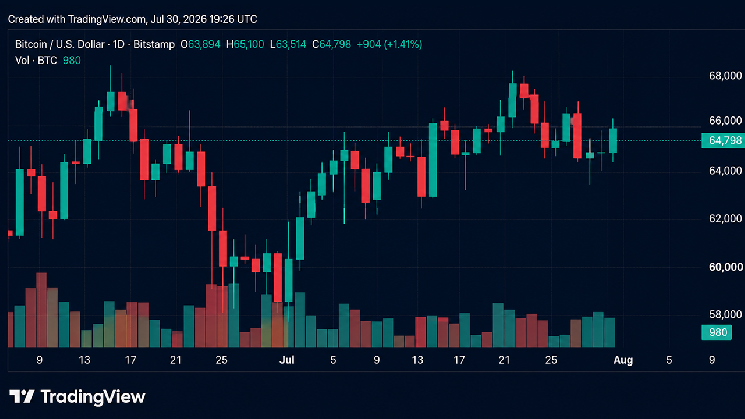
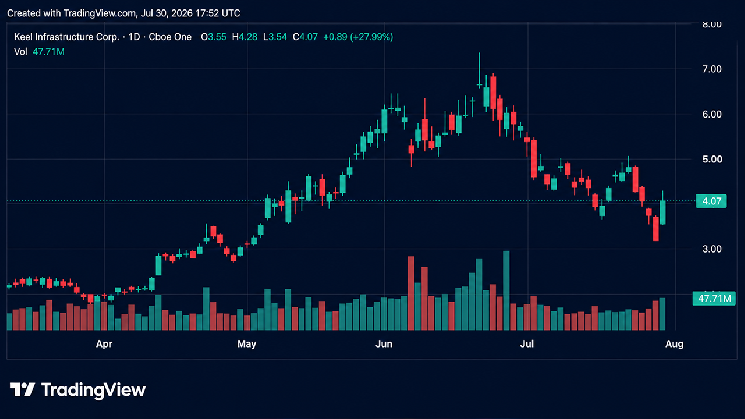
Shares of companies involved in Bitcoin mining and AI infrastructure surged, causing losses for short sellers. On Thursday, July 30, 2026, Keel Infrastructure (formerly Bitfarms) led the gains, rising 29.13%, followed by Nebius Group, Cipher Digital, and IREN Limited with jumps over 27%. Other notable gainers included Riot Platforms, Bitdeer, Core Scientific, Hut 8, and Cleanspark, with increases mostly ranging from 17% to 24%. The rally was attributed to a short squeeze triggered by a hedge fund's forced liquidation of its holdings, which were largely bought by Citadel. Additionally, Bitcoin trading above $64,000 and strong Microsoft earnings, highlighting AI's profitability, boosted market sentiment. Coreweave also announced a deal to provide AI cloud services for U.S. defense and intelligence agencies. This surge reflects a broader, longer-term trend of Bitcoin miners pivoting to AI data centers, leveraging their existing energy infrastructure and land. Recent multi-billion dollar deals by companies like Hut 8, IREN, and Terawulf for AI cloud services underscore this strategic shift. Other gainers, including Sandisk, Micron, Bloom Energy, and Cerebras, are suppliers critical to the AI infrastructure build-out. While the rally provided relief after July's losses, questions remain about capital expenditures, power availability, and long-term AI demand. The sustainability of these gains depends on these companies successfully converting their energy contracts and AI service deals into stable revenue streams.

cryptonews.ruHá 45m

Stocks of Companies in Bitcoin Mining and AI Infrastructure Soar, Short Sellers Face Losses

cryptonews.ruHá 45m

Trading

Spot
活动图片