Can Apple Continue to Grow in the AI Era Without Cook?

marsbitPublicado em 2026-04-22Última atualização em 2026-04-22

Resumo

Apple has named John Ternus, a 25-year company veteran and current head of hardware engineering, as its next CEO, effective September 1. He succeeds Tim Cook, who transitions to executive chairman. Ternus is characterized as a "systems-oriented" leader—a collaborative, decisive insider known for his deep understanding of Apple's products and unique functional organizational structure. His career highlights include pragmatically updating the Mac Mini without costly redesigns, playing a key role in developing AirPods amidst internal tensions, and leading the transition of Macs to Apple's own silicon. However, he is not seen as a high-risk visionary like Steve Jobs or a supply-chain innovator like Cook. Ternus takes charge as Apple faces significant challenges: the need to find its next major product beyond the iPhone and to catch up in the AI era, where competitors are ahead in conversational AI, and Siri is considered outdated. The central question is whether he can leverage Apple's hardware strength to build a new platform advantage or if the company will primarily optimize its existing ecosystem. His success hinges on making bold strategic bets in a shifting technological landscape.

Editor's Note: After Steve Jobs and Tim Cook, Apple has finally welcomed its third truly "epoch-defining successor." Unlike the distinct labels of the first two (one defined products, the other reshaped the supply chain), John Ternus's rise to power seems more like a continuation of internal logic: a "systemic figure" familiar with the organization, understanding of products, and capable of driving decisions within a complex structure.

This article traces John Ternus's growth path within Apple. From the pragmatic updates of the Mac Mini, to the "decentralized coordination" in the development of AirPods, and then to driving the transition to in-house Mac chip development, Ternus's role has never been about standing in the spotlight to define the vision, but rather ensuring the system operates efficiently.

From a broader perspective, Ternus's appointment marks Apple's transition from the combined phase of "product vision + supply chain execution" into a cycle that requires redefining the growth engine. As a typical engineer-type executive, he stands out for his execution capabilities, internal collaboration skills, and deep understanding of the product ecosystem; his decision-making logic is also consistent—prioritizing ecosystem value over the profit of a single product.

Ternus's strength lies in his profound understanding of Apple's internal mechanisms and his ability to "get things done" within a functional organization; his uncertainty lies in whether he can propose a sufficiently clear and bold product direction on top of the existing system.

Meanwhile, in the new generation of computing interfaces represented by conversational AI, Apple is gradually falling behind its competitors, and Siri's capability gap is continuously widening. The shift in technological paradigms is weakening its past hardware-centric advantage foundation.

Therefore, the key to this succession is not whether he can maintain existing achievements, but whether he can achieve a breakthrough: whether Ternus possesses product insight similar to Jobs or system reconstruction capabilities like Cook remains an open question. The article implies that Apple's current constraint is not at the execution level but in directional choices: in the AI era, whether hardware advantages can once again translate into platform advantages will determine whether this "engineer-type CEO" can truly open the next cycle.

In this sense, this handover is more like a path choice: whether to continue optimizing the existing product and ecosystem or to reinvest in yet-to-be-clear technological directions.

The answer may soon emerge.

Below is the original text:
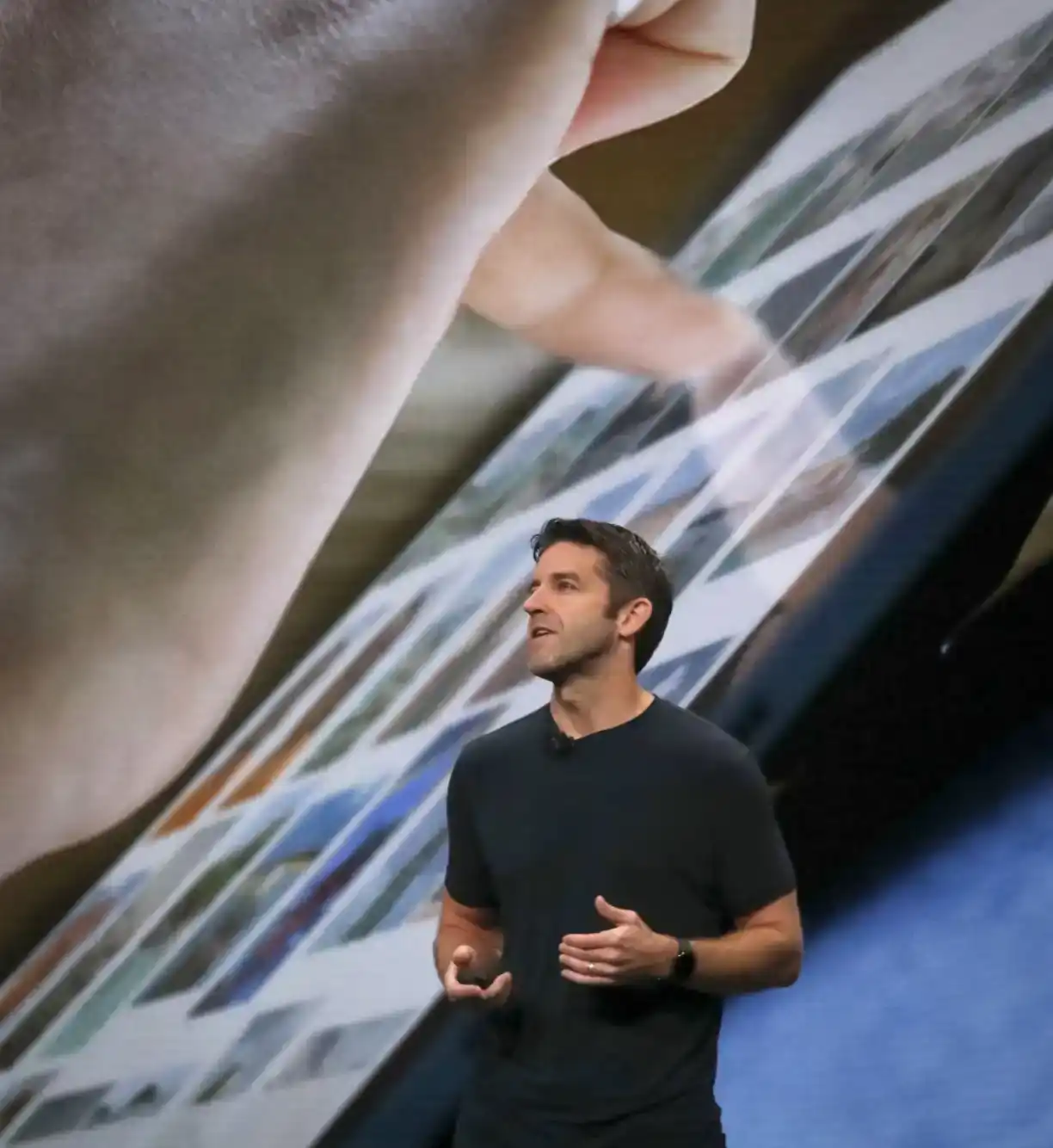
The Mac Mini was long overdue for an update, and John Ternus hoped he wouldn't have to go through design maestro Jony Ive again.

Years ago, before Ternus was chosen to lead one of the world's largest and most influential companies, he was in charge of Apple's Mac hardware division. This was just one of the many stages in his ascent within the relatively closed company, during which he gradually learned to navigate its unique and complex internal politics.

At the time, the AI wave that would later make the Mac Mini hugely popular was still years away, but software developers urgently needed a new version with updated chips. Redesigning the Mini's casing, however, might have required involving Ive's industrial design team, causing additional delays.

According to insiders, after judging that the product did not require major design changes, Ternus decisively pushed for the update. He did not focus much on the product's profit potential but rather on its value to Apple's overall ecosystem. This is just one of many examples showcasing his decisive decision-making, deep understanding of Apple's culture and products, and his ability to get things done within the company.
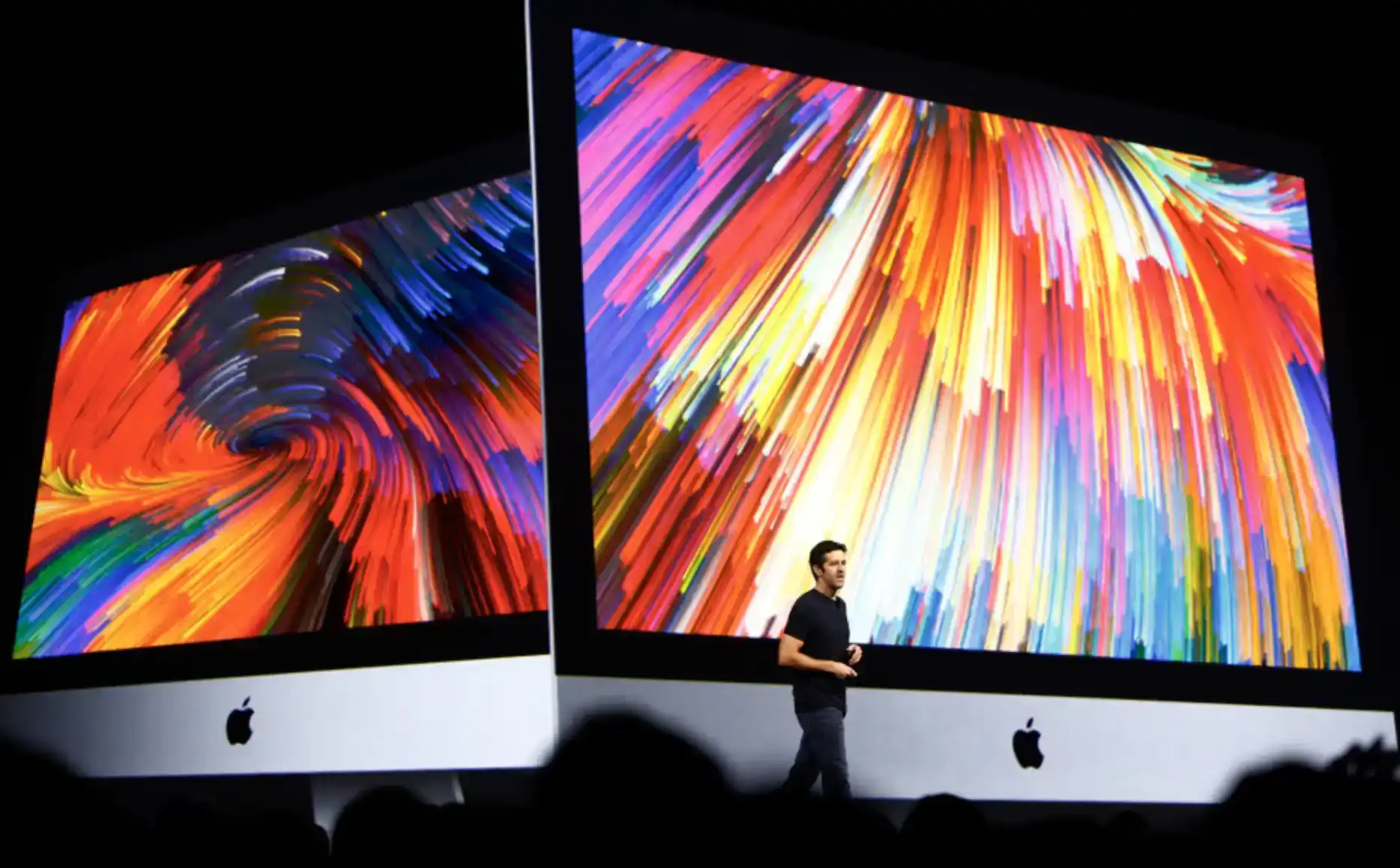
Apple announced on Monday that these qualities, honed over his 25-year career, have propelled Ternus to the company's top position. He will officially assume the role on September 1st, instantly becoming one of the world's most watched corporate leaders. Long-time Apple CEO Tim Cook will transition to the role of Executive Chairman.

Ternus will take over from two corporate legends. Steve Jobs created the most profitable product in history—the iPhone; and Cook extracted trillions of dollars in value from this smartphone through the supply chain system he built and the continuous launch of services and peripheral products.

Similar to when Cook succeeded Jobs, Ternus remains a relatively low-profile figure to the outside world. If Jobs was the product visionary and Cook the supply chain expert, then Ternus is more like a hardware genius somewhere between the two.

With a background in mechanical engineering, Ternus most recently oversaw all hardware engineering for Apple's products. He takes the helm at a critical juncture in Apple's history. Currently, Apple remains at the peak of iPhone sales with the lineup of new models launched last fall, but the company also faces a conundrum—how to find the next blockbuster product.

Additionally, Apple must reinvent itself for the AI era. Over the past few decades, Apple defined how people interact with computing on the desktop and mobile, but now, on the new generation of computing platforms represented by human-like conversational chatbots, the company has fallen behind competitors. Apple's own Siri (expected to receive an "AI brain" upgrade this year) appears quite "primitive" in comparison.
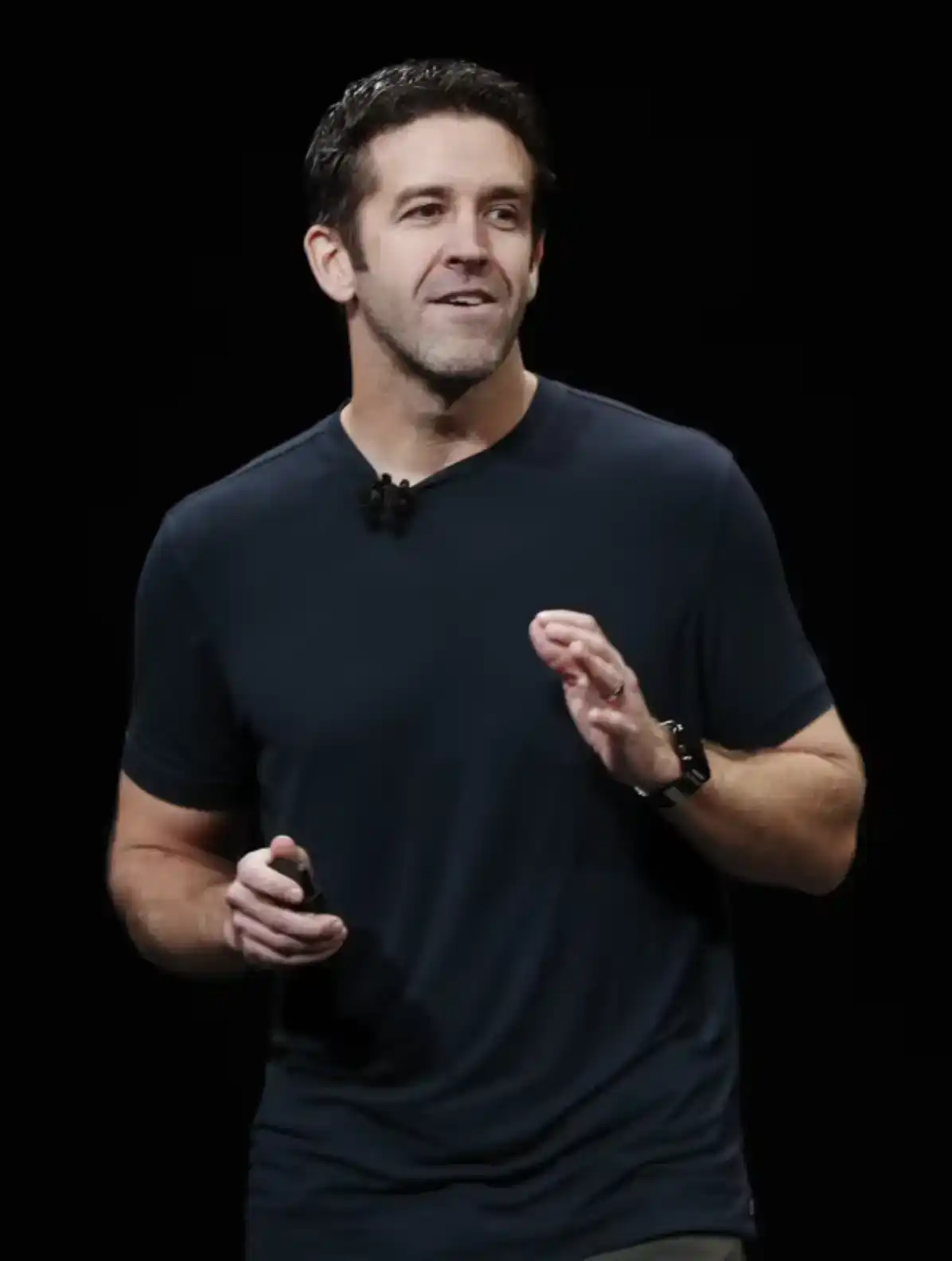
If you ask any Apple employee about Ternus, the answer is almost unanimous: he is a very easy person to get along with. Those who have worked with him describe him as an excellent collaborator who inspires high loyalty in teams; he is calm and rational, and has made almost no enemies in a company historically known for tense internal relationships and strong personalities.

Employees also mention his strong ability to drive items forward in meetings, always focusing the discussion on key points; at the same time, he prefers to communicate directly with frontline employees who are more familiar with product details, rather than through managers who may know less about the specifics.

Outside of Apple, Ternus enjoys driving his Porsche on race tracks, such as Laguna Seca in California. Insiders say his lap times can go under 1 minute 40 seconds, which is quite impressive for an amateur driver.

Ternus is tall and slender, still maintaining the physique he had as a swimmer during his studies at the University of Pennsylvania. His former teammate Andrew Berkowitz recalled: "Ternus is a really good guy." He also mentioned that the team had a tradition—running along the campus's Locust Walk in swim trunks in winter as an annual "initiation" for freshmen.

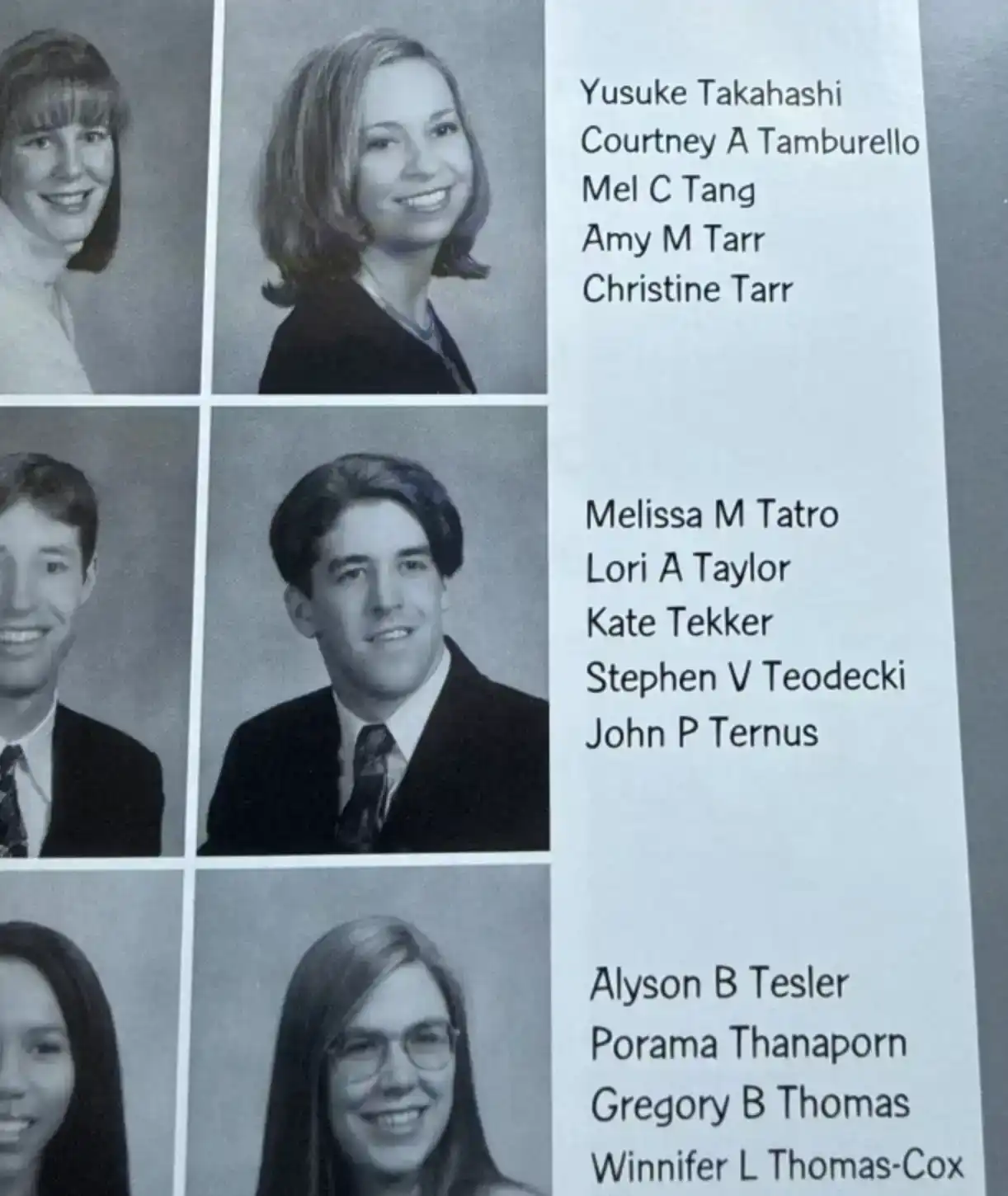
Ternus graduated in 1997, then worked at a virtual reality startup for four years before joining Apple in 2001.
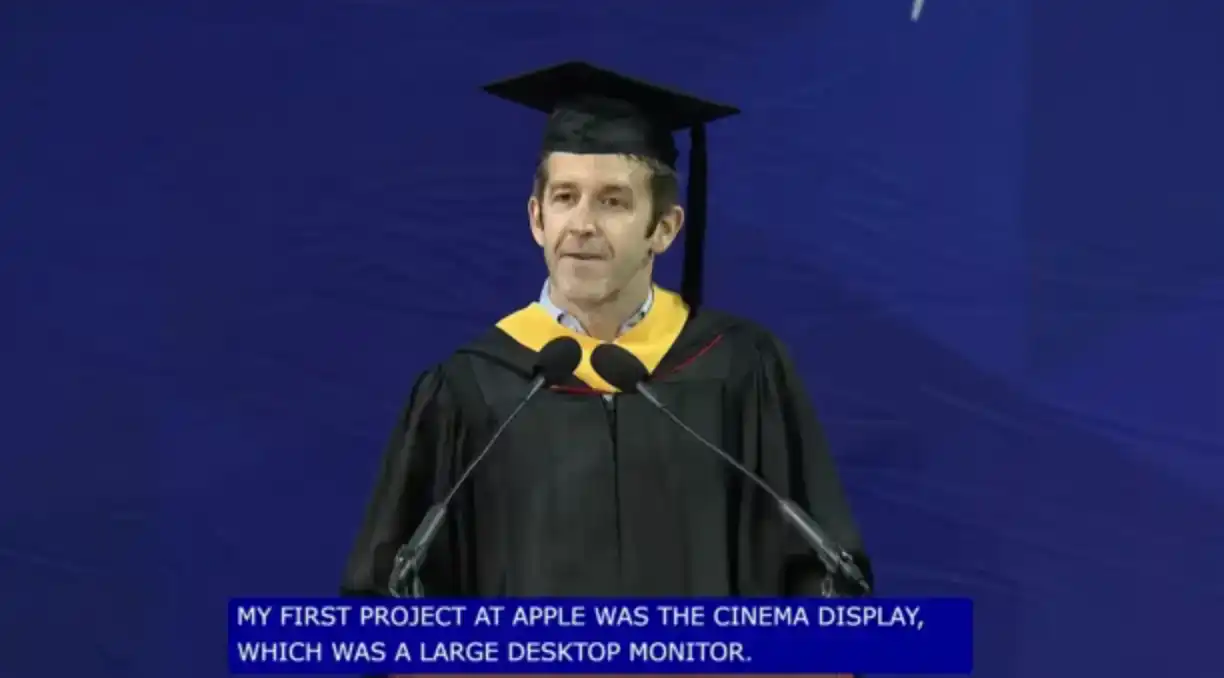
A decade ago, Ternus was one of the key executives responsible for developing AirPods. The product, now an "essential accessory" for the iPhone, had an initial development process notorious for intense internal friction—Ternus's colleagues argued fiercely over how to maintain a stable Bluetooth connection for the wireless earbuds. Ultimately, one executive was forced to leave, and another was transferred to China. Ternus, then not yet 40, managed to stay above the fray.

One of the most significant achievements during Ternus's tenure was driving the transition of Apple's Mac line from Intel chips to in-house designed chips. These chips outperformed the previous Intel solutions in both performance and power efficiency. However, the main credit for this transition usually goes to Apple's head of hardware technologies, Johny Srouji, who will take over and expand Ternus's current hardware engineering responsibilities.

Ternus's coordination skills and his long experience at Apple will be crucial in his new role. Apple's organizational structure is quite unique: unlike other large enterprises divided by business units with general managers, Apple operates on a functional model. Therefore, an "insider" familiar with all aspects of the company has a natural advantage as CEO.

However, according to insiders, Ternus is not known for "making bold moves and betting on high-risk decisions," which leaves an open question: whether he can provide the product vision that external critics believe has been lacking since Steve Jobs's passing.

Ternus is already seen as an important guardian of the company culture. He has hosted numerous internal sharing sessions to motivate employees while repeatedly emphasizing absolute secrecy regarding unreleased products—one of the core tenets established during the Jobs era.

For months, Ternus has been seen as Tim Cook's successor, reflecting Apple's efforts to ensure a smooth power transition—in contrast to the turbulent succession processes of some other established US companies in recent years.

Apple has also been intentionally increasing his public exposure recently.

When unveiling the 2025 device lineup, Ternus personally presented the new iPhone Air; soon after, he was sent to London to greet customers on the first day of sales at the UK flagship store. Last month, he was also responsible for launching the company's latest product—the more affordable MacBook Neo.

A few weeks ago, Apple held its 50th-anniversary celebration at Grand Central Terminal in New York. Only two people were the stars of the day: Cook and Ternus.


Criptomoedas em alta

Perguntas relacionadas

QWhat are the key characteristics and strengths of John Ternus that led to his appointment as Apple's new CEO?

AJohn Ternus is described as a 'systems person' with deep internal knowledge of Apple, strong execution and internal coordination skills, and a profound understanding of the product ecosystem. His decision-making prioritizes ecosystem value over individual product profits. He is known for being a great collaborator, calm, rational, and effective at getting things done within Apple's complex functional organization.

QHow does the article characterize the challenge Ternus faces regarding Apple's position in the AI era?

AThe article states that Apple is falling behind competitors in the new computing paradigm of conversational AI and chatbots, with Siri's capabilities being significantly outpaced. The core challenge is whether Apple's hardware advantage can be transformed into a platform advantage in the AI era, requiring a clear and potentially risky new product direction.

QWhat major internal project is cited as a key achievement for John Ternus during his tenure?

AA major achievement cited for John Ternus was leading the transition of the Mac product line from Intel chips to Apple's own custom-designed silicon, which offered superior performance and power efficiency.

QHow does the article contrast John Ternus's leadership style with that of his predecessors, Steve Jobs and Tim Cook?

AThe article contrasts them by stating Steve Jobs was the product visionary who defined products, Tim Cook was the supply chain expert who optimized execution and monetization, while John Ternus is a hardware genius and 'systems person' focused on internal coordination and efficient operation within the existing ecosystem.

QWhat specific example from the Mac Mini update illustrates Ternus's decision-making philosophy?

AThe example given is Ternus's decision to update the Mac Mini without a major redesign of its外壳 (housing) to avoid delays from Jony Ive's design team. This decision was not based on the product's individual profit potential but on its value to the overall Apple ecosystem, demonstrating his pragmatic and ecosystem-focused approach.

Leituras Relacionadas

Annual Salary of Millions Competing for Electricians, Meta Rushes to Open Its Own Technical School

The AI boom is facing an unexpected bottleneck: a severe shortage of skilled construction workers and electricians. As tech giants like Meta, OpenAI, and Alphabet race to build massive data centers—such as OpenAI's $16 billion "Stargate" project—they are hitting a critical labor wall. The U.S. needs an estimated 130,000 more electricians, 240,000 construction workers, and 150,000 supervisors by 2030 for AI infrastructure alone, but tens of thousands of electrician jobs go unfilled each year. While AI companies offer high premiums, with electricians earning up to $280,000 annually, worker scarcity still causes massive losses—delays on a single project can cost $14.2 million per month. The complexity of building AI data centers, which require immense power (equivalent to powering hundreds of thousands of homes), sophisticated electrical systems, and advanced liquid cooling solutions, demands highly skilled technicians who are in short supply. To combat this, companies are investing heavily in training. Meta has committed $115 million to a free training school offering tuition, housing, and stipends, targeting 5,000 new workers. OpenAI is partnering with unions to secure skilled labor. These efforts are paying off, with a significant rise in Gen Z interest in trade schools over college. However, the power demands are staggering. AI data centers are driving a rapid surge in electricity consumption, projected to account for up to 12% of U.S. power use by 2028 and raising costs for consumers. Furthermore, the construction boom is project-based, leading to a potential future glut of trained workers once building peaks, which could depress wages industry-wide. The race for AI supremacy now depends as much on skilled hands as on advanced chips.

marsbitHá 8m

Annual Salary of Millions Competing for Electricians, Meta Rushes to Open Its Own Technical School

marsbitHá 8m

OpenAI No Longer Sells Its Most Expensive Model for Profit

OpenAI is shifting its business strategy away from promoting its most expensive, flagship models for every task. Recent price cuts—80% for GPT-5.6 Luna and 20% for Terra—signal a deeper change: the company now actively advises users that many tasks don't require the most powerful model. Instead, OpenAI recommends a tiered approach: use the high-end GPT-5.6 Sol for complex planning and analysis, then delegate execution to cheaper models like Luna. This mirrors moves by Anthropic, which recently launched Claude Opus 5 at half the price of its top model, Fable 5. Both companies are de-emphasizing flagship models as primary revenue drivers, using them instead for brand prestige and technological showcases. The industry is entering a "mass-market" phase, similar to automotive, where high-volume, cost-effective models handle daily operations and drive scale. OpenAI's price reductions are partly enabled by AI models themselves optimizing underlying code and infrastructure, creating a self-reinforcing cycle of efficiency gains and cost reduction. Competition is shifting from "who is smartest" to "who offers the best value." The goal is no longer selling individual models but fostering widespread API adoption and ecosystem lock-in. By making AI calls cheap and ubiquitous, companies like OpenAI aim to become the indispensable, utility-like infrastructure powering automated workflows—the "water and electricity" of software, quietly embedded everywhere.

marsbitHá 8m

OpenAI No Longer Sells Its Most Expensive Model for Profit

marsbitHá 8m

Will the Fed Definitely Raise Interest Rates in September? How Will Crypto and U.S. Stocks Withstand the Pressure?

The market's expectation for a September Fed rate hike surged dramatically in early August, jumping from under 50% to over 80% within a week. This shift followed a contentious July FOMC meeting, where a 9-3 vote to hold rates revealed growing dissent from hawkish members advocating for an immediate hike to combat persistent inflation. The primary catalyst for this repricing is rising oil prices, driven by renewed geopolitical tensions around the Strait of Hormuz, which threaten global supply. Energy costs directly influence inflation metrics, making the upcoming July CPI report (due August 12th) a critical data point. If it shows inflation reaccelerating, the probability of a September hike will solidify. For Bitcoin and crypto assets, this is typically bearish news. Bitcoin continues to behave as a high-beta, liquidity-sensitive risk asset. A rate hike raises the opportunity cost of holding non-yielding assets and could drive capital toward money markets, pressuring crypto prices in the short term. However, historical patterns suggest that if a hike is perceived as the end of a tightening cycle rather than the start, any negative price impact may be brief. U.S. stocks, particularly crypto-linked equities like Coinbase and growth-oriented tech stocks, are also vulnerable. Higher rates increase discount rates in valuation models, putting pressure on high-multiple companies. This coincides with a pivotal tech earnings season where investor focus has shifted from massive AI capital expenditure to tangible revenue and cash flow generation. Companies with negative cash flow and weak growth narratives could face heightened volatility if borrowing costs rise in September. In summary, a September Fed hike has evolved into a mainstream market scenario. Key factors to watch are oil prices, the July CPI report, and Fed communications, which will determine the final decision and its impact on volatile crypto and equity markets.

marsbitHá 19m

Will the Fed Definitely Raise Interest Rates in September? How Will Crypto and U.S. Stocks Withstand the Pressure?

marsbitHá 19m

Trading

Spot

Artigos em Destaque

Como comprar ERA

Bem-vindo à HTX.com!Tornámos a compra de Caldera (ERA) simples e conveniente.Segue o nosso guia passo a passo para iniciar a tua jornada no mundo das criptos.Passo 1: cria a tua conta HTXUtiliza o teu e-mail ou número de telefone para te inscreveres numa conta gratuita na HTX.Desfruta de um processo de inscrição sem complicações e desbloqueia todas as funcionalidades.Obter a minha contaPasso 2: vai para Comprar Cripto e escolhe o teu método de pagamentoCartão de crédito/débito: usa o teu visa ou mastercard para comprar Caldera (ERA) instantaneamente.Saldo: usa os fundos da tua conta HTX para transacionar sem problemas.Terceiros: adicionamos métodos de pagamento populares, como Google Pay e Apple Pay, para aumentar a conveniência.P2P: transaciona diretamente com outros utilizadores na HTX.Mercado de balcão (OTC): oferecemos serviços personalizados e taxas de câmbio competitivas para os traders.Passo 3: armazena teu Caldera (ERA)Depois de comprar o teu Caldera (ERA), armazena-o na tua conta HTX.Alternativamente, podes enviá-lo para outro lugar através de transferência blockchain ou usá-lo para transacionar outras criptomoedas.Passo 4: transaciona Caldera (ERA)Transaciona facilmente Caldera (ERA) no mercado à vista da HTX.Acede simplesmente à tua conta, seleciona o teu par de trading, executa as tuas transações e monitoriza em tempo real.Oferecemos uma experiência de fácil utilização tanto para principiantes como para traders experientes.

551 Visualizações TotaisPublicado em {updateTime}Atualizado em 2026.06.02

Como comprar ERA

Discussões

Bem-vindo à Comunidade HTX. Aqui, pode manter-se informado sobre os mais recentes desenvolvimentos da plataforma e obter acesso a análises profissionais de mercado. As opiniões dos utilizadores sobre o preço de ERA (ERA) são apresentadas abaixo.

活动图片












