Editor's Note: From threats of returning to the "Stone Age" to the rapid landing of a two-week ceasefire, the conflict surrounding Iran has undergone a sharp turn in a short period. On the surface, the situation has cooled and markets have rebounded, but the underlying structural issues have not been resolved.
On one hand, Donald Trump, under political and economic pressure, chose to "step down" by implementing a ceasefire to temporarily alleviate market and ally anxieties; on the other hand, Iran has instead strengthened its control over the Strait of Hormuz during the conflict and is attempting to convert this geopolitical advantage into long-term leverage. The so-called "ceasefire" is more like an arrangement to buy time rather than a true resolution of the problem.
Meanwhile, domestic divisions in the United States are intensifying. Within the Republican Party, clear cracks have emerged over whether to cross the war threshold and whether to accept an agreement that falls far short of core objectives. From market volatility to policy flip-flops, this crisis has not only exposed the highly personalized decision-making mechanism but also led the world to reassess U.S. credibility and execution.
In the absence of a clear victory, the conflict is entering a more complex phase: military deterrence, energy games, and political negotiations are intertwined. The real question is no longer "whether to ceasefire," but how this game will be repriced given that all parties' bottom lines remain firm.
Below is the original text:
U.S. President Donald Trump has two weeks to determine whether he has untangled the knot he tied himself regarding Iran or has instead pulled it tighter.
On Tuesday, he announced acceptance of a two-week ceasefire proposal from Iran, a move that brought relief to capitals worldwide and sparked jubilation in financial markets. For now, at least, concerns have temporarily eased that he would continue attacks on civilian infrastructure and drag the region deeper into conflict through a bombing campaign he once described as aiming to bomb Iran "back to the Stone Age."
But beneath the celebratory atmosphere of another Taco Tuesday, the president, known for pulling back at the last moment, has once again stepped back from the brink. A more realistic realization has also emerged: none of the core issues have been resolved.
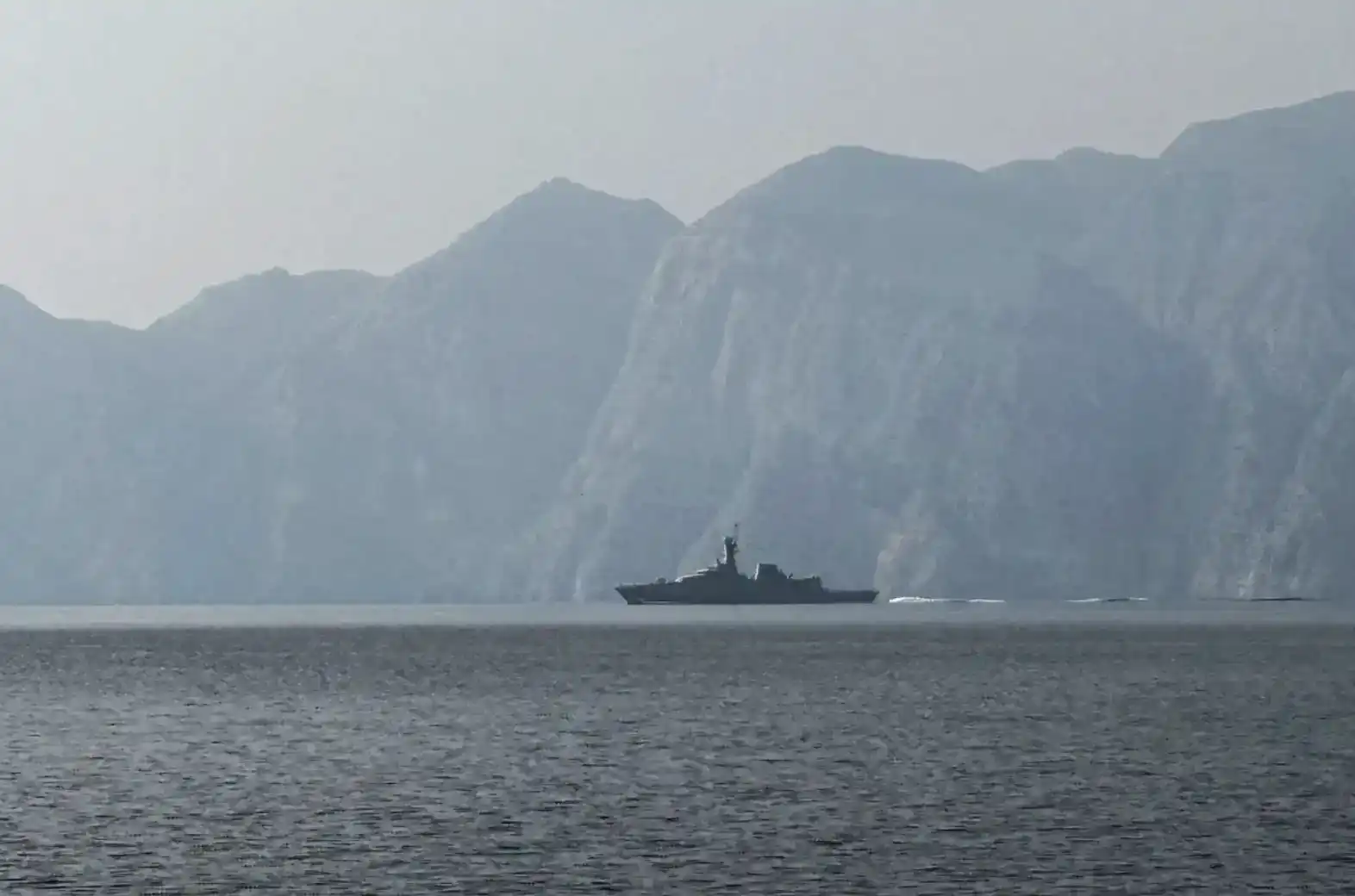
One key unresolved issue is whether the Strait of Hormuz has truly reopened to oil tankers. Although Iran has released vague signals suggesting it would allow more vessels through the reality remains unclear.
Iran has shown little willingness to accept comprehensive U.S. demands, whether to weaken the current regime or install a pro-American leadership as in Venezuela. Meanwhile, Tehran has not publicly committed to meeting Trump's two core demands: permanently abandoning its nuclear program and fully decommissioning its ballistic missile system. Moreover, prior to this, the U.S. president threatened to "erase Iranian civilization," which, if carried out, could itself border on war crimes.
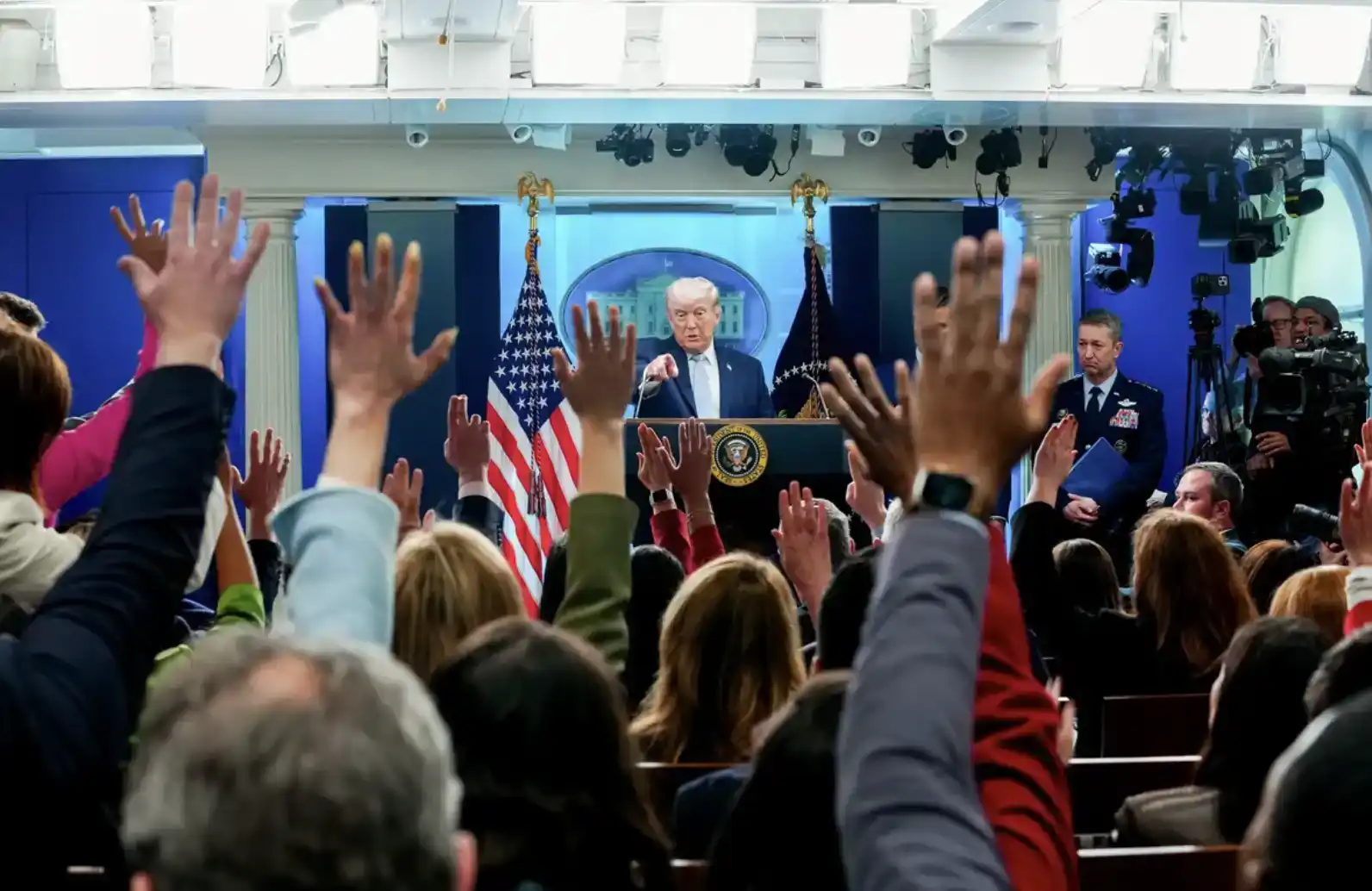
Meanwhile, Trump confirmed that a "ten-point proposal" from Iran would serve as the basis for future negotiations. Tehran had previously demanded the lifting of sanctions and compensation for war damages. This could also mean imposing new fees on vessels passing through the Strait of Hormuz, thereby keeping shipping costs and energy prices high for an extended period.
From a practical perspective, for a U.S. president under significant political and economic pressure and urgently needing an "off-ramp," even if these goals cannot be fully achieved, he may have to accept them.
"Trump clearly very much wants to kick the can down the road again, which is not surprising," said Ian Bremmer, founder of Eurasia Group.
According to a senior government official who spoke on condition of anonymity, as the 8 p.m. Tuesday deadline approached, the White House deliberately created an atmosphere of "suspense." Part of the reason was that the president himself asked his advisory team not to signal anything, leaving outsiders to speculate on his next move. Meanwhile, the U.S. intensified strikes on Iranian military targets, including its main oil export hub Kharg Island, to increase U.S. leverage in negotiations and demonstrate its military capabilities.
According to a White House official, despite being in Hungary to meet with Viktor Orbán, U.S. Vice President JD Vance played a central role in Tuesday's decision-making. At one point, Vance had Donald Trump on speakerphone during an Orbán rally; meanwhile, the official stated that the vice president also privately communicated directly with a Pakistani official acting as a mediator.
The official added that Trump continued consultations with senior U.S. national security officials and Israeli Prime Minister Benjamin Netanyahu throughout the day, eventually confirming the ceasefire terms in a call with a Pakistani army marshal.
Meanwhile, the West Wing was abuzz with the release of a report showing that, prior to the war, senior Trump administration officials were deeply skeptical of Israel's assessment that military strikes could trigger a popular uprising in Iran and lead to a new secular government. The report also revealed Vance's initial opposition to launching strikes and private concerns expressed by other senior advisors.
Against this backdrop, throughout Tuesday, allies from within Trump's political coalition warned him against fulfilling his extreme threat to "end Persian civilization." Conservative podcast hosts even publicly discussed whether the cabinet should consider invoking the 25th Amendment to remove Donald Trump; even his usual Republican supporters on Capitol Hill said his threats to attack power plants and desalination facilities had crossed a line.
Although Trump's Republican Party won a special election in Georgia that day, the margin of victory in this traditionally "safe seat" narrowed significantly, seen as a potential signal of voter dissatisfaction.
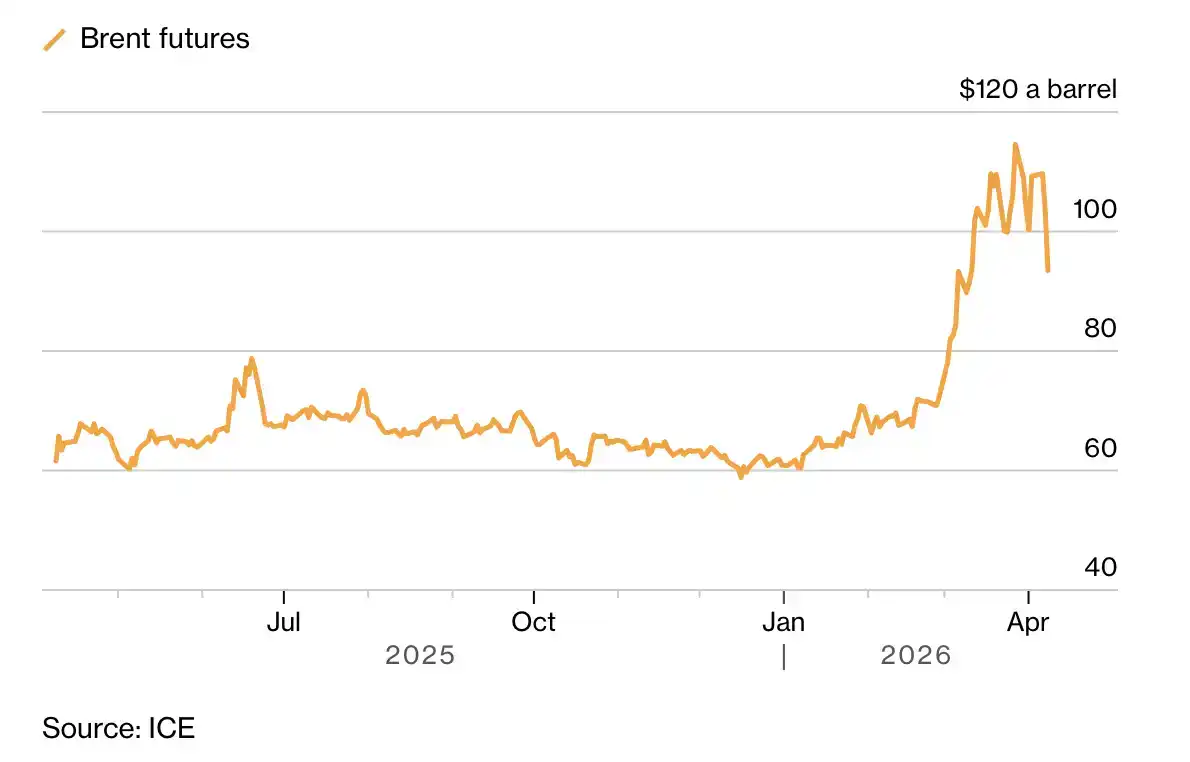
Meanwhile, economic pressures continued to mount. Since the conflict erupted in late February, West Texas Intermediate (WTI) crude prices have risen nearly 70%, pushing gas station rates above $4 per gallon for the first time in years.
Within an hour of Trump's announcement, oil prices fell 11%, highlighting the market's pent-up anxiety over his policy direction. The S&P 500 Index has fallen about 5.2% from its historical high and just recorded its worst quarterly performance since 2022.
Trump's decision was made at the last minute. According to a U.S. official, it wasn't until late Tuesday afternoon, just about two hours before he announced the ceasefire on Truth Social, that the president fully heard the proposal from Pakistan. Whether to accept it and whether it met his conditions ultimately rested entirely with Donald Trump himself.
Unknown Details
Although the president claimed in his statement that he had advanced this "long-standing issue to near resolution," there is little public indication that the military and economic impasse, which has severely impacted his political standing, is moving toward genuine relief.
Jennifer Kavanagh, military analysis director at the libertarian think tank "Defense Priorities," wrote on social media: "It is a relief that Trump chose the off-ramp tonight. But if he was going to back down, he did it in the worst possible way, by raising the stakes maximally, damaging his own credibility and perceptions of U.S. power. This is a clear strategic failure."
In the hours following Trump's ceasefire announcement, White House Press Secretary Karoline Leavitt urged caution regarding reports of face-to-face talks, stating that any substantive progress must be confirmed by the president's formal announcement.
Meanwhile, according to Al Jazeera, Iran's proposal includes demands for U.S. troops to withdraw from their bases and deployments in the region and for the unfreezing of Iranian assets. The likelihood of either the U.S. or Israel accepting these terms appears quite slim.
Although Washington has largely dismissed Iran's public statements throughout the conflict, believing Tehran to be more flexible in private negotiations, this vast gap between public and private positions highlights the deep divisions and distrust Trump must now navigate.
Jonathan Panikoff pointed out that a long-term resolution must address a series of core issues: the future of Iran's nuclear and missile programs, the disposition of highly enriched uranium stockpiles, and permanent guarantees of freedom of navigation. He stated: "With Iran willing to open the Strait of Hormuz, the president's acceptance of a two-week ceasefire does provide him an 'off-ramp' and allows him to claim a phased victory."
Shortly after the ceasefire was announced, Trump told AFP that Iran's uranium stockpiles would be "properly handled," without specifying how, while still calling the agreement a "total victory" for the U.S.
Energy and "Off-Ramp"
Throughout his public career, Trump has never been one to insist on aligning stated goals perfectly with reality; he has repeatedly paved the way for his own "retreat" even when key issues remain unresolved.
He has often backtracked on his most radical policies and threats. For example, a year ago, he quickly conceded on global tariffs just days after implementing them following a significant market downturn.
This time, the administration may be hoping that voter memories are short, the economy will gradually recover from the conflict's impact, and Iran's retaliation—which Trump himself admitted was unexpected—will be digested over time.
But if an agreement close to the president's initial vision ultimately fails to materialize, the White House will inevitably face severe questioning. Jon Hoffman, a defense and foreign policy researcher at the Cato Institute, said: "Overall, Trump's initial goals were extremely radical, including destroying Iran's nuclear program and even promoting regime change, but neither has been achieved."
Connecticut Democratic Senator Chris Murphy warned that if an agreement ultimately solidifies Iran's control over the Strait of Hormuz, it would have "disastrous consequences" for the world. He told CNN: "It doesn't even sound like a real agreement was reached because Trump's account is completely inconsistent with Iran's. If Iran permanently controls the strait as a result, what a serious miscalculation this entire operation would be, how failed it would appear."
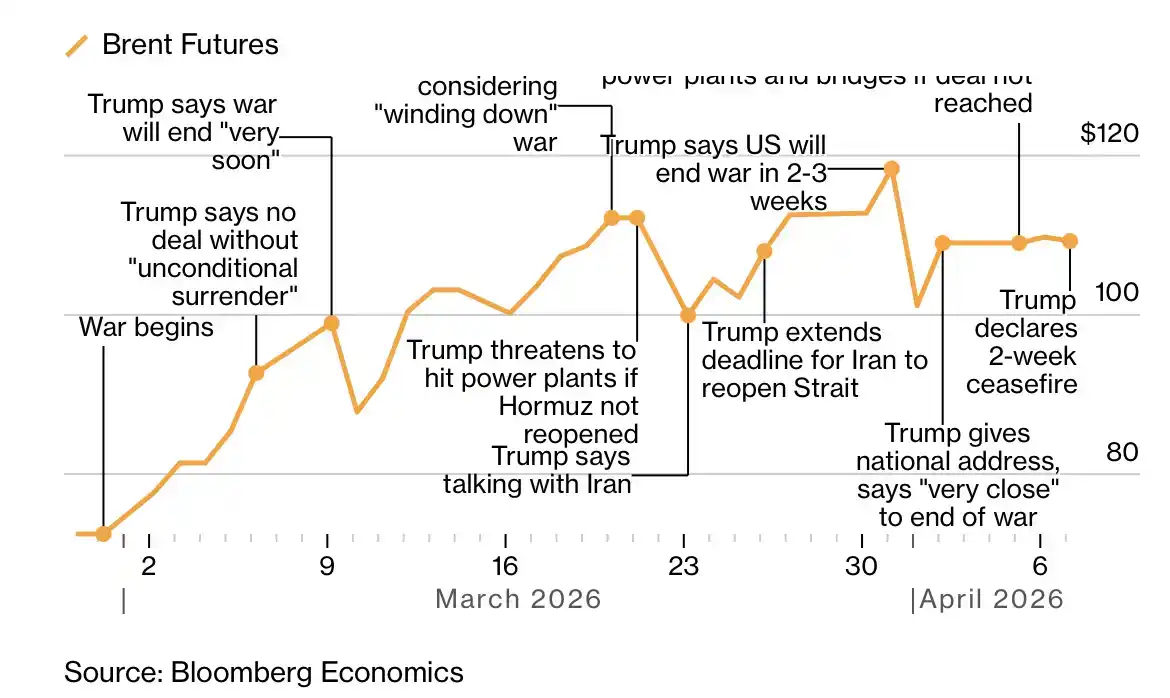
An ironic reality for the United States is that five weeks of hostilities may have actually increased Tehran's leverage in the global economy. During the conflict, Iran effectively strengthened its control over the Strait of Hormuz, nearly closing it to countries it deemed "hostile," and is now pushing a plan to impose "tolls" on oil tankers passing through the waterway.
Clayton Seigle, a senior fellow at the Center for Strategic and International Studies in Washington, said: "It is almost impossible for Iran to relinquish its newly acquired, or at least reinforced, claim to control the strait."
Kevin Book, managing director of Washington-based ClearView Energy Partners, pointed out that the market views this ceasefire as a significant signal largely because it includes a commitment to reopen the Strait of Hormuz.
Meanwhile, the possibility of a sharp short-term decline in oil prices remains low.
ClearView Energy Partners Managing Director Kevin Book said: "The lower bound of the oil price range is still roughly around $100 per barrel." He added that if Donald Trump had actually carried out the threatened strikes and triggered Iranian retaliation, the world could have faced oil prices soaring "without a ceiling."
GOP Internal Rifts
Trump also needs to mend the divisions within his party exposed by this issue. On Tuesday, clear cracks appeared among Republicans over whether to take stronger action against Iran.
Before the ceasefire, Trump warned that "a complete civilization will be destroyed tonight." In response, Texas Representative Nathaniel Moran, who had Trump's endorsement, expressed concern on social media, stating that the U.S. was deviating from "the long-standing principles guiding U.S. national defense."
Wisconsin Republican Senator Ron Johnson said that attacking civilian infrastructure would be "a huge mistake."
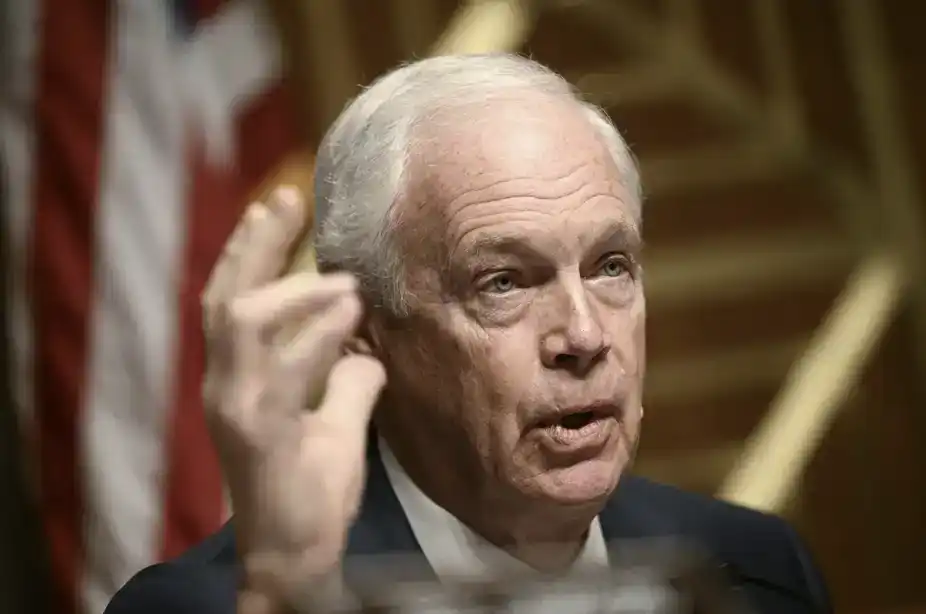
"If he attacks civilian targets, I can no longer support him. Whatever actions we take must comply with the laws of war," Johnson told The Wall Street Journal.
He also told podcast host John Solomon on Monday: "I hope and pray Trump is just bluffing. We are not at war with the Iranian people; our goal is to 'liberate' them." Some former Trump allies, including Tucker Carlson, former Representative Marjorie Taylor Greene, and former White House official Anthony Scaramucci, joined calls for his removal due to his previous threats.
After Trump shifted to de-escalate, conservative influencers Laura Loomer and Senator Lindsey Graham, who were among his main supporters of hardline action against Iran, began expressing concerns about the ceasefire agreement.
"I don't understand why anyone is calling this a victory," conservative influencer Laura Loomer wrote on social media. "The Muslim community, the so-called 'Woke Reich,' and the anti-Trump camp are using these 'negotiations' to attack President Trump, while praising Tucker Carlson's allies and calling for the 25th Amendment to be used against Trump."
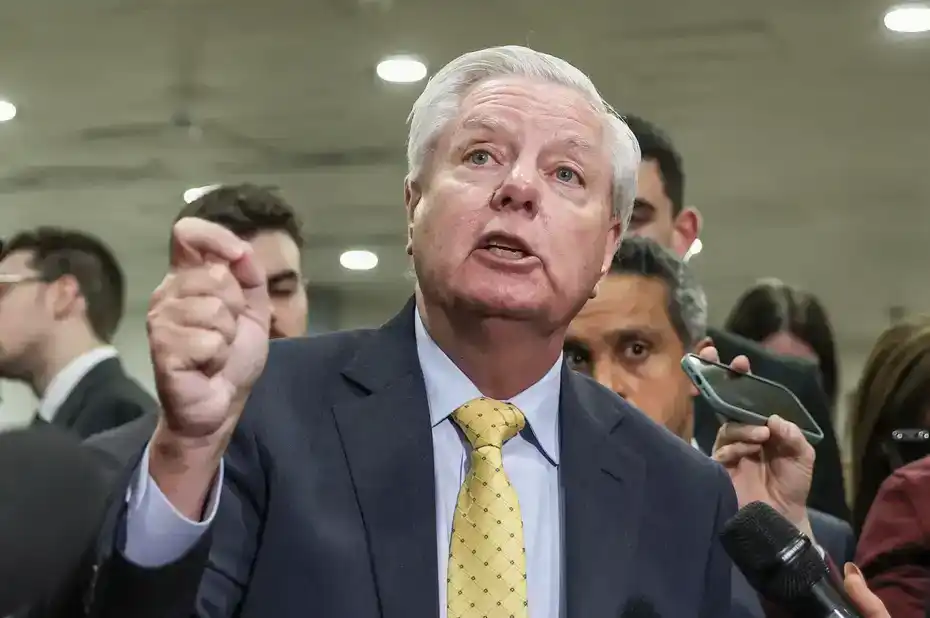
The Republican senator from South Carolina said Americans "must remember that after the war broke out, it was Iran that attacked the Strait of Hormuz, undermining freedom of navigation."
"Going forward, it is crucial that Iran does not receive any reward for this act of hostility against the globe," Graham wrote on social media. He added that the U.S. must ensure control over "every ounce" of highly enriched uranium in Iran.
"Time will tell," the senator said.