SoftBank CEO Masayoshi Son's New Trillion-Dollar "Gamble"

marsbitPublicado em 2026-06-25Última atualização em 2026-06-25

Resumo

SoftBank founder Masayoshi Son is embroiled in a new trillion-dollar "bet" on Physical AI and humanoid robotics, even as his massive wager on OpenAI faces uncertainty ahead of its potential IPO. Recent reports reveal OpenAI's steep losses—$85 billion net loss by Q1 2026 and a $38.5 billion loss in 2025—casting doubt on its path to a trillion-dollar valuation. SoftBank, OpenAI's second-largest external shareholder with a planned 13% stake, stands to gain hugely if OpenAI succeeds. Undeterred, Son is already pushing forward with his next ambitious venture: consolidating SoftBank's AI and robotics assets into a new U.S.-based company named "Roze," targeting a $100 billion IPO as early as late 2026. This move aligns with his belief that Physical AI, merging AI cognition with robotic physical execution, is the next trillion-dollar frontier. Son's confidence stems from recent AI wins; SoftBank's stock surged and he briefly regained the title of Asia's richest person, largely due to OpenAI's soaring valuation. However, his aggressive strategy has raised internal concerns about over-reliance on OpenAI and strained finances. With competitors like Anthropic advancing rapidly and OpenAI's IPO timing uncertain, Son is racing to capitalize on the AI boom. His long-term vision for Physical AI includes a decade of investments in robotics, from Boston Dynamics to recent acquisitions like ABB's robotics unit, and a planned $1 trillion investment in U.S.-based AI robotics industrial parks. ...

On the eve of its IPO, OpenAI's successive exposures of financial crises have introduced new uncertainties into Masayoshi Son's trillion-dollar gamble.

On June 23, The Information reported that OpenAI's IPO filing indicated a net loss of approximately $85 billion for the first quarter of 2026, not yet including non-cash accounting expenses from warrant revaluations due to rising valuations. Its cost of revenue (the expenses required to run its AI models) alone reached $35 billion, about 75 times its capital expenditures.

Just a week earlier, veteran U.S. tech columnist and self-media figure Ed Zitron had also revealed that OpenAI's revenue for 2025 was $13.1 billion, with losses as high as $38.5 billion.

These figures directly impact Masayoshi Son's "trillion-dollar gamble." Son firmly believes OpenAI can become the world's highest-valued company. Currently valued at around $850 billion, the highest market cap belongs to Nvidia at $5 trillion.

To this end, SoftBank has deeply tied itself to OpenAI, with its stake expected to reach about 13%, second only to Microsoft's 27% among external shareholders. If OpenAI can go public with a trillion-dollar valuation, Masayoshi Son will achieve his second legendary milestone.

But now, with OpenAI's IPO chess game unsettled, Masayoshi Son has already begun his next "trillion-dollar gamble."

Not long ago, in an interview with CNBC, he asserted: "The next golden track to birth a 'trillion-dollar market cap company' will be Physical AI and humanoid robots."

For this new "trillion-dollar bet," Son has already begun to act, planning to bundle some of SoftBank's AI and robotics assets together for a separate listing.

According to the Financial Times, SoftBank is establishing a U.S.-based AI and robotics company named "Roze," expected to go public as early as the second half of 2026, targeting a valuation of $100 billion. Informed sources revealed that SoftBank will hold an analyst day event in Texas this July to promote the IPO.

He has won, and he has lost, but Masayoshi Son has never stopped. From his famous victory with Alibaba, to the disastrous failure of WeWork, to heavy bets on Arm and a massive gamble on OpenAI, his investments either yield astronomical profits or incur huge losses.

AI is one of the battlefields where Son has placed his heaviest bets. With OpenAI's valuation soaring past $850 billion, he stands atop the wave once more. But the 68-year-old Son clearly has no plans to stop there. With the OpenAI game still undecided, he is pushing his chips toward Physical AI and humanoid robots.

A

Why does Son dare to gamble again?

Because he has already tasted success with AI.

On June 1, SoftBank's stock price surged 14%, its total market value briefly exceeding 48 trillion yen, topping the list of Japanese listed companies by market cap. The day before, SoftBank had just announced plans to build AI data centers in France. And the day after, thanks to his bets on OpenAI and other AI ventures, Masayoshi Son returned to the top spot on Forbes' real-time billionaire list as Asia's richest person for the first time in over a decade, albeit only for a few days.

Undoubtedly, OpenAI is Son's biggest reliance for his return to the peak. Over the past two years, SoftBank's cumulative investment in OpenAI is expected to reach $64.6 billion, with a stake of approximately 13%.

Son has pinned his hopes on Sam Altman. For this high-stakes gamble, Son has become aggressive again, selling off some assets, including shares in Nvidia and T-Mobile US, and taking out loans collateralized by Arm shares.
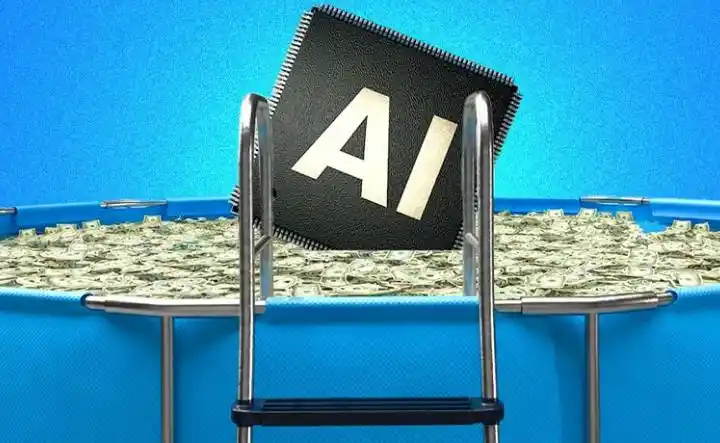
Naturally, there have been doubters. Bloomberg, citing sources, reported that in the early stages of SoftBank's aggressive accumulation of OpenAI shares, internal executives asked Son: What would happen to SoftBank if OpenAI ultimately failed?

Son did not answer directly, only emphasizing his belief that Altman is leading "the most important technological change of this century." At last June's shareholder meeting, Son stated, "I believe OpenAI will eventually go public and become the world's highest-valued company."

The Financial Times also cited senior SoftBank sources saying that Son's engagement with Altman and OpenAI made some within the group uneasy and strained the group's balance sheet.

Another layer of concern within SoftBank is Son's excessive trust in Altman, which has led him to refrain from investing in other competing AI models.

This concern is not unfounded, as the competitive landscape for AI large model companies is changing rapidly.

In March 2025, when SoftBank planned a $40 billion investment in OpenAI, OpenAI was undoubtedly the highest-valued AI company at that time, at $300 billion. Anthropic's valuation was still under $100 billion then. However, the latter's catch-up speed has been extremely fast. A year later, in May 2026, Anthropic's valuation surpassed OpenAI's, approaching $1 trillion, and it filed for an IPO one step ahead.

Nevertheless, Son's attitude has been very firm, as evidenced by his subsequent continued investment in OpenAI.

Betting on OpenAI has indeed given Son a taste of success. According to SoftBank's 2025 financial report, the Vision Fund division gained approximately $46 billion in investment income in the year ending March 31, almost entirely from OpenAI's valuation surge.

But market conditions are ever-changing. SpaceX, which went public just half a month ago, has seen its market cap fall from a peak of $2.7 trillion, now approaching a drop below the $2 trillion mark.

For Son, delays breed risks; no one knows when the AI bubble might burst, so going public sooner is safer.

However, the situation remains unclear. Anthropic submitted its IPO filing a step ahead; OpenAI followed closely but has always been a step behind. According to The Information, OpenAI might go public in late August or early September.

Dan Ives, Global Head of Tech Research at Wedbush Securities, also pointed out, "Being first to the public market is crucial; the first person on the roadshow with investors has an advantage." Institutional traders believe the probability of OpenAI achieving this抢先 is only slightly above 32%.

With competitors closing in, OpenAI's hand is far from as strong as imagined. High costs, failure to meet revenue and growth targets, management changes, and successive exposures of financial crises have all cast a shadow over its IPO prospects.

However, for Son, risk is not a reason to stop betting. He has experienced more painful failures and won gambles through long waits.

In 2016, SoftBank acquired Arm for $32 billion. For years thereafter, this deal was considered one of Son's worst decisions, with IPO plans shelved and failed sale attempts. But Son waited until 2023, when Arm successfully went public. SoftBank holds a 90% stake; based on Arm's latest market cap of $440 billion, SoftBank's stake is worth over $390 billion.

For Son, aside from waiting now, the strategy is to "place bets on multiple tables simultaneously."

Thus, with the OpenAI game not yet concluded, he is already impatient to place his next bet, preparing to make a move in the Physical AI and humanoid robot赛道.

B

Actually, Son has been laying the groundwork for Physical AI and humanoid robots for over a decade. This is a more隐秘 and long-term line in his AI blueprint. Because Son believes AI will ultimately move from the digital world to physical reality.

As early as 2012, SoftBank acquired the French humanoid robot pioneer Aldebaran, forming SoftBank Robotics (SBRH) and launching the emotional interaction robot Pepper.

In 2017, SoftBank acquired Boston Dynamics from Alphabet. At the launch event in July that year, Son invited Boston Dynamics founder Marc Raibert to speak on stage. Raibert said he believed "robots will be bigger than the internet." Son responded, "We will change the world together. We'll put a lot of artificial intelligence into robots."

However, both acquisitions faced坎坷. Perhaps due to poor timing, Pepper was discontinued in 2020; Boston Dynamics was also sold to Hyundai Motor due to commercialization issues.

But Son did not give up; he just changed his approach. He shifted focus to industrial and logistics automation, such as investing in collaborative robot company Agile Robots, acquiring warehouse logistics robot company Berkshire Grey. Additionally, SoftBank invested in delivery robots for餐饮 hotels like擎朗智能, commercial cleaning robots like高仙机器人, and medical rehabilitation robots like傅利叶, focusing on robots with clear application scenarios.

It wasn't until the explosion of AI large models that humanoid robots returned to the spotlight. Silicon Valley giants纷纷入局: $39 billion-valued FigureAI has backing from Microsoft, Nvidia, Amazon, OpenAI; Skild AI has support from Nvidia, Bezos; Musk even claimed he would transform Tesla into a $25 trillion robot company.

Son struck again. In 2024, SoftBank led SkildAI's Series C funding, betting on the "general-purpose robot brain"; last October, SoftBank acquired ABB's robotics business for $5.4 billion, betting on physical robots, where the latter's robot manufacturing capabilities are more crucial.

This is not all.

Son's ambitions for humanoid robots are even greater. Last April, Son announced plans to invest $1 trillion in building multiple AI factory-equipped industrial parks in the U.S., focusing on promoting the large-scale application of humanoid robots in manufacturing. This investment scale far exceeds his involvement in the Stargate project, which has an initial investment of $500 billion.

With such a vast棋局 laid out by Son, it's not hard to understand why he wants to bundle SoftBank's AI and robotics assets for a separate listing, targeting the new trillion-dollar赛道.

Why is Son so obsessed with the "trillion-dollar gamble"?

This goes back many years. As early as 2017, while raising the $100 billion for SoftBank Vision Fund I, Son promised Saudi Crown Prince Mohammed bin Salman: "I will give you a $1 trillion gift: you invest $100 billion in my fund, and I will give you $1 trillion in returns."

Ultimately, the Saudi Public Investment Fund (PIF) invested $45 billion, becoming the largest LP of the SoftBank Vision Fund.

But to this day, Son has not fulfilled his initial trillion-dollar promise.
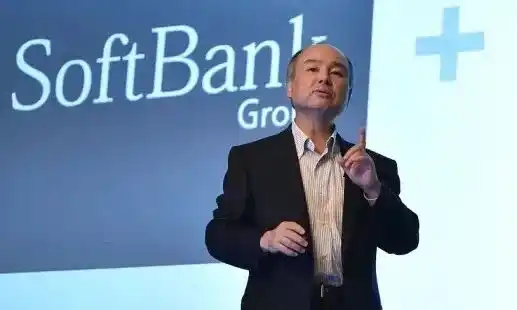
According to "AGBI (Arab Gulf Business Insight)" citing Bloomberg, in February last year, at a roundtable during the Saudi Public Investment Institute Forum in Miami, Son admitted: "I haven't been able to bring him (Mohammed bin Salman) a sufficiently substantial return yet. I still owe him this debt."

This "debt" became Son's motivation, and AI恰好 gave him hope for a comeback. Thus, it's easy to understand why Son dares to make huge bets on OpenAI, gamble heavily on AI, and even go all-in on global AI infrastructure.

In January last year, SoftBank, together with OpenAI and Oracle, planned a total investment of $500 billion to establish "Stargate," building AI data centers in the U.S.; this May, SoftBank announced plans to invest 75 billion euros in building AI data centers in France.

For this, Son once publicly challenged Musk. On June 23, at an internal SoftBank meeting, Son objected to Musk's "space data center" concept, stating that the outcome of the AI race would depend on computing power on Earth, and space data centers were of little value.

After all, computing power is crucial to Son's AI chess game. Computing power, models, chips—Son has gathered the core assets of the AI digital world. To bring AI into physical reality, there is one crucial component left: robots. Thus, Son quietly began preparing his next IPO target.

C

This is how Roze surfaced.

Roze's定位 aligns perfectly with Son's反复提及的 "Physical AI"—combining AI's cognitive abilities with robots' physical execution capabilities.

It is an AI infrastructure platform encompassing data centers, chips, and robotics. According to the Financial Times, Roze's core assets include the data center platform DigitalBridge acquired by SoftBank for $3 billion, chip company Ampere Computing acquired for $6.5 billion, and the robotics division of ABB acquired for $5.4 billion.

By bundling these assets together, Son is betting on "Physical AI," a new trillion-dollar赛道.

As the new trillion-dollar gamble begins,质疑 are again涌向 Son.

The Financial Times reported that despite Son's optimism, some within SoftBank are skeptical about Roze's IPO valuation ($100 billion) and proposed timeline. Some SoftBank executives consider this target overly ambitious, as it relies on rapid expansion of the data center business.

A company "hurriedly拼凑," rushing to go public,难免 seems仓促.

But Son cannot wait. The massive bets on AI are pushing SoftBank's leverage接近极限. A SoftBank insider stated that SoftBank needs to quickly sell or monetize assets to sustain its spending pace. Among these, OpenAI's IPO is a核心 part of Son's plan to reduce leverage.

Roze's上市 carries a similar mission. The investment in OpenAI alone exceeds $64.6 billion,加上 the Stargate project and the trillion-dollar humanoid robot parks—each is an astronomical sum. Son urgently needs Roze to go public to续上 ammunition for this AI gamble.

However, Roze's $100 billion valuation first faces a残酷 reality: at this stage, the valuation of humanoid robots overall is difficult to rise.

The highest-valued humanoid robot company, Figure AI, has a latest valuation of $39 billion, a 24-fold difference from Anthropic's nearly $1 trillion valuation.

One reason is that AI large models have established clear commercialization paths and foreseeable growth prospects. For example, Anthropic has annualized revenue of $47 billion. Figure AI hasn't reached that stage yet.

A deeper gap lies in the fact that Anthropic has重构 the existing industry格局, taking away most of the market share originally held by the traditional software industry. Humanoid robots, for now, are more like大型摇操玩具, let alone having a颠覆性 impact on industries.

The落地 of Physical AI also faces multiple现实困境, such as the割裂 between brain and body and unclear commercialization paths, all of which require time.

Son's plans are good, just somewhat太遥远. Looking back, we see he waited over a decade for Alibaba, seven years for Arm—each high-stakes gamble involved a long wait. Roze might be the same; the outcome and how long Son must wait remain to be seen.

References:

《SoftBank plans to list new AI and robotics company in the US》Financial Times

《Masayoshi Son's 300-Year Vision: SoftBank Swallows the World》Zhixiang Wang

《SoftBank CEO admits failing to deliver returns to PIF》AGBI

《SoftBank plans $1 trillion investment in U.S. AI robot parks》Nikkei Asia

《OpenAI to file IPO documents, aims for autumn listing, valuation could reach $1 trillion, SoftBank Group's stock price surges 20%》National Business Daily

《Explosive! OpenAI financial report leaked: lost 260 billion last year》Zhidongxi

This article is from the WeChat public account "字母榜" (ID: wujicaijing), author: Xue Yaping, editor: Wang Jing

Criptomoedas em alta

Perguntas relacionadas

QWhat is the name of the new company that SoftBank is reportedly forming in the US to focus on AI and robotics, and what is its target valuation for IPO?

ASoftBank is reportedly forming a new company called 'Roze' in the US, focusing on AI and robotics, with a target IPO valuation of $100 billion.

QWhat is the main reason cited for Masayoshi Son launching a new 'trillion-dollar bet' on Physical AI and humanoid robots while the OpenAI investment is still pending?

AMasayoshi Son is launching a new 'trillion-dollar bet' on Physical AI and humanoid robots because he believes it is the next golden track to create a trillion-dollar market cap company, and he is diversifying his investments while awaiting OpenAI's IPO outcome.

QWhat significant internal concern about Masayoshi Son's investment strategy in OpenAI is mentioned in the article?

AA significant internal concern mentioned is that Masayoshi Son's excessive trust in Sam Altman and OpenAI led him not to invest in other competing AI models, which could be risky as the competitive landscape changes rapidly.

QWhat is the 'debt' or unfulfilled promise that motivates Masayoshi Son to pursue these massive AI investments, according to the article?

AAccording to the article, Masayoshi Son is motivated by an unfulfilled promise he made to Saudi Arabia's Crown Prince Mohammed bin Salman to deliver a $1 trillion return on the Public Investment Fund's $45 billion investment in the SoftBank Vision Fund.

QWhat are some of the major challenges or realities that the Physical AI and humanoid robot sector faces, which could impact Roze's ambitious valuation?

AMajor challenges include: the valuation gap compared to pure AI software companies (e.g., Anthropic's near-$1 trillion vs. Figure AI's $39 billion), unclear commercialization paths, the disconnection between AI 'brains' and physical robot 'bodies', and the fact that humanoid robots have not yet created a disruptive impact on existing industries.

Leituras Relacionadas

Super Spiral Mega-Boom, Micron's Earnings Report Rekindles the Semiconductor Bull Run

On June 25, 2026, Micron Technology released its blockbuster Q3 FY2026 results, significantly exceeding market expectations and reigniting confidence in the semiconductor bull market. Revenue soared to $41.456 billion (vs. ~$35.4B expected), up 346% year-over-year, while GAAP net profit surged nearly 15 times to $28.243 billion. Guidance for Q4 was even more striking, with projected revenue of approximately $50 billion, far surpassing prior estimates. The report highlighted that the AI boom is now fueling growth across Micron's entire product stack, not just HBM. Cloud memory, core data center, SSD, mobile, and automotive businesses all saw revenue growth exceeding 250-600%, with margins hovering around 80%. While HBM4 is already in volume shipment and 2026 capacity is sold out, AI-driven demand is also tightening supply for traditional DRAM and NAND, sustaining a strong pricing cycle. A pivotal development is Micron's shift toward a "demand-first" model. The company disclosed 16 long-term strategic customer agreements (SCAs), most spanning 5 years to 2030, covering about 20% of DRAM and one-third of NAND shipments. These are take-or-pay contracts, with 14 agreements already securing roughly $100 billion in guaranteed future revenue and $22 billion in customer performance assurances. To fulfill this locked-in demand, Micron plans substantial capacity expansion, with Q4 capital expenditure projected at ~$10 billion. This investment, backed by concrete long-term orders rather than cyclical speculation, marks a historic change for the memory industry. Following the earnings release, Micron's stock surged 16% after-hours, lifting the broader semiconductor sector globally. The report served as a powerful signal that AI infrastructure build-out is accelerating, with memory positioned as a central protagonist in the ongoing narrative.

Odaily星球日报Há 19m

Super Spiral Mega-Boom, Micron's Earnings Report Rekindles the Semiconductor Bull Run

Odaily星球日报Há 19m

Deciphering the Ethereum Foundation's New Structure: Reaffirming Self-Sovereignty Amid Institutionalization Trends

Summary: The Ethereum Foundation (EF) has announced a major restructuring, laying off 20% of its staff and introducing a new five-layer operational framework. This move aims to clarify the EF's mission and reaffirm Ethereum's core principle of self-sovereignty amidst growing institutionalization in the crypto space. The five layers are: 1. **Protocol Layer**: Focuses on maintaining Ethereum's foundational "CROPS" values—Censorship-resistant, Robust, Open, Private, and Secure. This involves core technical work like secure hard forks and mitigating toxic MEV. 2. **Access Layer**: Ensures users can practically exercise self-sovereignty through actions like reading the chain and making transactions. A key principle is the "zero option," meaning a trusted, non-intermediated path must always exist as an alternative to any centralized service. 3. **User Layer**: Bridges the protocol and access layers by grounding EF's work in the real needs of users and organizations. This is seen as crucial for moving beyond a purely research-driven approach and ensuring development effectively serves the ecosystem. 4. **Community Layer**: Responsible for building and maintaining consensus around Ethereum's core values both internally and externally. This involves guarding against centralization, upholding technological neutrality, and preventing short-term commercial interests from undermining CROPS principles. 5. **Institutional Layer**: Manages EF's engagement with institutions, but with the precondition of self-sovereignty. The goal is not to make it easier for institutions to control users, but to demonstrate how Ethereum's technology can enable better integrations. The article argues that while institutional adoption brings legitimacy, it also risks diluting crypto's foundational ethos of decentralization. The new structure represents EF's effort to navigate this tension, upholding its core mission while actively engaging with a broader, more complex ecosystem.

marsbitHá 38m

Deciphering the Ethereum Foundation's New Structure: Reaffirming Self-Sovereignty Amid Institutionalization Trends

marsbitHá 38m

OpenRouter: How Did This 'AI Model Relay Station' Achieve a $10 Billion Valuation?

OpenRouter: The Model Router Building a $10B+ Company This article explores OpenRouter, a platform that aggregates access to over 400 AI models from 70+ providers (like OpenAI, Claude, Gemini) through a single API. It has grown into a unicorn with a $1.3B valuation by 2026, processing massive scale—reaching 100 trillion tokens monthly. Its core value isn't just being a "model supermarket." For developers building real-world AI applications, managing multiple models for different tasks (e.g., cheap models for titles, powerful ones for long articles) is complex. OpenRouter acts as a critical "model scheduling layer," handling routing, failover between providers, cost optimization, and enterprise features like zero-data-retention policies and budget controls. OpenRouter's business model is a "toll fee": it charges a small platform fee (5.5%) on purchased credits while passing model costs directly to users. Its revenue scales with the tokens flowing through its system, which saw explosive growth as AI apps evolved. Key growth drivers include: 1) The explosion of specialized models, increasing choice complexity; 2) AI apps shifting focus from performance to cost optimization; 3) The rise of AI agents that require more reliable, multi-step model calls. However, risks remain. Large enterprises or cloud providers (AWS, Google Cloud) could build similar internal gateways. Its position between model suppliers and developers could also create future tension over pricing and data control. To stay ahead, OpenRouter must deepen its enterprise features and prove it's more than just a request forwarder.

marsbitHá 57m

OpenRouter: How Did This 'AI Model Relay Station' Achieve a $10 Billion Valuation?

marsbitHá 57m

Bitcoin Falls Below $60,000 Again; After 20 Months, We've Reached a New Low

Bitcoin Drops Below $60,000, Hitting a 20-Month Low Bitcoin fell below the key $60,000 psychological level again, reaching a low of $59,023—its lowest point in approximately 20 months, dating back to October 2024. While it later recovered slightly to around $60,600, this marks its third significant breach of $60,000 this year. The downturn is attributed to two primary factors. First, U.S. spot Bitcoin ETFs are experiencing their longest streak of net outflows since launch, with nearly $5.94 billion withdrawn over 30 days. This creates sustained selling pressure as Authorized Participants sell Bitcoin to meet redemptions. Second, shifting macroeconomic expectations are adding pressure. Strong U.S. job data and hawkish remarks from Fed officials have increased market pricing for potential rate hikes, reversing the earlier liquidity-driven bullish sentiment and prompting a shift away from risk assets like Bitcoin. Analyst views are mixed. 21Shares maintains a bullish long-term outlook, expecting prices to recover towards $100,000, citing historical post-halving cycles and substantial ETF holdings as a base. In contrast, Arthur Hayes predicts a potential bottom around $40,000 within six months due to persistent Fed hawkishness. CryptoQuant suggests, based on on-chain data, that the market may not find a bottom until prices fall below the average investor cost basis around $53,000, potentially extending the bearish phase into late 2026 or early 2027. The immediate focus is on upcoming U.S. inflation data and Fed signals. Lower-than-expected CPI could offer relief, but confirmation of sticky inflation or continued ETF outflows may lead to further downside pressure. Bitcoin's ability to hold above $60,000 remains a critical test for the near-term market direction.

Odaily星球日报Há 1h

Bitcoin Falls Below $60,000 Again; After 20 Months, We've Reached a New Low

Odaily星球日报Há 1h

Trading

Spot
Futuros

Artigos em Destaque

O que é $S$

Compreender o SPERO: Uma Visão Abrangente Introdução ao SPERO À medida que o panorama da inovação continua a evoluir, o surgimento de tecnologias web3 e projetos de criptomoeda desempenha um papel fundamental na formação do futuro digital. Um projeto que tem atraído atenção neste campo dinâmico é o SPERO, denotado como SPERO,$$s$. Este artigo tem como objetivo reunir e apresentar informações detalhadas sobre o SPERO, para ajudar entusiastas e investidores a compreender as suas bases, objetivos e inovações nos domínios web3 e cripto. O que é o SPERO,$$s$? O SPERO,$$s$ é um projeto único dentro do espaço cripto que procura aproveitar os princípios da descentralização e da tecnologia blockchain para criar um ecossistema que promove o envolvimento, a utilidade e a inclusão financeira. O projeto é concebido para facilitar interações peer-to-peer de novas maneiras, proporcionando aos utilizadores soluções e serviços financeiros inovadores. No seu núcleo, o SPERO,$$s$ visa capacitar indivíduos ao fornecer ferramentas e plataformas que melhoram a experiência do utilizador no espaço das criptomoedas. Isso inclui a possibilidade de métodos de transação mais flexíveis, a promoção de iniciativas impulsionadas pela comunidade e a criação de caminhos para oportunidades financeiras através de aplicações descentralizadas (dApps). A visão subjacente do SPERO,$$s$ gira em torno da inclusão, visando fechar lacunas dentro das finanças tradicionais enquanto aproveita os benefícios da tecnologia blockchain. Quem é o Criador do SPERO,$$s$? A identidade do criador do SPERO,$$s$ permanece algo obscura, uma vez que existem recursos publicamente disponíveis limitados que fornecem informações detalhadas sobre o(s) seu(s) fundador(es). Esta falta de transparência pode resultar do compromisso do projeto com a descentralização—uma ética que muitos projetos web3 partilham, priorizando contribuições coletivas em vez de reconhecimento individual. Ao centrar as discussões em torno da comunidade e dos seus objetivos coletivos, o SPERO,$$s$ incorpora a essência do empoderamento sem destacar indivíduos específicos. Assim, compreender a ética e a missão do SPERO é mais importante do que identificar um criador singular. Quem são os Investidores do SPERO,$$s$? O SPERO,$$s$ é apoiado por uma diversidade de investidores que vão desde capitalistas de risco a investidores-anjo dedicados a promover a inovação no setor cripto. O foco desses investidores geralmente alinha-se com a missão do SPERO—priorizando projetos que prometem avanço tecnológico social, inclusão financeira e governança descentralizada. Essas fundações de investidores estão tipicamente interessadas em projetos que não apenas oferecem produtos inovadores, mas que também contribuem positivamente para a comunidade blockchain e os seus ecossistemas. O apoio desses investidores reforça o SPERO,$$s$ como um concorrente notável no domínio em rápida evolução dos projetos cripto. Como Funciona o SPERO,$$s$? O SPERO,$$s$ emprega uma estrutura multifacetada que o distingue de projetos de criptomoeda convencionais. Aqui estão algumas das características-chave que sublinham a sua singularidade e inovação: Governança Descentralizada: O SPERO,$$s$ integra modelos de governança descentralizada, capacitando os utilizadores a participar ativamente nos processos de tomada de decisão sobre o futuro do projeto. Esta abordagem promove um sentido de propriedade e responsabilidade entre os membros da comunidade. Utilidade do Token: O SPERO,$$s$ utiliza o seu próprio token de criptomoeda, concebido para servir várias funções dentro do ecossistema. Esses tokens permitem transações, recompensas e a facilitação de serviços oferecidos na plataforma, melhorando o envolvimento e a utilidade gerais. Arquitetura em Camadas: A arquitetura técnica do SPERO,$$s$ suporta modularidade e escalabilidade, permitindo a integração contínua de funcionalidades e aplicações adicionais à medida que o projeto evolui. Esta adaptabilidade é fundamental para manter a relevância no panorama cripto em constante mudança. Envolvimento da Comunidade: O projeto enfatiza iniciativas impulsionadas pela comunidade, empregando mecanismos que incentivam a colaboração e o feedback. Ao nutrir uma comunidade forte, o SPERO,$$s$ pode melhor atender às necessidades dos utilizadores e adaptar-se às tendências do mercado. Foco na Inclusão: Ao oferecer taxas de transação baixas e interfaces amigáveis, o SPERO,$$s$ visa atrair uma base de utilizadores diversificada, incluindo indivíduos que anteriormente podem não ter participado no espaço cripto. Este compromisso com a inclusão alinha-se com a sua missão abrangente de empoderamento através da acessibilidade. Cronologia do SPERO,$$s$ Compreender a história de um projeto fornece insights cruciais sobre a sua trajetória de desenvolvimento e marcos. Abaixo está uma cronologia sugerida que mapeia eventos significativos na evolução do SPERO,$$s$: Fase de Conceituação e Ideação: As ideias iniciais que formam a base do SPERO,$$s$ foram concebidas, alinhando-se de perto com os princípios de descentralização e foco na comunidade dentro da indústria blockchain. Lançamento do Whitepaper do Projeto: Após a fase conceitual, um whitepaper abrangente detalhando a visão, os objetivos e a infraestrutura tecnológica do SPERO,$$s$ foi lançado para atrair o interesse e o feedback da comunidade. Construção da Comunidade e Primeiros Envolvimentos: Esforços ativos de divulgação foram feitos para construir uma comunidade de primeiros adotantes e investidores potenciais, facilitando discussões em torno dos objetivos do projeto e angariando apoio. Evento de Geração de Tokens: O SPERO,$$s$ realizou um evento de geração de tokens (TGE) para distribuir os seus tokens nativos a apoiantes iniciais e estabelecer liquidez inicial dentro do ecossistema. Lançamento da dApp Inicial: A primeira aplicação descentralizada (dApp) associada ao SPERO,$$s$ foi lançada, permitindo que os utilizadores interagissem com as funcionalidades principais da plataforma. Desenvolvimento Contínuo e Parcerias: Atualizações e melhorias contínuas nas ofertas do projeto, incluindo parcerias estratégicas com outros players no espaço blockchain, moldaram o SPERO,$$s$ em um jogador competitivo e em evolução no mercado cripto. Conclusão O SPERO,$$s$ é um testemunho do potencial do web3 e das criptomoedas para revolucionar os sistemas financeiros e capacitar indivíduos. Com um compromisso com a governança descentralizada, o envolvimento da comunidade e funcionalidades inovadoras, abre caminho para um panorama financeiro mais inclusivo. Como em qualquer investimento no espaço cripto em rápida evolução, potenciais investidores e utilizadores são incentivados a pesquisar minuciosamente e a envolver-se de forma ponderada com os desenvolvimentos em curso dentro do SPERO,$$s$. O projeto demonstra o espírito inovador da indústria cripto, convidando a uma exploração mais aprofundada das suas inúmeras possibilidades. Embora a jornada do SPERO,$$s$ ainda esteja a desenrolar-se, os seus princípios fundamentais podem, de facto, influenciar o futuro de como interagimos com a tecnologia, as finanças e uns com os outros em ecossistemas digitais interconectados.

73 Visualizações TotaisPublicado em {updateTime}Atualizado em 2024.12.17

O que é $S$

O que é AGENT S

Agent S: O Futuro da Interação Autónoma no Web3 Introdução No panorama em constante evolução do Web3 e das criptomoedas, as inovações estão constantemente a redefinir a forma como os indivíduos interagem com plataformas digitais. Um projeto pioneiro, o Agent S, promete revolucionar a interação humano-computador através do seu framework aberto e agente. Ao abrir caminho para interações autónomas, o Agent S visa simplificar tarefas complexas, oferecendo aplicações transformadoras em inteligência artificial (IA). Esta exploração detalhada irá aprofundar-se nas complexidades do projeto, nas suas características únicas e nas implicações para o domínio das criptomoedas. O que é o Agent S? O Agent S é um framework aberto e agente, especificamente concebido para abordar três desafios fundamentais na automação de tarefas computacionais: Aquisição de Conhecimento Específico de Domínio: O framework aprende inteligentemente a partir de várias fontes de conhecimento externas e experiências internas. Esta abordagem dupla capacita-o a construir um rico repositório de conhecimento específico de domínio, melhorando o seu desempenho na execução de tarefas. Planeamento ao Longo de Longos Horizontes de Tarefas: O Agent S emprega planeamento hierárquico aumentado por experiência, uma abordagem estratégica que facilita a decomposição e execução eficientes de tarefas intrincadas. Esta característica melhora significativamente a sua capacidade de gerir múltiplas subtarefas de forma eficiente e eficaz. Gestão de Interfaces Dinâmicas e Não Uniformes: O projeto introduz a Interface Agente-Computador (ACI), uma solução inovadora que melhora a interação entre agentes e utilizadores. Utilizando Modelos de Linguagem Multimodais de Grande Escala (MLLMs), o Agent S pode navegar e manipular diversas interfaces gráficas de utilizador de forma fluida. Através destas características pioneiras, o Agent S fornece um framework robusto que aborda as complexidades envolvidas na automação da interação humana com máquinas, preparando o terreno para uma infinidade de aplicações em IA e além. Quem é o Criador do Agent S? Embora o conceito de Agent S seja fundamentalmente inovador, informações específicas sobre o seu criador permanecem elusivas. O criador é atualmente desconhecido, o que destaca ou o estágio nascente do projeto ou a escolha estratégica de manter os membros fundadores em anonimato. Independentemente da anonimidade, o foco permanece nas capacidades e no potencial do framework. Quem são os Investidores do Agent S? Como o Agent S é relativamente novo no ecossistema criptográfico, informações detalhadas sobre os seus investidores e financiadores não estão explicitamente documentadas. A falta de informações disponíveis publicamente sobre as fundações de investimento ou organizações que apoiam o projeto levanta questões sobre a sua estrutura de financiamento e roteiro de desenvolvimento. Compreender o apoio é crucial para avaliar a sustentabilidade do projeto e o seu impacto potencial no mercado. Como Funciona o Agent S? No núcleo do Agent S reside uma tecnologia de ponta que lhe permite funcionar eficazmente em diversos ambientes. O seu modelo operacional é construído em torno de várias características-chave: Interação Humano-Computador Semelhante: O framework oferece planeamento avançado em IA, esforçando-se para tornar as interações com computadores mais intuitivas. Ao imitar o comportamento humano na execução de tarefas, promete elevar as experiências dos utilizadores. Memória Narrativa: Utilizada para aproveitar experiências de alto nível, o Agent S utiliza memória narrativa para acompanhar os históricos de tarefas, melhorando assim os seus processos de tomada de decisão. Memória Episódica: Esta característica fornece aos utilizadores orientações passo a passo, permitindo que o framework ofereça suporte contextual à medida que as tarefas se desenrolam. Suporte para OpenACI: Com a capacidade de funcionar localmente, o Agent S permite que os utilizadores mantenham o controlo sobre as suas interações e fluxos de trabalho, alinhando-se com a ética descentralizada do Web3. Fácil Integração com APIs Externas: A sua versatilidade e compatibilidade com várias plataformas de IA garantem que o Agent S possa integrar-se perfeitamente em ecossistemas tecnológicos existentes, tornando-o uma escolha apelativa para desenvolvedores e organizações. Estas funcionalidades contribuem coletivamente para a posição única do Agent S no espaço cripto, à medida que automatiza tarefas complexas e em múltiplos passos com mínima intervenção humana. À medida que o projeto evolui, as suas potenciais aplicações no Web3 podem redefinir a forma como as interações digitais se desenrolam. Cronologia do Agent S O desenvolvimento e os marcos do Agent S podem ser encapsulados numa cronologia que destaca os seus eventos significativos: 27 de Setembro de 2024: O conceito de Agent S foi lançado num artigo de pesquisa abrangente intitulado “Um Framework Agente Aberto que Usa Computadores como um Humano”, mostrando a base para o projeto. 10 de Outubro de 2024: O artigo de pesquisa foi disponibilizado publicamente no arXiv, oferecendo uma exploração aprofundada do framework e da sua avaliação de desempenho com base no benchmark OSWorld. 12 de Outubro de 2024: Uma apresentação em vídeo foi lançada, proporcionando uma visão visual das capacidades e características do Agent S, envolvendo ainda mais potenciais utilizadores e investidores. Estes marcos na cronologia não apenas ilustram o progresso do Agent S, mas também indicam o seu compromisso com a transparência e o envolvimento da comunidade. Pontos-Chave Sobre o Agent S À medida que o framework Agent S continua a evoluir, várias características-chave destacam-se, sublinhando a sua natureza inovadora e potencial: Framework Inovador: Concebido para proporcionar um uso intuitivo de computadores semelhante à interação humana, o Agent S traz uma abordagem nova à automação de tarefas. Interação Autónoma: A capacidade de interagir autonomamente com computadores através de GUI significa um avanço em direção a soluções computacionais mais inteligentes e eficientes. Automação de Tarefas Complexas: Com a sua metodologia robusta, pode automatizar tarefas complexas e em múltiplos passos, tornando os processos mais rápidos e menos propensos a erros. Melhoria Contínua: Os mecanismos de aprendizagem permitem que o Agent S melhore a partir de experiências passadas, aprimorando continuamente o seu desempenho e eficácia. Versatilidade: A sua adaptabilidade em diferentes ambientes operacionais, como OSWorld e WindowsAgentArena, garante que pode servir uma ampla gama de aplicações. À medida que o Agent S se posiciona no panorama do Web3 e das criptomoedas, o seu potencial para melhorar as capacidades de interação e automatizar processos significa um avanço significativo nas tecnologias de IA. Através do seu framework inovador, o Agent S exemplifica o futuro das interações digitais, prometendo uma experiência mais fluida e eficiente para os utilizadores em diversas indústrias. Conclusão O Agent S representa um ousado avanço na união da IA e do Web3, com a capacidade de redefinir a forma como interagimos com a tecnologia. Embora ainda esteja nas suas fases iniciais, as possibilidades para a sua aplicação são vastas e cativantes. Através do seu framework abrangente que aborda desafios críticos, o Agent S visa trazer interações autónomas para o primeiro plano da experiência digital. À medida que avançamos mais profundamente nos domínios das criptomoedas e da descentralização, projetos como o Agent S desempenharão, sem dúvida, um papel crucial na formação do futuro da tecnologia e da colaboração humano-computador.

687 Visualizações TotaisPublicado em {updateTime}Atualizado em 2025.01.14

O que é AGENT S

Como comprar S

Bem-vindo à HTX.com!Tornámos a compra de Sonic (S) simples e conveniente.Segue o nosso guia passo a passo para iniciar a tua jornada no mundo das criptos.Passo 1: cria a tua conta HTXUtiliza o teu e-mail ou número de telefone para te inscreveres numa conta gratuita na HTX.Desfruta de um processo de inscrição sem complicações e desbloqueia todas as funcionalidades.Obter a minha contaPasso 2: vai para Comprar Cripto e escolhe o teu método de pagamentoCartão de crédito/débito: usa o teu visa ou mastercard para comprar Sonic (S) instantaneamente.Saldo: usa os fundos da tua conta HTX para transacionar sem problemas.Terceiros: adicionamos métodos de pagamento populares, como Google Pay e Apple Pay, para aumentar a conveniência.P2P: transaciona diretamente com outros utilizadores na HTX.Mercado de balcão (OTC): oferecemos serviços personalizados e taxas de câmbio competitivas para os traders.Passo 3: armazena teu Sonic (S)Depois de comprar o teu Sonic (S), armazena-o na tua conta HTX.Alternativamente, podes enviá-lo para outro lugar através de transferência blockchain ou usá-lo para transacionar outras criptomoedas.Passo 4: transaciona Sonic (S)Transaciona facilmente Sonic (S) no mercado à vista da HTX.Acede simplesmente à tua conta, seleciona o teu par de trading, executa as tuas transações e monitoriza em tempo real.Oferecemos uma experiência de fácil utilização tanto para principiantes como para traders experientes.

1.3k Visualizações TotaisPublicado em {updateTime}Atualizado em 2026.06.02

Como comprar S

Discussões

Bem-vindo à Comunidade HTX. Aqui, pode manter-se informado sobre os mais recentes desenvolvimentos da plataforma e obter acesso a análises profissionais de mercado. As opiniões dos utilizadores sobre o preço de S (S) são apresentadas abaixo.

活动图片