Crypto Regulation Rift Widens As Republicans Reject Market Structure Bill

bitcoinistPublicado em 2026-01-15Última atualização em 2026-01-15

Resumo

A planned Senate Banking Committee markup of a crypto market structure bill has been postponed following Coinbase CEO Brian Armstrong's withdrawal of support. Republicans, led by Sen. Tim Scott, have raised significant concerns, arguing the bill may overreach and stifle innovation rather than protect investors. Key objections focus on provisions that could effectively ban tokenized equities, restrict DeFi, and grant broad government oversight. Despite the political standoff, cryptocurrency prices, including Bitcoin, remained stable. Industry representatives have threatened to withdraw support unless the bill is amended to foster innovation. Bipartisan negotiations continue behind closed doors with no set timeline for a Senate vote.

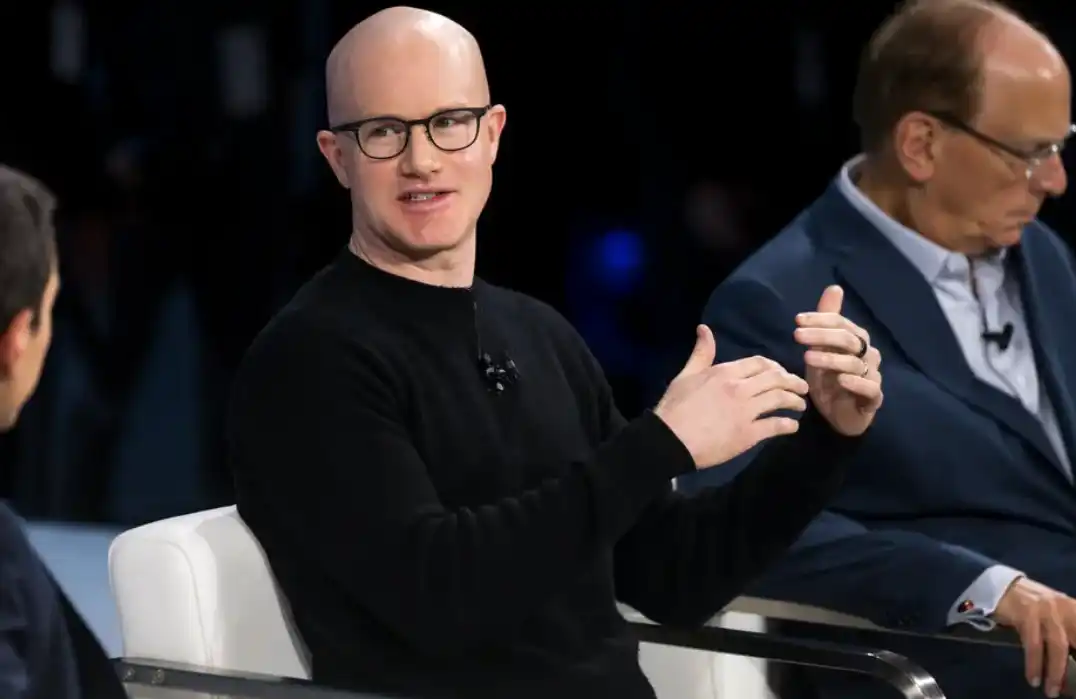
A planned Senate Banking Committee legislation markup has been postponed, as Coinbase CEO Brian Armstrong has withdrawn his support for a market structure bill which seeks to codify federal regulations over crypto, stablecoins, and DeFi markets.

Based on reports, this unexpected withdrawal sharpened existing tensions between senators on debates of this bill and lawmakers who were trying to revamp critical phrases.

Republicans’ Concerns In Oversight

The Republicans in the Senate, under the leadership of Sen. Tim Scott, have strongly countered. They have expressed reservations about whether it is intended to help ordinary investors or just a few companies.

While some representatives expressed their concerns that broad oversight authority could stymie growth in addition to proposed net yields for stablecoins, reports have indicated that Republicans want more defined enforcement authority in opposition to broad regulatory language.

Bitcoin Unfazed By The Standoff

Despite the confusion, crypto prices remained firm. Bitcoin held its ground and climbed 1.5%. The top crypto asset retained its grip on the $96,000 level, while other top cryptocurrencies like Ethereum and USDT likewise notched similar gains in the last 24 hours, based on the latest market tracking figures.

Meanwhile, investors followed speeches and congress sessions. Market volatility heightened. Some investors opted to go to the sideline position as lobbyists and exchanges sought to shape the draft that will come next.

As a response to the new draft bill issued by the Senate, several industry representatives vocally objected to its provisions and expressed their belief that it could have a negative impact on tokenized equities and Decentralized Finance.

In fact, there are enough concerns in the blockchain sector raised by Armstrong, that he stated he would prefer to see no bill than see a bad bill passed, indicating that even some members of his industry agree with Republican concerns regarding possible overreach by Congress.

Total crypto market cap currently at $3.25 trillion. Chart: TradingView

These industry groups said they will likely withdraw their support unless the Senate makes the necessary changes to allow for continued innovation and cross-border competition regarding blockchain technology.

Negotiations Continue To Take Place Behind Closed Doors

Some Senate leaders still want to move toward a committee vote, even though disagreement remains deep. Republican and Democratic legislators are currently negotiating or trading potential amendments on issues such as stablecoin legislation, DeFi protections and investor protections in an effort to reach an agreement on an acceptable version of the bill by both parties.

Democrats have identified a need to address regulatory issues regarding ethics, potential Money Laundering, and DeFi over-regulation as top priorities. On the other side of the aisle, the Republican Party continues to push for legislation that clearly defines the guardrails for federal regulators regarding blockchains.

As a result of ongoing negotiations, there is currently no set timeline for a Senate floor vote on the new legislation.

Featured image from Unsplash, chart from TradingView

Perguntas relacionadas

QWhy did Coinbase CEO Brian Armstrong withdraw his support for the market structure bill?

ABrian Armstrong withdrew his support because the bill contained too many issues, including a de facto ban on tokenized equities, DeFi prohibitions, and provisions that would give the government unlimited access to financial data.

QWhat is the main concern of Republicans, led by Sen. Tim Scott, regarding the proposed crypto market structure bill?

ARepublicans are concerned that the bill may not be intended to help ordinary investors but only a few companies, and they want more defined enforcement authority rather than broad regulatory language that could stymie growth.

QHow did Bitcoin and the broader crypto market react to the legislative standoff?

ABitcoin held its ground and climbed 1.5%, maintaining its position around $96,000, while other top cryptocurrencies like Ethereum and USDT also saw similar gains in the last 24 hours.

QWhat are the key priorities for Democrats in the ongoing negotiations over the crypto bill?

ADemocrats have identified addressing regulatory issues regarding ethics, potential money laundering, and DeFi over-regulation as their top priorities.

QWhat is the current status of the Senate Banking Committee's timeline for a vote on the legislation?

AThere is currently no set timeline for a Senate floor vote on the new legislation due to ongoing negotiations and deep-seated disagreements between Republicans and Democrats.

Leituras Relacionadas

Funds Are Still in the Market, But Interest in Altcoins Has Faded

The article analyzes the structural shifts in the crypto market in 2025, arguing it was not a typical bull or bear cycle but a period of institutional repositioning. Key themes include: - **Policy and Regulation**: Clearer frameworks emerged (e.g., GENIUS Act, ETF approvals), reducing uncertainty and defining compliance boundaries, but without triggering a broad market boom. - **Capital Flow**: Significant capital entered through low-risk channels like stablecoins (e.g., USDe growth), ETFs (favoring BTC/ETH), RWA (e.g., treasury bonds), and DAT strategies, but this liquidity did not spread to most altcoins. - **Market Stratification**: While Bitcoin and Ethereum saw institutional support, ~85% of new tokens underperformed, with median FDV down over 70%. The market split: institutional capital focused on compliant assets, while speculative activity concentrated in niches. - **Key Sectors**: - *Real-yield assets* (e.g., DeFi protocols with fee mechanisms) gained traction as they offered returns without relying solely on narrative hype. - *AI/Robotics x Crypto* cooled in price but remained relevant long-term for infrastructure potential. - *Prediction markets and Perp DEXs* grew by serving native demand for leverage and event speculation, though they face efficiency challenges. Conclusion: 2025 marked a transition where narrative-driven rallies became shorter and more selective, while institutional capital prioritized assets with clear utility, compliance, and yield. The market is structured for continued divergence between mainstream and altcoins in 2026.

比推Há 22m

Funds Are Still in the Market, But Interest in Altcoins Has Faded

比推Há 22m

Trump's First Year in Office: Memorable Moments and Controversies

Donald Trump's first year in office (2026) was marked by a controversial foray into cryptocurrency. Shortly before his inauguration, a mysterious wallet purchased a newly created token, $TRUMP, just hours before he publicly announced it. The token's price skyrocketed, allowing early insiders to profit over $100 million, while 810,000 wallets, many belonging to new investors, lost a total of $2 billion. His family then launched "World Liberty Financial," a DeFi platform where they held a 60% stake, generating hundreds of millions from token sales and stablecoin interest. This created a system of "access capitalism," where investments bought proximity to power. Concurrently, Trump's administration dismantled regulatory oversight. The SEC chairman was replaced, numerous crypto lawsuits were dropped, and a key Justice Department crypto enforcement team was dissolved, clearing the path for his ventures. He also issued controversial pardons to convicted crypto figures like Ross Ulbricht (Silk Road) and Changpeng Zhao (Binance), while denying clemency to those who donated to Democrats, creating a clear "price list" for pardons. The article argues this constitutes a legalized, industrialized form of corruption, where rules are designed by the same people who profit from them. The system is not hidden but operates transparently on the blockchain, turning what Trump once called "air" into a multi-billion dollar enterprise, with ordinary investors acting as the fuel.

marsbitHá 27m

Trump's First Year in Office: Memorable Moments and Controversies

marsbitHá 27m

Trading

Spot
Futuros
活动图片