Trump's First Year in Office: Memorable Moments and Controversies

marsbitPublicado em 2026-01-20Última atualização em 2026-01-20

Resumo

Donald Trump's first year in office (2026) was marked by a controversial foray into cryptocurrency. Shortly before his inauguration, a mysterious wallet purchased a newly created token, $TRUMP, just hours before he publicly announced it. The token's price skyrocketed, allowing early insiders to profit over $100 million, while 810,000 wallets, many belonging to new investors, lost a total of $2 billion. His family then launched "World Liberty Financial," a DeFi platform where they held a 60% stake, generating hundreds of millions from token sales and stablecoin interest. This created a system of "access capitalism," where investments bought proximity to power. Concurrently, Trump's administration dismantled regulatory oversight. The SEC chairman was replaced, numerous crypto lawsuits were dropped, and a key Justice Department crypto enforcement team was dissolved, clearing the path for his ventures. He also issued controversial pardons to convicted crypto figures like Ross Ulbricht (Silk Road) and Changpeng Zhao (Binance), while denying clemency to those who donated to Democrats, creating a clear "price list" for pardons. The article argues this constitutes a legalized, industrialized form of corruption, where rules are designed by the same people who profit from them. The system is not hidden but operates transparently on the blockchain, turning what Trump once called "air" into a multi-billion dollar enterprise, with ordinary investors acting as the fuel.

By Lin Wanwan @linwanwan823, Dongcha Beating

January 20, 2026 marks the first anniversary of Trump's official inauguration.

Rewind to 72 hours before the inauguration ceremony, an encrypted wallet with the code 6QSc2Cx began purchasing large amounts of a new token at 18 cents per coin. This token had been created just hours earlier with no public promotion.

A few hours later, Trump announced on social media: he had issued a cryptocurrency named after himself, $TRUMP.

After the announcement, the token's price surged from under $1 to $75 within 48 hours. The wallet that entered early sold at the peak, making a profit of $109 million.

The New York Times commissioned an on-chain analysis company to track this and found that there was more than one such "mystery insider."

On the same day, an American truck driver using the online name Mike invested his daughter's entire college fund into TRUMP tokens. He posted on an overseas media platform: "The President won't let us lose money."

Three weeks later, he lost $47,000.

Six months later, the team that issued this token had cashed out over $1 billion.

Six years ago, Trump said: "Cryptocurrency is based on thin air." He was right. He just didn't complete the thought: how much that air is worth depends on who's selling it.

Appetizer

No one knows who they are on the other end of the wallet. No one knows how they knew in advance. But one thing is certain: when these people exited, another group was entering.

Chainalysis data shows that 810,000 wallets lost money on the TRUMP token, totaling over $2 billion. An average loss of $2,500 per person.

Nearly half of them were newcomers who had created their crypto wallets for the first time on the day the token was issued. They saw the news about the "President issuing a coin," downloaded the app, and transferred their savings.

Further analysis by Chainalysis showed that the average holding time for these new wallets was 47 hours. They bought near the peak and sold after the price had halved. On-chain data还原(reconstructed) a typical path: download App → deposit funds → buy → watch it rise → buy more → crash → sell at a loss → uninstall App. The entire process took less than a week.

Someone posted on Reddit: "I used my daughter's college fund." The top-voted reply under the post was: "Bro, the President won't let you lose money."

The President indeed didn't let everyone lose money; after all, many people made life-changing money that day. It's just that the majority weren't the ones making it.
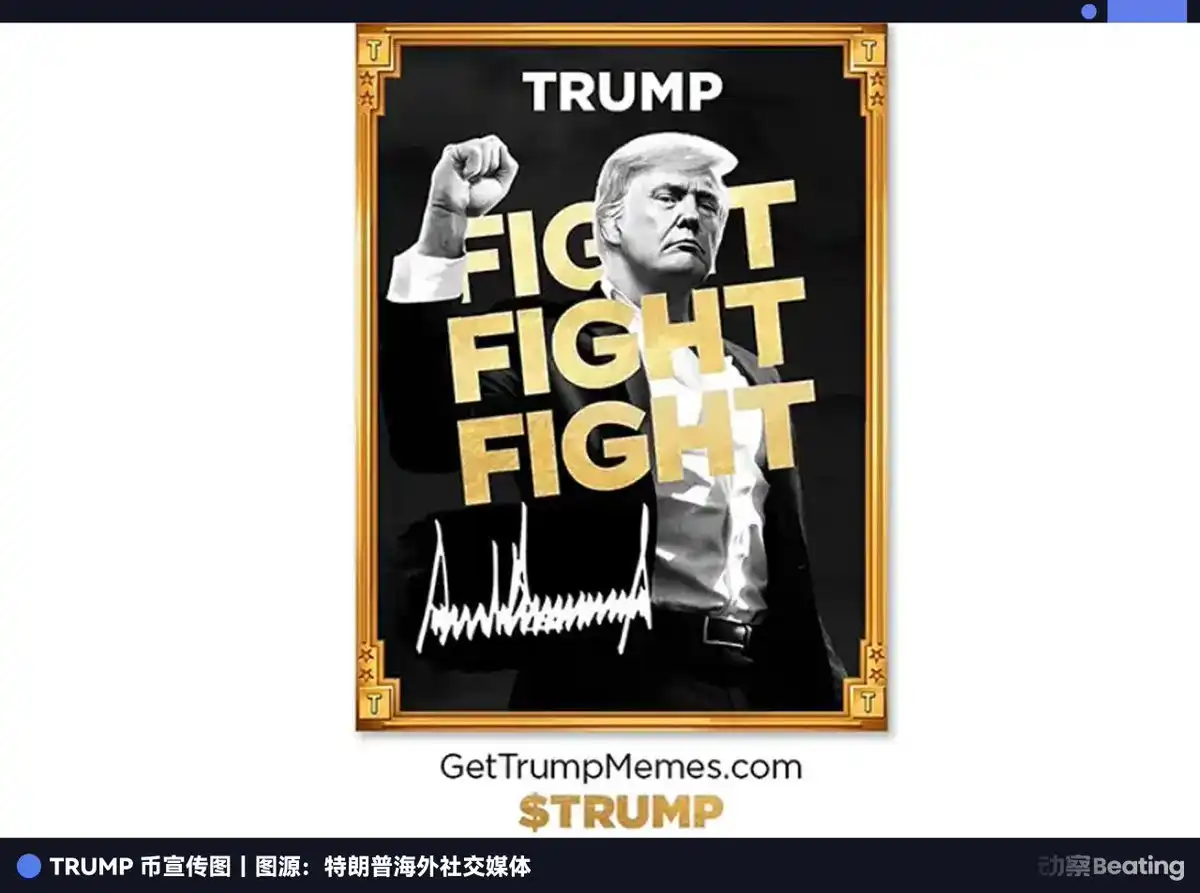
Someone posted a rocket emoji on Twitter with the caption "TRUMP to the moon". Eleven days later, he posted again: "Had enough of this TRUMP garbage, sold it all."

When he sold, the token price was between $24 and $27. If he had held on for a few more months, he would have seen the price drop below $5, a decline of over 90% from its peak.

Meanwhile, the issuers of the $TRUMP token, two companies linked to the Trump family, earned over $320 million in transaction fees in the first year alone. This doesn't include the 800 million tokens they held, worth tens of billions of dollars at the issuance price.

The interesting part is the token's purchase terms. There was a line of fine print: purchasers agree to waive the right to participate in any class action lawsuits.

And another line: this token is "not an investment opportunity" and "is not related to any political activity or government position."

Translation: If you buy it and lose, you can't sue me. The money I make has nothing to do with me being President.

Main Course

$TRUMP was just the appetizer.

The real main course is called World Liberty Financial. This is a "decentralized financial platform" founded in September 2024 by the Trump family and several partners. The platform issued a governance token called WLFI and a stablecoin called USD1.

The equity structure is as follows: the Trump family holds 60%. 75% of the net income from token sales goes to the family. The reserve assets for the stablecoin USD1 are invested in U.S. Treasury bonds, generating about $80 million in annual interest, 75% of which also goes to the family.

In other words, this is not a project Trump "supports," nor is it a project Trump "endorses." This is a project directly owned by the Trump family from which they receive dividends.
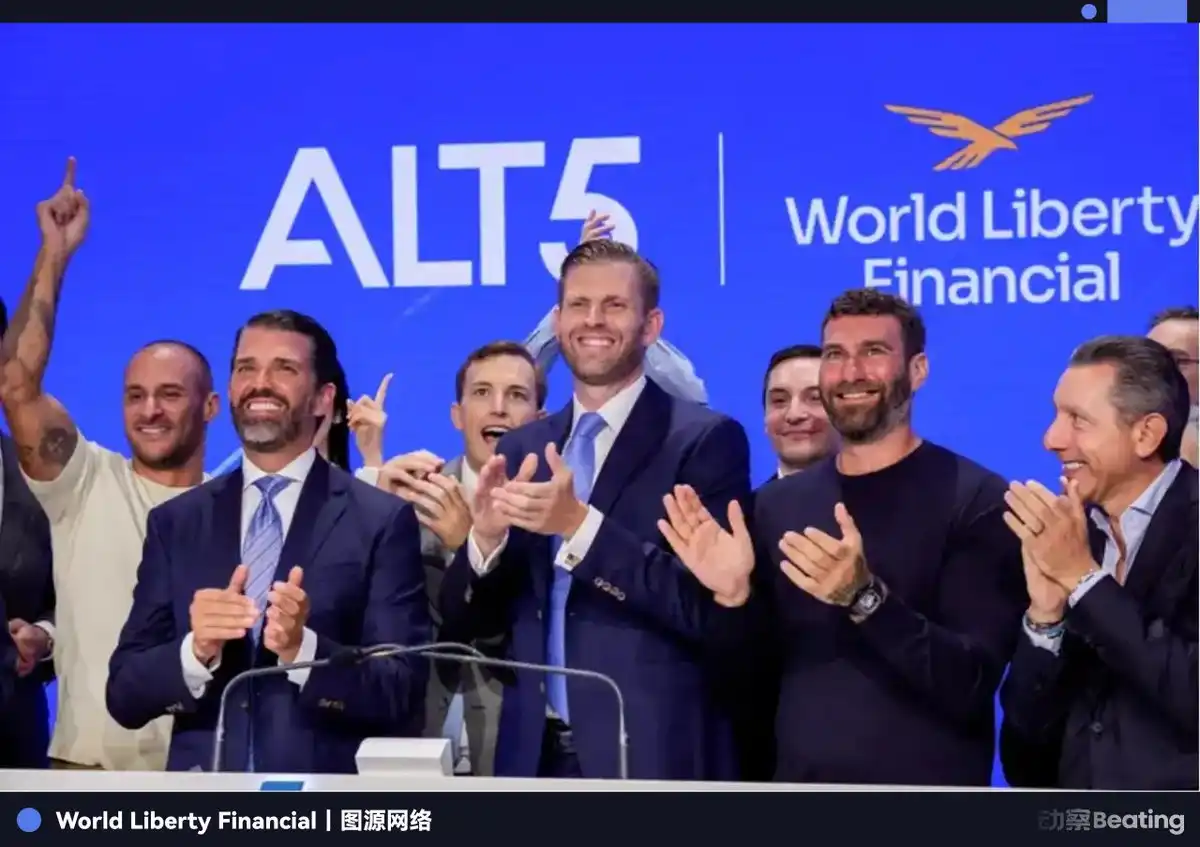
As of the end of 2025, World Liberty had raised over $550 million. The list of investors reads like an Interpol watch list:

MGX, the Abu Dhabi sovereign wealth fund, led by a member of the UAE royal family. In May 2025, it invested $2 billion worth of USD1 stablecoins in Binance. This means UAE government funds, through the stablecoin issued by the Trump family, flowed into the world's largest crypto exchange.

Why would these people put money into a crypto project owned by the family of a sitting U.S. President?

Reuters interviewed several investors and received strikingly consistent answers: "Proximity to the President."

There's an old Wall Street joke: How much is a round of golf with the President worth?

The answer: It depends on whether you're playing golf or paying legal fees.

World Liberty rewrote the answer to this joke. Now there's a clear price: WLFI tokens start at $250,000. "Platinum Seats" cost $1 million. "Founding Partners" cost $20 million.

You're not buying a token. You're buying a photo op, a dinner, a name to be remembered.

In political science, this is called "access capitalism." Previously, it was hidden in Super PACs, charity dinners, and lobbying firm invoices. Now it's written into smart contracts, traded 24/7, globally accessible.

The democratization of corruption.

A financial commentator put it more bluntly: "Eric Trump is in Dubai selling $20 million token packages while his father is simultaneously shaping U.S. crypto policy. You call this a business model? I call it a paid access lane."

Clearing the Field

But this paid access lane has one prerequisite: no one can be allowed to investigate.

So the first thing Trump did after taking office was to clear out everyone who might investigate him. The speed and efficiency were nothing short of artistic.

First: personnel purge.

On inauguration day, SEC Chairman Gary Gensler resigned. This "Crypto Hunter" had sued almost every major exchange during his tenure. His replacement, Paul Atkins, had previously served as an advisor to a crypto industry association.

The newly formed SEC "Crypto Task Force" was led by Hester Peirce, whose nickname in the industry is "Crypto Mom," known for years of opposing regulation.

Next followed: case clearance.

Cases from the Gensler era were dropped one after another. Coinbase case, dropped. Ripple case, dropped. Kraken case, dropped. OpenSea investigation, terminated. Uniswap investigation, terminated. Robinhood investigation, terminated.

The New York Times统计(statistics): The dismissal rate for SEC crypto cases was 33%, compared to 4% for other cases. This disparity is unprecedented in SEC history.

Finally: agency dissolution.

On April 7, 2025, Deputy Attorney General Todd Blanche signed a memorandum announcing the immediate dissolution of the "National Cryptocurrency Enforcement Team." This team, established in 2021, specialized in investigating crypto money laundering, hacking, and fraud.

Blanche wrote in the memo: "The Department of Justice is not a digital asset regulator."

What he didn't write: When he signed this memo, he personally held over $150,000 in crypto assets. Blanche was later questioned about this during congressional testimony. He said: "My crypto holdings were 'compliantly disclosed.'"

He was right. Disclosed, therefore compliant. Compliant, therefore not a conflict of interest.

This is the brilliance of this play: it doesn't need to hide conflicts of interest, it just needs to turn conflicts of interest into a form.

Within three months, the personnel were changed, the cases were dropped, and the investigating agencies were disbanded.

The referee didn't just join the game; the referee dismantled the playing field.

The Price List for Pardons

This business scheme was missing one last component: credibility.

For Trump's crypto empire to attract global funds, it needed to make those "with records" respectable again. They had money, resources, and connections, but their status was "convicted felons" or "indicted defendants."

What to do?

Pardons.

On January 21, 2025, Trump's second day in office, he signed the first crypto-related pardon. The pardoned individual was Ross Ulbricht, founder of the "Silk Road" dark web market, originally sentenced to two life sentences plus 40 years for operating a platform that facilitated $1 billion in drug transactions. Court records show at least 6 people died from drugs purchased on the platform.

Trump wrote on Truth Social: "The people who prosecuted him are scum."

After his release, Ulbricht appeared on stage at the 2025 Bitcoin Conference, telling the cheering crowd: "A few months ago I was in prison, now I'm free, thanks to you, thanks to Trump."

In March, the four founders of BitMEX were pardoned; they had pleaded guilty to violating anti-money laundering laws and were called operators of a "money laundering platform" by prosecutors. In October, Binance founder Changpeng Zhao (CZ) was pardoned; he had pleaded guilty in 2023 and served time for allowing the platform to be used for money laundering.

Three pardons, six people in total, spanning dark web drugs, money laundering, and illegal operations. All cleared within ten months.

But more telling are those who were *not* pardoned.

Sam Bankman-Fried (SBF), founder of FTX, sentenced to 25 years in 2024 for fraud causing $8 billion in customer losses. He donated $5.2 million to the Biden campaign in 2020.

Not pardoned.

Do Kwon, founder of Terra/Luna, sentenced to 15 years in December 2025; his algorithmic stablecoin collapse caused investors $40 billion in losses.

Not pardoned.

In terms of severity of crimes, the losses caused by SBF and Do Kwon far exceeded those of the pardoned individuals. In terms of legal definition, the FTX case was outright customer fund fraud.

What's the difference?

The pardoned: Either invested in Trump's projects, or their companies had business dealings with Trump, or had massive influence in the crypto community to help endorse.

The not pardoned: Donated to Democrats, or had no business relationship with Trump whatsoever.

This is a price list for pardons.

It's not written on paper; it's written in court verdicts, on pardon documents, on the prison walls of those still serving time.

The true function of the pardon is not to免除(waive) punishment. The punishment was already served. Ross Ulbricht served 11 years, Changpeng Zhao served 4 months, the BitMEX founders paid $100 million fines.

The function of the pardon is to send signals.

Signal one: Those who cooperate with me, I will protect. Signal two: Those who don't cooperate with me, look at Sam Bankman-Fried. Signal three: I make the rules, and I can change them.

You follow the organization, the organization has your back.

Trump wrote this into the Federal Register.

The Assembly Line of Corruption

Is this corruption?

Of course not. Corruption is sneaky, needs to be hidden, risks investigation.

This is a meticulously designed system. Every component is legal, every transaction is recorded on the blockchain, every disclosure is written in government documents. It doesn't need to hide. It was designed not to need hiding.

Traditional corruption is a handicraft workshop. You need middlemen, need to launder money, worry about being recorded, worry about witnesses turning. Every transaction is a risk.

This play is an assembly line. Token contracts automatically distribute profits, the blockchain automatically records, disclosure forms are automatically compliant. No middlemen, no cash, no witnesses. Just code.

Code doesn't turn state's evidence. Code doesn't lie. Code just runs as designed.

And the people who designed it happen to be the ones who design the rules.

Genius

Trump's genius isn't in corruption. Anyone can be corrupt.

His genius lies in: designing corruption as a product.

Bribery becomes "investment." Graft becomes "dividends." Pardons become "judicial reform." Regulatory retreat becomes "supporting innovation."

It's all written in the terms, recorded on the blockchain, legal, compliant, open, and transparent.

In 2019, Trump said cryptocurrency is "based on thin air."

He was right.

He just omitted the second half: Air can also be sold for money, as long as the seller gets to decide what is legal.

This system is still running. Tokens are still trading, stablecoins are still generating interest, money from all over the world is still pouring into those wallet addresses stamped with Trump's name.

And those 810,000 retail investors who lost money, those newcomers who rushed in when they saw "President issues coin," those who thought buying TRUMP tokens was patriotic.

They are not investors. They are fuel.

The casino doesn't thank the gamblers. The casino just榨干(squeezes them dry).

Some might ask: Is this legal? That question itself is already outdated.

In this game, "legal" is not a description, but a product feature. Just like the iPhone has a waterproof feature, this system has a "legal" feature.

It is designed to be legal, just as it is designed to be profitable.

The real question is not "Is this legal?"

The real question is: When the person who defines what is legal is the same person who profits from it, what does the word "legal" even mean anymore?

In 2019, Trump said crypto was based on air. In 2025, he proved himself right: air can be priced, can be traded, can make a President a billionaire.

The only prerequisite is, you have to be the one who gets to decide what "air" is.

Perguntas relacionadas

QWhat was the primary mechanism through which the Trump family allegedly profited from the cryptocurrency ventures described in the article?

AThe Trump family directly owned and profited from projects like the $TRUMP token and the World Liberty Financial platform. They held 60% ownership, received 75% of token sale net income, and earned 75% of the interest from the USD1 stablecoin's reserve assets.

QHow did the regulatory environment change under the new administration to facilitate these cryptocurrency operations?

AThe administration replaced key regulators like the SEC chairman with industry-friendly figures, systematically dropped ongoing crypto-related cases with an unusually high dismissal rate, and dissolved the Justice Department's National Cryptocurrency Enforcement Team, effectively removing regulatory oversight.

QWhat pattern did the article identify regarding presidential pardons for figures in the cryptocurrency industry?

AThe pardons followed a clear pattern: individuals who had invested in Trump-related projects, had business ties to Trump, or had significant influence in the crypto community were pardoned (e.g., Ross Ulbricht, BitMEX founders, Changpeng Zhao). Those who donated to Democrats or had no business relationship with Trump (e.g., Sam Bankman-Fried, Do Kwon) were not pardoned, creating a de facto price list for clemency.

QAccording to the article, what was the fate of the average retail investor who bought the $TRUMP token?

AChainalysis data showed that 810,000 wallets lost money on the $TRUMP token, totaling over $2 billion, with an average loss of $2,500 per person. Nearly half were first-time crypto users who bought near the peak and sold after the price crashed, often within a week.

QHow does the article characterize the difference between traditional corruption and the system described as being built by the Trump administration?

AThe article characterizes traditional corruption as a 'cottage industry' requiring intermediaries, money laundering, and carrying risk of exposure. In contrast, it describes the new system as an 'assembly line' where corruption is automated through smart contracts and blockchain, with profits automatically distributed and all actions designed to be 'legally compliant' by the very people who write the rules and profit from them.

Leituras Relacionadas

Polymarket's "2028 Presidential Election" Volume King Is... LeBron James???

An article from Odaily Planet Daily, authored by Azuma, discusses a peculiar phenomenon observed on the prediction market platform Polymarket regarding the "2028 US Presidential Election" event. Despite having a real-time probability of less than 1%, unlikely candidates such as NBA star LeBron James (with $48.41 million in trading volume), celebrity Kim Kardashian ($33.84 million), and even ineligible figures like Elon Musk ($23.14 million) and New York City Mayor Zohran Mamdani ($18.39 million) account for approximately 70% of the total trading volume. In contrast, high-probability candidates like Vice President JD Vance ($10.58 million), California Governor Gavin Newsom ($15.71 million), and Secretary of State Marco Rubio ($9.32 million) have significantly lower trading activity. The article explains that this counterintuitive trend is not driven by irrational speculation but by rational strategies. Polymarket offers a 4% annualized holding reward for certain markets, including the 2028 election, to maintain long-term pricing accuracy. This yield exceeds the current 5-year US Treasury rate (3.98%), attracting large investors ("whales") to hold "NO" shares on low-probability candidates for risk-free returns. Additionally, some users utilize a platform feature that allows converting a set of "NO" shares into corresponding "YES" shares for better liquidity or pricing efficiency, rather than directly buying "YES" shares for their preferred candidates. Thus, the seemingly absurd trading activity is strategically motivated.

marsbitHá 1h

Polymarket's "2028 Presidential Election" Volume King Is... LeBron James???

marsbitHá 1h

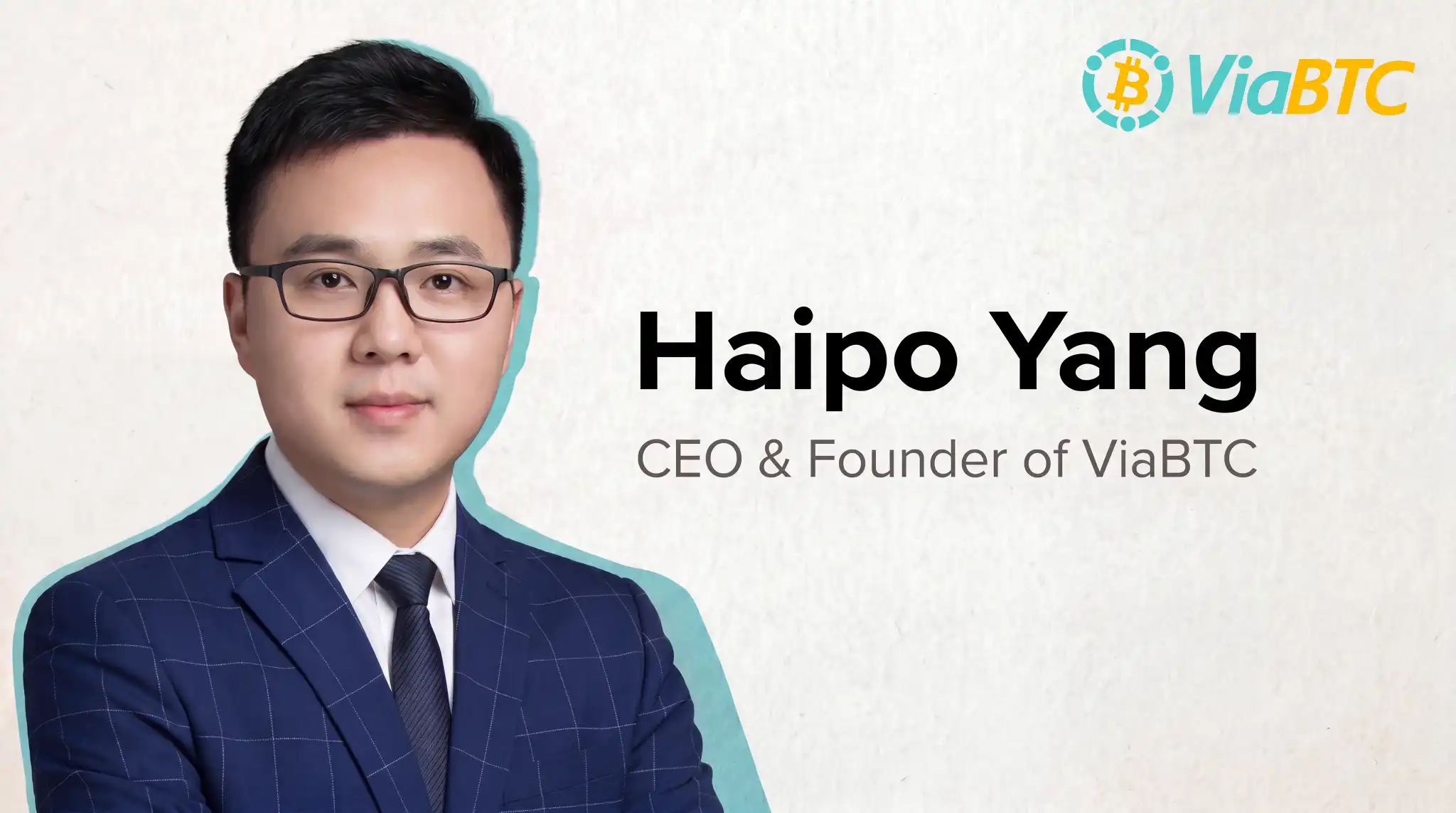
Dialogue with ViaBTC CEO Yang Haipo: Is the Essence of Blockchain a Libertarian Experiment?

"ViaBTC CEO Yang Haipo: Blockchain as a Hardcore Libertarian Experiment" In a deep-dive interview, ViaBTC CEO Yang Haipo reframes the essence of blockchain, arguing it is not merely a new technology or infrastructure but a hardcore libertarian experiment. This experiment, born from the 2008 financial crisis and decades of cypherpunk ideology, tests a fundamental question: to what extent can freedom and self-organization exist without centralized trust? The discussion highlights the experiment's verified outcomes. On one hand, it has proven its core value of censorship resistance, providing critical financial lifelines for entities like WikiLeaks and individuals in hyperinflationary or sanctioned countries via tools like stablecoins. However, Yang points out a key paradox: the most successful product, USDT, is itself a centralized compromise, showing users prioritize a less-controlled pipeline over pure decentralization. On the other hand, the experiment has exposed the severe costs of this freedom—a "dark forest" without safeguards. Events like the collapses of LUNA, Celsius, and FTX, resulting in massive wealth destruction and prison sentences for founders, underscore the system's fragility and the inherent risks of an unregulated environment. Yang observes that despite decentralized protocols, human nature inevitably recreates centralized power structures, speculative frenzies, and narrative-driven cycles (from ICOs to Meme coins), where emotion and belonging often trump technological substance. Looking forward, he believes blockchain's future is significant but niche. Its real value lies in serving specific, real-world needs for financial sovereignty and bypassing traditional controls, not as a universal infrastructure replacing all centralized systems. For the average participant, Yang's crucial advice is to cultivate independent judgment. True freedom is not holding a crypto wallet, but possessing a mind resilient to groupthink and narrative hype in a high-risk, often irrational market.

marsbitHá 1h

Dialogue with ViaBTC CEO Yang Haipo: Is the Essence of Blockchain a Libertarian Experiment?

marsbitHá 1h

Trading

Spot
Futuros

Artigos em Destaque

O que é $S$

Compreender o SPERO: Uma Visão Abrangente Introdução ao SPERO À medida que o panorama da inovação continua a evoluir, o surgimento de tecnologias web3 e projetos de criptomoeda desempenha um papel fundamental na formação do futuro digital. Um projeto que tem atraído atenção neste campo dinâmico é o SPERO, denotado como SPERO,$$s$. Este artigo tem como objetivo reunir e apresentar informações detalhadas sobre o SPERO, para ajudar entusiastas e investidores a compreender as suas bases, objetivos e inovações nos domínios web3 e cripto. O que é o SPERO,$$s$? O SPERO,$$s$ é um projeto único dentro do espaço cripto que procura aproveitar os princípios da descentralização e da tecnologia blockchain para criar um ecossistema que promove o envolvimento, a utilidade e a inclusão financeira. O projeto é concebido para facilitar interações peer-to-peer de novas maneiras, proporcionando aos utilizadores soluções e serviços financeiros inovadores. No seu núcleo, o SPERO,$$s$ visa capacitar indivíduos ao fornecer ferramentas e plataformas que melhoram a experiência do utilizador no espaço das criptomoedas. Isso inclui a possibilidade de métodos de transação mais flexíveis, a promoção de iniciativas impulsionadas pela comunidade e a criação de caminhos para oportunidades financeiras através de aplicações descentralizadas (dApps). A visão subjacente do SPERO,$$s$ gira em torno da inclusão, visando fechar lacunas dentro das finanças tradicionais enquanto aproveita os benefícios da tecnologia blockchain. Quem é o Criador do SPERO,$$s$? A identidade do criador do SPERO,$$s$ permanece algo obscura, uma vez que existem recursos publicamente disponíveis limitados que fornecem informações detalhadas sobre o(s) seu(s) fundador(es). Esta falta de transparência pode resultar do compromisso do projeto com a descentralização—uma ética que muitos projetos web3 partilham, priorizando contribuições coletivas em vez de reconhecimento individual. Ao centrar as discussões em torno da comunidade e dos seus objetivos coletivos, o SPERO,$$s$ incorpora a essência do empoderamento sem destacar indivíduos específicos. Assim, compreender a ética e a missão do SPERO é mais importante do que identificar um criador singular. Quem são os Investidores do SPERO,$$s$? O SPERO,$$s$ é apoiado por uma diversidade de investidores que vão desde capitalistas de risco a investidores-anjo dedicados a promover a inovação no setor cripto. O foco desses investidores geralmente alinha-se com a missão do SPERO—priorizando projetos que prometem avanço tecnológico social, inclusão financeira e governança descentralizada. Essas fundações de investidores estão tipicamente interessadas em projetos que não apenas oferecem produtos inovadores, mas que também contribuem positivamente para a comunidade blockchain e os seus ecossistemas. O apoio desses investidores reforça o SPERO,$$s$ como um concorrente notável no domínio em rápida evolução dos projetos cripto. Como Funciona o SPERO,$$s$? O SPERO,$$s$ emprega uma estrutura multifacetada que o distingue de projetos de criptomoeda convencionais. Aqui estão algumas das características-chave que sublinham a sua singularidade e inovação: Governança Descentralizada: O SPERO,$$s$ integra modelos de governança descentralizada, capacitando os utilizadores a participar ativamente nos processos de tomada de decisão sobre o futuro do projeto. Esta abordagem promove um sentido de propriedade e responsabilidade entre os membros da comunidade. Utilidade do Token: O SPERO,$$s$ utiliza o seu próprio token de criptomoeda, concebido para servir várias funções dentro do ecossistema. Esses tokens permitem transações, recompensas e a facilitação de serviços oferecidos na plataforma, melhorando o envolvimento e a utilidade gerais. Arquitetura em Camadas: A arquitetura técnica do SPERO,$$s$ suporta modularidade e escalabilidade, permitindo a integração contínua de funcionalidades e aplicações adicionais à medida que o projeto evolui. Esta adaptabilidade é fundamental para manter a relevância no panorama cripto em constante mudança. Envolvimento da Comunidade: O projeto enfatiza iniciativas impulsionadas pela comunidade, empregando mecanismos que incentivam a colaboração e o feedback. Ao nutrir uma comunidade forte, o SPERO,$$s$ pode melhor atender às necessidades dos utilizadores e adaptar-se às tendências do mercado. Foco na Inclusão: Ao oferecer taxas de transação baixas e interfaces amigáveis, o SPERO,$$s$ visa atrair uma base de utilizadores diversificada, incluindo indivíduos que anteriormente podem não ter participado no espaço cripto. Este compromisso com a inclusão alinha-se com a sua missão abrangente de empoderamento através da acessibilidade. Cronologia do SPERO,$$s$ Compreender a história de um projeto fornece insights cruciais sobre a sua trajetória de desenvolvimento e marcos. Abaixo está uma cronologia sugerida que mapeia eventos significativos na evolução do SPERO,$$s$: Fase de Conceituação e Ideação: As ideias iniciais que formam a base do SPERO,$$s$ foram concebidas, alinhando-se de perto com os princípios de descentralização e foco na comunidade dentro da indústria blockchain. Lançamento do Whitepaper do Projeto: Após a fase conceitual, um whitepaper abrangente detalhando a visão, os objetivos e a infraestrutura tecnológica do SPERO,$$s$ foi lançado para atrair o interesse e o feedback da comunidade. Construção da Comunidade e Primeiros Envolvimentos: Esforços ativos de divulgação foram feitos para construir uma comunidade de primeiros adotantes e investidores potenciais, facilitando discussões em torno dos objetivos do projeto e angariando apoio. Evento de Geração de Tokens: O SPERO,$$s$ realizou um evento de geração de tokens (TGE) para distribuir os seus tokens nativos a apoiantes iniciais e estabelecer liquidez inicial dentro do ecossistema. Lançamento da dApp Inicial: A primeira aplicação descentralizada (dApp) associada ao SPERO,$$s$ foi lançada, permitindo que os utilizadores interagissem com as funcionalidades principais da plataforma. Desenvolvimento Contínuo e Parcerias: Atualizações e melhorias contínuas nas ofertas do projeto, incluindo parcerias estratégicas com outros players no espaço blockchain, moldaram o SPERO,$$s$ em um jogador competitivo e em evolução no mercado cripto. Conclusão O SPERO,$$s$ é um testemunho do potencial do web3 e das criptomoedas para revolucionar os sistemas financeiros e capacitar indivíduos. Com um compromisso com a governança descentralizada, o envolvimento da comunidade e funcionalidades inovadoras, abre caminho para um panorama financeiro mais inclusivo. Como em qualquer investimento no espaço cripto em rápida evolução, potenciais investidores e utilizadores são incentivados a pesquisar minuciosamente e a envolver-se de forma ponderada com os desenvolvimentos em curso dentro do SPERO,$$s$. O projeto demonstra o espírito inovador da indústria cripto, convidando a uma exploração mais aprofundada das suas inúmeras possibilidades. Embora a jornada do SPERO,$$s$ ainda esteja a desenrolar-se, os seus princípios fundamentais podem, de facto, influenciar o futuro de como interagimos com a tecnologia, as finanças e uns com os outros em ecossistemas digitais interconectados.

69 Visualizações TotaisPublicado em {updateTime}Atualizado em 2024.12.17

O que é $S$

O que é AGENT S

Agent S: O Futuro da Interação Autónoma no Web3 Introdução No panorama em constante evolução do Web3 e das criptomoedas, as inovações estão constantemente a redefinir a forma como os indivíduos interagem com plataformas digitais. Um projeto pioneiro, o Agent S, promete revolucionar a interação humano-computador através do seu framework aberto e agente. Ao abrir caminho para interações autónomas, o Agent S visa simplificar tarefas complexas, oferecendo aplicações transformadoras em inteligência artificial (IA). Esta exploração detalhada irá aprofundar-se nas complexidades do projeto, nas suas características únicas e nas implicações para o domínio das criptomoedas. O que é o Agent S? O Agent S é um framework aberto e agente, especificamente concebido para abordar três desafios fundamentais na automação de tarefas computacionais: Aquisição de Conhecimento Específico de Domínio: O framework aprende inteligentemente a partir de várias fontes de conhecimento externas e experiências internas. Esta abordagem dupla capacita-o a construir um rico repositório de conhecimento específico de domínio, melhorando o seu desempenho na execução de tarefas. Planeamento ao Longo de Longos Horizontes de Tarefas: O Agent S emprega planeamento hierárquico aumentado por experiência, uma abordagem estratégica que facilita a decomposição e execução eficientes de tarefas intrincadas. Esta característica melhora significativamente a sua capacidade de gerir múltiplas subtarefas de forma eficiente e eficaz. Gestão de Interfaces Dinâmicas e Não Uniformes: O projeto introduz a Interface Agente-Computador (ACI), uma solução inovadora que melhora a interação entre agentes e utilizadores. Utilizando Modelos de Linguagem Multimodais de Grande Escala (MLLMs), o Agent S pode navegar e manipular diversas interfaces gráficas de utilizador de forma fluida. Através destas características pioneiras, o Agent S fornece um framework robusto que aborda as complexidades envolvidas na automação da interação humana com máquinas, preparando o terreno para uma infinidade de aplicações em IA e além. Quem é o Criador do Agent S? Embora o conceito de Agent S seja fundamentalmente inovador, informações específicas sobre o seu criador permanecem elusivas. O criador é atualmente desconhecido, o que destaca ou o estágio nascente do projeto ou a escolha estratégica de manter os membros fundadores em anonimato. Independentemente da anonimidade, o foco permanece nas capacidades e no potencial do framework. Quem são os Investidores do Agent S? Como o Agent S é relativamente novo no ecossistema criptográfico, informações detalhadas sobre os seus investidores e financiadores não estão explicitamente documentadas. A falta de informações disponíveis publicamente sobre as fundações de investimento ou organizações que apoiam o projeto levanta questões sobre a sua estrutura de financiamento e roteiro de desenvolvimento. Compreender o apoio é crucial para avaliar a sustentabilidade do projeto e o seu impacto potencial no mercado. Como Funciona o Agent S? No núcleo do Agent S reside uma tecnologia de ponta que lhe permite funcionar eficazmente em diversos ambientes. O seu modelo operacional é construído em torno de várias características-chave: Interação Humano-Computador Semelhante: O framework oferece planeamento avançado em IA, esforçando-se para tornar as interações com computadores mais intuitivas. Ao imitar o comportamento humano na execução de tarefas, promete elevar as experiências dos utilizadores. Memória Narrativa: Utilizada para aproveitar experiências de alto nível, o Agent S utiliza memória narrativa para acompanhar os históricos de tarefas, melhorando assim os seus processos de tomada de decisão. Memória Episódica: Esta característica fornece aos utilizadores orientações passo a passo, permitindo que o framework ofereça suporte contextual à medida que as tarefas se desenrolam. Suporte para OpenACI: Com a capacidade de funcionar localmente, o Agent S permite que os utilizadores mantenham o controlo sobre as suas interações e fluxos de trabalho, alinhando-se com a ética descentralizada do Web3. Fácil Integração com APIs Externas: A sua versatilidade e compatibilidade com várias plataformas de IA garantem que o Agent S possa integrar-se perfeitamente em ecossistemas tecnológicos existentes, tornando-o uma escolha apelativa para desenvolvedores e organizações. Estas funcionalidades contribuem coletivamente para a posição única do Agent S no espaço cripto, à medida que automatiza tarefas complexas e em múltiplos passos com mínima intervenção humana. À medida que o projeto evolui, as suas potenciais aplicações no Web3 podem redefinir a forma como as interações digitais se desenrolam. Cronologia do Agent S O desenvolvimento e os marcos do Agent S podem ser encapsulados numa cronologia que destaca os seus eventos significativos: 27 de Setembro de 2024: O conceito de Agent S foi lançado num artigo de pesquisa abrangente intitulado “Um Framework Agente Aberto que Usa Computadores como um Humano”, mostrando a base para o projeto. 10 de Outubro de 2024: O artigo de pesquisa foi disponibilizado publicamente no arXiv, oferecendo uma exploração aprofundada do framework e da sua avaliação de desempenho com base no benchmark OSWorld. 12 de Outubro de 2024: Uma apresentação em vídeo foi lançada, proporcionando uma visão visual das capacidades e características do Agent S, envolvendo ainda mais potenciais utilizadores e investidores. Estes marcos na cronologia não apenas ilustram o progresso do Agent S, mas também indicam o seu compromisso com a transparência e o envolvimento da comunidade. Pontos-Chave Sobre o Agent S À medida que o framework Agent S continua a evoluir, várias características-chave destacam-se, sublinhando a sua natureza inovadora e potencial: Framework Inovador: Concebido para proporcionar um uso intuitivo de computadores semelhante à interação humana, o Agent S traz uma abordagem nova à automação de tarefas. Interação Autónoma: A capacidade de interagir autonomamente com computadores através de GUI significa um avanço em direção a soluções computacionais mais inteligentes e eficientes. Automação de Tarefas Complexas: Com a sua metodologia robusta, pode automatizar tarefas complexas e em múltiplos passos, tornando os processos mais rápidos e menos propensos a erros. Melhoria Contínua: Os mecanismos de aprendizagem permitem que o Agent S melhore a partir de experiências passadas, aprimorando continuamente o seu desempenho e eficácia. Versatilidade: A sua adaptabilidade em diferentes ambientes operacionais, como OSWorld e WindowsAgentArena, garante que pode servir uma ampla gama de aplicações. À medida que o Agent S se posiciona no panorama do Web3 e das criptomoedas, o seu potencial para melhorar as capacidades de interação e automatizar processos significa um avanço significativo nas tecnologias de IA. Através do seu framework inovador, o Agent S exemplifica o futuro das interações digitais, prometendo uma experiência mais fluida e eficiente para os utilizadores em diversas indústrias. Conclusão O Agent S representa um ousado avanço na união da IA e do Web3, com a capacidade de redefinir a forma como interagimos com a tecnologia. Embora ainda esteja nas suas fases iniciais, as possibilidades para a sua aplicação são vastas e cativantes. Através do seu framework abrangente que aborda desafios críticos, o Agent S visa trazer interações autónomas para o primeiro plano da experiência digital. À medida que avançamos mais profundamente nos domínios das criptomoedas e da descentralização, projetos como o Agent S desempenharão, sem dúvida, um papel crucial na formação do futuro da tecnologia e da colaboração humano-computador.

529 Visualizações TotaisPublicado em {updateTime}Atualizado em 2025.01.14

O que é AGENT S

Como comprar S

Bem-vindo à HTX.com!Tornámos a compra de Sonic (S) simples e conveniente.Segue o nosso guia passo a passo para iniciar a tua jornada no mundo das criptos.Passo 1: cria a tua conta HTXUtiliza o teu e-mail ou número de telefone para te inscreveres numa conta gratuita na HTX.Desfruta de um processo de inscrição sem complicações e desbloqueia todas as funcionalidades.Obter a minha contaPasso 2: vai para Comprar Cripto e escolhe o teu método de pagamentoCartão de crédito/débito: usa o teu visa ou mastercard para comprar Sonic (S) instantaneamente.Saldo: usa os fundos da tua conta HTX para transacionar sem problemas.Terceiros: adicionamos métodos de pagamento populares, como Google Pay e Apple Pay, para aumentar a conveniência.P2P: transaciona diretamente com outros utilizadores na HTX.Mercado de balcão (OTC): oferecemos serviços personalizados e taxas de câmbio competitivas para os traders.Passo 3: armazena teu Sonic (S)Depois de comprar o teu Sonic (S), armazena-o na tua conta HTX.Alternativamente, podes enviá-lo para outro lugar através de transferência blockchain ou usá-lo para transacionar outras criptomoedas.Passo 4: transaciona Sonic (S)Transaciona facilmente Sonic (S) no mercado à vista da HTX.Acede simplesmente à tua conta, seleciona o teu par de trading, executa as tuas transações e monitoriza em tempo real.Oferecemos uma experiência de fácil utilização tanto para principiantes como para traders experientes.

968 Visualizações TotaisPublicado em {updateTime}Atualizado em 2025.03.21

Como comprar S

Discussões

Bem-vindo à Comunidade HTX. Aqui, pode manter-se informado sobre os mais recentes desenvolvimentos da plataforma e obter acesso a análises profissionais de mercado. As opiniões dos utilizadores sobre o preço de S (S) são apresentadas abaixo.

活动图片