The Bitcoin Inheritance Challenge: How to Help Your Family Recover Your Assets?
Self-custody of Bitcoin fundamentally changes estate planning. A robust inheritance plan must protect assets during the owner’s lifetime while ensuring designated individuals can recover them after death. Bitcoin’s key advantage—bypassing banks and custodians—also complicates inheritance, as the network only recognizes cryptographic keys, not legal documents.
Key challenges include balancing security and accessibility, managing technical complexity for non-expert heirs, preserving privacy, and ensuring long-term viability. Common solutions include:
1. Custodial Inheritance: Relies on exchanges or institutions, sacrificing self-custody benefits for familiar legal processes.
2. DIY Inheritance: Ranges from simple seed-phrase handovers to complex multisig setups. High autonomy but requires technical competence from heirs.
3. Assisted Custody: Uses a service provider for multisig setup and recovery guidance, improving usability but depending on the provider’s longevity.
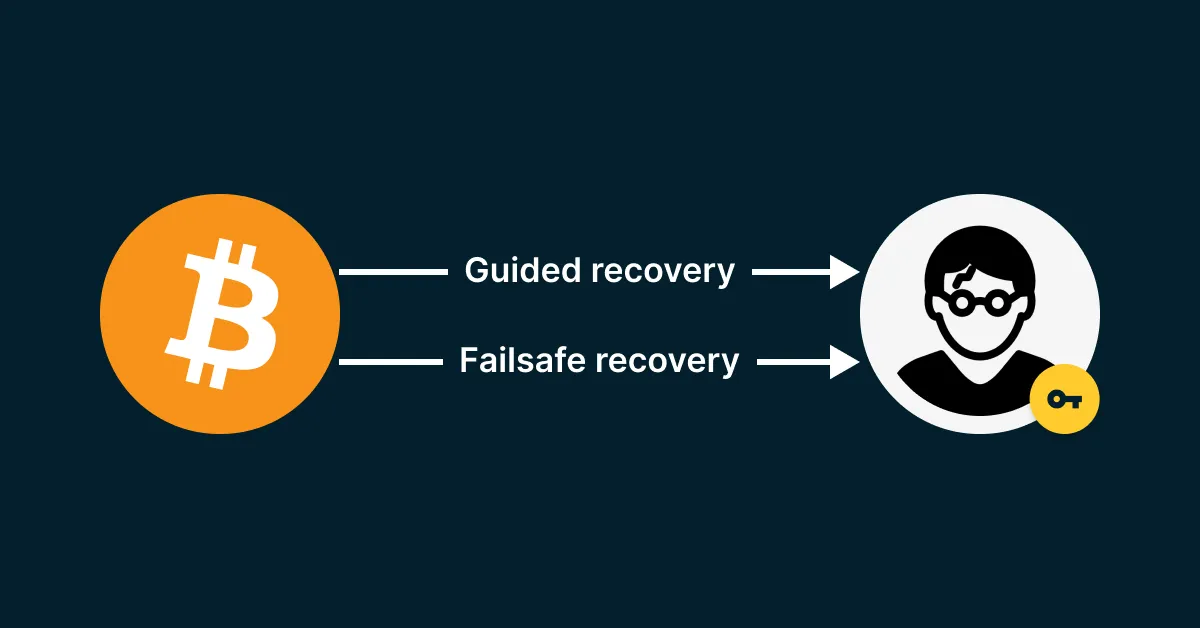
4. On-Chain Collaborative Inheritance: Combines assisted recovery with on-chain fallbacks (e.g., timelocks), ensuring access even if the provider fails.
The strongest plans integrate a smooth, guided recovery path with a durable on-chain backup. Regular testing and updates are crucial. Inheritance isn’t just a technical issue—it must align with legal frameworks and family circumstances. Ultimately, a well-designed Bitcoin inheritance plan ensures assets remain secure, private, and recoverable for generations.
比推Há 39m