Buy an NFT First to Get a Ticket? The Largest World Cup Ticket Slump in History

marsbitPublicado em 2026-06-11Última atualização em 2026-06-11

Resumo

"Ticketing Woes for 2026 World Cup: NFT 'Right-to-Buy' and High Prices Dampen Sales" Despite anticipation for the 2026 FIFA World Cup, with 48 teams and 104 matches across North America, the tournament faces significant unsold tickets, with approximately 180,000 group-stage tickets still available for resale just before kick-off. This unexpected shortfall is attributed to FIFA's controversial new ticketing strategy, which includes an NFT-based "Right-to-Buy" (RTB) system and opaque, dynamic pricing. FIFA introduced RTBs as digital collectibles (NFTs) sold on its FIFA Collect platform. An RTB grants the holder only the right to purchase a ticket for a specific match later, not the ticket itself. This two-step process, criticized for selling "scarcity" first, saw RTBs priced from tens to hundreds of dollars, generating millions in revenue for FIFA. With many tickets remaining available on official channels, the value of these prepaid purchase rights is now being questioned. Compounding the issue are ticket prices, reported to be 2 to 4 times higher than the 2022 Qatar World Cup, and up to 7 times more for marquee matches. FIFA employed dynamic pricing, common in U.S. sports, but lacked transparency on seat availability and exact locations during sales, frustrating global fans facing high travel costs. This has drawn scrutiny from regulators in New York and New Jersey. FIFA's official resale platform also drew criticism for imposing high fees—roughly 10% on sellers and 17% o...

Author: Zen, PANews

The long-awaited 2026 FIFA World Cup will officially kick off in Mexico City at 3:00 AM Beijing Time on June 12.

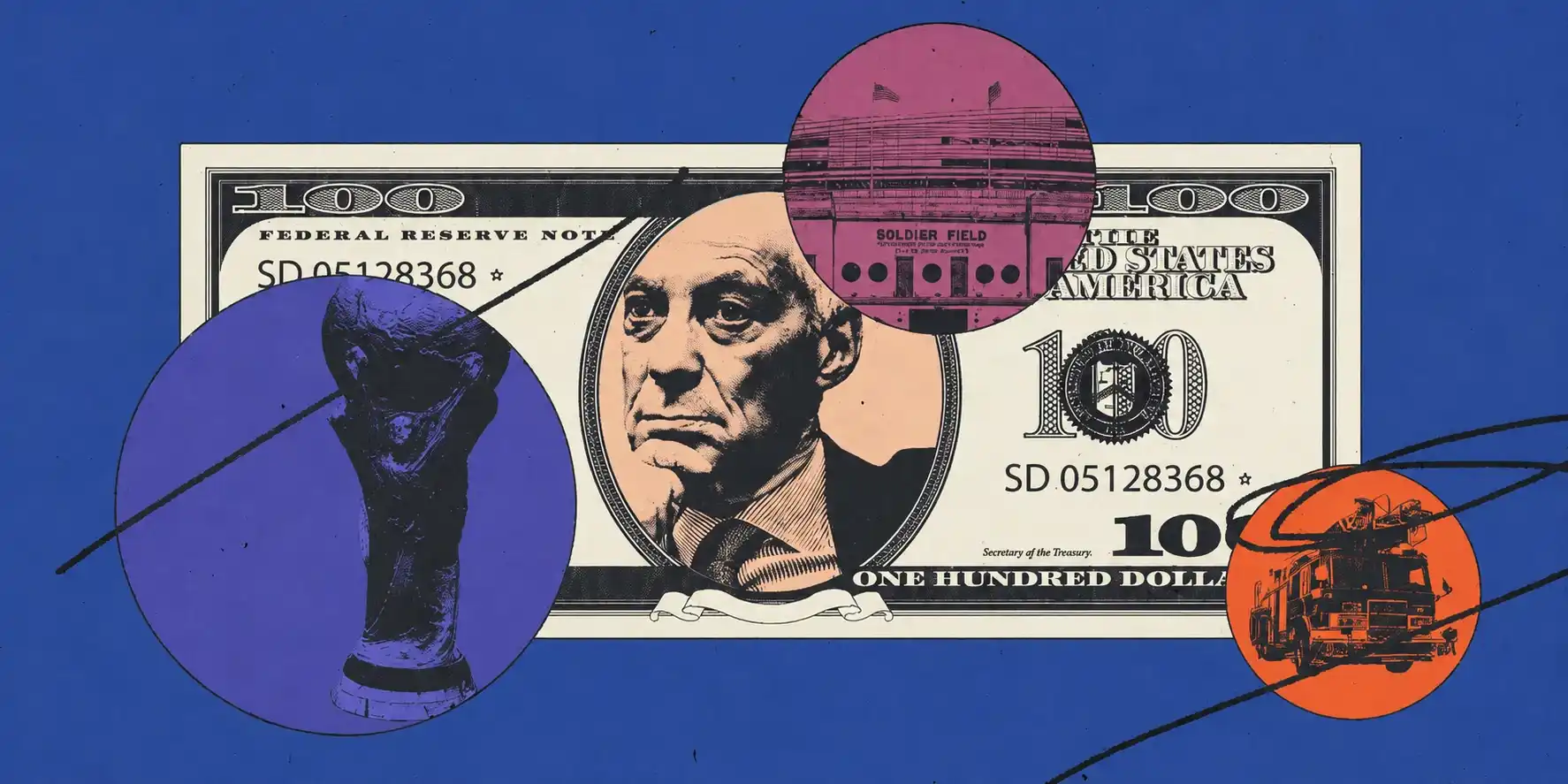
Dubbed an unprecedented super event, this World Cup will feature 48 teams playing a total of 104 matches across venues in the United States, Canada, and Mexico. Barring any unforeseen circumstances, this is poised to become the World Cup with the highest commercial revenue in history.

However, on the eve of the opening ceremony, this tournament is facing a dilemma of unsold tickets. According to the Financial Times, with the opening match just around the corner, there are still approximately 180,000 group stage tickets available for resale. For a top-tier event long regarded as a global spectacle, this contrast is strikingly stark.

This is not because the World Cup itself has lost its global appeal. In fact, the betting industry is touting this World Cup as the "biggest betting opportunity" in history. As of June 11, the amount staked on the event contract for the World Cup winner on the prediction market Polymarket has approached $20 billion. Such a massive influx of capital before the tournament even begins clearly indicates its immense popularity.

Therefore, the issue of "difficult ticket sales" lies more with FIFA's ticketing mechanisms, also exposing the side effects of FIFA's radical commercialization experiment with the ticketing system for this World Cup.

FIFA's Ticketing "Shenanigans": Buy a "Digital Collectible" First for a Ticket

One of the most controversial ticketing arrangements for this World Cup is FIFA's sale of so-called "Right-To-Buy" (RTB) through the FIFA Collect platform.

Unlike traditional ticketing products, RTB is a type of "digital right" or "digital collectible" designed around the eligibility to obtain World Cup tickets, issued and traded via the FIFA Collect digital collectibles platform. The issued digital collectibles are essentially NFTs. The FIFA Collect platform originally ran on the Algorand blockchain and migrated to FIFA's self-built FIFA Blockchain (based on Avalanche technology) in May 2025.

According to the official explanation from FIFA Collect, holding an RTB only grants fans the opportunity to purchase tickets for a specific match during a designated window. Each RTB specifies how many tickets the holder can purchase in the future, and for which match or event, but it does not include the actual ticket itself.

This mechanism splits the ticket-buying process into two steps: first, selling scarcity, and then selling the actual ticket. However, when fans purchase an RTB, they often do not know the final seating area, the full ticket price, and cannot fully assess the future value of this "priority right."

In terms of pricing, RTBs do not have a fixed price; they vary based on the importance of the corresponding match, the number of tickets that can be purchased, and market supply and demand. Previously on the FIFA Collect platform, prices for RTBs for different matches ranged from tens to hundreds of dollars, with some RTBs for popular matches or those including multiple ticket purchase rights fetching even higher prices on the secondary market.

According to reports from the UK sports business media SportsPro, FIFA had already generated revenue in the tens of millions of dollars from these RTB sales.

When tickets are highly scarce and prices are not fully known, such a design encouraging fans to pay upfront might make some sense. However, the awkwardness of RTBs becomes apparent when a significant number of tickets remain available for sale on the official platform. If tickets aren't as hard to get as imagined, the rationale for spending hundreds of dollars upfront for a "ticket purchase qualification" is called into question.

Not Just Expensive, But Also Opaque and Constantly Changing Prices

This tournament's main matches are concentrated in the US market, which is already the world's most mature and expensive market for live sports entertainment. Events like the NFL, NBA, and MLB have long employed business models featuring high ticket prices, luxury boxes, dynamic pricing, and secondary markets. Naturally, upon entering this market, FIFA aimed to align World Cup pricing with these standards.

FIFA has adopted a dynamic or variable pricing model for this World Cup, meaning ticket prices can be continuously adjusted based on demand, inventory, and sales phases. Early on, officials emphasized that some group stage tickets started at $60, but this low-price tier was limited. More prevalent were ticket prices far exceeding fan expectations; for instance, tickets for some popular group stage matches easily cost hundreds or even thousands of dollars, while prices for knockout stages and the final were exorbitantly high.

Reportedly, the actual ticket cost for this World Cup is about 2 to 4 times that of the previous Qatar World Cup, with popular matches, the opening match, and the final reaching 4 to 7 times higher. The problem lies in the fact that the World Cup is not an ordinary commercial league. Its audience isn't just local high-income sports consumers, but ordinary fans from all over the world. Many, in order to support their national teams, need to travel across continents, book flights and hotels in advance, and incur other costs like local transportation. For these fans, ticket prices are only a part of the total cost, but they have become the most uncontrollable part.

What further frustrates fans is the lack of transparency. Complaints from European fan organizations and consumer groups to FIFA stated that FIFA did not adequately disclose from the outset how many tickets remained in each price tier or specific seat locations. Some fans even had to pay high fees without being able to fully confirm seat views and locations during purchase. This information asymmetry severely amplifies the feeling of being "manipulated."

Currently, FIFA's ticketing mechanisms have not only sparked commercial controversy but have also attracted public regulatory scrutiny. Relevant departments in the US states of New York and New Jersey have also launched investigations into the World Cup ticketing, focusing on seat information, ticketing promotions, and potential issues of so-called "artificial scarcity."

Official Resale Platform Amplifies Price Anxiety

FIFA specifically launched an official resale platform for this World Cup. In theory, this was to allow fans to buy and sell tickets in a secure environment, reducing fraud and black-market transactions. However, while this platform improved transaction security, it did not enhance the ticket-buying experience for fans.

The European Fans' Association and the European Consumer Organization criticized FIFA for charging fees to both buyers and sellers on the official resale platform, allowing FIFA to continue profiting from subsequent transactions after the initial ticket sale. According to ticketing rules cited by the Financial Times, on FIFA's official resale platform, sellers pay a service fee of approximately 10% when listing a ticket, while buyers must pay an additional fee of about 17% in commissions and related surcharges.

This means that if a ticket is resold through the official platform, the combined fees borne by both parties amount to nearly 27% of the ticket's face value. This allows FIFA to not only enjoy high ticket revenue in the primary market but also continue capturing fees from the secondary resale market.

And as of now, the FIFA official site is still selling tens of thousands of group stage tickets. For scalpers and speculators who hoped to profit from reselling at higher prices after hoarding tickets at high prices, even listing at the original price would result in an actual loss after deducting platform fees.

Of course, the 180,000 tickets available for resale won't actually lead to a large number of empty seats at this World Cup. FIFA President Gianni Infantino stated at a pre-opening press conference that the tournament has sold over 6 million tickets and claimed that demand exceeded expectations by "10 times or more." Popular matches, host nation matches, knockout stages, and the final will still attract enormous attention. As the tournament begins, emotions rise, and teams' progression becomes clearer, some of the inventory may also be absorbed.

But the significance of this controversy lies in its reminder that even if overall World Cup sales remain strong, this tournament has proven that fans' passion does not equate to an unlimited willingness to pay; there is still a boundary for ticket prices and ticketing mechanisms that should not be easily crossed. The World Cup's global influence does not mean FIFA can endlessly squeeze this emotional premium.

Perguntas relacionadas

QWhat is the main reason for the ticket sales difficulties faced by the 2026 FIFA World Cup according to the article?

AThe main reason is FIFA's aggressive commercial experiment with its ticketing system, particularly the introduction of the 'Right-To-Buy' (RTB) digital collectibles (NFTs), which require fans to purchase a digital asset first for the *chance* to buy a ticket later. This multi-step, non-transparent process, coupled with high and dynamic ticket pricing, has created frustration and reduced accessibility.

QWhat is an RTB (Right-To-Buy) and how does it function in the FIFA Collect platform?

AAn RTB is a digital collectible or NFT sold on the FIFA Collect platform. It represents a right or eligibility for the holder to purchase a ticket for a specific match during a designated sales window. Crucially, the RTB itself is not a ticket; it is a separate purchase that grants the holder the opportunity to later buy the actual ticket at an unspecified seat and often unknown final price.

QHow has the pricing structure of the 2026 World Cup tickets been criticized?

AThe pricing has been criticized for being significantly higher than previous tournaments (2-4 times more expensive, up to 4-7 times for key matches), using dynamic pricing that causes prices to fluctuate, and lacking transparency. Fans often cannot see exact seat locations or know how many tickets are available at each price tier before committing to a high purchase cost.

QWhat issue does the article highlight regarding FIFA's official ticket resale platform?

AThe article criticizes the platform for charging high fees on both the seller (around 10%) and the buyer (around 17%), meaning nearly 27% of a ticket's face value goes to FIFA in a resale transaction. This allows FIFA to profit repeatedly from the same ticket and has contributed to losses for speculators trying to resell tickets, as the fees cut into their potential profits.

QWhat broader lesson does the article suggest the 2026 World Cup ticketing controversy demonstrates?

AIt demonstrates that even for a massively popular global event like the World Cup, there is a limit to how much fans are willing to pay and how much their emotional investment can be commercially exploited. High prices and complex, non-transparent ticketing mechanisms can lead to public backlash and regulatory scrutiny, showing that fan enthusiasm does not equal unlimited purchasing power.

Leituras Relacionadas

Raising Interest Rates Is Not a Tech Killer, EPS Is: A Strategy for Discarding the Weak and Retaining the Strong After the AI Theme's Sharp Decline

**Summary: Rising Interest Rates Are Not the Killer of Tech; EPS Is: The "Keep the Strong, Ditch the Weak" Strategy After the AI Theme Plunge** The author argues that the sharp sell-off in tech and AI-related stocks, triggered by a strong US jobs report that heightened Fed rate hike fears, represents a "pullback to pick up passengers" rather than a "car crash." The true end of a tech bull market is not determined by an extra 25 basis point hike, but by industry overcapacity and the disproval of earnings per share (EPS) expectations. Historical analysis shows that during past rate hike cycles, the Nasdaq-100 often outperformed, provided EPS growth remained strong. The current phase is seen as a shift from a "broad narrative-driven rally" to a "focused verification stage" for AI. The investment strategy should be to "keep the strong, ditch the weak." * **Retain exposure** to high-conviction AI infrastructure leaders with clear order visibility, stable margins, strong cash flow, and upward EPS revisions (e.g., AI servers, advanced packaging, optical modules, key cloud suppliers). * **Reduce exposure** to high-beta, narrative-driven stocks with unclear profit paths (e.g., some quantum computing, space, or speculative chip stocks), especially on rebounds. Valuation concerns should focus on whether earnings can catch up to high multiples, not on high P/E alone. Crowded positioning signals a concentration into quality assets, not necessarily a market top. The upcoming Q2 earnings season will be a key validation point. The core principle is to hold stocks with proven EPS, while using macro events (CPI data, central bank meetings) to manage timing and risk.

marsbitHá 1h

Raising Interest Rates Is Not a Tech Killer, EPS Is: A Strategy for Discarding the Weak and Retaining the Strong After the AI Theme's Sharp Decline

marsbitHá 1h

Trading

Spot
Futuros

Artigos em Destaque

Como comprar NFT

Bem-vindo à HTX.com!Tornámos a compra de APENFT (NFT) simples e conveniente.Segue o nosso guia passo a passo para iniciar a tua jornada no mundo das criptos.Passo 1: cria a tua conta HTXUtiliza o teu e-mail ou número de telefone para te inscreveres numa conta gratuita na HTX.Desfruta de um processo de inscrição sem complicações e desbloqueia todas as funcionalidades.Obter a minha contaPasso 2: vai para Comprar Cripto e escolhe o teu método de pagamentoCartão de crédito/débito: usa o teu visa ou mastercard para comprar APENFT (NFT) instantaneamente.Saldo: usa os fundos da tua conta HTX para transacionar sem problemas.Terceiros: adicionamos métodos de pagamento populares, como Google Pay e Apple Pay, para aumentar a conveniência.P2P: transaciona diretamente com outros utilizadores na HTX.Mercado de balcão (OTC): oferecemos serviços personalizados e taxas de câmbio competitivas para os traders.Passo 3: armazena teu APENFT (NFT)Depois de comprar o teu APENFT (NFT), armazena-o na tua conta HTX.Alternativamente, podes enviá-lo para outro lugar através de transferência blockchain ou usá-lo para transacionar outras criptomoedas.Passo 4: transaciona APENFT (NFT)Transaciona facilmente APENFT (NFT) no mercado à vista da HTX.Acede simplesmente à tua conta, seleciona o teu par de trading, executa as tuas transações e monitoriza em tempo real.Oferecemos uma experiência de fácil utilização tanto para principiantes como para traders experientes.

489 Visualizações TotaisPublicado em {updateTime}Atualizado em 2025.03.21

Como comprar NFT

O que é AINFT

EternaFi Agents e $AINFT: Uma Análise Abrangente da Infraestrutura NFT Potenciada por IA no Ecossistema Web3 A interseção entre inteligência artificial (IA) e tecnologia blockchain está a evoluir rapidamente, estabelecendo plataformas inovadoras que redefinem modelos de propriedade e participação económica. EternaFi Agents, juntamente com o seu token nativo $AINFT, exemplifica uma abordagem inovadora à tokenização de infraestruturas de IA através de tokens não fungíveis (NFTs). Lançado em julho de 2025 pela equipa de desenvolvimento do Nova Club, EternaFi funde os avanços da IA com os mecanismos financeiros descentralizados da blockchain, apresentando uma oportunidade de investimento única para os participantes dentro do ecossistema web3. Este artigo tem como objetivo fornecer uma avaliação aprofundada dos EternaFi Agents, cobrindo os seus componentes principais, funcionalidade e importância dentro do panorama cripto. Introdução e Visão Geral do Projeto EternaFi Agents destaca-se como um exemplo saliente de como a tecnologia blockchain pode democratizar o acesso a capacidades avançadas de IA. O projeto esforça-se por remodelar o paradigma da propriedade da IA, diversificando a participação económica e tornando sistemas de IA sofisticados acessíveis a um maior número de partes interessadas. No seu núcleo, o projeto tokeniza um modelo de linguagem grande (LLM) proprietário desenvolvido pelo Nova Club, permitindo que os detentores de NFTs obtenham uma exposição fracionada ao desempenho económico do modelo. Ao utilizar NFTs que representam participações no LLM, EternaFi Agents promove um modelo em que as partes interessadas não apenas participam no consumo de serviços de IA, mas também desfrutam de uma parte das recompensas económicas geradas pela plataforma. Esta abordagem transformadora permite o desenvolvimento de modelos de receita sustentáveis para serviços de IA, ao mesmo tempo que promove um amplo envolvimento da comunidade e facilita uma governança transparente. O que são os EternaFi Agents? EternaFi Agents representa um projeto de infraestrutura AI-NFT que visa misturar as capacidades da IA com a tecnologia blockchain num ecossistema coerente. A característica essencial deste projeto é a criação de NFTs que servem como instrumentos financeiros, representando frações de propriedade na infraestrutura de IA proprietária do Nova Club. Cada NFT simboliza uma exposição direta ao desempenho económico do sistema de IA subjacente, proporcionando uma oportunidade lucrativa para os investidores. O projeto opera na blockchain Base, conhecida pela sua escalabilidade e eficiência, garantindo assim custos de transação geríveis enquanto facilita uma experiência operacional sem interrupções. Uma das características notáveis inclui um mecanismo de partilha de receitas, onde os detentores de NFTs podem receber porções da receita de subscrição gerada pelos serviços de IA fornecidos na plataforma. Esta abordagem inovadora estabelece uma ligação entre o sucesso dos serviços de IA e os dividendos económicos distribuídos entre os detentores, garantindo assim um alinhamento de interesses em toda a comunidade. Quem é o Criador dos EternaFi Agents? A força criativa por trás dos EternaFi Agents é o Nova Club, uma equipa de desenvolvimento com sede em Singapura, proficiente na amalgamação de IA e tecnologia blockchain. A sua experiência anterior em desenvolvimento de IA e análise de criptomoedas confere credibilidade ao projeto, contribuindo com uma vasta experiência para a criação dos EternaFi Agents. A missão do Nova Club centra-se na democratização do acesso a tecnologias de IA de ponta, enquanto constrói modelos económicos sustentáveis que beneficiam os utilizadores e os desenvolvedores. O seu compromisso com a transparência, governança comunitária e inovação reflete-se no design e implementação da plataforma EternaFi, visando estabelecer um ecossistema único que promove um envolvimento positivo e a criação de valor a longo prazo. Quem são os Investidores dos EternaFi Agents? Os detalhes específicos sobre investidores ou organizações de investimento que apoiam os EternaFi Agents não estão disponíveis publicamente. No entanto, a EternaFi adotou uma abordagem inclusiva para financiar o seu desenvolvimento através da venda de NFTs ao público, permitindo uma ampla gama de participantes para investir no ecossistema. A arquitetura do projeto assegura que a infraestrutura central seja financiada de forma responsável, permitindo que os membros da comunidade participem na propriedade e nos retornos económicos gerados pelos serviços de IA. Este modelo enfatiza o envolvimento da comunidade ao alinhar os interesses dos investidores e dos desenvolvedores do projeto, criando um ambiente colaborativo onde a participação a longo prazo é incentivada. Como Funcionam os EternaFi Agents? EternaFi Agents opera através de um ecossistema multifacetado onde os NFTs servem como um meio primário de representação de propriedade dentro do projeto. Cada detentor de NFT tem direito a uma parte da receita mensal de subscrição produzida pela plataforma alimentada por IA subjacente, posicionando a propriedade de NFTs como um veículo de investimento lucrativo. Mecanismo de Geração de Receitas A principal fonte de geração de receitas para a plataforma EternaFi provém das taxas de subscrição relacionadas com os serviços de IA fornecidos. Os utilizadores podem aceder a vários serviços em camadas, que vão desde ferramentas básicas de análise de mercado até soluções de trading assistidas por IA abrangentes. Estes serviços são monetizados e formam a base para o quadro de partilha de receitas, que distribui lucros aos detentores de NFTs através de contratos inteligentes automatizados. Uma característica inovadora do ecossistema EternaFi é o mecanismo de partilha de receitas que opera de forma transparente, garantindo que as recompensas sejam alocadas com base em métricas verificáveis das operações da plataforma de IA. Isto cria uma ligação direta entre o desempenho dos serviços de IA e os retornos disponíveis para os investidores da comunidade, estabelecendo um modelo económico sustentável. Mecanismos de Staking e Vesting Os participantes dentro da EternaFi podem envolver-se em staking dos seus NFTs para desbloquear benefícios económicos adicionais. O cronograma de vesting é projetado para promover o compromisso a longo prazo entre os participantes, recompensando aqueles que demonstram apoio contínuo ao projeto. Isto assegura um robusto alinhamento de interesses e promove um sentido de envolvimento comunitário essencial para alcançar os objetivos a longo prazo do projeto. Governança Transparente EternaFi Agents abraça a governança descentralizada, permitindo que os detentores de NFTs desempenhem um papel ativo na tomada de decisões sobre o desenvolvimento da plataforma e direções futuras. A estrutura de governança inclui mecanismos de votação comunitária, proporcionando aos detentores de NFTs a oportunidade de influenciar decisões significativas e contribuindo para uma abordagem colaborativa ao crescimento do projeto. Cronograma dos EternaFi Agents A trajetória de desenvolvimento dos EternaFi Agents demonstra uma abordagem sistemática para construir uma infraestrutura de IA sustentável enquanto atende às necessidades dos participantes da comunidade. Abaixo está um cronograma de marcos importantes na história do projeto: Julho de 2025: Lançamento dos EternaFi Agents, incluindo a venda pública de NFTs e a implementação do token $AINFT na blockchain Base. Q4 2025: Estabelecimento da infraestrutura de mercado, incluindo pools de liquidez e lançamento de painéis de staking para detentores de NFTs. 2026: Início de programas de envolvimento comunitário, expansão das capacidades de IA e integração com tecnologias cross-chain. Q4 2026: Implementação do sistema de distribuição de dividendos, permitindo que os detentores de NFTs colham benefícios económicos dos seus investimentos. Estes marcos significam o foco em estabelecer um ecossistema funcional e participativo enquanto asseguram uma evolução contínua para atender às demandas do mercado. Infraestrutura Tecnológica e Integração Blockchain EternaFi Agents está ancorado numa estrutura tecnológica avançada que combina sistemas de IA com capacidades de blockchain. Operando na blockchain Base, o projeto aproveita as vantagens da escalabilidade e baixos custos de transação. A arquitetura subjacente de contratos inteligentes governa a propriedade dos NFTs, a partilha de receitas e as características de gestão comunitária, garantindo eficiência e transparência. Desenvolvimento do Sistema de IA O modelo de linguagem grande proprietário que sustenta os EternaFi Agents foi desenvolvido de forma independente e projetado para atender a aplicações geradoras de receita sem depender de estruturas externas proprietárias. Este esforço reflete um compromisso em criar uma infraestrutura de IA versátil e adaptável capaz de fornecer serviços significativos aos utilizadores, gerando assim valor económico para os investidores. Medidas de Segurança A robustez da infraestrutura de segurança da EternaFi é primordial. Auditorias regulares e medidas de segurança rigorosas garantem a integridade dos sistemas de IA e dos mecanismos de blockchain, protegendo contra potenciais vulnerabilidades enquanto fomentam a confiança entre os participantes. Conclusão EternaFi Agents significa uma inovação marcante no domínio da inteligência artificial e da tecnologia blockchain, abrindo avenidas para a propriedade comunitária e participação económica em capacidades avançadas de IA. A estratégia abrangente do projeto para tokenizar a infraestrutura de IA através de NFTs estabelece um precedente para futuros ecossistemas descentralizados. Ao harmonizar sofisticação técnica com modelos económicos centrados no utilizador, a EternaFi não apenas promove o envolvimento, mas também gera um quadro de partilha de receitas sustentável para os participantes da comunidade. A importância da EternaFi vai muito além do seu sucesso operacional, pois exemplifica como a blockchain pode democratizar tecnologias de IA de ponta, abrindo caminho para futuras iniciativas neste espaço interseccional. A evolução dos EternaFi Agents pode anunciar uma nova era de desenvolvimento de IA caracterizada por governança orientada pelos participantes, modelos económicos sustentáveis e verificação transparente, contribuindo, em última análise, para a democratização mais ampla da IA e da acessibilidade tecnológica em diversas indústrias.

766 Visualizações TotaisPublicado em {updateTime}Atualizado em 2025.08.14

O que é AINFT

Discussões

Bem-vindo à Comunidade HTX. Aqui, pode manter-se informado sobre os mais recentes desenvolvimentos da plataforma e obter acesso a análises profissionais de mercado. As opiniões dos utilizadores sobre o preço de NFT (NFT) são apresentadas abaixo.

活动图片