Galaxy, MARA Holdings deepen Texas expansion with land Acquisitions

cointelegraphPublicado em 2026-07-28Última atualização em 2026-07-28

Resumo

Crypto firms Galaxy Digital and MARA Holdings are expanding their infrastructure operations in Texas through new land acquisitions focused on AI, high-performance computing, and Bitcoin mining. Galaxy Digital purchased a 500-acre site in McGregor for its second AI/HPC data center campus, starting with 74 megawatts of power. MARA Holdings separately agreed to acquire a 1,200-acre site in Matagorda County with access to up to 2 gigawatts for similar mixed-use development. These moves coincide with Meta Platforms' announcement of a major AI data center in El Paso, highlighting Texas's growing appeal for large-scale infrastructure due to its large power market, lower electricity costs, and available land.

Crypto companies continued to expand their physical footprint in Texas, with Galaxy Digital and MARA Holdings announcing separate land acquisitions tied to AI, high-performance computing (HPC) and Bitcoin mining infrastructure.

On Tuesday, Galaxy Digital, a crypto financial services and infrastructure company, said it acquired a 500-acre site in McGregor, Texas, where it plans to build its second AI and high-performance computing (HPC) data center campus in the state. The project is expected to launch with 74 megawatts of power capacity before expanding in later phases.

MARA Holdings, a Bitcoin miner and digital infrastructure company, separately announced an agreement to acquire a 1,200-acre powered site in Matagorda County with access to up to 2 gigawatts of power capacity. The company said it intends to develop the site for AI and HPC workloads as well as bitcoin mining.

The announcements came the same day that Meta Platforms disclosed plans for a $14 billion AI data center campus in El Paso, adding to a wave of large-scale infrastructure investments in Texas.

Texas has emerged as a key destination for data center and crypto infrastructure projects because of its large power market, relatively low electricity costs and the availability of land suitable for large-scale developments. The state’s independent ERCOT grid has also attracted developers seeking access to substantial power capacity.

Magazine: Peter Brandt predicts the exact day Bitcoin’s bear market will be over

Perguntas relacionadas

QWhat did Galaxy Digital announce regarding its expansion in Texas?

AGalaxy Digital announced it acquired a 500-acre site in McGregor, Texas, where it plans to build its second AI and high-performance computing (HPC) data center campus, with an initial power capacity of 74 megawatts.

QWhat land acquisition did MARA Holdings announce in Texas?

AMARA Holdings announced an agreement to acquire a 1,200-acre powered site in Matagorda County, Texas, with access to up to 2 gigawatts of power capacity, which it plans to develop for AI, HPC workloads, and Bitcoin mining.

QWhy is Texas a key destination for data center and crypto infrastructure projects according to the article?

ATexas is a key destination due to its large power market, relatively low electricity costs, availability of land for large-scale developments, and its independent ERCOT grid which offers substantial power capacity.

QWhat other major company announced an AI data center investment in Texas on the same day as the Galaxy and MARA announcements?

AOn the same day, Meta Platforms disclosed plans for a $14 billion AI data center campus in El Paso, Texas.

QWhat specific industries or workloads are the new Texas sites from Galaxy and MARA intended to support?

ABoth companies' new sites are intended to support artificial intelligence (AI), high-performance computing (HPC) workloads, and Bitcoin mining (in the case of MARA Holdings).

Leituras Relacionadas

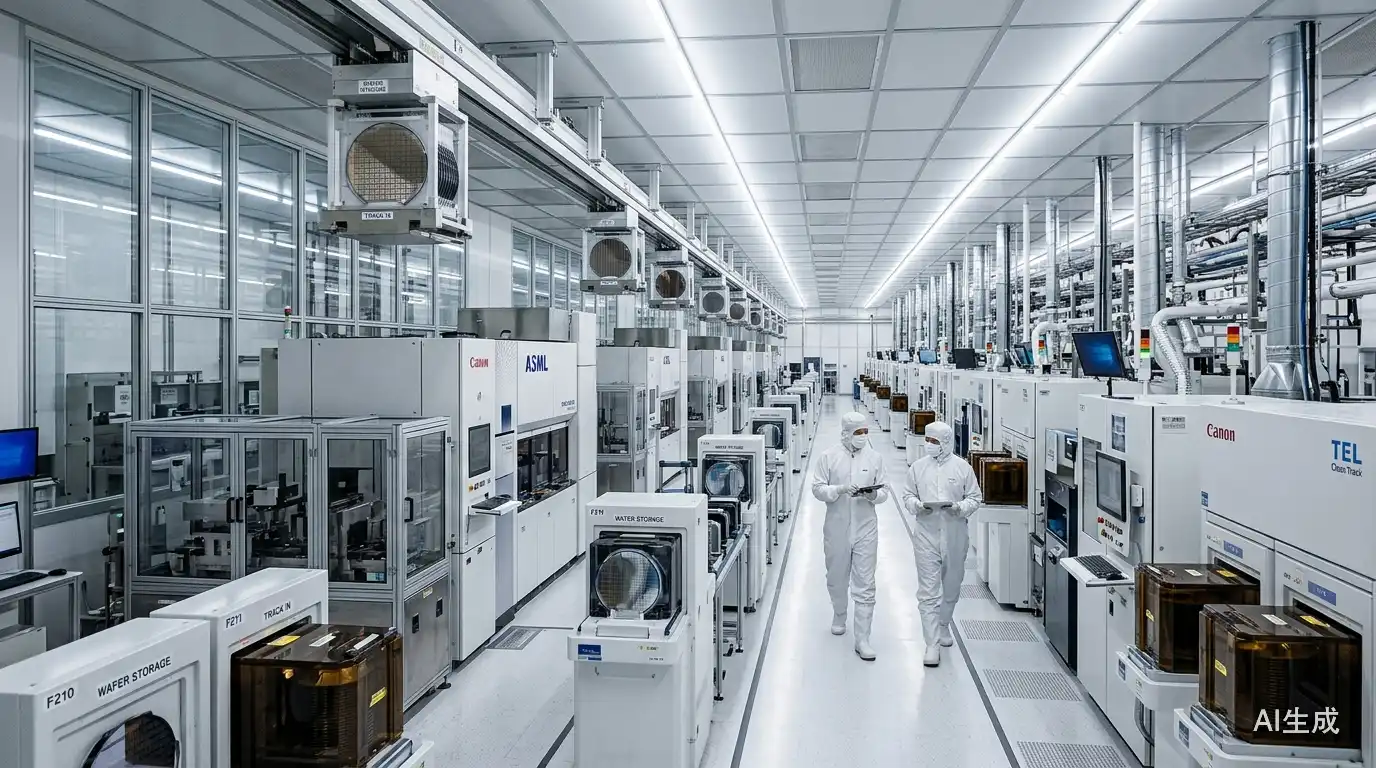
Behind the 67,000 Semiconductor Talent Shortage: U.S. Industrial Policy Game and Implications for China

The U.S. push to reshore semiconductor manufacturing faces a core challenge: a significant talent shortage. While over $770 billion in investments are planned across 160 projects, a key hurdle is finding enough people to run the new fabs. According to industry projections, the U.S. could face a shortage of approximately 67,000 technicians, engineers, and computer scientists by 2030. This shortage is multi-faceted. It includes not only high-level chip design engineers requiring advanced degrees but also a substantial need for technicians to operate and maintain fab equipment. Technician roles, while often requiring less formal education, are hard to fill due to factors like shift work, factory locations, and local community infrastructure. Conversely, for high-end engineers, the issue is less about salary—which is already competitive—and more about intense competition for specialized skills from other tech sectors and the long lead time to develop such expertise. The geographic dispersion of new investments complicates recruitment, as fabs need large numbers of local, stable employees. In response, U.S. policy emphasizes building workforce development as critical infrastructure. Strategies include expanding community college programs for technician training, fostering industry-education partnerships, and pursuing immigration reforms for high-skilled talent, aiming to balance immediate needs with long-term domestic pipeline development. For China, the key takeaway is the need to integrate talent supply planning with factory construction from the outset. This involves requiring companies to submit workforce plans, strengthening vocational education aligned with industry needs, and building supportive local ecosystems to retain talent. Ultimately, a sustainable semiconductor industry depends not just on building fabs, but on cultivating a continuous, local talent pipeline capable of keeping them running and advancing.

marsbitHá 11m

Behind the 67,000 Semiconductor Talent Shortage: U.S. Industrial Policy Game and Implications for China

marsbitHá 11m

Trading

Spot
活动图片