Bitwise: Bullish on Bitcoin's Performance in the Second Half of the Year, AI and Regulation Will Spark a New Altcoin Season

marsbitPublicado em 2026-04-24Última atualização em 2026-04-24

Resumo

Bitwise CIO Matt Hougan and Research Lead Ryan Rasmussen express strong bullish sentiment on Bitcoin's long-term prospects, suggesting that its $1 million price target may be too conservative. They argue Bitcoin serves a dual role: as digital gold and a potential global settlement asset, especially amid declining trust in traditional monetary systems. Despite a weak Q1 2026 where nearly all crypto assets and prices saw double-digit declines, the analysts remain optimistic due to strong forward-looking catalysts, including institutional adoption via Bitcoin ETFs from major firms like Morgan Stanley and Goldman Sachs. Geopolitical instability, such as Iran’s mention of using Bitcoin for international payments, increases the value of Bitcoin’s “out-of-the-money call option” as a non-political, global settlement currency. This enhances its appeal beyond a mere store of value. . Additionally, Hougan highlights that a clearer regulatory token framework under current SEC leadership, combined with AI efficiency gains and high-performance blockchains, could fuel a new “altseason” by late 2026. This may lead to a wave of legitimate, value-capturing token projects, unlike the earlier ICO boom. . Bitwise also announced an Avalanche ETF, citing its unique architecture and rapid growth in real-world asset (RWA) tokenization, which has surged 10x to nearly $30 billion in two years. The firm believes Layer 1 blockchains are still early in their growth cycle, with significant potential a...

Source: Milk Road Show

Compiled by: Felix, PANews

Bitwise Chief Investment Officer Matt Hougan and Head of Research Ryan Rasmussen believe that a $1 million Bitcoin valuation might be too conservative. Their reasoning: Bitcoin is not just a store of value; it is effectively both digital gold and a potential future global settlement asset, especially as the world gradually loses trust in traditional monetary systems. Below are the highlights of the conversation.

Host: How are you feeling about the market right now? Especially after another round of fluctuations over the weekend due to geopolitics, but things still look quite strong.

Matt: I remain relatively optimistic about the market. Previously, the market's direction was completely off, with negative funding rates and heavy put options, which led to the market getting squeezed and then it rebounded. It's holding support quite steadily here now. I think if we can maintain levels around $75,000, I'd be very excited about the trajectory for the second half of the year. So, I'm optimistic. We're now past the tax deadline, which was the inflection point I mentioned before. I think things look good now.

Ryan: It feels fantastic. I'm very optimistic. And it's truly an exciting time right now. I was just at Paris Blockchain Week last week. There was a lot of passion and many great opportunities. There were crypto-native companies doing very well and working on exciting things, and also many institutions and UK regulators were present.

Host: You just released the Q1 2026 Crypto Market Review report. What were the main takeaways from that report?

Matt: The main takeaway is that Q1 was terrible. My experience with these reports is that Ryan and his team compile them and send them to me for review when they're almost ready. Usually, when I look at the data, I see some metrics up, some down, some assets up, some down. But in Q1, almost everything crashed. Every major crypto asset saw double-digit declines, most major crypto stocks also saw double-digit declines. Almost every on-chain metric you could look at fell significantly. The only 'silver lining' was some good news on the stablecoin front. We've been doing this quarterly report for three or four years now, and this is the only report we've ever produced where the data was 'down across the board'.

On the other hand, the news flow was overwhelmingly positive. The market was falling when Morgan Stanley launched a Bitcoin ETF. The market was falling when Goldman Sachs launched a Bitcoin ETF, and when the U.S. SEC published a token framework. What really struck me was that this data is backward-looking. Looking back, it was indeed awful. But the thing is, all the news flow is forward-looking. Will it pull through into Q2? I think that's what people are betting on in Q2, and that's why the market has rallied in the past few weeks.

Host: Ryan, from your perspective, what were the main conclusions?

Ryan: I think Matt is spot on. Usually, you look at this report and see broad data. You see prices and fundamentals showing a trend, and the news more or less echoes that. But here, there was a huge divergence, one you don't typically see of this magnitude. Except for stablecoins, tokenization, and some Polymarket (prediction market) data that you'd expect to be up, the entire market was indeed down.

It's worth noting that the starting point at the beginning of the year was relatively high (compared to the end of Q1), but since the end of Q1, crypto has performed very well. If you take the Iran conflict as the midpoint of Q1, since the conflict broke out, we have outperformed other major asset classes, which feels pretty good. So I think the uniqueness of this quarter lies in its starting point; it contained many sharp swings and indicator changes with high highs and low lows. But I think from a long-term perspective, the indicators we've been tracking, whether sequentially or year-over-year, are significantly higher than in the past. But you also get these inter-quarter volatilities, which feel particularly bleak in a bear market.

Host: Were there any specific metrics or data points that stood out as particularly noteworthy for the future?

Ryan: In this report, RWA is a pretty incredible chart. A few years ago, it wasn't even in our report. Even if we had it in the 2024 report, the amount of real-world assets tokenized was less than $2 billion. In the past two years, that number has grown to nearly $30 billion, more than a 10x increase, with astonishing growth since the beginning of 2025.

Additionally, the range of asset types being tokenized is broadening. For a long time, it was basically just government bonds, maybe some tokenized gold. Now you're starting to see asset-backed credit, asset-backed securities, especially in the specialty finance category, and more commodities being brought on-chain. I think this proliferation across different assets is particularly interesting. I believe we will continue to see this chart move to the upper right, and the categories will keep widening.

Host: What is this 'Dual Bet' on Bitcoin?

Matt: At Bitwise, we have always described Bitcoin as a store of value, coupled with an out-of-the-money call option on it becoming a universal currency or international settlement tool. In other words, when you invest in Bitcoin, you are betting on it becoming digital gold. We believe that even modest progress on the path to becoming digital gold could easily push Bitcoin to $1 million per coin.

But at the same time, you also get this out-of-the-money call option on Bitcoin becoming an international monetary settlement tool. We never used to talk about this with institutions because the idea was too far-fetched; it was a theoretical concept. So we kept the focus on digital gold, but you still own this international settlement option.

The Iran conflict brought this call option on an international settlement tool closer to being in-the-money, as Iran talked about using Bitcoin for toll fees. But just as importantly, the global monetary order has become more unstable. If the underlying market becomes more volatile, the option becomes more valuable. So the reason we think geopolitical crises can drive Bitcoin to outperform is: the global monetary order is more unstable, therefore this 'out-of-the-money call option' becomes more valuable. So you're no longer just talking about digital gold; you're also talking about Bitcoin as money. This is the two-in-one bet. This makes me think our target price of $1.3 million by 2035 is too low. Maybe it should be $2.3 million. I think this idea of a non-political currency is becoming a reality, and as the world becomes more chaotic and volatility increases, I think this directly benefits Bitcoin.

Host: However, does this rely on more geopolitical conflicts?

Matt: Well, it will depend on a global reduction in reliance on a single political currency. So, I think once these systems break, they can't really be fully put back together. For example, the US froze Russian government bond assets. I don't think you can just put a band-aid on it, and then other countries suddenly think, 'Okay, I'm willing to put my wealth on your balance sheet'. I think the genie is out of the bottle. Does it require more geopolitical conflict? I'm not sure; it might require more growth in non-dollar economies, and I think that takes time, but geopolitical conflicts will certainly accelerate the process. I think it acts somewhat as a hedge against such geopolitical conflicts.

Host: To what extent is this reason driving institutional adoption? Would analysts at all these companies really think: decades of treaties and alliances are breaking down, the future of a single fiat currency is uncertain, and that becomes a reason to get into crypto?

Matt: I think it should drive institutional interest. Apart from us, I rarely hear others talk about this at the institutional level. This is a theory that has been circulating at the retail level for a long time, but I seldom hear it at the institutional level. I guess as I travel around, I'll start talking about it more. I think this is still a narrative that needs to permeate the institutional view.

Ryan: I'd like to add, when Matt and I discuss this, what I find interesting is: if Bitcoin has the potential to become a settlement currency in the future. Even if Bitcoin isn't used tomorrow for settling international trade, the probability of it happening is being pushed higher, and obviously this kind of thing is happening here (paying strait tolls). Any options trader would be happy to buy such a call option because it can see huge increases in both premium and value.

So, this is where it clicked for us: Oh, this is no longer that thing with a 2% chance of happening at some point in the future. Now it becomes a 15% or 20% possibility. That's a multiplicative increase in probability. This is also why we think this is a significant moment; it goes beyond the traditional digital store of value and is more likely to be used as an international trade settlement rail.

Host: Has Iran actually accepted Bitcoin payments, or was it just a threat?

Matt: I think the point Ryan made is very good, which is: this isn't actually a binary outcome. You don't have to wait until 'China settles transactions with Russia using Bitcoin' happens for the market to recognize that the probability has increased from, say, 1% to 10%. I think this has certainly happened. Now Iran, facing a difficult geopolitical situation sandwiched between the US and China, has floated this idea. You naturally turn to this non-political asset. I think this is also why you see Bitcoin's value rising again. It doesn't need to be fully realized; just an increase in probability is enough. And I think that is objectively happening.

Host: I saw you say something on the show, 'AI plus the new token framework will lead to the 2026 altcoin season'. Please explain that.

Matt: That was designed for clicks, and I'm quite proud of it. The thing about the token framework is really interesting. If you look back at crypto history, entrepreneurs tried to build token projects that captured some form of value to incentivize community development. But these attempts were always thwarted by the previous SEC – if you successfully created a valuable token, they'd throw you in jail. So, we ended up with meme governance tokens, and everyone gave up on the idea of using tokens to incentivize people.

The current SEC Chairman, Paul Atkins, has a lobbying background specifically for tokens. I think he believes that tokens capable of capturing real value can incentivize the building of new networks crucial to the economy. Therefore, he has created a safe harbor for people in this regard. When you apply this new capability, I think it will surprise people because everyone is still stuck in the memory of it not working before. Combine that with the characteristic of AI allowing people to do more with fewer people. You combine these two. I can already see a million truly valuable token projects springing up. We are starting to see evidence of value capture, like with Hyperliquid, and now you have a token framework that allows you to do it in a legal, compliant way. I think we will see a new wave of innovation, a new ICO (Initial Coin Offering) boom. I think it will all come back, but this time, some projects will actually be able to succeed.

Host: ICO boom, those words sound scary.

Matt: They were scary in the past because they were illegal securities offerings conducted by scammers. But using valuable tokens to incentivize community activity, build new networks, and solve the 'cold start' problem is a very interesting entrepreneurial idea. And we can now do it in a regulatory-compliant manner. The tokens of the past failed because they were born at the wrong time. But I absolutely do not think that means they wouldn't work in this new environment with high-performance blockchains, a robust regulatory framework, and AI empowerment. I do believe a new boom will occur within the next 18 months.

Host: I like your point: with a clear token framework, it's no longer the stage where unknown teams release projects; now you might see more mature, more professional things being put on the table. People might choose tokens to help bring their ideas to fruition.

Matt: To clarify, this involves three elements. Compliant regulation, high-performance blockchain systems, and significantly enhanced AI capabilities. When these three come together, I think it will be very exciting, and we now have all three conditions.

Host: Is this the crypto endgame you always foresaw? The major conditions necessary for great projects to be achieved?

Matt: I always thought the ideas we experimented with in 2018, 2020, and 2021 were good ideas that just appeared at the wrong time. For example, using crypto incentives to solve the cold start problem, or DeFi projects being limited by the lack of high-performance blockchains. Having lived through the internet bubble era, you know that you need regulations, technology, and the right market conditions to make these things happen. So I do see this as an inevitability, and I think it will catch many people by surprise.

Host: You announced an Avalanche (AVAX) ETF, believing it will launch soon. What was the reason for launching an Avalanche product?

Matt: Our view on the L1 space is that it's still very early stages. As I mentioned before, the scale of L1s is growing from $20 billion to $600 trillion. Therefore, we want to see L1 networks with differentiated architectures that show traction in the real world. Ethereum has one architecture and has obviously been hugely successful. Solana has another architecture and has also been hugely successful. We have large ETFs for Ethereum and Solana respectively. Avalanche is a third unique architecture; they use customizable Avalanche L1s, allowing various projects to build their own permissioning, fee networks, etc. Avalanche has made real progress in RWA; RWA on Avalanche has grown nearly 1000% year-over-year. They are one of the few L1s that have truly found success. I don't know how the L1 landscape will look in five to ten years, but I know it will definitely grow. I want all the projects that have real potential and leading architectures. Everyone is watching Ethereum, Solana, and Avalanche. So, we launched VAVA BAVA.

Related reading: Conversation with Bitwise CIO: Quantum Computing and AI Threats Overstated, Bullish on Crypto 'Big Four'


Perguntas relacionadas

QAccording to Bitwise's CIO Matt Hougan, why is a $1 million Bitcoin valuation considered conservative?

ABecause Bitcoin is not just a store of value; it is both digital gold and has an out-of-the-money call option to become a future global settlement asset, especially as trust in traditional monetary systems erodes. Geopolitical instability, like the Iran conflict, increases the value of this 'settlement currency' option, making the target price seem too low.

QWhat was the main conclusion from Bitwise's Q1 2026 Crypto Market Review report?

AThe main conclusion was that Q1 was exceptionally bad, with nearly every major crypto asset and crypto stock experiencing double-digit declines, and most on-chain metrics falling significantly. It was the only report in their history to show data 'falling across the board,' though the news flow during the period was positive and forward-looking.

QWhat three factors does Matt Hougan believe will combine to catalyze a new 'altseason' in 2026?

AThe three factors are: 1) A clear regulatory token framework from the SEC that allows for compliant token offerings, 2) High-performance blockchain systems, and 3) Greatly enhanced AI capabilities that allow projects to do more with fewer people.

QHow did the Iran conflict impact the perceived value of Bitcoin's 'double bet'?

AThe Iran conflict made Bitcoin's 'out-of-the-money call option' to become an international settlement currency move closer to being in-the-money. It increased the probability of Bitcoin being used for this purpose (e.g., Iran discussing using it for strait toll payments), thereby significantly increasing the option's premium and overall value due to greater global monetary instability.

QWhy did Bitwise decide to launch an Avalanche (AVAX) ETF?

ABitwise believes the Layer 1 (L1) space is still in its growth phase. They see Avalanche as a project with a unique, differentiated architecture (customizable L1s) that has demonstrated real-world traction, particularly in the Real World Asset (RWA) tokenization sector, which has grown nearly 1000% year-over-year on its network.

Leituras Relacionadas

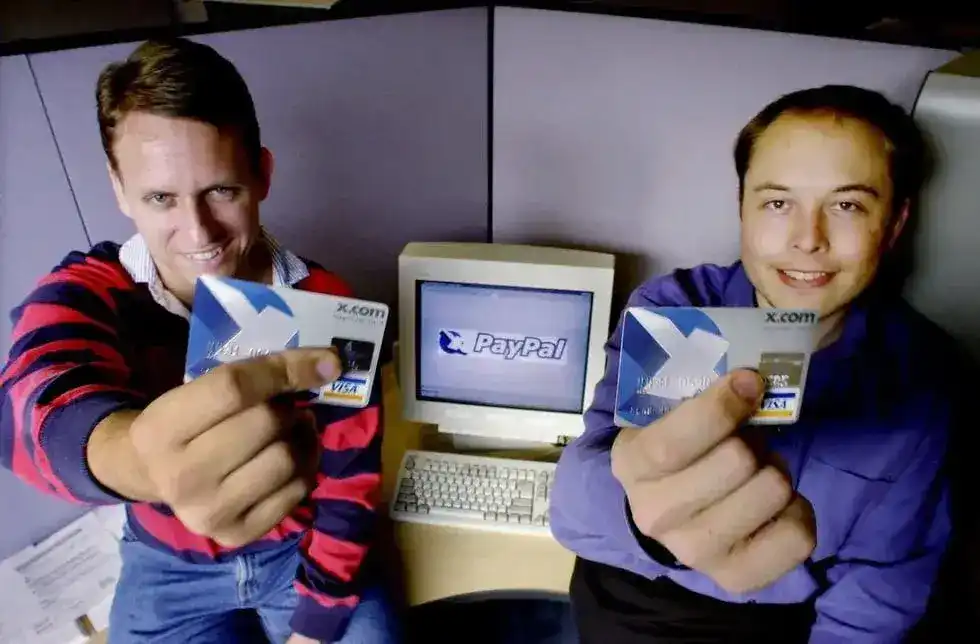
Kicked Out of PayPal, Musk Aims for a Comeback in the Crypto Market

Elon Musk's X (formerly Twitter) has launched its "Smart Cashtags" feature, generating approximately $1 billion in trading volume within days of its April 2026 pilot launch. The feature allows users to click on stock or crypto tickers (or even full Solana token contract addresses) in posts to view real-time price charts and discussions without leaving the app. Initially available to iPhone users in the US and Canada, with a partnership in Canada enabling direct trading via the Wealthsimple app. This move is part of Musk's broader "Everything App" vision, spearheaded by the upcoming X Money platform. Analysts, such as Mizuho's Dan Dolev, see this as a potential disruptor to the US payments market, even prompting a downgrade of PayPal's stock. X Money's beta offers services like 6% APY on deposits, cashback, and P2P transfers, with speculation it may later incorporate crypto trading and stablecoin settlements for faster transactions. However, the ambitious plan faces significant regulatory scrutiny. Senator Elizabeth Warren has questioned the sustainability of the high 6% yield and raised concerns over X's banking partner, Cross River Bank, which has a history of regulatory violations. Additional risks involve the "GENIUS Act," which may create loopholes for stablecoin issuance without full FDIC insurance coverage, potentially leaving users unprotected. The integration of social trading on a platform with over 500 million users could inject new liquidity and retail interest into the crypto market. Yet, it also amplifies risks like herd mentality and the blurring of lines between entertainment and financial speculation. Musk's return to finance, after his ouster from PayPal, hinges on balancing innovation with regulatory compliance.

marsbitHá 1h

Kicked Out of PayPal, Musk Aims for a Comeback in the Crypto Market

marsbitHá 1h

Trading

Spot
Futuros

Artigos em Destaque

O que é BITCOIN

Compreender o HarryPotterObamaSonic10Inu (ERC-20) e a Sua Posição no Espaço Cripto Nos últimos anos, o mercado de criptomoedas assistiu a um aumento na popularidade das moedas meme, cativando não apenas os traders, mas também aqueles que procuram envolvimento comunitário e valor de entretenimento. Entre estes tokens únicos está o HarryPotterObamaSonic10Inu (ERC-20), um projeto intrigante que mistura referências culturais no tecido das criptomoedas. Este artigo explora os principais aspetos do HarryPotterObamaSonic10Inu, examinando os seus mecanismos, a sua ética orientada pela comunidade e o seu envolvimento com o vasto panorama cripto. O que é o HarryPotterObamaSonic10Inu (ERC-20)? Como o nome sugere, o HarryPotterObamaSonic10Inu é uma moeda meme construída na blockchain Ethereum, classificada sob o padrão ERC-20. Ao contrário das criptomoedas tradicionais, que podem enfatizar a utilidade prática ou o potencial de investimento, este token prospera no valor de entretenimento e na força da sua comunidade. O projeto visa promover um ambiente onde utilizadores envolvidos possam reunir-se, partilhar ideias e participar em atividades inspiradas por diversos fenómenos culturais. Uma característica notável do HarryPotterObamaSonic10Inu é a zero taxa sobre transações. Este elemento atraente visa encorajar a negociação e o envolvimento da comunidade, isento de encargos adicionais que podem desencorajar os traders de pequena escala. A oferta total da moeda está fixada em mil milhões de tokens, uma cifra que marca a sua intenção de manter uma circulação substancial dentro da comunidade. Criador do HarryPotterObamaSonic10Inu (ERC-20) As origens do HarryPotterObamaSonic10Inu estão um pouco envoltas em mistério; os detalhes sobre o criador permanecem desconhecidos. O desenvolvimento deste token carece de uma equipa identificável ou de um plano explícito, o que não é raro no setor das moedas meme. Em vez disso, o projeto surgiu de forma orgânica, com o seu progresso a depender fortemente do entusiasmo e da participação da sua comunidade. Investidores do HarryPotterObamaSonic10Inu (ERC-20) No que diz respeito a investimentos externos e apoios, o HarryPotterObamaSonic10Inu também permanece ambíguo. O token não lista quaisquer fundações de investimento conhecidas ou apoio organizacional significativo. Em vez disso, o “sangue vital” do projeto é a sua comunidade de base, que informa o seu crescimento e sustentabilidade através da ação coletiva e do envolvimento no espaço cripto. Como Funciona o HarryPotterObamaSonic10Inu (ERC-20)? Como uma moeda meme, o HarryPotterObamaSonic10Inu opera principalmente fora dos quadros tradicionais que muitas vezes governam o valor dos ativos. Existem vários aspetos distintivos que definem como o projeto funciona: Transações Sem Taxas: Sem taxas sobre transações, os utilizadores podem comprar e vender o token livremente, sem a preocupação de custos ocultos. Envolvimento da Comunidade: O projeto prospera na interação da comunidade, aproveitando plataformas de redes sociais para criar entusiasmo e facilitar a participação. Discussões, partilha de conteúdo e envolvimento são elementos cruciais que ajudam a expandir o seu alcance e a fomentar a lealdade entre os apoiantes. Sem Utilidade Prática: Deve ser notado que o HarryPotterObamaSonic10Inu não oferece utilidade concreta dentro do ecossistema financeiro. Em vez disso, é classificado como um token principalmente para entretenimento e atividades comunitárias. Referência Cultural: O token incorpora de forma inteligente elementos da cultura popular para atrair interesse, conectando-se tanto com entusiastas de memes como com seguidores de criptomoedas. HarryPotterObamaSonic10Inu exemplifica como as moedas meme operam de forma diferente de projetos de criptomoedas mais tradicionais, entrando no mercado como construções sociais inovadoras em vez de ativos utilitários. Linha do Tempo do HarryPotterObamaSonic10Inu (ERC-20) A história do HarryPotterObamaSonic10Inu é marcada por vários marcos notáveis: Criação: O token surgiu de um meme viral, capturando a imaginação de muitos entusiastas de criptomoedas. Datas específicas de criação não estão disponíveis, sublinhando a sua ascensão orgânica. Listagem em Exchanges: O HarryPotterObamaSonic10Inu conseguiu entrar em várias exchanges, permitindo um acesso e negociação mais fáceis pela comunidade. Iniciativas de Envolvimento da Comunidade: Atividades contínuas direcionadas a melhorar a interação comunitária, incluindo concursos, campanhas em redes sociais e geração de conteúdo por fãs e defensores. Planos de Expansão Futura: O roteiro do projeto inclui o lançamento de uma coleção de NFTs, mercadorias e um site de eCommerce relacionado aos seus temas culturais, envolvendo ainda mais a comunidade e tentando adicionar mais dimensões ao seu ecossistema. Pontos-Chave sobre o HarryPotterObamaSonic10Inu (ERC-20) Natureza Orientada pela Comunidade: O projeto prioriza a contribuição coletiva e a criatividade, assegurando que o envolvimento dos utilizadores está na vanguarda do seu desenvolvimento. Classificação como Moeda Meme: Representa o epítome da criptomoeda baseada em entretenimento, destacando-se dos veículos de investimento tradicionais. Sem Afiliação Direta com o Bitcoin: Apesar da semelhança no nome do ticker, o HarryPotterObamaSonic10Inu é distinto e não tem qualquer relação com o Bitcoin ou outras criptomoedas estabelecidas. Foco na Colaboração: O HarryPotterObamaSonic10Inu é projetado para criar um espaço de colaboração e partilha de histórias entre os seus detentores, proporcionando uma via para a criatividade e o fortalecimento da comunidade. Perspectivas Futuras: A ambição de expandir além da sua premissa inicial para NFTs e mercadorias delineia um caminho para o projeto potencialmente entrar em avenidas mais mainstream dentro da cultura digital. À medida que as moedas meme continuam a capturar a imaginação da comunidade cripto, HarryPotterObamaSonic10Inu (ERC-20) destaca-se devido aos seus laços culturais e abordagem centrada na comunidade. Embora possa não se encaixar no molde típico de um token orientado para utilidade, a sua essência reside na alegria e camaradagem fomentadas entre os seus apoiantes, destacando a natureza em evolução das criptomoedas em uma era cada vez mais digital. À medida que o projeto continua a desenvolver-se, será importante observar como as dinâmicas comunitárias influenciam a sua trajetória no panorama em constante mudança da tecnologia blockchain.

1.2k Visualizações TotaisPublicado em {updateTime}Atualizado em 2024.12.03

O que é BITCOIN

Como comprar BTC

Bem-vindo à HTX.com!Tornámos a compra de Bitcoin (BTC) simples e conveniente.Segue o nosso guia passo a passo para iniciar a tua jornada no mundo das criptos.Passo 1: cria a tua conta HTXUtiliza o teu e-mail ou número de telefone para te inscreveres numa conta gratuita na HTX.Desfruta de um processo de inscrição sem complicações e desbloqueia todas as funcionalidades.Obter a minha contaPasso 2: vai para Comprar Cripto e escolhe o teu método de pagamentoCartão de crédito/débito: usa o teu visa ou mastercard para comprar Bitcoin (BTC) instantaneamente.Saldo: usa os fundos da tua conta HTX para transacionar sem problemas.Terceiros: adicionamos métodos de pagamento populares, como Google Pay e Apple Pay, para aumentar a conveniência.P2P: transaciona diretamente com outros utilizadores na HTX.Mercado de balcão (OTC): oferecemos serviços personalizados e taxas de câmbio competitivas para os traders.Passo 3: armazena teu Bitcoin (BTC)Depois de comprar o teu Bitcoin (BTC), armazena-o na tua conta HTX.Alternativamente, podes enviá-lo para outro lugar através de transferência blockchain ou usá-lo para transacionar outras criptomoedas.Passo 4: transaciona Bitcoin (BTC)Transaciona facilmente Bitcoin (BTC) no mercado à vista da HTX.Acede simplesmente à tua conta, seleciona o teu par de trading, executa as tuas transações e monitoriza em tempo real.Oferecemos uma experiência de fácil utilização tanto para principiantes como para traders experientes.

3.8k Visualizações TotaisPublicado em {updateTime}Atualizado em 2025.03.21

Como comprar BTC

O que é $BITCOIN

OURO DIGITAL ($BITCOIN): Uma Análise Abrangente Introdução ao OURO DIGITAL ($BITCOIN) OURO DIGITAL ($BITCOIN) é um projeto baseado em blockchain que opera na rede Solana, com o objetivo de combinar as características dos metais preciosos tradicionais com a inovação das tecnologias descentralizadas. Embora partilhe um nome com o Bitcoin, frequentemente referido como “ouro digital” devido à sua percepção como uma reserva de valor, o OURO DIGITAL é um token separado projetado para criar um ecossistema único dentro da paisagem Web3. O seu objetivo é posicionar-se como um ativo digital alternativo viável, embora os detalhes sobre as suas aplicações e funcionalidades ainda estejam em desenvolvimento. O que é o OURO DIGITAL ($BITCOIN)? OURO DIGITAL ($BITCOIN) é um token de criptomoeda explicitamente projetado para uso na blockchain Solana. Em contraste com o Bitcoin, que fornece um papel amplamente reconhecido como armazenamento de valor, este token parece focar em aplicações e características mais amplas. Aspectos notáveis incluem: Infraestrutura Blockchain: O token é construído na blockchain Solana, conhecida pela sua capacidade de lidar com transações de alta velocidade e baixo custo. Dinâmicas de Oferta: O OURO DIGITAL tem um fornecimento máximo limitado a 100 quatrilhões de tokens (100P $BITCOIN), embora os detalhes sobre o seu fornecimento circulante ainda não tenham sido divulgados. Utilidade: Embora as funcionalidades precisas não estejam explicitamente delineadas, existem indicações de que o token poderia ser utilizado para várias aplicações, potencialmente envolvendo aplicações descentralizadas (dApps) ou estratégias de tokenização de ativos. Quem é o Criador do OURO DIGITAL ($BITCOIN)? Neste momento, a identidade dos criadores e da equipa de desenvolvimento por trás do OURO DIGITAL ($BITCOIN) permanece desconhecida. Esta situação é típica entre muitos projetos inovadores no espaço da blockchain, particularmente aqueles alinhados com finanças descentralizadas e fenómenos de moedas meme. Embora tal anonimato possa fomentar uma cultura orientada pela comunidade, intensifica as preocupações sobre governança e responsabilidade. Quem são os Investidores do OURO DIGITAL ($BITCOIN)? As informações disponíveis indicam que o OURO DIGITAL ($BITCOIN) não tem apoiantes institucionais conhecidos ou investimentos proeminentes de capital de risco. O projeto parece operar num modelo peer-to-peer focado no apoio e adoção da comunidade, em vez de rotas de financiamento tradicionais. A sua atividade e liquidez estão principalmente situadas em exchanges descentralizadas (DEXs), como a PumpSwap, em vez de plataformas de negociação centralizadas estabelecidas, destacando ainda mais a sua abordagem de base. Como Funciona o OURO DIGITAL ($BITCOIN) A mecânica operacional do OURO DIGITAL ($BITCOIN) pode ser elaborada com base no seu design de blockchain e nas características da rede: Mecanismo de Consenso: Ao aproveitar o exclusivo proof-of-history (PoH) da Solana combinado com um modelo de proof-of-stake (PoS), o projeto assegura uma validação eficiente das transações, contribuindo para o alto desempenho da rede. Tokenomics: Embora mecanismos deflacionários específicos não tenham sido extensivamente detalhados, o vasto fornecimento máximo de tokens implica que pode atender a microtransações ou casos de uso de nicho que ainda estão por definir. Interoperabilidade: Existe o potencial para integração com o ecossistema mais amplo da Solana, incluindo várias plataformas de finanças descentralizadas (DeFi). No entanto, os detalhes sobre integrações específicas permanecem não especificados. Cronologia de Eventos Chave Aqui está uma cronologia que destaca marcos significativos relacionados ao OURO DIGITAL ($BITCOIN): 2023: O lançamento inicial do token ocorre na blockchain Solana, marcado pelo seu endereço de contrato. 2024: O OURO DIGITAL ganha visibilidade ao tornar-se disponível para negociação em exchanges descentralizadas como a PumpSwap, permitindo que os utilizadores o negociem contra SOL. 2025: O projeto testemunha atividade de negociação esporádica e potencial interesse em envolvimentos liderados pela comunidade, embora não tenham sido documentadas parcerias ou avanços técnicos notáveis até ao momento. Análise Crítica Forças Escalabilidade: A infraestrutura subjacente da Solana suporta altos volumes de transações, o que pode aumentar a utilidade do $BITCOIN em vários cenários de transação. Acessibilidade: O potencial preço de negociação baixo por token pode atrair investidores de retalho, facilitando uma participação mais ampla devido a oportunidades de propriedade fracionada. Riscos Falta de Transparência: A ausência de apoiantes, desenvolvedores ou um processo de auditoria publicamente conhecidos pode gerar ceticismo em relação à sustentabilidade e confiabilidade do projeto. Volatilidade do Mercado: A atividade de negociação depende fortemente do comportamento especulativo, o que pode resultar em volatilidade significativa dos preços e incerteza para os investidores. Conclusão O OURO DIGITAL ($BITCOIN) surge como um projeto intrigante, mas ambíguo, dentro do ecossistema em rápida evolução da Solana. Embora tente aproveitar a narrativa do “ouro digital”, a sua divergência do papel estabelecido do Bitcoin como reserva de valor sublinha a necessidade de uma diferenciação mais clara da sua utilidade pretendida e estrutura de governança. A aceitação e adoção futuras dependerão provavelmente da abordagem da atual opacidade e da definição mais explícita das suas estratégias operacionais e económicas. Nota: Este relatório abrange informações sintetizadas disponíveis até outubro de 2023, e desenvolvimentos podem ter ocorrido além do período de pesquisa.

92 Visualizações TotaisPublicado em {updateTime}Atualizado em 2025.05.13

O que é $BITCOIN

Discussões

Bem-vindo à Comunidade HTX. Aqui, pode manter-se informado sobre os mais recentes desenvolvimentos da plataforma e obter acesso a análises profissionais de mercado. As opiniões dos utilizadores sobre o preço de BTC (BTC) são apresentadas abaixo.

活动图片