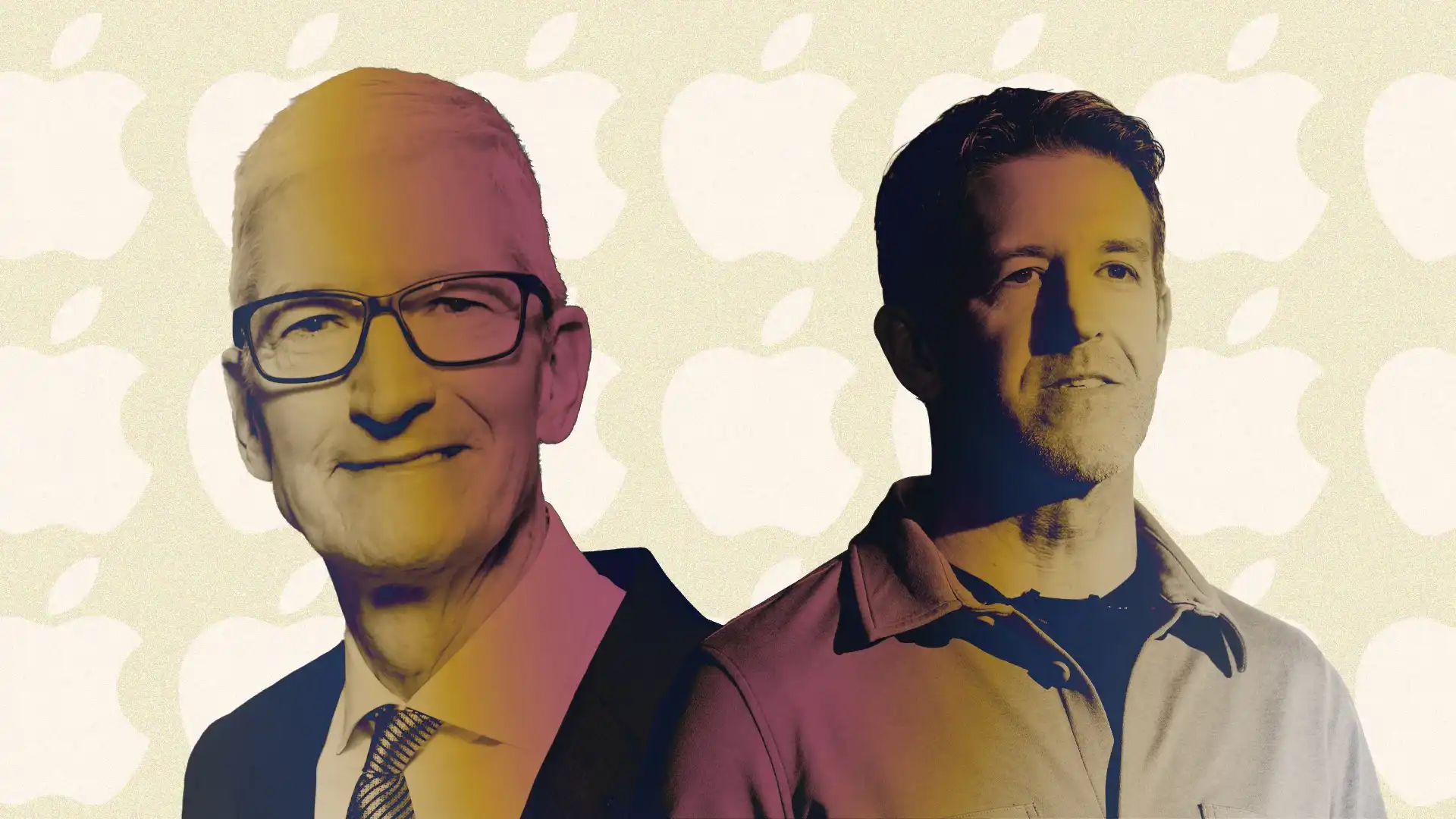
A New CEO Who Has Worked Exclusively with Hardware for 25 Years Takes Over Apple, Valued at 4 Trillion
Apple, the world's most valuable tech firm, has appointed John Ternus as its new CEO, effective September 1, replacing Tim Cook who transitions to executive chairman. Ternus, a 51-year-old mechanical engineer with 25-year tenure at Apple, previously served as senior vice president of hardware engineering. Known for his low public profile and lack of social media presence, he played key roles in developing products like the iPad, AirPods, and led Apple’s transition from Intel to in-house silicon chips.
Ternus takes over a company valued at $4 trillion, with Cook having multiplied Apple’s revenue and built a $100 billion services business. However, he inherits significant challenges: Apple’s AI efforts, including the delayed Siri revamp powered by Google’s Gemini, remain unproven, and the company is preparing to launch its first foldable iPhone amid supply constraints. While Ternus’s hardware expertise positions him well for product-driven innovation, his lack of software/AI experience raises questions about Apple’s competitiveness in the AI era. The company’s structure has been adjusted to support him, with Cook remaining in an advisory role. Ternus’s engineer-led approach—emphasizing humility and collaboration—may prove vital in navigating Apple’s next chapter.
marsbit04/21 04:09