To Those Ordinary People Who Haven't Invested in AI: You Think You're Late, You're Just Lacking Your Own Worldview
**Summary:**
The article argues that ordinary investors feeling FOMO over missing the AI investment boom lack not timing, but their own independent worldview. Most people chase "what to buy" based on others' opinions (FOMO, envy) rather than fundamental analysis. This leads to costly mistakes: not knowing when to exit winning trades or cut losses on losing ones.
The core solution is to develop a personal, long-term (5-10 year) worldview about societal shifts and technological bottlenecks. For most, building this from scratch (Path A) is too demanding. A practical alternative (Path B) is to follow the **capital expenditures (capex)** and strategic investments of visionary leaders, as their money reveals true conviction more reliably than their words.
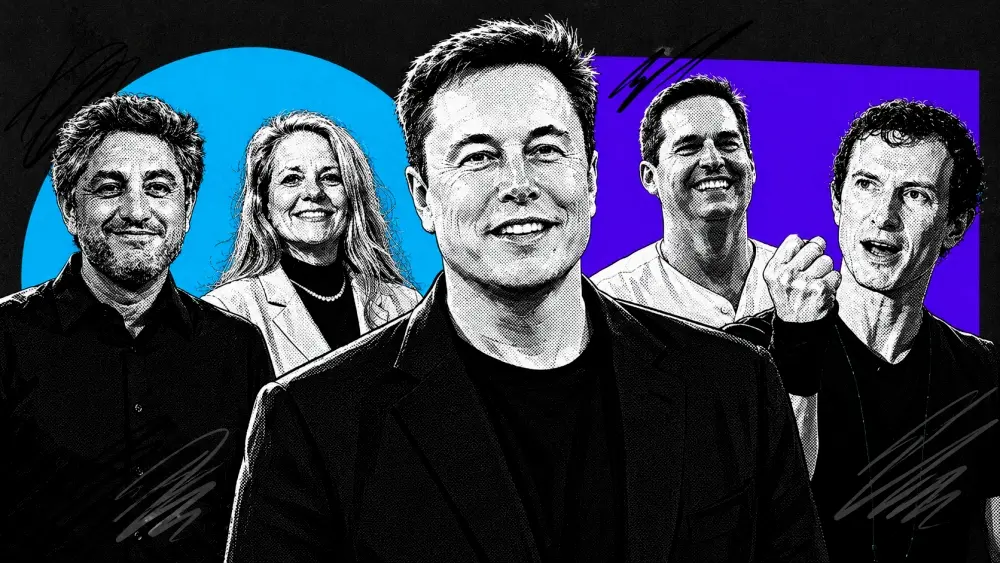
Five key figures to track for different AI perspectives are highlighted: Jensen Huang (NVIDIA, infrastructure), Elon Musk (Tesla/SpaceX/xAI, capex signals), Sam Altman (OpenAI, commercialization, but beware hype), Dario Amodei (Anthropic, technical/safety focus), and Liang Wenfeng (DeepSeek, efficiency/anti-consensus view).
The article details how to read capex signals from hyperscalers' financial reports, NVIDIA's revenue breakdown, and strategic investments. It maps the complete AI产业链 (supply chain) from raw materials/energy to models/applications, explaining value flow and inter-dependencies (e.g., how a model release triggers demand across chips, memory, and optics).
Finally, it provides an action plan: secure personal finances first, allocate a limited portfolio percentage (max 25%) to the theme, prefer broad ETFs (like QQQ), use dollar-cost averaging over 6-12 months, and write down strict investment rules beforehand to combat emotional errors during market volatility. The conclusion is that a stable, personally-held worldview enables disciplined, long-term investment far more than chasing short-term trends.
marsbit05/26 09:10