2026-04-18 Sábado

Centro de Notícias - Página 181

Obtém notícias cripto em tempo real e tendências de mercado com o Centro de Notícias da HTX.

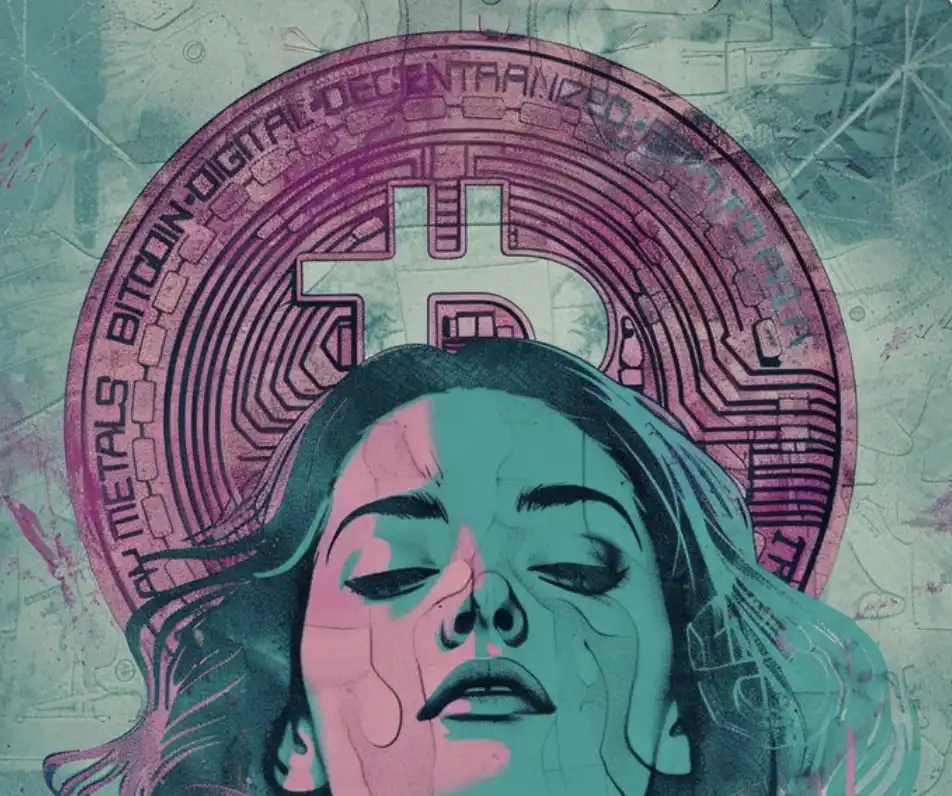
Jensen Huang is Satoshi Nakamoto

Summary: The article draws a compelling parallel between Jensen Huang, CEO of NVIDIA, and Satoshi Nakamoto, the pseudonymous creator of Bitcoin. It argues that both figures, though operating in different eras, fundamentally architected new "token economies" based on a core conversion rule: inputting computational power (electricity) to output a valuable token. Nakamoto's 2008 whitepaper defined a system where Proof-of-Work mining produces scarce cryptographic tokens, creating a decentralized "faith economy" based on speculative value. In 2026, Huang is portrayed as performing a structurally identical act at GTC. Instead of merely selling GPUs, he presented a complete "token economics" framework, segmenting the market into tiers (Free, Medium, High, Premium, Ultra) based on inference speed, model type, and price per million tokens. He defined valuable computation for the AI age. The key distinction lies in the tokens' purpose and resulting scarcity. Crypto tokens derive value from artificial, code-enforced scarcity (e.g., Bitcoin's 21 million cap) and are meant to be held. AI tokens derive value from their immediate consumption for productive tasks (coding, decision-making) and face a natural, physical scarcity governed by the laws of thermodynamics, land, and power grids, which Huang's hardware is designed to maximize. Ultimately, while Nakamoto created a speculative asset, Huang is building an indispensable utility. The AI token economy, powered by NVIDIA ecosystem, is argued to be more resilient and fundamental, as the author concludes, "You don't need to believe the token has value—your credit card bill has already proven it." Huang is presented as the visible, commercial architect of a tangible token future, the successor to Satoshi's anonymous, ideological blueprint.

marsbit03/19 01:31

Jensen Huang is Satoshi Nakamoto

marsbit03/19 01:31

IBM Loses $40 Billion, Block Lays Off Half Its Workforce Yet Stock Rises: In the AI Era, What Assets Are Worth Tokenizing?

On February 23, 2026, IBM’s stock plummeted 13.2%, erasing $40 billion in market value, after AI startup Anthropic announced its Claude Code tool could modernize IBM’s legacy COBOL systems—a core profit driver for IBM. In contrast, Block’s stock surged 24% three days later despite announcing a 50% workforce reduction, citing AI-driven efficiency gains. These divergent reactions highlight how AI is redefining asset value. The article argues AI acts as a "repricer" of assets, favoring those with "AI immunity." Key traits include non-codability (e.g., IBM’s hardware-software integration, which AI can’t fully replicate), data moats (exclusive, high-quality data), and AI-augmentability (assets enhanced, not replaced, by AI). Assets vulnerable to AI are those reliant on human intermediation or standardized processes. The framework extends to real-world asset (RWA) tokenization. Assets worth tokenizing are those resilient to AI-driven devaluation, such as energy infrastructure, GPU computing power, exclusive data assets, and hybrid physical-digital assets. The piece cautions against tokenizing assets dependent on human intermediaries or lacking data moats. The conclusion urges executives to stress-test their asset portfolios using the "AI immunity" framework, dynamically manage asset allocation, and carefully evaluate RWA strategies based on AI resilience. It emphasizes that in the AI era, sustainable assets are those that leverage human judgment and possess inherent physical or exclusive value.

marsbit03/19 01:25

IBM Loses $40 Billion, Block Lays Off Half Its Workforce Yet Stock Rises: In the AI Era, What Assets Are Worth Tokenizing?

marsbit03/19 01:25

Disney's Olaf Robot Goes Viral, Trump Postpones Visit to China...

Here is a summary of the key discussions from crypto KOLs on X over the past 24 hours: **Disney's Olaf Robot Steals the Show at GTC:** A highly advanced, animatronic Snowman Olaf from Disney became a major talking point at the conference. Users noted its "humanized interaction" capabilities, powered by the Jetson AGX Thor chip, which allows for real-time multi-modal reasoning and complex motion training. This was seen as a significant milestone for AI scaling laws entering the physical world. Some pointed out that the on-stage dialogue was pre-recorded and that a similar robot has existed for years. **Trump Postpones Visit to China:** Former President Donald Trump's decision to delay a planned trip to China was widely discussed. Commentators characterized the move as typical of his unpredictable, "随心所欲" (whimsical) nature. Some speculated he might be "operating a prediction market," with one user quipping, "The first rule of winning: never go where you lose." **Yi Lihua Announces New Fund:** Crypto investor Yi Lihua announced he is preparing a new fund platform. The community response was mixed and skeptical. Replies ranged from praising his good attitude to accusations of market manipulation, suggesting his public statements are often contrary to his actual actions, such as secretly shorting the market or encouraging others to "lift the sedan chair" for his exit. **KOLs on Passive Income:** Several key opinion leaders shared their views and strategies for generating passive income, though specific details of these discussions were not elaborated in the provided text.

比推03/19 00:31

Disney's Olaf Robot Goes Viral, Trump Postpones Visit to China...

比推03/19 00:31

活动图片