From StepFun to Galaxy Robots: The Capital Migration Path Behind WAIC Exhibiting Companies
From Stellar Steps to Galactic Generals: The Capital Migration Route Behind WAIC 2026 Exhibiting Enterprises
The 2026 World Artificial Intelligence Conference (WAIC) in Shanghai showcased over 1100 exhibitors. Analyzing their financing activities over the past 18 months reveals key capital trends in China's AI industry, with the total raised exceeding 100 billion RMB.
**Large Language Models: IPO Window Opens, Capital Concentrates on Leaders**
This sector attracted the most capital. Companies like Zhipu and MiniMax have completed Hong Kong IPOs, setting exit benchmarks. StepFun (Stellar Steps), a star example, saw its valuation soar to an estimated $12B through rapid, escalating funding rounds—from millions in 2023 to a $2.5B Pre-IPO round in mid-2026 led by industrial players like ZTE. The trend shows a shift: IPO paths are clear, industrial capital is entering for strategic deployment, and large, concentrated funding rounds favor commercially viable leaders.
**Embodied AI: Hyper-Compressed Financing Cycles**
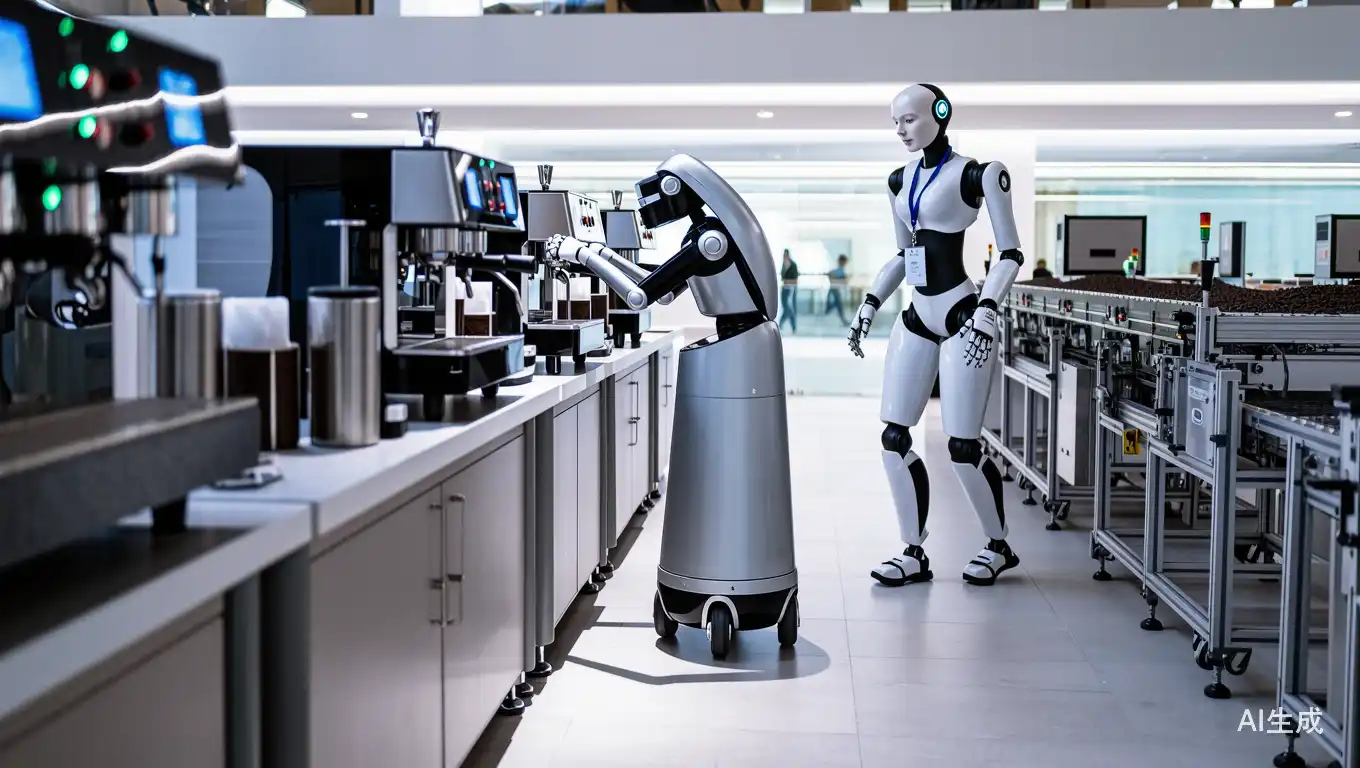
This field entered a capital explosion phase. Companies like Galbot (Galactic General) epitomize the trend, raising over 7B RMB across 5 rounds in under 2 years. Early VC backing quickly gave way to investments from industrial giants (Meituan, CATL, SAIC) and finally "national team" funds, signaling its status as a strategic industry. The compressed fundraising pace, as seen with other leaders, indicates high consensus on the sector's potential and intense competition.
**AI Chips: Domestic Substitution Enters Deep Waters**
Represented by companies like Moore Threads (which completed an 8B RMB IPO as the "first domestic GPU stock"), this sector differs. It faces longer R&D cycles, higher capital thresholds, and stronger policy reliance. Funding often involves state-backed capital and telecom operators, with lower VC participation compared to other AI sectors, reflecting the industry's inherent challenges.
**Capital Flow Panorama: Five Key Trends**
1. **Winner-Takes-Most:** Funding is highly concentrated in top players within each sector.
2. **Embodied AI as a New Growth Pole:** It attracts rapid, large-scale funding from industrial chains, akin to the automotive sector.
3. **Industrial Capital Ascendancy:** Strategic investors like ZTE and SAIC are replacing pure financial VCs for technology synergy.
4. **"National Team" Prominence:** State-guided investment funds are actively co-investing, aligning AI with national strategy.
5. **Diversified Exit Paths:** Beyond IPOs, options like M&A and strategic investment are increasing.
**Conclusion: Capital is Not Omnipotent**
While massive capital influx signals strong market confidence in China's AI outlook, it brings risks: reduced ecosystem diversity due to concentration, potential compromise of corporate independence, and valuation bubble concerns amidst compressed financing. The investor's motive behind a company often reveals more than its technical specs.
marsbit07/17 12:11