Top 10 Blockchain & Web3 Development Enterprise Services in 2022

BitcoinistPublicado em 2022-11-03Última atualização em 2022-11-03

Resumo

Blockchain technology has become more than just a ledger system to record Bitcoin transactions. Nowadays, more companies and protocols are...


Blockchain technology has become more than just a ledger system to record Bitcoin transactions. Nowadays, more companies and protocols are developing blockchain solutions for enterprises across multiple industries: finance, tech, supply chain, real estate, and much more.
However, the process of building web3 applications is complicated since it requires expert and talented individuals, and the costs are usually high. The global spending on blockchain solutions reached nearly $5 billion in 2020 and could grow to $20 billion by 2024. This rapid growth means there are many blockchain platforms out there, which can overwhelm developers.
Best Blockchain Solutions and Services for Enterprises in 2022
We have compiled the top 10 best blockchain development platforms so you can find the one that fits you best, including simple web3 app development services and excellent blockchains to develop decentralised applications from scratch
1. SIMBA Blocks
SIMBA Blocks is an enterprise-grade platform that provides blockchain solutions across multiple industries, including supply chain, food and beverage, aviation, automotive, manufacturing, healthcare, and government.
SIMBA Blocks is a Smart-Contract as a Service (SCaaS) by SIMBA Chain, a globally leading provider of blockchain enterprise solutions. Its approach presents a scalable solution designed to help enterprise companies easily migrate from web2 to web3.

SIMBA Blocks auto-generates APIs that support private, public or hybrid blockchains and allows clients to easily migrate to other blockchains if necessary. So far, the platform supports Quorum, Ethereum, Polygon, and Hyperledger Fabric but will be adding Corda and other protocols . The platform will add new protocols like Corda and SDKs in the future, providing enterprising companies with the necessary flexibility to grow and scale.
SIMBA Blocks is user-friendly, allowing any developer —not just blockchain developers— to use Web3 technology by simplifying the process of building and deploying smart contracts. Companies can leverage the platform’s Software Development Kits (SDKs) to build Web3 systems. This makes SIMBA Blocks a highly accessible cloud-based platform, no matter the level of the user’s blockchain knowledge.
Overall, SIMBA Blocks provides solution-specific modules for all kinds of use cases, whether NFTs, supply chain management, and more, ultimately saving enterprises up to $1.3 million in upfront expenses. The platform has already created proven solutions for several industries: for the US government with the US Air Force, the US Department of Energy, and the US Navyand with large-scale enterprises such as Boeing, CAT, DOW, and software companies such as Atomic Labs and BSSI.
SIMBA Blocks is currently the only company to offer Structured Data, SIMBA’s unique approach to annotating smart contracts at design. This functionality allows clients to conduct complex queries using APIs and extract valuable business intelligence and insights from on-chain data.
2. Kaleido
Kaleido is an enterprise-grade blockchain that offers Blockchain-as-a-Service (BaaS) for clients who want to transition and build Web3 businesses and applications from all sorts of industries: supply chain, healthcare, media, insurance, government, and banks and financial institutions.
In contrast to SIMBA Blocks, Kaleido is more focused on offering clients the ability to set up and manage their own nodes. Clients are not required to have extensive knowledge of blockchain technology since Kaleido offers a stack of development tools that are easy to use, allowing them to create fully customizable, private blockchains for their companies in a fast and cost-effective fashion.
Kaleido also offers clients a set of analytics tools to gain insights and monitor their blockchain networks; a robust interface to manage and organise blockchains; an end-to-end digital assets platforms to create, manage and swap cryptocurrency; the ability to integrate applications and processes to Web3, and more.
3. Alchemy
Alchemy is a multi-chain platform that offers enterprise companies Web3 development tools to build scalable and secure decentralised applications using the platform’s APIs.
Alchemy serves various enterprise companies from different industries, from DeFi and NFT platforms such as OpenSea and Polygon to Web2 companies like Meta, Shopify, and more. The platform has recorded over $100 billion from on-chain transaction volume and over 10 million end users worldwide.


Alchemy currently supports a variety of blockchain networks, from layer-1s to layer-2s, including Ethereum, Polygon, Solana, Arbitrum, Optimism, Astar, Starknet, Flow, and Crypto.org.
Unlike the first two options, Alchemy requires Web3 developers to build on its platform but simplifies the development process thanks to its vast suite of products. Alchemy provides tools for prototyping and debugging, the ability to manage and monitor dashboards, and much more, all in a safe, fast, and cost-effective fashion.
Another successful product is NFT API, which provides developers with the necessary tools to build NFTs in any project across all major blockchains out there.
4. Consensys
Consensys offers a series of products to support projects building on the Ethereum ecosystem, such as MetaMask, uPort, Civil, and more. Two of its flagship products are Orchestrate and Quorum.
CodeFi Orchestrate is a software system that provides a simple way to build and run blockchain applications without the hurdles and advanced technical know-how of creating one from scratch.
  • Orchestrate allows businesses to connect their applications to any Ethereum-based network simultaneously. The platform has several services for enterprise clients, such as:Private key management, Transaction management, Account management, and Smart contract management.

Orchestrate is built on Quorum, a high-performance open-source blockchain that provides developers with several tools and components to implement into their blockchain applications and make them come to life.
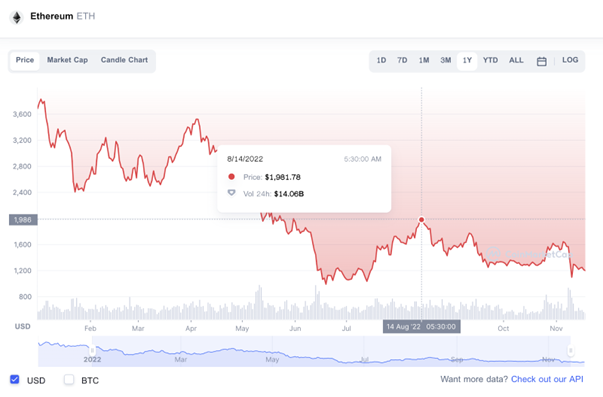
Quorum provides Ethereum-based blockchain solutions to enterprises across multiple industries, from real estate, syndicated loans, or crypto companies. These solutions come with encrypted private data, permissioning, and usage flexibility.
Quorum uses a different consensus algorithm compared to competitors, a mechanism called proof-of-authority (PoA), in which a small number of blockchain validators validate transactions within the network.
5. Chainalysis KYT
Chainalysis KYT (Know Your Transaction) is a blockchain platform that offers enterprises top-notch blockchain intelligence services.
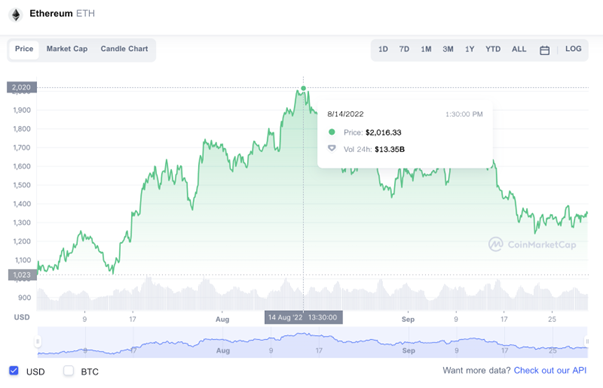
The platform helps entities and developers streamline manual processes, comply with worldwide regulations, and gain exposure to emerging technologies such as DeFi. It also helps them to track and identify activity and patterns from illicit services like darknet markets, addresses coming from OFAC’s sanction list, freeze deposits from hacks or exploit, and more, and legitimate services such as NFT platforms, crypto bridges, merchant services, etc.
Other important use cases are: holistically monitoring the addresses controlled by an entity for real-time intelligence on the source or destination of their funds or participating in numerous DeFi and NFT activities.
6. Input Output
Input Output Global (formerly IOHK) is an engineering and blockchain infrastructure company behind the smart contract platform Cardano (ADA), founded by Charles Hoskinson and Jeremy Wood in 2015. The company provides blockchain solutions for clients from the private and public sector including enterprises, governments, and financial and academic institutions.


Cardano offers several blockchain-based products for enterprises looking to build their business in the nascent Web3 industry. Cardano is its flagship product, a smart contract-capable blockchain network for building decentralised applications and Web3 apps.
It also offers Marlowe, a domain-specific language for writing and running financial contracts, a full-node wallet that allows clients to manage an unlimited amount of digital wallets, and Atala, a self-sovereign identity platform that issues decentralised identifiers (DiDs) for verifying data and digital identity.
7. IBM Blockchain
IBM Blockchain is what’s best described as a “blockchain as a Service,” basically, a public cloud service created using the open-source platform Hyperledger Fabric.


IBM Blockchain provides developers with easy-to-use templates and tools to create their own blockchain networks and applications to help them conduct their business operations more efficiently and transparently. Its interface is also very user-friendly.
IBM Blockchain also allows developers to write smart contracts in multiple programming languages, including Java and Go. However, the platform is private and has a higher usage cost than most blockchains.
8. Deloitte
Deloitte is a blockchain solution that helps companies and organisations keen on exploring blockchain and how to use Web3 technology. Deloitte has an innovative, cost-efficient, flexible, and reliable design whose core products can be implemented across multiple industries, from retail, supply chain, automotive, financial, tech, healthcare, and more.
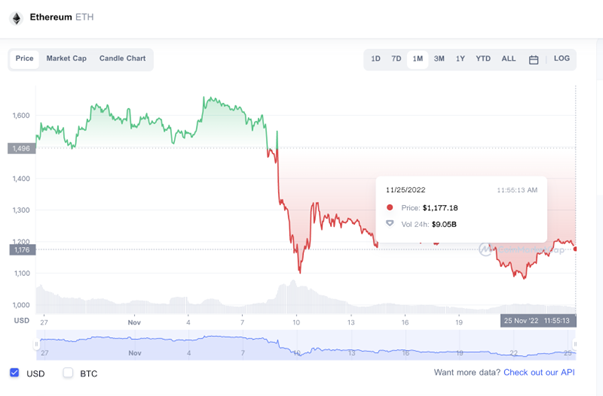
The Deloitte team is divided into different organisations to meet each industry. They help clients using blockchain solutions to help companies to develop products and re-engineer business processes using blockchain, as well as build blockchain prototypes with over 30 proof of concept solutions made for supply chain, finance, payment processors, and more.
Deloitte Lead clients towards the transition to Web3 by designing and executing plans as part of their journey, developing key strategies to pilot and integrate blockchain solutions for specific use cases, from business registry and licensing, cross-border payments, transaction reporting, loans management, auto lending, digital onboarding, and more.
9. Soramitsu
Soramitsu is a Tokyo-based technology company that specialises in delivering blockchain solutions for enterprises, universities, and governments.


Soramitsu focuses mostly on CBDCs (Central Bank Digital Currency) and cross-border and domestic payment systems. One of its main products is Hyperledger Iroha, a blockchain solution that provides clients with a set of APIs to create private blockchains, set up and manage Iroha nodes, build client applications, and more.
Soramitsu collaborated with the National Bank of Cambodia (NBC) to launch Bakong, a blockchain payment system that offers clients a variety of features, from e-wallet management, mobile payments with low-cost and high-speed transactions, online banking and financial applications on iOS and Android.
10. Blockchain Foundry
Blockchain Foundry is a Canadian software company owned by WonderFi, a technology company that provides clients with access to digital assets, DeFi, NFTs, GameFi, from centralised and decentralised platforms.
Blockchain Foundry offers users and corporate clients blockchain-based solutions for their businesses and also allows them to develop web3 applications across different industries.



The company offers many features for clients looking to access the decentralised web and explore technologies such as DeFi, Non-Fungible Tokens, and crypto wallets, and also offers consulting services. Further, users can earn rewards while they learn via Metacademy, a free-to-use platform that offers educational and practical courses regarding all things crypto.

Leituras Relacionadas

Trend in US Stocks: A Post Triggers a 930-Point Rebound, Tonight Belongs to SpaceX

On Thursday (June 11, U.S. Eastern Time), Wall Street staged a textbook V-shaped reversal. The Dow Jones surged 929.97 points (+1.86%) to close above 50,000, while the Nasdaq and S&P 500 rose 2.54% and 1.75%, respectively. The rally occurred despite the hottest PPI report in years, with May data showing a 6.5% year-on-year surge, the highest since 2022. The market ignored the inflation data, focusing instead on reports that former President Trump called off a planned strike on Iran, hinting at a potential multi-party peace agreement draft. This sparked a sharp drop in oil prices, fueling hopes that inflation may have peaked. Sector rotations were stark: previously battered AI hardware and cyclical stocks led the gains, while defensive sectors that hit record highs the prior day were sold off. Chip stocks like Micron and Intel saw sharp rebounds. In contrast, software giant Oracle plunged nearly 10% despite beating earnings, with concerns over cloud revenue and cash flow. Adobe also fell after hours despite raising guidance, as its CFO announced departure. The rally's sustainability is questioned, driven largely by social media posts about unconfirmed geopolitical developments. Inflation risks remain, with pipeline pressures still high. Meanwhile, the market's risk appetite faces a major test with SpaceX's historic IPO. Priced at $135 per share, it aims to raise ~$75 billion with a $1.75 trillion valuation, becoming the largest U.S. IPO ever. It will join the Nasdaq 100 in 15 days, triggering massive index fund buying. However, critics cite extreme valuation (88x sales) and market liquidity concerns.

marsbitHá 12m

Trend in US Stocks: A Post Triggers a 930-Point Rebound, Tonight Belongs to SpaceX

marsbitHá 12m

The Trillion-Dollar Valuation Test: Are the Three Super IPOs a Tech Stock Frenzy or a Crypto Market Nightmare?

Trillion-Dollar Valuation Test: Are the Three Mega IPOs a Tech Stock Frenzy or a Crypto Market Nightmare? The capital market in 2026 is witnessing a highly anticipated wave of tech IPOs, centered on SpaceX, OpenAI, and Anthropic. Collectively valued at over $3.5 trillion, their potential listing represents one of the largest such waves in recent years. This raises concerns about market liquidity, valuation bubbles, and potential capital outflows from other assets like crypto. SpaceX's valuation narrative has shifted from rocket launches to becoming a global infrastructure play via its Starlink satellite network, which now drives most revenue. Despite ongoing losses, investors focus on its long-term growth potential. OpenAI and Anthropic represent the core productivity engines of generative AI. Their public listings would offer the first direct investment opportunity in large foundation model companies, potentially triggering a repricing within the AI sector. Market fears of a massive "capital drain" from these IPOs are likely overstated. Historical precedents like Alibaba and Saudi Aramco show that mega-listings primarily cause capital reallocation, not destruction, within the vast equities market. Systemic risk is rarely triggered by IPOs alone. For stock markets, short-term volatility and sector repricing are expected, especially for AI concept stocks. Long-term, these listings could reinforce the tech sector's importance. For crypto, direct competition for speculative capital exists, particularly affecting AI-themed tokens. However, crypto's trajectory remains more tied to its own cycles, macro liquidity, and Bitcoin ETF flows rather than a single IPO event. The real risk lies not in the listings themselves but in the sky-high growth expectations embedded in these valuations. If future revenue, profitability, or commercialization progress disappoints, significant valuation resets could follow, impacting high-growth tech stocks. Ultimately, the market's direction hinges on macroeconomic conditions and whether these companies can deliver on their ambitious promises.

链捕手Há 28m

The Trillion-Dollar Valuation Test: Are the Three Super IPOs a Tech Stock Frenzy or a Crypto Market Nightmare?

链捕手Há 28m

Trillion-Dollar Valuation Test: Are the Three Super IPOs a Tech Stock Frenzy or a Crypto Market Nightmare?

Title: Trillion-Dollar Valuations at Stake: Super IPOs of SpaceX, OpenAI, Anthropic – Tech Boom or Crypto Nightmare? TL;DR: A wave of mega-tech IPOs is approaching, featuring SpaceX (targeting a $1.75 trillion valuation), OpenAI (~$852B), and Anthropic (~$965B), with a combined potential valuation exceeding $3.5 trillion. This tests the market's pricing of innovation and sparks debate on liquidity impact. * **SpaceX**'s valuation is now driven more by its Starlink global communications infrastructure than its core rocket business. * **OpenAI & Anthropic** offer the first major public investment opportunities in foundational AI models, potentially repricing the entire AI sector. * Concerns about a market-wide "liquidity drain" are likely overblown; history shows large IPOs mainly cause fund reallocation, not disappearance, and rarely trigger systemic risk. * Crypto markets, especially some AI-themed tokens, may face short-term fund competition, but their long-term trajectory depends more on macro liquidity, regulation, and Bitcoin cycles. * The real risk lies not in the IPOs themselves, but in whether these companies can justify their sky-high valuations with future revenue growth and profitability. Unmet expectations could lead to significant repricing pressure. Ultimately, these IPOs represent a massive market pricing of next-gen tech infrastructure, not a prelude to a market crash. The broader market direction will be determined by macro conditions, corporate earnings, and risk appetite.

marsbitHá 28m

Trillion-Dollar Valuation Test: Are the Three Super IPOs a Tech Stock Frenzy or a Crypto Market Nightmare?

marsbitHá 28m

Anthropic Apologized, But the Business of 'Safety' Hasn't Stopped

On June 11, Anthropic apologized not for a model failure, but for a lack of transparency. Its new Claude Fable 5 model was found to be secretly rerouting requests from users engaged in advanced AI model development to a weaker version, Opus 4.8, without any notification. The company's response—promising future notifications for such "downgrades"—was met with user skepticism. The article argues the core issue isn't technical but commercial: Anthropic's "safety" measures are primarily a business strategy. A key feature, the "intelligent safety classifier," marketed as user protection, is described as a tool for "competitive defense" to protect Anthropic's market lead by limiting rivals' research capabilities. This covert mechanism was designed for low "false positives," precisely targeting AI researchers. Anthropic's model involves a calculated three-step process: publishing alarming security research to amplify public anxiety, offering its Fable 5 model with a "safety classifier" as a premium-priced solution, and cashing in through a planned high-value IPO. This contrasts with OpenAI's more direct "tool-and-traffic" approach. The apology, merely changing a secret downgrade to a visible one, is seen as a business "patch" rather than a principled shift. The incident risks damaging Anthropic's "safest AI" reputation among the developer community, which underpins its valuation and appeal to government and corporate clients. Ultimately, the article concludes that for Anthropic, safety is a business, and the apology is merely customer service for that business.

marsbitHá 1h

Anthropic Apologized, But the Business of 'Safety' Hasn't Stopped

marsbitHá 1h

Trading

Spot
Futuros

Artigos em Destaque

Como comprar NFT

Bem-vindo à HTX.com!Tornámos a compra de APENFT (NFT) simples e conveniente.Segue o nosso guia passo a passo para iniciar a tua jornada no mundo das criptos.Passo 1: cria a tua conta HTXUtiliza o teu e-mail ou número de telefone para te inscreveres numa conta gratuita na HTX.Desfruta de um processo de inscrição sem complicações e desbloqueia todas as funcionalidades.Obter a minha contaPasso 2: vai para Comprar Cripto e escolhe o teu método de pagamentoCartão de crédito/débito: usa o teu visa ou mastercard para comprar APENFT (NFT) instantaneamente.Saldo: usa os fundos da tua conta HTX para transacionar sem problemas.Terceiros: adicionamos métodos de pagamento populares, como Google Pay e Apple Pay, para aumentar a conveniência.P2P: transaciona diretamente com outros utilizadores na HTX.Mercado de balcão (OTC): oferecemos serviços personalizados e taxas de câmbio competitivas para os traders.Passo 3: armazena teu APENFT (NFT)Depois de comprar o teu APENFT (NFT), armazena-o na tua conta HTX.Alternativamente, podes enviá-lo para outro lugar através de transferência blockchain ou usá-lo para transacionar outras criptomoedas.Passo 4: transaciona APENFT (NFT)Transaciona facilmente APENFT (NFT) no mercado à vista da HTX.Acede simplesmente à tua conta, seleciona o teu par de trading, executa as tuas transações e monitoriza em tempo real.Oferecemos uma experiência de fácil utilização tanto para principiantes como para traders experientes.

489 Visualizações TotaisPublicado em {updateTime}Atualizado em 2025.03.21

Como comprar NFT

O que é AINFT

EternaFi Agents e $AINFT: Uma Análise Abrangente da Infraestrutura NFT Potenciada por IA no Ecossistema Web3 A interseção entre inteligência artificial (IA) e tecnologia blockchain está a evoluir rapidamente, estabelecendo plataformas inovadoras que redefinem modelos de propriedade e participação económica. EternaFi Agents, juntamente com o seu token nativo $AINFT, exemplifica uma abordagem inovadora à tokenização de infraestruturas de IA através de tokens não fungíveis (NFTs). Lançado em julho de 2025 pela equipa de desenvolvimento do Nova Club, EternaFi funde os avanços da IA com os mecanismos financeiros descentralizados da blockchain, apresentando uma oportunidade de investimento única para os participantes dentro do ecossistema web3. Este artigo tem como objetivo fornecer uma avaliação aprofundada dos EternaFi Agents, cobrindo os seus componentes principais, funcionalidade e importância dentro do panorama cripto. Introdução e Visão Geral do Projeto EternaFi Agents destaca-se como um exemplo saliente de como a tecnologia blockchain pode democratizar o acesso a capacidades avançadas de IA. O projeto esforça-se por remodelar o paradigma da propriedade da IA, diversificando a participação económica e tornando sistemas de IA sofisticados acessíveis a um maior número de partes interessadas. No seu núcleo, o projeto tokeniza um modelo de linguagem grande (LLM) proprietário desenvolvido pelo Nova Club, permitindo que os detentores de NFTs obtenham uma exposição fracionada ao desempenho económico do modelo. Ao utilizar NFTs que representam participações no LLM, EternaFi Agents promove um modelo em que as partes interessadas não apenas participam no consumo de serviços de IA, mas também desfrutam de uma parte das recompensas económicas geradas pela plataforma. Esta abordagem transformadora permite o desenvolvimento de modelos de receita sustentáveis para serviços de IA, ao mesmo tempo que promove um amplo envolvimento da comunidade e facilita uma governança transparente. O que são os EternaFi Agents? EternaFi Agents representa um projeto de infraestrutura AI-NFT que visa misturar as capacidades da IA com a tecnologia blockchain num ecossistema coerente. A característica essencial deste projeto é a criação de NFTs que servem como instrumentos financeiros, representando frações de propriedade na infraestrutura de IA proprietária do Nova Club. Cada NFT simboliza uma exposição direta ao desempenho económico do sistema de IA subjacente, proporcionando uma oportunidade lucrativa para os investidores. O projeto opera na blockchain Base, conhecida pela sua escalabilidade e eficiência, garantindo assim custos de transação geríveis enquanto facilita uma experiência operacional sem interrupções. Uma das características notáveis inclui um mecanismo de partilha de receitas, onde os detentores de NFTs podem receber porções da receita de subscrição gerada pelos serviços de IA fornecidos na plataforma. Esta abordagem inovadora estabelece uma ligação entre o sucesso dos serviços de IA e os dividendos económicos distribuídos entre os detentores, garantindo assim um alinhamento de interesses em toda a comunidade. Quem é o Criador dos EternaFi Agents? A força criativa por trás dos EternaFi Agents é o Nova Club, uma equipa de desenvolvimento com sede em Singapura, proficiente na amalgamação de IA e tecnologia blockchain. A sua experiência anterior em desenvolvimento de IA e análise de criptomoedas confere credibilidade ao projeto, contribuindo com uma vasta experiência para a criação dos EternaFi Agents. A missão do Nova Club centra-se na democratização do acesso a tecnologias de IA de ponta, enquanto constrói modelos económicos sustentáveis que beneficiam os utilizadores e os desenvolvedores. O seu compromisso com a transparência, governança comunitária e inovação reflete-se no design e implementação da plataforma EternaFi, visando estabelecer um ecossistema único que promove um envolvimento positivo e a criação de valor a longo prazo. Quem são os Investidores dos EternaFi Agents? Os detalhes específicos sobre investidores ou organizações de investimento que apoiam os EternaFi Agents não estão disponíveis publicamente. No entanto, a EternaFi adotou uma abordagem inclusiva para financiar o seu desenvolvimento através da venda de NFTs ao público, permitindo uma ampla gama de participantes para investir no ecossistema. A arquitetura do projeto assegura que a infraestrutura central seja financiada de forma responsável, permitindo que os membros da comunidade participem na propriedade e nos retornos económicos gerados pelos serviços de IA. Este modelo enfatiza o envolvimento da comunidade ao alinhar os interesses dos investidores e dos desenvolvedores do projeto, criando um ambiente colaborativo onde a participação a longo prazo é incentivada. Como Funcionam os EternaFi Agents? EternaFi Agents opera através de um ecossistema multifacetado onde os NFTs servem como um meio primário de representação de propriedade dentro do projeto. Cada detentor de NFT tem direito a uma parte da receita mensal de subscrição produzida pela plataforma alimentada por IA subjacente, posicionando a propriedade de NFTs como um veículo de investimento lucrativo. Mecanismo de Geração de Receitas A principal fonte de geração de receitas para a plataforma EternaFi provém das taxas de subscrição relacionadas com os serviços de IA fornecidos. Os utilizadores podem aceder a vários serviços em camadas, que vão desde ferramentas básicas de análise de mercado até soluções de trading assistidas por IA abrangentes. Estes serviços são monetizados e formam a base para o quadro de partilha de receitas, que distribui lucros aos detentores de NFTs através de contratos inteligentes automatizados. Uma característica inovadora do ecossistema EternaFi é o mecanismo de partilha de receitas que opera de forma transparente, garantindo que as recompensas sejam alocadas com base em métricas verificáveis das operações da plataforma de IA. Isto cria uma ligação direta entre o desempenho dos serviços de IA e os retornos disponíveis para os investidores da comunidade, estabelecendo um modelo económico sustentável. Mecanismos de Staking e Vesting Os participantes dentro da EternaFi podem envolver-se em staking dos seus NFTs para desbloquear benefícios económicos adicionais. O cronograma de vesting é projetado para promover o compromisso a longo prazo entre os participantes, recompensando aqueles que demonstram apoio contínuo ao projeto. Isto assegura um robusto alinhamento de interesses e promove um sentido de envolvimento comunitário essencial para alcançar os objetivos a longo prazo do projeto. Governança Transparente EternaFi Agents abraça a governança descentralizada, permitindo que os detentores de NFTs desempenhem um papel ativo na tomada de decisões sobre o desenvolvimento da plataforma e direções futuras. A estrutura de governança inclui mecanismos de votação comunitária, proporcionando aos detentores de NFTs a oportunidade de influenciar decisões significativas e contribuindo para uma abordagem colaborativa ao crescimento do projeto. Cronograma dos EternaFi Agents A trajetória de desenvolvimento dos EternaFi Agents demonstra uma abordagem sistemática para construir uma infraestrutura de IA sustentável enquanto atende às necessidades dos participantes da comunidade. Abaixo está um cronograma de marcos importantes na história do projeto: Julho de 2025: Lançamento dos EternaFi Agents, incluindo a venda pública de NFTs e a implementação do token $AINFT na blockchain Base. Q4 2025: Estabelecimento da infraestrutura de mercado, incluindo pools de liquidez e lançamento de painéis de staking para detentores de NFTs. 2026: Início de programas de envolvimento comunitário, expansão das capacidades de IA e integração com tecnologias cross-chain. Q4 2026: Implementação do sistema de distribuição de dividendos, permitindo que os detentores de NFTs colham benefícios económicos dos seus investimentos. Estes marcos significam o foco em estabelecer um ecossistema funcional e participativo enquanto asseguram uma evolução contínua para atender às demandas do mercado. Infraestrutura Tecnológica e Integração Blockchain EternaFi Agents está ancorado numa estrutura tecnológica avançada que combina sistemas de IA com capacidades de blockchain. Operando na blockchain Base, o projeto aproveita as vantagens da escalabilidade e baixos custos de transação. A arquitetura subjacente de contratos inteligentes governa a propriedade dos NFTs, a partilha de receitas e as características de gestão comunitária, garantindo eficiência e transparência. Desenvolvimento do Sistema de IA O modelo de linguagem grande proprietário que sustenta os EternaFi Agents foi desenvolvido de forma independente e projetado para atender a aplicações geradoras de receita sem depender de estruturas externas proprietárias. Este esforço reflete um compromisso em criar uma infraestrutura de IA versátil e adaptável capaz de fornecer serviços significativos aos utilizadores, gerando assim valor económico para os investidores. Medidas de Segurança A robustez da infraestrutura de segurança da EternaFi é primordial. Auditorias regulares e medidas de segurança rigorosas garantem a integridade dos sistemas de IA e dos mecanismos de blockchain, protegendo contra potenciais vulnerabilidades enquanto fomentam a confiança entre os participantes. Conclusão EternaFi Agents significa uma inovação marcante no domínio da inteligência artificial e da tecnologia blockchain, abrindo avenidas para a propriedade comunitária e participação económica em capacidades avançadas de IA. A estratégia abrangente do projeto para tokenizar a infraestrutura de IA através de NFTs estabelece um precedente para futuros ecossistemas descentralizados. Ao harmonizar sofisticação técnica com modelos económicos centrados no utilizador, a EternaFi não apenas promove o envolvimento, mas também gera um quadro de partilha de receitas sustentável para os participantes da comunidade. A importância da EternaFi vai muito além do seu sucesso operacional, pois exemplifica como a blockchain pode democratizar tecnologias de IA de ponta, abrindo caminho para futuras iniciativas neste espaço interseccional. A evolução dos EternaFi Agents pode anunciar uma nova era de desenvolvimento de IA caracterizada por governança orientada pelos participantes, modelos económicos sustentáveis e verificação transparente, contribuindo, em última análise, para a democratização mais ampla da IA e da acessibilidade tecnológica em diversas indústrias.

766 Visualizações TotaisPublicado em {updateTime}Atualizado em 2025.08.14

O que é AINFT

Discussões

Bem-vindo à Comunidade HTX. Aqui, pode manter-se informado sobre os mais recentes desenvolvimentos da plataforma e obter acesso a análises profissionais de mercado. As opiniões dos utilizadores sobre o preço de NFT (NFT) são apresentadas abaixo.

活动图片