Số Lượng Đối Tác Ngân Hàng Của Ripple Không Có Nghĩa Là 300 Ngân Hàng Đang Sử Dụng XRP

bitcoinistPublicado em 2026-06-30Última atualização em 2026-06-30

Resumo

Ripple thường xuyên đề cập đến mạng lưới hơn 300 đối tác thể chế để chứng minh mức độ áp dụng XRP. Tuy nhiên, có một khoảng cách quan trọng giữa con số này và việc sử dụng token XRP thực tế. Nhiều ngân hàng và đối tác có thể sử dụng công nghệ của Ripple hoặc tham gia mạng lưới thanh toán mà không cần sử dụng trực tiếp XRP làm tài sản để quyết toán. Điều này rất quan trọng đối với các nhà đầu tư vì giá trị của XRP phụ thuộc vào nhu cầu thực tế đối với token, không chỉ vào các mối quan hệ đối tác. Một tin tức về đối tác của Ripple chỉ thực sự tích cực cho XRP nếu nó làm rõ được vai trò của token trong giao dịch, nguồn thanh khoản hoặc quyết toán. XRP vẫn là một tài sản gây tranh cãi: người ủng hộ chỉ ra mạng lưới thể chế rộng lớn, trong khi người chỉ trích cho rằng việc sử dụng token chưa tương xứng. Sự thật có lẽ nằm ở giữa. Các mối quan hệ của Ripple có giá trị, nhưng câu chuyện áp dụng XRP sẽ phụ thuộc nhiều hơn vào việc các đối tác đó sử dụng token một cách rõ ràng như thế nào, chứ không chỉ vào số lượng đối tác được công bố.

Để biết thêm chi tiết, hãy truy cập nền tảng Crypto chính thức.

Tóm tắt

  • Ripple có hơn 300 đối tác tổ chức, theo ghi chú Hydration.
  • Vấn đề then chốt là hầu hết các đối tác ngân hàng được cho là không trực tiếp sử dụng XRP để thanh toán.
  • Sự khác biệt đó quan trọng vì tiêu đề về đối tác có thể mạnh hơn nhu cầu thực tế về token.

Sự Khác Biệt Giữa Các Đối Tác Của Ripple Và Thực Tế Về XRP

Số lượng đối tác tổ chức của Ripple thường được xem là một trong những lập luận mạnh mẽ nhất cho việc áp dụng XRP. Công ty có hơn 300 đối tác tổ chức, nhưng câu hỏi quan trọng hơn là bao nhiêu trong số những đối tác đó thực sự tiếp xúc với XRP.

Đó là lúc cuộc tranh luận trở nên phức tạp hơn. Một ngân hàng có thể hợp tác với Ripple, sử dụng công nghệ liên quan đến Ripple, hoặc tham gia vào mạng lưới thanh toán mà không nhất thiết phải sử dụng XRP làm tài sản thanh toán. Đối với những người nắm giữ XRP, sự khác biệt đó quan trọng vì luận điểm đầu tư thường phụ thuộc vào tiện ích thực sự của token, không chỉ là các mối quan hệ doanh nghiệp.

Đây là khoảng cách liên tục xuất hiện trong các cuộc thảo luận về XRP. Ripple có thể có dấu ấn tổ chức ý nghĩa trong khi việc sử dụng XRP vẫn hẹp hơn so với một số câu chuyện cộng đồng ngụ ý. Cả hai điều này có thể cùng đúng một lúc.

Tại Sao Sự Khác Biệt Lại Quan Trọng

Các quan hệ đối tác có giá trị, nhưng chúng không giống nhau tất cả.

Một ngân hàng thử nghiệm phần mềm khác với một ngân hàng thanh toán khối lượng thông qua XRP. Một công ty thanh toán tham gia mạng lưới khác với việc nắm giữ hàng tồn kho XRP. Một mối quan hệ doanh nghiệp khác với nhu cầu được thúc đẩy bởi token.

Đối với độc giả, bài học thực tế rất đơn giản: bất cứ khi nào xuất hiện tiêu đề về quan hệ đối tác của Ripple, câu hỏi đầu tiên nên là “XRP thực sự đóng vai trò gì?” Nếu câu trả lời không rõ ràng, tiêu đề đó có thể tích cực cho Ripple với tư cách là một công ty nhưng ít trực tiếp hơn đối với XRP với tư cách là một tài sản.

Điều đó không làm cho XRP trở nên vô giá trị. Nó chỉ buộc phải đọc về việc áp dụng một cách trung thực hơn. Trường hợp mạnh mẽ nhất của XRP xuất hiện khi token được sử dụng để chuyển giá trị, tìm kiếm thanh khoản hoặc thanh toán giao dịch. Nếu các đối tác sử dụng công nghệ Ripple mà không có XRP, thì câu chuyện về nhu cầu token sẽ yếu hơn so với những gì con số đối tác gợi ý.

Cuộc Tranh Luận Lớn Hơn Về XRP

Vấn đề này cũng giải thích tại sao XRP vẫn là một trong những tài sản được tranh luận nhiều nhất trong lĩnh vực crypto.

Những người ủng hộ chỉ ra các mối quan hệ doanh nghiệp của Ripple, sự tồn tại pháp lý và sự tập trung lâu dài vào thanh toán. Những người chỉ trích cho rằng các mối quan hệ tổ chức đã không chuyển thành mức độ sử dụng token để biện minh cho những tuyên bố áp dụng ồn ào nhất.

Sự thật có lẽ nằm ở đâu đó ở giữa. Mạng lưới của Ripple quan trọng. Sự công nhận thương hiệu của nó quan trọng. Cơ sở đối tác của nó quan trọng. Nhưng các nhà đầu tư XRP vẫn cần bằng chứng rằng những mối quan hệ này tạo ra nhu cầu có ý nghĩa đối với chính token.

Đó là lý do tại sao câu chuyện này đáng được giải mã hơn là coi nó là giảm giá hoặc tăng giá một cách riêng lẻ. Nó không nói rằng Ripple không có sức hút tổ chức. Nó nói rằng sức hút tổ chức và việc thanh toán bằng XRP không phải là một.

Đối với XRP, giai đoạn tiếp theo của câu chuyện sẽ ít phụ thuộc vào việc Ripple có thể kể tên bao nhiêu đối tác mà phụ thuộc nhiều hơn vào việc các đối tác đó sử dụng tài sản này rõ ràng như thế nào. Đó là chỉ số áp dụng mà các nhà giao dịch nên theo dõi.

Bài viết này được viết bởi News Desk và biên tập bởi Samuel Rae.

Báo cáo này dựa trên thông tin được Crypto. công bố tại Crypto

Criptomoedas em alta

Perguntas relacionadas

QBài báo nêu lên điểm khác biệt chính nào giữa số lượng đối tác ngân hàng của Ripple và việc sử dụng XRP?

AĐiểm khác biệt chính là trong khi Ripple có hơn 300 đối tác thể chế, hầu hết các đối tác ngân hàng này được báo cáo là không sử dụng trực tiếp token XRP để thanh toán. Họ có thể hợp tác với Ripple, sử dụng công nghệ của công ty hoặc tham gia mạng lưới thanh toán mà không cần dùng đến XRP làm tài sản định cư.

QTại sao việc phân biệt giữa quan hệ đối tác và việc sử dụng XRP lại quan trọng đối với nhà đầu tư?

ASự phân biệt này quan trọng vì luận điểm đầu tư vào XRP thường phụ thuộc vào tiện ích thực tế của token, chứ không chỉ là các mối quan hệ doanh nghiệp. Quan hệ đối tác (như thử nghiệm phần mềm) không tự động tạo ra cầu cho token XRP. Cầu thực sự chỉ được tạo ra khi XRP được sử dụng để chuyển giá trị, tạo thanh khoản hoặc định cư giao dịch.

QTheo bài báo, câu hỏi đầu tiên mà độc giả nên đặt ra khi thấy tin tức về đối tác mới của Ripple là gì?

ACâu hỏi đầu tiên và quan trọng nhất là 'XRP thực sự đóng vai trò gì trong quan hệ đối tác này?'. Nếu câu trả lời không rõ ràng, tin tức đó có thể tích cực cho Ripple với tư cách một công ty nhưng ít tác động trực tiếp hơn đến XRP với tư cách một tài sản.

QBài báo mô tả như thế nào về cuộc tranh luận xung quanh XRP?

ABài báo mô tả XRP là một trong những tài sản được tranh luận nhiều nhất trong crypto. Phe ủng hộ chỉ ra các mối quan hệ doanh nghiệp của Ripple và trọng tâm vào thanh toán. Phe chỉ trích cho rằng các mối quan hệ thể chế đó chưa chuyển hóa thành mức độ sử dụng token đủ để biện minh cho những tuyên bố về mức độ áp dụng cao. Sự thật có lẽ nằm ở khoảng giữa.

QBài báo chỉ ra chỉ số nào mà các nhà giao dịch nên theo dõi để đánh giá sự phát triển của XRP trong tương lai?

ABài báo chỉ ra rằng giai đoạn tiếp theo của XRP sẽ ít phụ thuộc vào số lượng đối tác mà Ripple có thể kể tên, mà phụ thuộc nhiều hơn vào việc các đối tác đó sử dụng token XRP một cách rõ ràng đến mức nào. Đây chính là chỉ số về mức độ áp dụng (adoption metric) mà các nhà giao dịch nên theo dõi.

Leituras Relacionadas

In the AI Era, What's Left for Bitcoin?

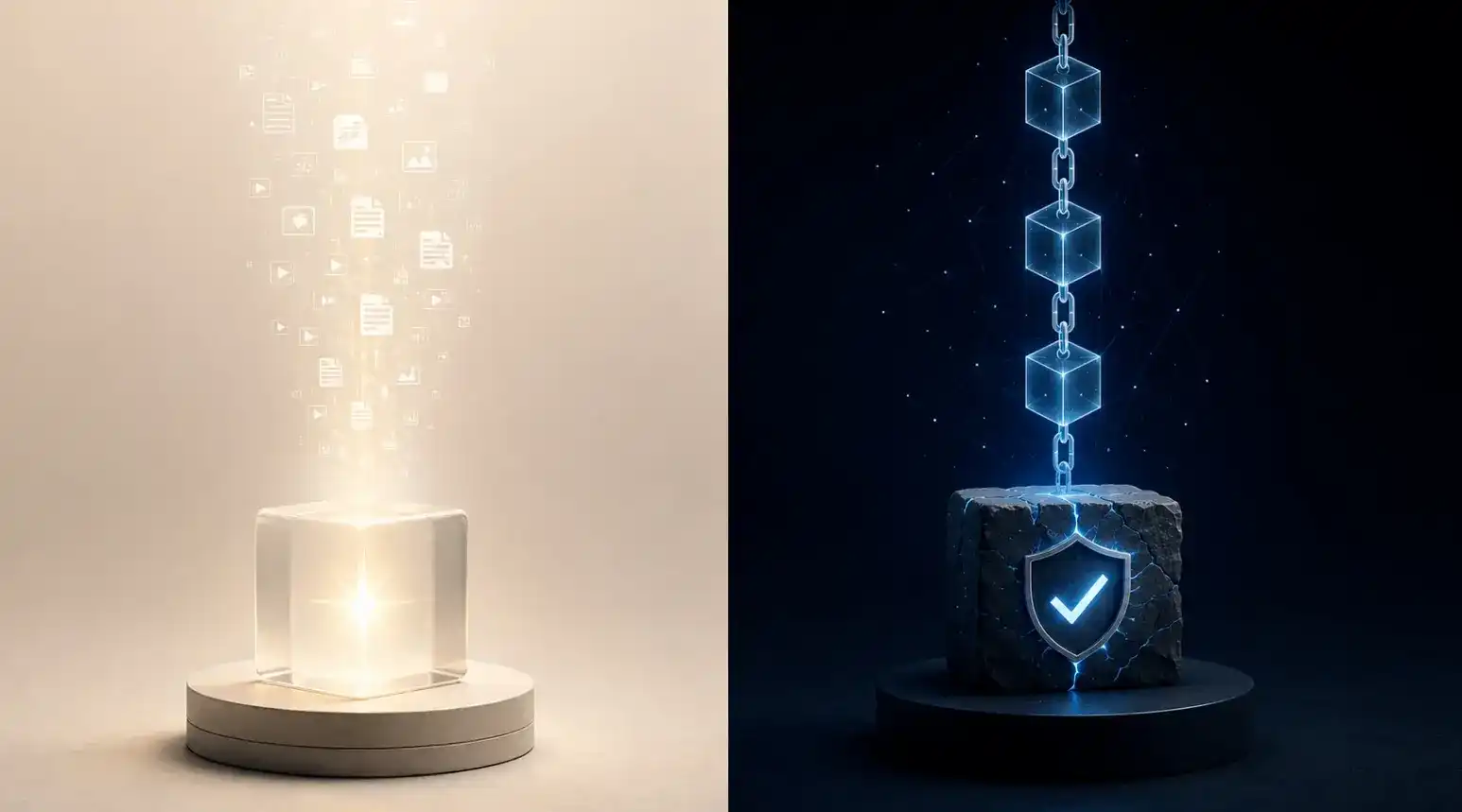
As Bitcoin falls below $60,000, the author reflects on the relationship between AI and Bitcoin, seeing them as two sides of the same coin. In the AI era, the cost of generating content has plummeted, making fake text, images, and videos increasingly easy and cheap to produce. This has led to a fundamental shift: while AI dramatically lowers the cost of information production, it also undermines trust and authenticity online. What becomes truly valuable is not more content, but the ability to verify what is real—"verifiability." This perspective offers a new lens for Bitcoin. Its massive energy consumption, often criticized as wasteful, is reinterpreted. While AI burns energy to enhance "capability" and efficiency, Bitcoin burns energy to produce "verifiability." Its purpose is not to be trusted but to enable a system where no trust in intermediaries—banks, platforms, or developers—is needed. Every transaction and the entire ledger's history is secured by cryptography and a decentralized network of nodes, making it independently verifiable. AI cannot forge a transaction on the Bitcoin network because the system is designed for proof, not generation. The author draws a historical parallel to the Renaissance: the printing press drastically reduced the cost of copying knowledge, while double-entry bookkeeping reduced the cost of trust in commerce. Today, AI is the new printing press, reducing content creation costs to near zero. Blockchain, and Bitcoin as its pioneer, may be the modern equivalent of double-entry bookkeeping—a foundational technology for verifying digital asset ownership and historical records without centralized authorities. Thus, AI and blockchain are not competitors. AI lowers the cost of creation; blockchain lowers the cost of verification. In an age where AI can generate anything, true scarcity may lie not in more content, but in independently verifiable facts. Whether the market will reprice Bitcoin accordingly remains uncertain, but its core value proposition as a "machine for producing verifiability" becomes strikingly relevant.

marsbitHá 19m

In the AI Era, What's Left for Bitcoin?

marsbitHá 19m

In the Age of AI, What's Left for Bitcoin?

Author: Sevclub, Seven Research Amid Bitcoin's recent drop below $60k, the author reflects on a growing sense that AI and Bitcoin are two sides of the same coin. Today, encountering any content triggers a new default question: "Was this made by AI?" The cost of generating convincing text, images, and video is now negligible. While the internet lowered information *distribution* costs, AI is crashing information *production* costs to near zero. The consequence is a flood of content where truth and falsehood are increasingly indistinguishable. In this environment, what becomes truly valuable is not more information, but the ability to verify what is real—"verifiability." This reframes the common criticism that Bitcoin "wastes electricity." AI consumes power to produce "capability" (e.g., more powerful models). Bitcoin consumes power to produce something else: "verifiability." Bitcoin's core purpose isn't about belief or trust in any institution, developer, or even its creator. It's about enabling independent verification. Every bitcoin's origin, every transaction, and the integrity of the entire ledger are secured by mathematics, cryptography, and a global network of nodes. AI can fabricate convincing media, but it cannot falsify a transaction on the Bitcoin network. The expended energy makes篡改历史 (tampering with history) prohibitively expensive, purchasing a globally verifiable ledger. The author draws a historical parallel to the Renaissance. The printing press drastically reduced the cost of copying knowledge, while double-entry bookkeeping reduced the cost of trust in commerce—one enabled creation, the other verification. Today, AI is the new printing press, driving content production costs toward zero. The question becomes: what is this era's "double-entry bookkeeping"? Blockchain appears to be the leading candidate. It doesn't verify which news is true or which image is real, but it provides a foundational layer for independently verifying asset ownership and historical records in the digital realm without centralized authorities. Therefore, AI and blockchain are not in competition. AI lowers the cost of *generation*. Blockchain (and Bitcoin as a prime example) lowers the cost of *verification*. One creates, the other proves. Whether Bitcoin ultimately succeeds remains uncertain, facing potential challenges from quantum computing, regulation, and technical evolution. However, the author now sees it less as a "machine for making bitcoin" and more as a "machine for making verifiability." In an age where AI can generate anything, true scarcity may no longer be "more content," but "more independently verifiable facts." Whether the market will price this accordingly is a separate question.

链捕手Há 27m

In the Age of AI, What's Left for Bitcoin?

链捕手Há 27m

Trading

Spot

Artigos em Destaque

O que é XRP 2.0

XRP 2.0: Uma Nova Fronteira no Landscape das Criptomoedas Introdução ao XRP 2.0 No reino em constante evolução das criptomoedas, novos projetos surgem continuamente, lutando por atenção e adoção. Uma dessas iniciativas promissoras é o XRP 2.0, um novo projeto de criptomoeda concebido para aproveitar a tecnologia de blockchain avançada e as metodologias de criptografia robustas. Embora o nome tenha paralelos com o XRP da Ripple, é crucial notar que o XRP 2.0 opera de forma independente, focando em melhorar a segurança das transações, a privacidade e a escalabilidade. À medida que o panorama financeiro digital abraça cada vez mais soluções descentralizadas, o XRP 2.0 visa contribuir de forma significativa para a web3 e a expansão global dos projetos de criptomoedas. O que é o XRP 2.0? No seu núcleo, o XRP 2.0 é um projeto de criptomoeda que visa criar um ecossistema de moeda digital seguro e descentralizado. Sua tecnologia fundamental integra princípios de blockchain sofisticados com técnicas de criptografia de ponta. O objetivo abrangente do XRP 2.0 é estabelecer-se como uma plataforma confiável e eficiente que possibilita a execução rápida de transações, priorizando a proteção de privacidade aprimorada para os seus usuários. O projeto é promovido como uma solução para muitas limitações enfrentadas pelas criptomoedas existentes, propondo um sistema que pode lidar com um volume maior de transações com velocidade e privacidade melhoradas. Esta versatilidade posiciona o XRP 2.0 como um concorrente significativo em um mercado repleto de várias moedas digitais. Quem é o Criador do XRP 2.0? A identidade do criador por trás do XRP 2.0 foi identificada como 'Wilbur.' No entanto, detalhes abrangentes sobre Wilbur ou a sua entidade associada permanecem elusivos. O anonimato de muitos criadores de criptomoedas não é um fenômeno incomum na indústria, muitas vezes concebido para manter um grau de privacidade e segurança. Quem são os Investidores do XRP 2.0? Até agora, informações específicas relacionadas às fundações ou organizações de investimento que apoiam o XRP 2.0 não estão disponíveis publicamente. No setor das criptomoedas, o apoio de investidores reputados pode influenciar significativamente a credibilidade e o sucesso de um projeto, no entanto, a transparência em relação aos apoiantes financeiros do XRP 2.0 não foi estabelecida. Como Funciona o XRP 2.0? O XRP 2.0 destaca-se por empregar uma combinação de tecnologia blockchain e algoritmos de criptografia avançados que asseguram transações seguras e descentralizadas. Sua estrutura inovadora inclui características únicas projetadas para fomentar o envolvimento dos usuários e ampliar as funcionalidades além das transações convencionais de criptomoedas. Entre essas características, o XRP 2.0 incorpora capacidades potenciadas por IA, como funcionalidades de texto-para-imagem e texto-para-fala. Estas adições são projetadas para melhorar a experiência interativa dos usuários, promovendo uma maior aplicabilidade em vários setores. Ao unir avanços tecnológicos com um design centrado no utilizador, o XRP 2.0 pretende captar a atenção de uma diversa gama de indivíduos e empresas que procuram integrar soluções de criptomoedas em suas estruturas operacionais. Cronologia do XRP 2.0 Compreender o XRP 2.0 requer examinar os marcos que definiram sua jornada até agora: 23 de Julho de 2023: O XRP 2.0 é apresentado como um novo projeto de criptomoeda, visando revolucionar as capacidades de transação seguras e descentralizadas no domínio do blockchain. 8 de Setembro de 2023: O lançamento de outro projeto, XRP20, ocorre, marcando o surgimento de um token ERC-20 na blockchain Ethereum que permanece não relacionado ao XRP 2.0. 13 de Novembro de 2023: O XRP Ledger passa por uma atualização significativa com o lançamento da versão 2.0.0 do software do servidor rippled. É importante notar que este desenvolvimento está desconectado do projeto de criptomoeda XRP 2.0. Pontos-chave sobre o XRP 2.0 Para destilar a essência do XRP 2.0, vários fatores críticos emergem: Características Únicas: A inclusão de características como texto-para-imagem e texto-para-fala potenciadas por IA diversifica ainda mais as aplicações potenciais do XRP 2.0. Tecnologia Blockchain: A estrutura utiliza mecanismos de blockchain avançados e protocolos de criptografia, assegurando um ambiente seguro e descentralizado para transações. Escalabilidade e Privacidade: O XRP 2.0 prioriza proteção de privacidade aprimorada nos processos de transação e a escalabilidade necessária para acomodar uma base de utilizadores crescente. Sem Afiliação com a Ripple: Importante, apesar do seu nome, o XRP 2.0 não tem qualquer lealdade ou colaboração com o XRP da Ripple, distinguindo sua estrutura operacional e objetivos dentro do ecossistema das criptomoedas. Conclusão O XRP 2.0 representa uma empreitada ambiciosa no domínio das criptomoedas, visando oferecer uma combinação de segurança, privacidade e eficiência em transações digitais. Ao integrar tecnologias sofisticadas e características amigáveis ao utilizador, o projeto propõe-se a ampliar os horizontes do que as criptomoedas podem alcançar na economia digital atual. Embora o anonimato do seu criador e a falta de investidores divulgados possam levantar questões para alguns, o foco do XRP 2.0 em funcionalidades avançadas e descentralização aumenta seu apelo num mercado de criptomoedas cada vez mais congestionado. À medida que o panorama das criptomoedas continua a evoluir, o XRP 2.0 pode ainda emergir como um jogador crucial na expansão de soluções de blockchain seguras e escaláveis.

109 Visualizações TotaisPublicado em {updateTime}Atualizado em 2024.12.03

O que é XRP 2.0

Como comprar XRP

Bem-vindo à HTX.com!Tornámos a compra de XRP (XRP) simples e conveniente.Segue o nosso guia passo a passo para iniciar a tua jornada no mundo das criptos.Passo 1: cria a tua conta HTXUtiliza o teu e-mail ou número de telefone para te inscreveres numa conta gratuita na HTX.Desfruta de um processo de inscrição sem complicações e desbloqueia todas as funcionalidades.Obter a minha contaPasso 2: vai para Comprar Cripto e escolhe o teu método de pagamentoCartão de crédito/débito: usa o teu visa ou mastercard para comprar XRP (XRP) instantaneamente.Saldo: usa os fundos da tua conta HTX para transacionar sem problemas.Terceiros: adicionamos métodos de pagamento populares, como Google Pay e Apple Pay, para aumentar a conveniência.P2P: transaciona diretamente com outros utilizadores na HTX.Mercado de balcão (OTC): oferecemos serviços personalizados e taxas de câmbio competitivas para os traders.Passo 3: armazena teu XRP (XRP)Depois de comprar o teu XRP (XRP), armazena-o na tua conta HTX.Alternativamente, podes enviá-lo para outro lugar através de transferência blockchain ou usá-lo para transacionar outras criptomoedas.Passo 4: transaciona XRP (XRP)Transaciona facilmente XRP (XRP) no mercado à vista da HTX.Acede simplesmente à tua conta, seleciona o teu par de trading, executa as tuas transações e monitoriza em tempo real.Oferecemos uma experiência de fácil utilização tanto para principiantes como para traders experientes.

1.7k Visualizações TotaisPublicado em {updateTime}Atualizado em 2026.06.02

Como comprar XRP

Discussões

Bem-vindo à Comunidade HTX. Aqui, pode manter-se informado sobre os mais recentes desenvolvimentos da plataforma e obter acesso a análises profissionais de mercado. As opiniões dos utilizadores sobre o preço de XRP (XRP) são apresentadas abaixo.

活动图片