The More Lifelike the Robot, the More Terrifying? Unveiling the 'Uncanny Valley Effect' in the Era of Humanoid Robots

marsbitPublicado em 2026-06-09Última atualização em 2026-06-09

Resumo

As humanoid robots become increasingly lifelike, they confront a significant psychological barrier known as the "Uncanny Valley Effect," a concept proposed by Japanese roboticist Masahiro Mori in 1970. This phenomenon describes a dip in human comfort and acceptance when robots appear almost, but not perfectly, human. Minor imperfections in facial expressions, eye movements, or skin texture trigger a subconscious sense of unease, as the brain detects something trying, yet failing, to mimic a person. Examples range from the controversial human-like robot Sophia to animated characters in films like *The Polar Express*. The effect poses a key design challenge for robotics companies. Some, like Boston Dynamics, avoid it entirely by creating highly capable but visibly mechanical robots. Others, like Hanson Robotics, push for greater human likeness despite the risk. For consumer robots, especially in homes, most manufacturers opt for stylized or clearly mechanical designs to ensure broader acceptance. While the Uncanny Valley remains a powerful force, its impact may diminish over time through technological advancements that achieve near-perfect realism or through generational familiarity as people grow accustomed to interacting with humanoid machines. Ultimately, navigating this psychological frontier requires as much understanding of human perception as of robotics technology itself.

Author: Dean Fankhauser

Compiled by: Felix, PANews

The relationship between humans and robots is about to become complex. As humanoid robots increasingly resemble human appearance, they are now facing an unexpected psychological barrier that may shape the future of human-robot interaction.

What is the "Uncanny Valley Effect"?

The "Uncanny Valley Effect" is a psychological phenomenon that describes how human emotional responses change as artificial creations become more human-like. This concept is simple yet profound: when robots look distinctly mechanical, they are easily accepted. Think of R2-D2 from *Star Wars* or industrial robotic arms—they are clearly machines, and viewers are comfortable with them.
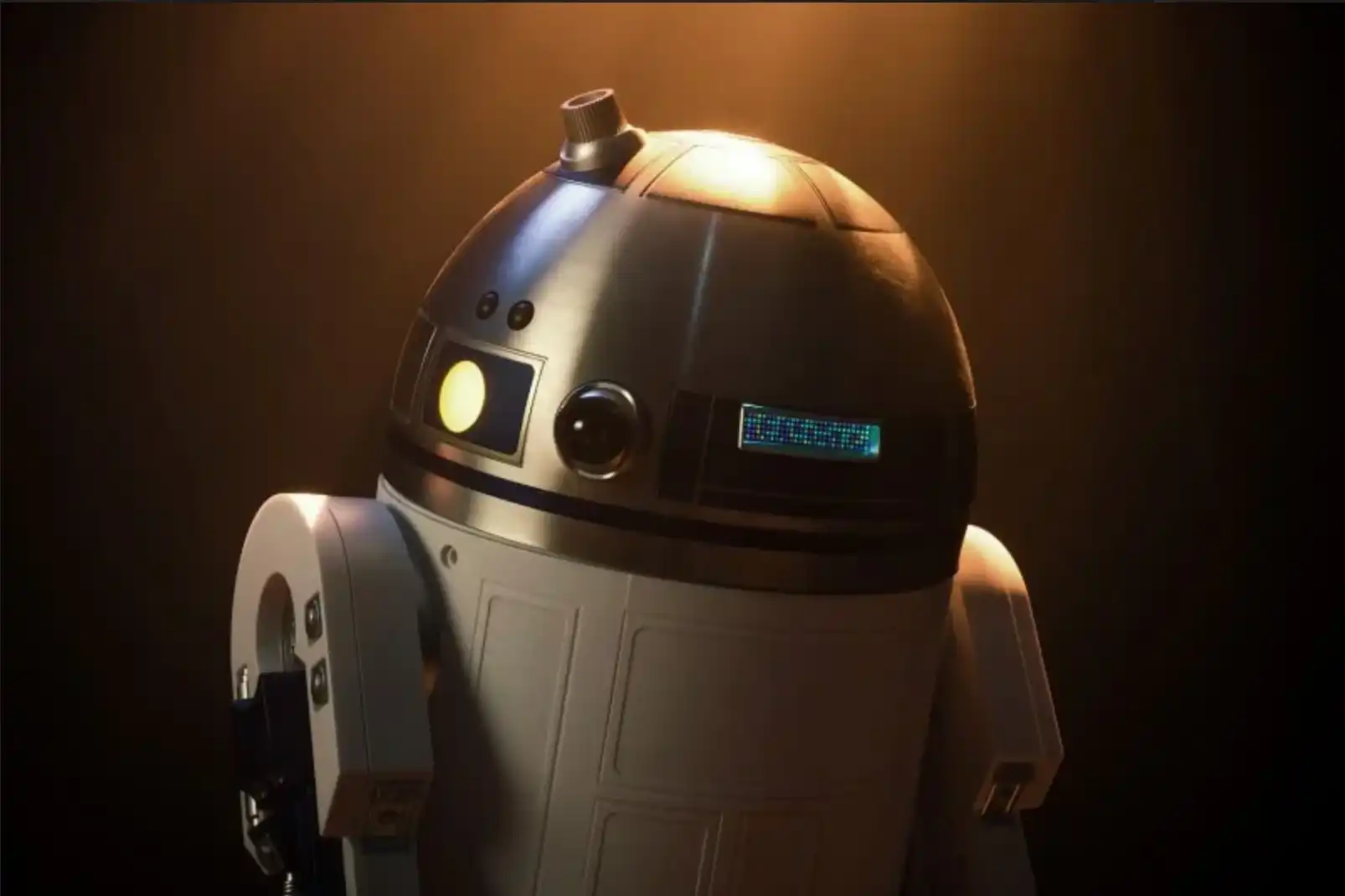
R2-D2 Space Repair Droid

As robots become more human-like, acceptance initially increases. Humans attribute anthropomorphic traits to them, finding them cute or endearing. But then, something strange happens.

When a robot reaches a certain level of similarity to humans (looking almost human but not quite), the comfort level plummets. Instead of greater acceptance, an instinctive unease arises. Minor flaws in appearance or movement that might be overlooked in more mechanical robots suddenly become glaringly and eerily apparent here.

The term "uncanny valley" was coined by Japanese robotics expert Masahiro Mori in 1970. In a paper discussing the relationship between human emotional responses to robots and their degree of realism, he proposed this concept and pointed out the typical sharp drop in acceptance when robots approach but do not fully achieve human appearance.

Movement and facial expressions are the primary triggers. Subtle errors in eye movement, the timing of blinks, lip synchronization, and facial micro-expressions can all elicit the strongest "uncanny valley effect." A perfectly realistic static image might look fine, but once it moves, it often triggers the effect.

It's worth noting that individual sensitivity to the "uncanny valley effect" varies greatly. Some studies suggest that people with higher empathy or those whose work is closely related to humans (such as medical staff, psychotherapists) might be more sensitive. Age is also a factor, with some research indicating that children are less affected than adults.

Why Does It Feel Uncomfortable?

The "uncanny valley effect" triggers a fundamental conflict in human perception. The human brain is innately wired to interpret facial expressions and capture subtle social cues. This is how we have survived as social animals for millions of years. When a robot is 90% human-like, the brain initially categorizes it as "human," but then quickly spots inconsistencies.

These inconsistencies cause cognitive dissonance. For example, eye movement might be slightly off; skin texture might be unnaturally perfect; the blinking rhythm might be a few milliseconds slow. Each subtle deviation triggers a subconscious alarm: something is masquerading as human.

Remember the movie *The Polar Express*? This film's characters aimed for realism, but audiences found them creepy. Their nearly human-like faces triggered the exact same psychological response as facing hyper-realistic robots. The characters' eyes looked lifeless, and their movements were somewhat stiff. These little oddities reminded viewers: something is not right.
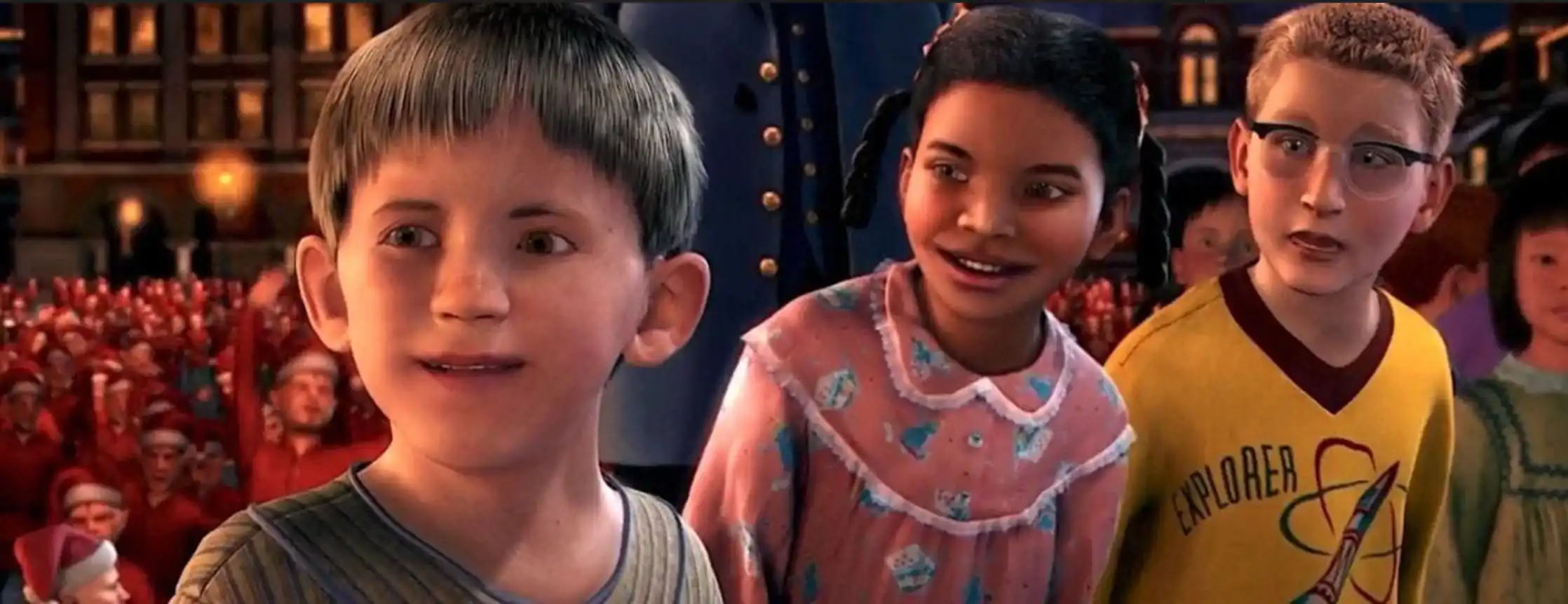
The movie "The Polar Express"

In the field of robotics, early attempts at realism were astonishing but not perfect. Hanson Robotics' robot "Sophia," which deliberately pursues lifelike human qualities, has found itself mired in controversy. Some find her fascinating, while others find her downright creepy.
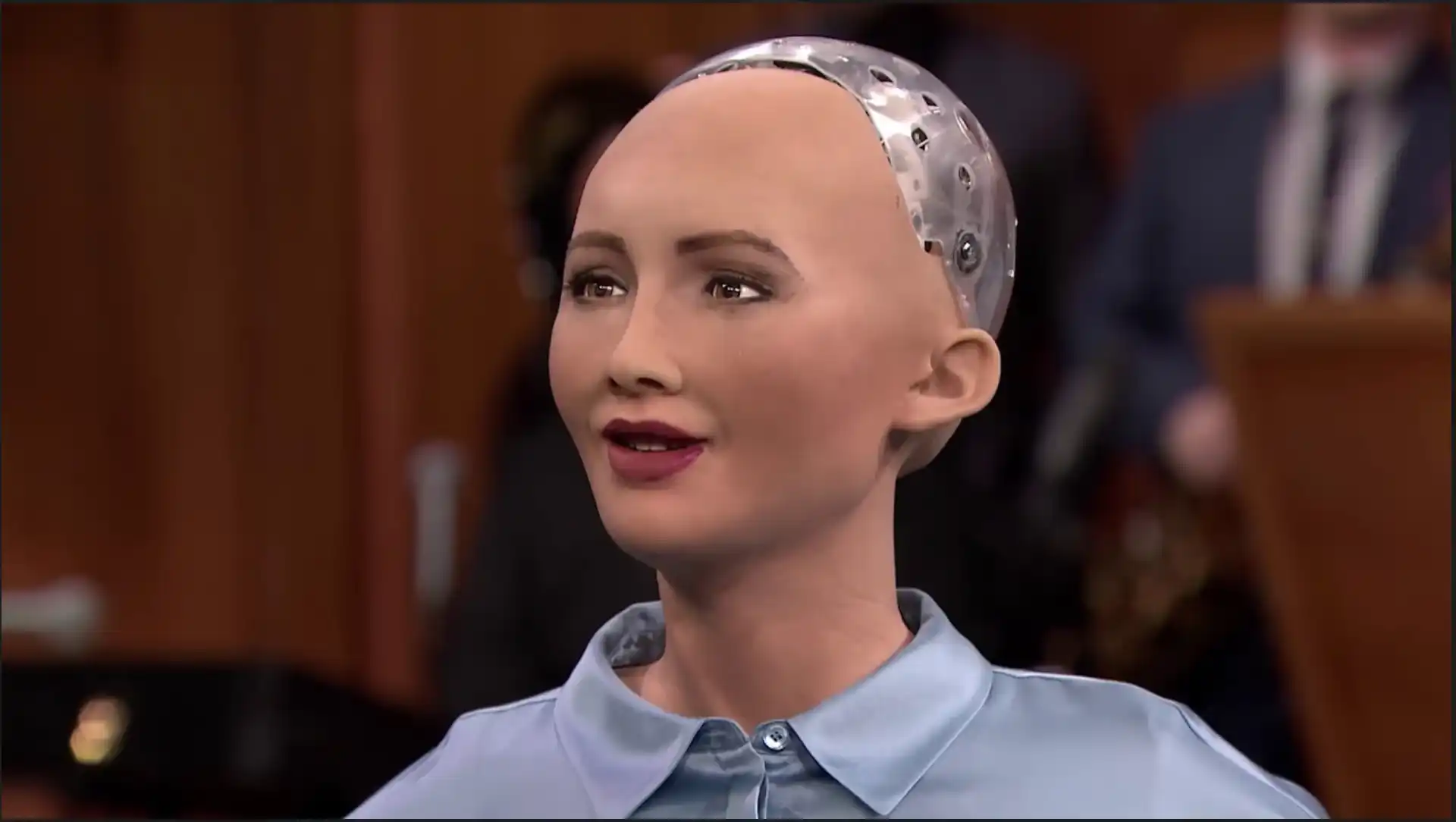
Robot Sophia

How Are Robot Companies Responding to the "Uncanny Valley Effect"?

This is not merely an aesthetic issue. The "uncanny valley effect" has profound implications for robot development. Companies investing millions in developing humanoid robots face a critical design dilemma: at what point does humanization become "too much"?

Some companies choose to avoid the "uncanny valley" altogether. Boston Dynamics' robots perform astonishing physical feats while maintaining an unmistakably mechanical appearance. Others, like Hanson Robotics, take the risk and remain committed to achieving more human-like robotics. Each approach embodies a different philosophy of human-robot interaction.

As robots become increasingly integrated into daily life, understanding and addressing the "uncanny valley effect" is crucial. It's not just about making robots work efficiently; it's about co-existing with them comfortably.

For household robots, design choices are paramount. A robot helping with chores needs to be accepted by all family members, including those more sensitive to the "uncanny valley effect." Therefore, most consumer robot companies wisely opt for stylized or distinctly mechanical designs.

Will the "Uncanny Valley Effect" Eventually Fade Away?

Two factors might dilute the "uncanny valley effect" over time. First, with advancements in robotics, robots might cross the valley by achieving near-perfect realism, eliminating those subtle incongruities that trigger unease.

Second, as people become more accustomed to the presence of humanoid robots in daily life, the novelty and unfamiliarity that amplify the effect may gradually diminish. Younger generations growing up with humanoid robots might exhibit higher tolerance.

For now, the "uncanny valley effect" still serves as a reminder: human perception is complex and often counterintuitive. In creating machines that increasingly resemble ourselves, understanding human psychology is no less important than understanding robotics technology.

Related read: From Code to Cognition: A Ten-Thousand-Word Guide to the Evolution of the Robot Brain


Perguntas relacionadas

QWhat is the 'Uncanny Valley Effect' and who coined the term?

AThe 'Uncanny Valley Effect' is a psychological phenomenon describing how human emotional responses change as artificial entities become more human-like. It involves a sharp dip in comfort and acceptance when something looks almost, but not perfectly, human. The term was coined by Japanese roboticist Masahiro Mori in 1970.

QWhy do humans feel discomfort in the 'Uncanny Valley' according to the article?

AThe discomfort arises from a fundamental conflict in human perception. Our brains are wired to interpret facial expressions and social cues. When a robot is very human-like, the brain initially categorizes it as human but then quickly detects inconsistencies, such as slightly off eye movements or unnatural skin texture. These subtle flaws trigger a subconscious alarm that something is pretending to be human, causing cognitive dissonance and unease.

QHow do some robot companies address the 'Uncanny Valley Effect' in their designs?

ACompanies employ different strategies. Some, like Boston Dynamics, avoid the effect entirely by designing robots with clearly mechanical appearances, even if they perform advanced movements. Others, like Hanson Robotics, accept the risk and continue to pursue highly realistic humanoid robots. For consumer-facing robots, such as home assistants, many companies opt for stylized or obviously mechanical designs to ensure broader acceptance and comfort.

QWhat factors might cause the 'Uncanny Valley Effect' to diminish over time?

ATwo main factors could reduce the effect. First, technological advancements might allow robots to achieve near-perfect realism, eliminating the subtle flaws that trigger unease. Second, increased familiarity and exposure to humanoid robots in daily life could reduce the novelty and strangeness that amplifies the effect. Younger generations growing up with such robots may develop a higher tolerance.

QWhat examples from movies and robots does the article use to illustrate the 'Uncanny Valley Effect'?

AThe article uses the animated film 'The Polar Express' as an example, where the characters' highly realistic yet slightly off facial expressions and movements made audiences feel unsettled. In robotics, it mentions the humanoid robot 'Sophia' from Hanson Robotics, which elicits mixed reactions of fascination and creepiness due to its pursuit of human likeness.

Leituras Relacionadas

Pricing OpenAI Pre-IPO: A New, Life-or-Death Business on Hyperliquid Lasting Half a Year

Pricing OpenAI Pre-IPO: Hyperliquid's High-Stakes, Six-Month Business Venture The article analyzes the nascent market for pre-IPO perpetual contracts on the Hyperliquid blockchain, exemplified by two contrasting teams: Trade.xyz and Ventuals. Trade.xyz, an anonymous team, successfully built the largest pre-market on Hyperliquid. Its strategy focused on near-term events, like the SpaceX IPO. By listing a SpaceX contract with a known launch date and price, the market had a tangible "anchor" (the eventual Nasdaq opening price) to converge upon, which kept speculation in check. This approach fueled significant growth. In stark contrast, Ventuals, backed by Paradigm, failed despite holding coveted contracts for OpenAI and Anthropic. Its critical flaw was its pricing mechanism for these companies, which have no imminent IPO. Ventuals' oracle price was half-derived from infrequent private market transactions and half from its own contract's moving average. This created a self-reinforcing loop where buying pressure artificially inflated the price, disconnecting it from real supply and demand. The market became illiquid and structurally skewed. Ventuals shut down nine months after launch, reportedly through an acquisition. Its final settlement prices—OpenAI at ~$1,341 and Anthropic at ~$1,618—were thus partially products of its flawed model. Ironically, some company employees and late-stage VCs reportedly used these prices for valuation reference, highlighting the desperate demand for price discovery in opaque private markets. The failure of Ventuals exposes the core challenge of this business: price for illiquid, non-public assets requires a robust, self-correcting market, which is absent without a definitive public listing event. Nevertheless, demand is driving major players like Coinbase and traditional finance (e.g., Citi) to enter the space, aiming to provide 24/7 trading for coveted private company shares. The venture's ultimate viability, however, hinges on solving the fundamental pricing problem Ventuals could not.

marsbitHá 5m

Pricing OpenAI Pre-IPO: A New, Life-or-Death Business on Hyperliquid Lasting Half a Year

marsbitHá 5m

M&A Deals in the Crypto Market Are Unusually Active

Title: M&A Activity in Crypto Market Becomes Unusually Active A rare signal is emerging in the crypto primary market: mergers and acquisitions (M&A) are nearing half of all financing deals. According to RootData, this month, M&A cases in the crypto industry reached 10, while financing rounds numbered only 14, meaning M&A accounts for approximately 42% of primary market transactions—the highest level in history. This does not signal a sudden industry boom. Instead, the rapid rise in M&A share primarily reflects the continued downturn in the financing market. Since November 2024, monthly crypto M&A deals have remained between 10-20, while financing deals have plummeted from around 100 to about 50, possibly hitting a new low this month. For project teams, this means the traditional path of relying on narratives, token expectations, and ecosystem subsidies to maintain valuations is narrowing. For leading companies, it presents a rare window to acquire teams, licenses, technology, liquidity, and market access at lower prices, with less competition and stronger bargaining power. Key active buyers include Coinbase, Kraken, Ripple, MoonPay, Polymarket, Kaiko, Sol Strategies, GSR, Keyrock, Jupiter, Paxos, and Ondo Finance. Their M&A logic is consistent: acquiring key capabilities at lower costs during the industry downturn. This is driven by more attractive valuations, reduced time and trial-and-error costs, the acquisition of licenses and compliance resources, and the integration of industry upstream and downstream segments. Current M&A focuses are concentrated in four areas: trading infrastructure (e.g., Coinbase acquiring Deribit, Kraken acquiring NinjaTrader), payments and stablecoins (e.g., MoonPay, Ripple expanding payment networks), compliance licenses, and asset issuance/distribution (e.g., acquisitions related to RWA and token issuance platforms like Coinbase's purchases of Liquifi and Echo). The rise in M&A is altering the primary market's exit logic. It provides an alternative path to the token-dependent model, encouraging teams to build tangible products, revenue, and strategic value that can be integrated. This could inject confidence into the market, showing that asset buyers and exit possibilities still exist, albeit with a stricter focus on real utility. However, this trend also indicates the crypto industry is becoming more centralized. As asset issuance, trading, market-making, custody, payments, and data gradually consolidate in the hands of a few major players, the industry's initial emphasis on openness and anti-monopoly is being reshaped by commercial realities. Coupled with rising compliance barriers, this signals the end of the low-barrier era for crypto entrepreneurship.

链捕手Há 38m

M&A Deals in the Crypto Market Are Unusually Active

链捕手Há 38m

M&A Deals Are Exceptionally Active in the Crypto Market

Mergers and acquisitions (M&A) activity in the cryptocurrency primary market has reached a historic high, accounting for approximately 42% of total deals in the current month, nearly matching the number of financing rounds. This shift does not signal a new boom cycle but rather reflects a severe contraction in the venture capital funding environment. As financing dwindles, established industry giants—including major exchanges, payment firms, and infrastructure providers—are seizing the opportunity to acquire strategic assets at lower valuations. Key drivers behind the surge in M&A include depressed project valuations, the need to quickly acquire talent and technology to capture short market windows, the pursuit of crucial regulatory licenses, and the strategic expansion into adjacent business verticals such as derivatives, payments, stablecoins, and real-world asset (RWA) issuance. Major acquisitions, like Coinbase's purchase of Deribit and Kraken's acquisition of NinjaTrader, exemplify the push to expand into high-margin areas like derivatives and multi-asset trading. This trend is reshaping the industry's exit landscape, offering an alternative to token-based exits and incentivizing startups to build tangible products and revenue streams with inherent strategic value for acquisition. However, it also points toward increasing centralization, as critical functions—trading, custody, payments, compliance—become concentrated within a few large, well-capitalized platforms, potentially raising barriers to entry for new ventures.

marsbitHá 39m

M&A Deals Are Exceptionally Active in the Crypto Market

marsbitHá 39m

Trading

Spot
Futuros

Artigos em Destaque

Como comprar ERA

Bem-vindo à HTX.com!Tornámos a compra de Caldera (ERA) simples e conveniente.Segue o nosso guia passo a passo para iniciar a tua jornada no mundo das criptos.Passo 1: cria a tua conta HTXUtiliza o teu e-mail ou número de telefone para te inscreveres numa conta gratuita na HTX.Desfruta de um processo de inscrição sem complicações e desbloqueia todas as funcionalidades.Obter a minha contaPasso 2: vai para Comprar Cripto e escolhe o teu método de pagamentoCartão de crédito/débito: usa o teu visa ou mastercard para comprar Caldera (ERA) instantaneamente.Saldo: usa os fundos da tua conta HTX para transacionar sem problemas.Terceiros: adicionamos métodos de pagamento populares, como Google Pay e Apple Pay, para aumentar a conveniência.P2P: transaciona diretamente com outros utilizadores na HTX.Mercado de balcão (OTC): oferecemos serviços personalizados e taxas de câmbio competitivas para os traders.Passo 3: armazena teu Caldera (ERA)Depois de comprar o teu Caldera (ERA), armazena-o na tua conta HTX.Alternativamente, podes enviá-lo para outro lugar através de transferência blockchain ou usá-lo para transacionar outras criptomoedas.Passo 4: transaciona Caldera (ERA)Transaciona facilmente Caldera (ERA) no mercado à vista da HTX.Acede simplesmente à tua conta, seleciona o teu par de trading, executa as tuas transações e monitoriza em tempo real.Oferecemos uma experiência de fácil utilização tanto para principiantes como para traders experientes.

486 Visualizações TotaisPublicado em {updateTime}Atualizado em 2026.06.02

Como comprar ERA

Discussões

Bem-vindo à Comunidade HTX. Aqui, pode manter-se informado sobre os mais recentes desenvolvimentos da plataforma e obter acesso a análises profissionais de mercado. As opiniões dos utilizadores sobre o preço de ERA (ERA) são apresentadas abaixo.

活动图片