浅谈 Web3 三大原则:数据商品化、货币原生与激励机制

老雅痞Publicado em 2022-08-26Última atualização em 2022-08-26

Resumo

在所有这些喧嚣中,人们很容易忽视使 Web3 具有长期发展前景的基本原则。如果应用得当,这些原则将有机会颠覆我们所熟知的世界。

Web3 领域的活动层出不穷:项目的启动、项目的失败、两个拥有 5 万粉丝的卡通人物之间的 Twitter 大战……

在所有这些喧嚣中,人们很容易忽视使 Web3 具有长期发展前景的基本原则。如果应用得当,这些原则将有机会颠覆我们所熟知的世界。

今天我要谈谈我的 Web3 三大原则。

1. 数据商品化

我最喜欢、也是我认为最有力的原则是,区块链上的数据是完全开放的,可以自由消费。例如,在以太坊区块链上查看任何钱包的交易历史和余额都很简单:
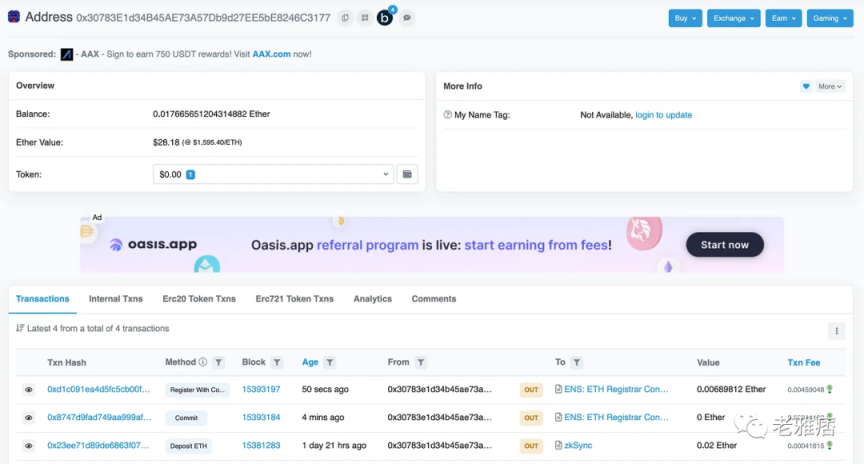
Web2 最宝贵的数据资源不再是垄断的,而是可以以任何方式自由使用。这种新出现的访问方式的影响是巨大的,也许这在社交媒体应用程序中最为明显。社交媒体应用程序目前无法互操作:我无法将我的 Instagram 粉丝带到 Twitter 上,也不能把我的 Twitter 粉丝带到 Substack 上。每次我使用一个新的平台,我都要从头开始!

在 Web3 中,底层的数据存储是完全开放的,这使得 dapp 可以互操作且易于使用。用我的钱包登录任何 dapp 都可以让应用程序利用我现有的数据来定制我的体验。

反方观点

人们关心他们的隐私。随着 Web3 成为主流,私有区块链(Monero、Ironfish 等)将蚕食以太坊和 Solana 等区块链的市场份额。

2. 区块链是货币原生且无国界的

a16z 的联合创始人 Marc Andressen 曾说过一句名言::

原罪是我们不能在互联网的核心建立经济,也就是金钱。

在互联网上转移资金总是很困难,这就是为什么 Stripe、Adyen 和 Paypal 这样的公司如此有价值的原因。

在 Web3 中,区块链是货币原生的:金钱的流动是其运作方式的核心。此外,区块链不受制于特定的国家或地域:它们是去中心化的、无许可的协议,通过全球范围内的一系列独立方进行维护。

其中一个最明显的应用就是,在 Web3 中进行国际转账非常简单。以下是它目前在传统金融体系中的运作方式:
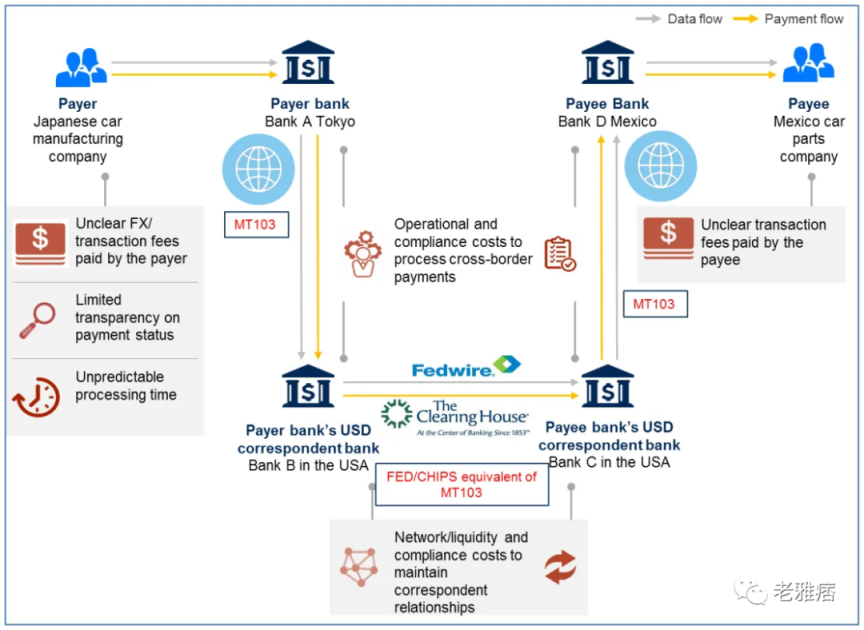
啊!有了区块链,我只需点击一下就可以把钱汇到世界上任何一个地方。此外,区块链货币原生和无国界的事实使那些不太富裕的国家的个人能够对冲通胀,投资于他们通常无法接触到的项目,等等。

反方观点

缺乏管理资金流动的中央机构将导致犯罪增加和问责制的缺失。(这方面有很多的案例,感兴趣的读者可以前往我们的网站 Allrecord 重构查看海量资讯)如果你不小心把钱汇错了地方或你的私钥被盗,没有一个中央银行可以执行退款。事实上,今年至少有 19 亿美元在加密货币黑客攻击中被盗,而且这个数字很可能被低估了。

3.代币创造了激励机制的一致性

加密代币的引入改变了用户参与和拥有这一新数字经济的方式。作为应用程序的早期使用者或新兴艺术家的粉丝,你可以 1) 有意义地表达你的支持,2) 投资于你所支持的任何东西的成功。

Web3 使用户能够获得对产品甚至是他们认为未来会做得很好的人的所有权。它们可以通过代币做到这一点,代币可以是同质化的,也可以是非同质化的 (NFT)。通常,用户可以通过以下两种方式获得代币:

空投。项目会向早期采用者发送代币作为奖励。在这种情况下,用户会因为自己的早期贡献而获得金钱奖励!

购买。用户可以对项目或人进行投资,希望他们购买的代币会随着项目或人的受欢迎程度的增长而升值。虽然 Web2( 股票市场 ) 中确实也存在这种元素,但 Web3 的独特之处在于它几乎可以将任何东西代币化。

除了用户获得代币外,web3 项目还会向他们自己的员工发放代币,以作为一种补偿形式。

反方观点

代币可能会失去价值!在 Web3 的炒作周期中经常被忽略的是,代币本质上是一种不稳定的资产,可能会受到完全不在持有人甚至发行者控制范围内的因素的严重影响。至少传统股市是受监管的!人们购买不受监管的资产的简单机制,再加上炒作和虚假信息,这是一种有毒的组合。


Leituras Relacionadas

GPT Designs GPT

OpenAI has unveiled its first custom AI chip, Jalapeño, a move signaling a strategic shift beyond being a mere model company. While many see it as a challenge to NVIDIA, its core aim is to control the entire intelligent production pipeline—from models and chips to data centers and energy. The key driver is the evolving competitive landscape: model advantages are shrinking, while the computational gap in areas like cost-per-token, system throughput, and energy efficiency is becoming the true long-term barrier. Jalapeño is primarily an inference chip, targeting the massive and growing "inference tax"—the daily operational cost of generating tokens for services like ChatGPT and APIs. By designing its own hardware optimized for its specific workloads and future product roadmaps (even using AI to aid the chip design process), OpenAI aims to drastically reduce token generation costs and improve system efficiency. This creates a potential flywheel: better models help design better chips, which lower costs for running next-generation models, supporting more users and products, which in turn provides more data to refine future chips. The strategy mirrors Apple’s integrated approach, building a closed loop where hardware, software, and applications are co-optimized. In the long term, OpenAI is not trying to become the next NVIDIA (a supplier of "shovels" to all AI companies) but to own and operate the entire "mine"—selling the end product of intelligence itself. This move marks OpenAI's ambition to evolve from creating the smartest models to controlling the foundational infrastructure of AI production.

marsbitHá 18m

GPT Designs GPT

marsbitHá 18m

Ethereum Foundation Interim Executive Director Speaks Out: What Is Our Mission?

The Ethereum Foundation's core mission is to ensure Ethereum remains a truly permissionless, censorship-resistant, private, and open infrastructure for large-scale, sovereign coordination. The article clarifies the EF's focus and dismisses irrelevant objectives, such as pursuing institutional popularity or short-term speculation. Its core work centers on eliminating systemic weaknesses. This involves fortifying Ethereum across multiple layers—protocol, access, user, and institutional—against exploitation, control, or surveillance. Key initiatives include minimizing harmful MEV and preventing privileged control over transaction flow, making unconditional privacy a foundational default, ensuring staking remains permissionless and decentralized, and strengthening user-facing access points to uphold autonomy. Concurrently, the EF aims to seize strategic opportunities. These include leading the transition to post-quantum cryptography, achieving a fully verifiable protocol stack, establishing Ethereum as private digital cash, integrating user-owned AI agents with personal wallets, and demonstrating that trusted-neutral infrastructure can competitively handle disintermediated coordination at an institutional scale. The article also addresses recent organizational changes, stating that personnel departures were due to strategic realignment, role fit, or natural evolution. It clarifies the approach to spin-outs, emphasizing that external funding will be provided only for work critical to the EF's mission that reduces Ethereum's dependency without creating new risks or mission drift. Ultimately, the EF is committed to building an enduring, neutral system that reshapes global coordination, focusing relentlessly on the principles of censorship resistance, openness, privacy, and sovereignty (CROP).

链捕手Há 1h

Ethereum Foundation Interim Executive Director Speaks Out: What Is Our Mission?

链捕手Há 1h

Trading

Spot
Futuros
活动图片