42亿收购Equiniti,Bullish押注RWA万亿蓝海

marsbitPublicado em 2026-05-06Última atualização em 2026-05-06

原文作者:马赫,Foresight News

5 月 5 日,美国上市加密资产平台 Bullish 与私募股权公司 Siris Capital 达成最终协议,将以 42 亿美元总对价收购 Equiniti。该交易由 18.5 亿美元 Equiniti 现有债务承担以及约 23.5 亿美元 Bullish 股票对价组成,股票发行价格基于截至 2026 年 5 月 4 日收盘前 30 个交易日成交量加权平均价(VWAP)每股 38.48 美元计算,交易尚需进行惯例购买价格调整。
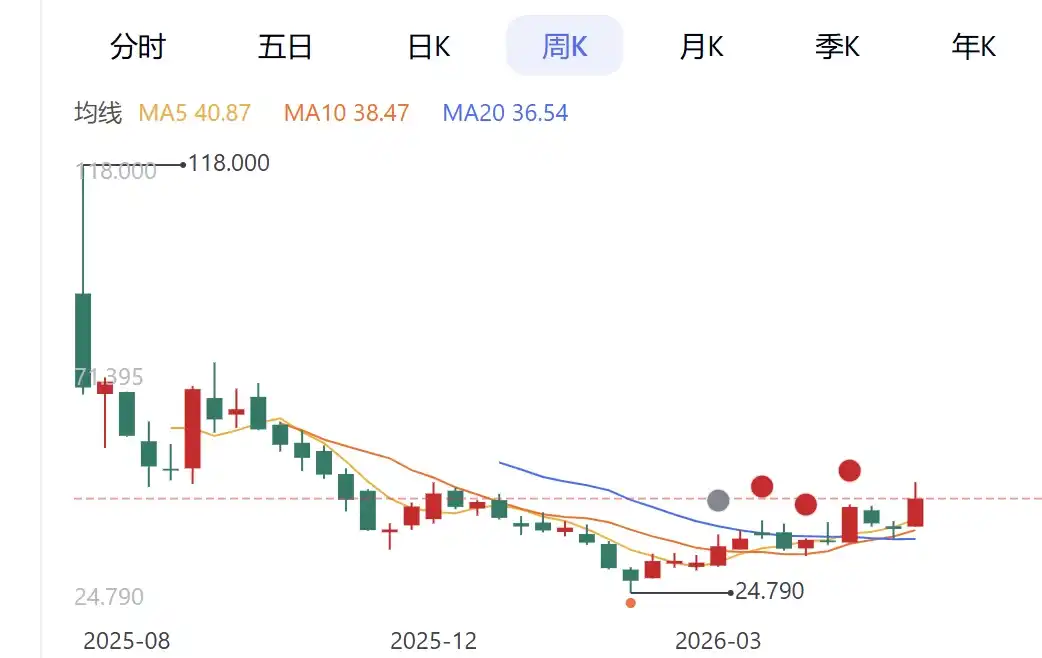
交易预计将于 2027 年 1 月完成,届时需获得监管部门批准及其他惯例成交条件满足。公告发布后,Bullish 股价一度上涨至最高 48.93 美元,涨幅超 11%。

Equiniti:传统资本市场核心「户籍管理」服务商

Equiniti 成立于 19 世纪末,是转让代理和股东服务提供商,主要为上市公司提供注册股东记录管理、股票发行 / 转让 / 注销、股息发放与再投资、股东沟通、企业行动处理、税务申报等核心服务。

Equiniti 目前为近 3000 家上市公司担任转让代理,服务超过 1.5 万家企业客户,管理超过 2000 万名验证股东,每年处理约 5000 亿美元的支付款项。

Equiniti 在美国证券交易委员会(SEC)注册为转让代理,在英国受金融行为监管局(FCA)监管,具备成熟的合规框架和跨市场运营能力。

2021 年,Siris Capital 收购 Equiniti,并将其与美国同行 AST 合并,形成规模化全球转让代理平台。

收购逻辑直指代币化万亿蓝海

收购完成后,Bullish 旗下拥有交易平台 Bullish Exchange、媒体 CoinDesk 以及端到端的代币化基础设施服务。

2025 年第四季度财报披露,Bullish 调整后收入达到 9250 万美元,同比大幅增长(2024 年同期为 5520 万美元);调整后 EBITDA 达 4450 万美元,同比大幅提升,毛利率达 48%。全年调整后收入约 2.885 亿美元,同比增长约 35%。订阅、服务及其他收入在 Q4 单季达 5460 万美元,同比激增 284%,得益于期权交易推出、机构客户资金增长以及代币化流动性服务扩张。2 月 5 日其股价触及最低点 24.79,财报公布后,连涨 2 日一度触及 32 美元。

交易完成后,Bullish 与 Equiniti 的合并实体预计 2026 财年将产生约 13 亿美元调整后总收入。

2027-2029 年,合并公司预计实现 6%-8% 的复合年收入增长,其中代币化与区块链服务贡献 20% 的收入增速。
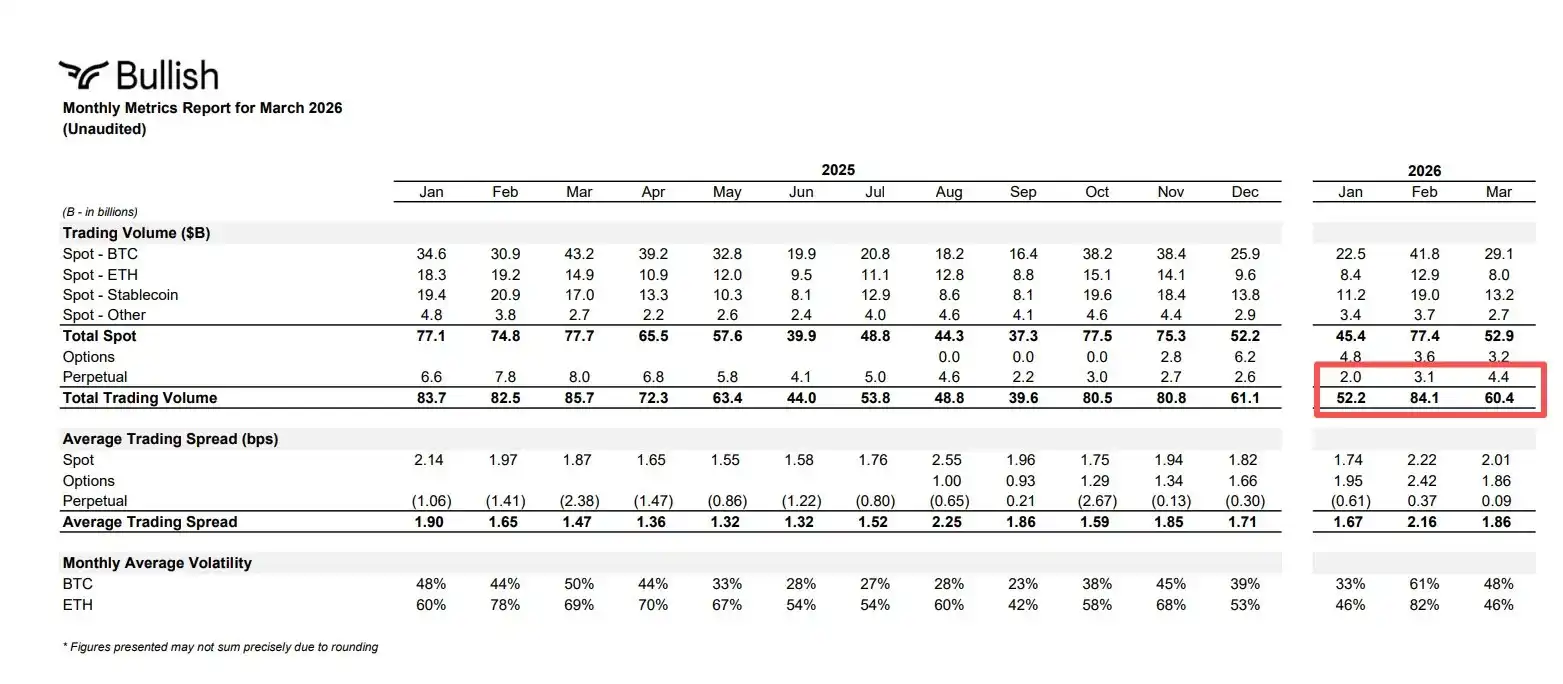
今年 3 月,Bullish 总交易量为 604 亿美元,较 2 月份的 841 大幅下降约 28% 。但是 Bullish 的 3 月永续合约成交量达到 44 亿,创下了 2025 年 5 月以来的新高,而且这是在总交易量下滑的情况下实现了逆势增长。

Crypto 生态中,RWA 已被视为下一代万亿级赛道。传统转让代理的瓶颈在于手动处理、延迟结算和高成本,而区块链技术可实现即时所有权转移、 碎片化所有权和全球 24/7 流动性。

Bullish 此举或许是对标 BlackRock、BNY Mellon 等传统巨头布局 RWA 的加密版回应,先将「受监管转让代理 + 加密交易所 + 媒体数据」三者合一,构建闭环生态。

前纽约证券交易所总裁、Bullish 首席执行官 Tom Farley 在公告中强调:「代币化是资本市场运作方式的代际转变,是未来 25 年最具定义性的基础设施趋势。机构级大规模采用需要三要素:端到端代币化服务、单一统一账本,以及规模化的蓝筹发行人关系。本次合并一次性交付了这三要素。」

这也意味着 Bullish 将从交易收入主导的模式,逐步转向高毛利基础设施服务,抗周期能力或许将显著增强。

Leituras Relacionadas

Gensyn AI: Don't Let AI Repeat the Mistakes of the Internet

In recent months, the rapid growth of the AI industry has attracted significant talent from the crypto sector. A persistent question among researchers intersecting both fields is whether blockchain can become a foundational part of AI infrastructure. While many previous AI and Crypto projects focused on application layers (like AI Agents, on-chain reasoning, data markets, and compute rentals), few achieved viable commercial models. Gensyn differentiates itself by targeting the most critical and expensive layer of AI: model training. Gensyn aims to organize globally distributed GPU resources into an open AI training network. Developers can submit training tasks, nodes provide computational power, and the network verifies results while distributing incentives. The core issue addressed is not decentralization for its own sake, but the increasing centralization of compute power among tech giants. In the era of large models, access to GPUs (like the H100) has become a decisive bottleneck, dictating the pace of AI development. Major AI companies are heavily dependent on large cloud providers for compute resources. Gensyn's approach is significant for several reasons: 1) It operates at the core infrastructure layer (model training), the most resource-intensive and technically demanding part of the AI value chain. 2) It proposes a more open, collaborative model for compute, potentially increasing resource utilization by dynamically pooling idle GPUs, similar to early cloud computing logic. 3) Its technical moat lies in solving complex challenges like verifying training results, ensuring node honesty, and maintaining reliability in a distributed environment—making it more of a deep-tech infrastructure company. 4) It targets a validated, high-growth market with genuine demand, rather than pursuing blockchain integration without purpose. Ultimately, the boundaries between Crypto and AI are blurring. AI requires global resource coordination, incentive mechanisms, and collaborative systems—areas where crypto-native solutions excel. Gensyn represents a step toward making advanced training capabilities more accessible and collaborative, moving beyond a niche controlled by a few giants. If successful, it could evolve into a fundamental piece of AI infrastructure, where the most enduring value in the AI era is often created.

marsbitHá 13h

Gensyn AI: Don't Let AI Repeat the Mistakes of the Internet

marsbitHá 13h

Why is China's AI Developing So Fast? The Answer Lies Inside the Labs

A US researcher's visit to China's top AI labs reveals distinct cultural and organizational factors driving China's rapid AI development. While talent, data, and compute are similar to the West, Chinese labs excel through a pragmatic, execution-focused culture: less emphasis on individual stardom and conceptual debate, and more on teamwork, engineering optimization, and mastering the full tech stack. A key advantage is the integration of young students and researchers who approach model-building with fresh perspectives and low ego, prioritizing collective progress over personal credit. This contrasts with the US culture of self-promotion and "star scientist" narratives. Chinese labs also exhibit a strong "build, don't buy" mentality, preferring to develop core capabilities—like data pipelines and environments—in-house rather than relying on external services. The ecosystem feels more collaborative than tribal, with mutual respect among labs. While government support exists, its scale is unclear, and technical decisions appear driven by labs, not state mandates. Chinese companies across sectors, from platforms to consumer tech, are building their own foundational models to control their tech destiny, reflecting a broader cultural drive for technological sovereignty. Demand for AI is emerging, with spending patterns potentially mirroring cloud infrastructure more than traditional SaaS. Despite challenges like a less mature data industry and GPU shortages, Chinese labs are propelled by vast talent, rapid iteration, and deep integration with the open-source community. The competition is evolving beyond a pure model race into a contest of organizational execution, developer ecosystems, and industrial pragmatism.

marsbitHá 15h

Why is China's AI Developing So Fast? The Answer Lies Inside the Labs

marsbitHá 15h

3 Years, 5 Times: The Rebirth of a Century-Old Glass Factory

Corning, a 175-year-old glass company, is experiencing a dramatic revival as a key player in AI infrastructure, driven by surging demand for high-performance optical fiber in data centers. AI data centers require vastly more fiber than traditional ones—5 to 10 times as much per rack—to handle high-speed data transmission between GPUs. This structural demand shift, coupled with supply constraints from the lengthy expansion cycle for fiber preforms, has created a significant supply-demand gap. Nvidia has invested in Corning, along with Lumentum and Coherent, in a $4.5 billion total commitment to secure the optical supply chain for AI. Corning's competitive edge lies in its expertise in producing ultra-low-loss, high-density, and bend-resistant specialty fiber, which is critical for 800G+ and future 1.6T data rates. Its deep involvement in co-packaged optics (CPO) with partners like Nvidia further solidifies its position. While not the largest fiber manufacturer globally, Corning's revenue from enterprise/data center clients now exceeds 40% of its optical communications sales, and it has secured multi-year supply agreements with major hyperscalers including Meta and Nvidia. Financially, Corning's optical communications revenue has surged, doubling from $1.3 billion in 2023 to over $3 billion in 2025. Its stock price has risen nearly 6-fold since late 2023. Key future catalysts include the rollout of Nvidia's CPO products and the scale of undisclosed customer agreements. However, risks include high current valuations and potential disruption from next-generation technologies like hollow-core fiber. The company's long-term bet on light over electricity, maintained even through the telecom bubble crash, is now being validated by the AI boom.

marsbitHá 15h

3 Years, 5 Times: The Rebirth of a Century-Old Glass Factory

marsbitHá 15h

Trading

Spot
Futuros
活动图片