In-Depth Research Report on U.S. Crypto Equity Market in 2026 — Opportunities, Risks, and Portfolio Allocation Framework

HTX LearnPublicado em 2026-05-21Última atualização em 2026-05-21

Resumo

Since the U.S. Securities and Exchange Commission (SEC) historically approved spot Bitcoin ETFs in January 2024, the U.S. crypto investment landscape has undergone a profound maturation process. In 2026, investors can participate in the crypto market through four primary channels: spot ETFs, crypto-related public equities (including miners and treasury companies), leveraged and inverse ETFs, and blockchain-themed funds. As of March 30, 2026, U.S. spot Bitcoin ETFs collectively held approximately 1.29 million BTC, representing roughly $86.9 billion in assets under management (AUM), while spot Ethereum ETFs reached approximately $18 billion in AUM. Notably, the rise of the Ethereum treasury company model is reshaping the logic of institutional participation. Exemplified by Bitmine Immersion Technologies (BMNR), these firms generate native on-chain yield annually through ETH staking, creating a fundamentally different business resilience model compared with traditional Bitcoin treasury companies. On the regulatory front, the 2025 GENIUS Act established the first federal stablecoin framework in the United States. The U.S. Strategic Bitcoin Reserve has been officially established, banks have been authorized to provide crypto custody services, and major compliance bottlenecks have been definitively removed. Nevertheless, the high volatility of leveraged ETFs, the balance-sheet risks embedded in treasury-company financing structures, and the slashing risk of staked assets continue t...

I. Definition and Evolutionary Logic

The U.S. crypto equity market essentially refers to crypto-related assets packaged into publicly tradable securities listed on traditional stock exchanges. Investors can therefore gain exposure to the high-growth digital asset sector through conventional brokerage accounts, without the need to directly manage private keys. The evolution of the market reflects the broader transition of crypto assets from a niche “cypherpunk” ecosystem into the institutional mainstream.

From a historical perspective, the sector has progressed through three major stages.

Phase One: The “Underground Mining Era” (2017–2020)

This phase was dominated by pure-play mining companies such as Riot Blockchain and MARA Holdings. Business models were relatively simplistic, corporate governance remained fragmented, valuation frameworks were highly speculative, and many companies traded on illiquid Pink Sheets, attracting almost no attention from mainstream institutional investors. During this period, crypto equities exhibited significantly higher volatility than the underlying digital assets themselves and were often viewed by the market as “leveraged Bitcoin proxies”.

Phase Two: The “Compliance and Securitization Era” (2021–2023)

This stage was marked by Coinbase’s direct listing on NASDAQ and MicroStrategy’s large-scale Bitcoin accumulation strategy. The emergence of compliant, publicly listed crypto infrastructure companies represented a key milestone for industry normalization. Coinbase’s direct listing on NASDAQ in April 2021 symbolized the first major U.S.-listed crypto exchange entering the public capital market and is of great significance. Meanwhile, MicroStrategy accumulated more than 150,000 BTC between 2020 and 2023, effectively transforming itself into a “Bitcoin Treasury Company” and pioneering an entirely new corporate valuation framework.
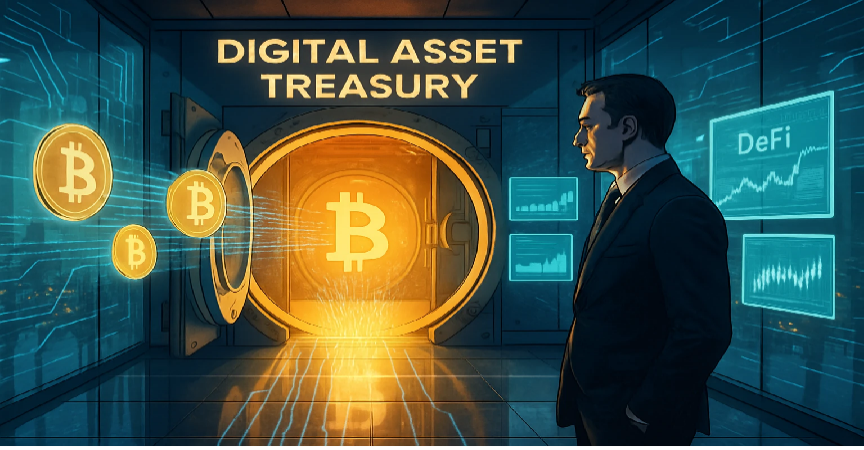
Phase Three: The “ETF Expansion Era” (2024–Present)

The SEC’s approval of spot Bitcoin ETFs marked crypto assets’ formal integration into the U.S. mainstream financial product ecosystem. BlackRock’s iShares Bitcoin Trust (IBIT) accumulated tens of billions of dollars in assets within months of launch, becoming one of the fastest-growing ETF products in history. The defining characteristic of this stage is productization: crypto risk-return profiles are increasingly packaged into standardized financial instruments, lowering compliance barriers for institutional investors while simultaneously enabling retail investors to access professional-grade exposure management at lower cost.

II. Market Structure and Competitive Landscape

By 2026, the U.S. crypto equity sector has evolved into a three-pillar market structure: spot ETFs dominate institutional capital inflows; crypto-related equities provide amplified beta exposure; leveraged and thematic products address more specialized trading demand.

The spot ETF market remains highly concentrated. Collectively, spot Bitcoin ETFs currently hold approximately 1.32 million BTC, representing around $107.3 billion in assets under management. BlackRock’s iShares Bitcoin Trust (IBIT), with approximately $55 billion in AUM, controls nearly 60% of the market. Its 0.25% management fee rate remains highly competitive among peers. Fidelity’s FBTC, with approximately $13 billion in AUM and a similar fee rate structure (0.25%), represents IBIT’s closest competitor. Grayscale’s GBTC, once the dominant crypto trust vehicle, has faced significant fee pressure following its ETF conversion. Its 1.50% management fee rate has reduced competitiveness, and current AUM stands near $10 billion. Meanwhile, Grayscale’s lower-cost BTC Mini Trust, with about $3.5 billion in AUM and a fee rate of just 0.15%, has increasingly attracted fee-sensitive capital flows. A major industry milestone occurred in April 2026 when Morgan Stanley officially launched its MSBT product, signaling the formal entry of established Wall Street banks into the crypto ETF sector.

Within the Ethereum ETF category, BlackRock’s ETHA currently leads the market with approximately $7.1 billion in AUM, making it the largest single Ethereum ETF product globally. More importantly, BlackRock’s 2026 launch of ETHB introduced staking-enabled ETF exposure for the first time, allowing investors to access native Ethereum staking yield through a regulated ETF wrapper. This innovation could fundamentally reshape the product design logic of crypto ETFs in the future. Following the 2025 regulatory opening for altcoin ETFs, products tied to XRP and Solana have each attracted roughly $1 billion in inflows. More than 26 additional altcoin ETF applications—including Dogecoin and Chainlink products—are expected to emerge in 2026, signaling the transition from a BTC/ETH duopoly toward a diversified multi-asset ETF ecosystem.

The crypto treasury and mining sector is undergoing significant structural divergence. MicroStrategy (MSTR), the pioneer of the Bitcoin treasury model, currently holds approximately 700,000 BTC, making it the world’s largest publicly traded corporate holder of Bitcoin. However, following Bitcoin’s roughly 18% decline year-to-date in 2026 toward the average acquisition cost of several treasury firms, aggressive accumulation activity by mining companies such as MARA and RIOT has slowed materially, raising questions regarding the long-term sustainability of the Bitcoin treasury model. Unlike Bitcoin treasury companies, which commonly face the dilemma of being forced to liquidate holdings, Ethereum treasury companies represented by Bitmine Immersion Technologies (BMNR) have introduced a fundamentally different operating framework. Through its MAVAN staking infrastructure, BMNR reportedly generates approximately $196 million in recurring annual staking revenue, enabling the company to cover operating expenses without liquidating crypto holdings. This creates a native cash-flow generation mechanism absent in traditional Bitcoin treasury strategies. As of 2026, BMNR reportedly holds approximately 4.8 million ETH, worth about $10.8 billion, representing roughly 3.98% of Ethereum’s global circulating supply, with a long-term strategic target of accumulating 5% of the total ETH supply. If achieved, BMNR would become one of the most systemically important holders within the Ethereum ecosystem.

Leveraged, inverse, and thematic crypto ETFs exhibit significantly different risk-return profiles, which investors should carefully assess. Leveraged ETFs amplify daily returns through derivatives. During the late-2025 market downturn, 2x long MicroStrategy ETFs MSTX and MSTU plummeted by approximately 80%, reportedly wiping out nearly $1.5 billion in retail capital and illustrating the extreme risks embedded in these products. Key products currently include BITO (1x BTC futures), ETHU (2x ETH futures), and MSTZ (inverse MSTR). For more conservative investors, blockchain thematic funds offer diversified indirect exposure. Examples include BKCH (Global X), heavily weighted toward Coinbase and major mining firms; BLOK (Amplify) covering approximately 80 blockchain-related equities; and STCE (Charles Schwab) charging only 0.30% in fee rates while holding around 40 crypto-related equities including MicroStrategy and Bitdeer. These products may serve as suitable long-term core allocation vehicles.

III. Core Risk Analysis

Despite its strong growth potential, the U.S. crypto equity sector contains multiple layers of risks that investors must carefully evaluate before establishing exposure.

1) Regulatory Uncertainty: Although the 2025 GENIUS Act established the first federal stablecoin framework and authorized banks to offer crypto custody services, the U.S. also formally created the Strategic Bitcoin Reserve, the broader crypto regulatory framework remains under development. Jurisdictional boundaries between the SEC and CFTC remain partially unresolved, and approval timelines for certain altcoin ETFs may continue to face political and regulatory friction. Furthermore, financial regulatory policy shifts under the Trump administration in 2026 could affect the continuity of current policies and it remains to be seen whether the current regulatory tailwinds will persist.

2) Extreme Underlying Asset Volatility: Crypto markets remain inherently and characteristically volatile. Bitcoin’s approximate 18% decline year-to-date in 2026 remarkably illustrates the sector’s susceptibility to sharp drawdowns. These price movements transmit directly into ETF and equity products. Due to management fees, holding discounts, liquidity premiums, and other friction costs, investors can often suffer losses exceeding the drawdown of the underlying assets themselves. Accordingly, crypto-related equities and ETFs should generally be treated as high-risk assets with strict position management and limited concentration to mitigate tail-risk exposure.

3) Balance-Sheet Risks of Treasury Companies: For instance, MicroStrategy’s “treasury model” involves issuing convertible bonds and preferred equity instruments to fund Bitcoin purchases, with the expectation that Bitcoin’s appreciation will exceed the cost of financing. However, this approach involves significant financial leverage—if Bitcoin's prices continue to decline, not only does the value of its Bitcoin holdings shrink, but interest expenses and debt-servicing pressure also rise concurrently. In contrast, BMNR’s staking-yield model demonstrates greater operational resilience, yet staking returns are inherently sensitive to fluctuations in Ethereum prices and subject to potential slashing risks. Should a validator node behave maliciously or fail to operate correctly, a portion of staked ETH may be forfeited. Investors considering such assets need to closely monitor both the company’s financial structure and the cyclical risks of the underlying crypto holdings.

4) Liquidity and Tracking Error Risk: Leveraged ETFs and smaller crypto-related equities may suffer severe liquidity deterioration during periods of heightened volatility, resulting in increasing spreads and trading costs. More importantly, leveraged ETFs suffer from “compounding decay” due to daily portfolio rebalancing. Even when investors correctly predict long-term directional trends, prolonged holding periods may still generate significant underperformance relative to the underlying asset. The collapse of MSTX and MSTU in late 2025 serves as a major warning regarding this structural risk. Similarly, although GBTC’s historical discount has narrowed following ETF conversion, its relatively high management fee rate and lack of staking yield support continue to weaken its institutional competitiveness versus lower-cost alternatives such as IBIT.

IV. Innovation Trends and Sector Opportunities

Despite elevated risks, the U.S. crypto equity sector in 2026 is demonstrating several transformative trends that may reshape long-term investment logic and the sector landscape.

Trend One: The Emergence of Staking ETFs. The launch of BlackRock’s ETHB represents one of the most significant product innovations of 2026. By integrating staking yield into an ETF structure, ETHB allows investors to access native Ethereum staking rewards without directly operating validator nodes or participating in DeFi protocols. This innovation transforms ETFs from passive holding vehicles into active yield-generating products and substantially expands the potential utility of regulated crypto investment products. For institutional investors, ETHB offers a compliant, convenient way to earn yield on ETH without the need to manage private keys—an option that was previously nearly impossible to access within the traditional financial system. If ETHB gains broad market adoption, it can be expected that staking-enabled ETFs based on other Proof-of-Stake blockchains may follow, thereby further diversifying the ETF industry’s product offerings.

Trend Two: The Rise of Ethereum Treasury Companies. Compared with Bitcoin treasury companies whose economics primarily rely on price appreciation, Ethereum treasury companies generate native yield through staking operations, creating a more sustainable operational model. Even in bearish markets, staking rewards may continue covering operational expenses, reducing forced liquidation pressure on companies. BMNR’s strategic objective of holding 5% of the global ETH supply, if achieved, would make it a systemically influential holder within the Ethereum ecosystem. Its strategic decisions—such as participation in PoS governance or adjustments to staking parameters—could exert a material impact on the entire ecosystem. This model may also pave the way for the emergence of additional specialized Ethereum treasury companies, forming a new investment sub-sector.

Trend Three: Structural Inflows of Institutional Capital and the Rise of On-Chain Fixed-Income Assets. Data show that, as Bitcoin has fallen approximately 18% year-to-date in 2026, institutional capital is increasingly migrating toward on-chain fixed-income assets. The trend is closely linked to the maturation of Ethereum staking infrastructure that enables projects such as EigenLayer and Pendle Finance to develop restaking mechanisms and yield-tokenization frameworks, allowing staking rewards to become structured, tradable, and composable financial instruments in the DeFi ecosystem. The stable yields generated by Ethereum treasury companies such as BMNR through MAVAN staking align perfectly with institutional investors’ strong demand for crypto-native yield with minimal exposure to underlying crypto price fluctuations.

Trend Four: Continued Expansion and Multi-Chain Diversification of ETFs. From the BTC/ETH duopoly to the launch of mainstream altcoin ETFs such as XRP and SOL, and now with emerging assets like Dogecoin and Chainlink expected to gain approval in 2026, the ETF landscape is evolving from broad coverage of major cryptos toward more precise, sector-specific allocations. Each asset embodies a distinct investment theme: Chainlink represents oracle infrastructure, Solana highlights high-performance Layer-1 blockchain capabilities, and Dogecoin reflects community-driven meme culture. This multi-chain expansion of ETFs enables investors to have more accurate judgements on specific sectors, rather than passively holding the entire cryptocurrency market.

V. Participation Strategy & Investment Logic

For investors seeking exposure to the U.S. crypto equity sector, the following framework based on layered risks may serve as a general reference for portfolio construction.

On the core allocation layer, Spot ETFs including BTC and ETH, particularly lower-cost products such as IBIT and ETHA, represent the most broadly applicable exposure vehicles. Considering the existing AUM of BTC (approximately $86.9 billion) and ETH (around $18 billion), along with the brand endorsement from BlackRock, the world’s largest asset manager, the two types of products offer sufficient liquidity, low tracking error, and clear regulatory compliance. Investors are advised to put them as core “industry beta” allocations within a portfolio, with position sizes managed between 1% and 5%, primarily providing exposure to overall crypto market trends.

On the sector beta layer, blockchain-themed funds such as BKCH and BLOK offer diversified exposure across exchanges, mining equipment providers, and infrastructure stocks. Compared with holding equities of individual crypto companies directly, thematic funds reduce the impact of single-stock black swan events while allowing investors to benefit from the systematic growth of the broader crypto ecosystem. For investors with lower risk tolerance, this may be the most suitable entry point. Funds with relatively lower fee rates, such as STCE (0.30%), are appropriate for long-term core allocations.

From the perspective of high-risk, high-return allocations, Ethereum treasury companies like BMNR and Bitcoin treasury companies like MSTR are suitable for investors who are willing to accept greater volatility in exchange for potential outsized returns. BMNR’s staking-yield model provides operational resilience relative to MSTR, whereas MSTR’s "aggressive accumulation and leveraged purchase" strategy exhibits strong upside during bull markets. Position sizes for such assets are recommended to be controlled between 0.5% and 2%, with ongoing monitoring of company financial structures and crypto asset price trends to assess debt-servicing capacity.

On the tactical allocation side, leveraged and inverse ETFs (such as MSTX and MSTZ) are only suitable for professional investors with short-term market timing capabilities, and holding periods should be measured in days or weeks; long-term positions are strongly discouraged. The compounding decay mechanism of leveraged ETFs means that even if market direction is correctly predicted, long-term returns can be significantly lower than the underlying asset’s price movement. For most retail investors, restraint is advised in this category.

It is important to emphasize that the above analysis is for informational purposes only and does not constitute investment advice. Cryptocurrency markets are highly volatile and uncertain; investors should conduct thorough risk assessments aligned with their own risk tolerance before making prudent decisions. Leveraged products are subject to compounding decay, staked assets face slashing risks, and crypto treasury companies carry financial leverage pressures—position sizes for any single asset should not be excessive, and maintaining a diversified portfolio is key to long-term survival.

VI. Summary and Outlook

Overall, the U.S. crypto equity sector in 2026 appears to be transitioning from a phase of product innovation toward broader ecosystem maturation. Spot Bitcoin ETFs opened the door for institutional participation, while staking-enabled Ethereum ETFs and Ethereum treasury companies are beginning to redefine the commercial model of compliant crypto ownership. The regulatory clarity introduced by the 2025 GENIUS Act—including the establishment of a federal stablecoin framework and the authorization of crypto custody services for banks—has significantly strengthened crypto’s position within the U.S. financial system.

Looking ahead, several key indicators deserve continued monitoring: 1) The sustainability and potential expansion of staking-generated yield by Ethereum treasury companies will determine the long-term viability of this business model; 2) the inflows into staking ETFs such as ETHB will serve as a key indicator of the market’s acceptance of the “ETF + native yield” product innovation; 3) the actual approval timeline and initial capital raising of altcoin ETFs, including XRP and Solana, will reveal the productization potential beyond the major cryptocurrencies; 4) further clarification of the U.S. federal regulatory framework will be critical in determining whether the sector’s long-term structural benefits can be maintained.

Leituras Relacionadas

Top 10 Promising Emerging Hyperliquid Native Protocols to Watch

Title: A Review of 10 Emerging Native Protocols on Hyperliquid Hyperliquid is evolving beyond perpetual contracts into a comprehensive on-chain financial stack. This article highlights 10 key native protocols driving this growth: 1. **Monetrix**: A yield-optimizing protocol akin to Ethena, aggregating funding rates, HLP rewards, maker rebates, and HIP-3 into a single stablecoin yield. 2. **ROSETTA**: An automated stablecoin yield router, allocating USDC across top protocols (e.g., Felix, Aave, HLP) for optimal returns, factoring in gas and slippage. 3. **papertrade.xyz**: A fair-launched perpetuals protocol offering up to 1000x leverage, no funding rates, no slippage, and fully on-chain, oracle-based execution. 4. **alt.fun**: A launchpad where tokens are paired with leveraged perpetual positions (2x-5x), linking token price to trading activity and underlying position performance. 5. **Ventuals**: Pre-IPO perpetual contracts (built on HIP-3) allowing up to 10x leveraged speculation on valuations of private companies like SpaceX and Stripe. 6. **Liminal**: A delta-neutral yield protocol that captures funding rates via automated short positions and uses generated xTokens (xBTC, etc.) as DeFi collateral. 7. **Melt**: Brings tokenized stocks, commodities, and RWAs to Hyperliquid spot markets, enabling 24/7 trading alongside crypto assets. 8. **Chainsight**: An oracle and data infrastructure protocol providing low-latency (<3s) price feeds, volatility indices, and risk metrics for novel derivatives. 9. **rip.xyz**: Tokenized vault strategies on HyperEVM; its flagship rHYPURR offers liquidity and fractional exposure to a Hypurr NFT basket, priced hourly via NAV. 10. **Markets**: A perpetuals exchange (by Kinetiq) for trading stocks, forex, commodities, bonds, and crypto with up to 50x leverage, using USDH collateral and Kaiko oracles. These protocols form the foundational layer for generating real yield, liquidity, and innovative financial products natively on Hyperliquid.

marsbitHá 34m

Top 10 Promising Emerging Hyperliquid Native Protocols to Watch

marsbitHá 34m

Musk Posted a Recruitment Ad for SpaceX, and After Reading the Comments Section, I Understood

On May 20th, SpaceX filed for a landmark IPO with a $1.75 trillion valuation. Shortly after, Elon Musk posted a recruitment call on X, seeking "world-class engineers and physicists" for SpaceX. The application process was starkly simple: email with three bullet points proving "exceptional ability," with real, complex projects as a plus. Musk promised to review qualifying emails himself. The post garnered millions of views and thousands of replies, revealing a spectrum of responses. Most comments, including a highly-upvoted humorous one listing absurd "skills," merely listed credentials or experiences in a conventional, non-differentiating way. This highlighted a key insight: a traditional resume listing degrees and skills often fails to demonstrate true exceptionalism. Effective self-presentation requires "performance efficiency." A standout reply came from an OpenAI engineering lead, who simply stated "codex." This demonstrated that for those who have built significant, recognized products, the product itself becomes the ultimate resume. The article argues that in the AI era, any tangible, shareable output—a tool, research, or online project—serves as a living, self-evident credential more powerful than a list of attributes. However, a twist emerged when applicants found the provided email address non-functional, leading to speculation that the post might also serve as an IPO publicity stunt, projecting an image of aggressive talent acquisition to investors. Ultimately, the episode served as a microcosm: some participate through performance, others through proof of work, while some question the reality of the stage itself. It underscores the enduring challenge of defining and demonstrating value in an age of abundant, yet often superficial, content.

marsbitHá 1h

Musk Posted a Recruitment Ad for SpaceX, and After Reading the Comments Section, I Understood

marsbitHá 1h

Cutting Off OpenAI, Anthropic Acquires the Tool Provider Used by a Quarter of Global Developers

Anthropic has acquired Stainless, a developer tool company that automatically generated official SDKs (Software Development Kits) for AI giants including OpenAI, Anthropic, Meta, and Cloudflare. The deal, reportedly valued at around $300 million, marks a strategic shift for Anthropic as it builds its "AI agent" infrastructure. Stainless acted as a "translator," converting complex API specifications into ready-to-use code libraries for developers. Its tools indirectly reached about a quarter of professional software developers globally. Following the acquisition, Stainless will shut down its public products and its team will join Anthropic to focus on internal platform development, notably for the Claude Platform. Existing SDKs remain with their respective client companies but will no longer receive updates from Stainless. This move is part of Anthropic's broader 18-month strategy to assemble a complete "agent stack." The stack consists of the Claude model at its core, the newly acquired Stainless for standardized API interfaces, and the Model Context Protocol (MCP), an open standard for connecting agents to external tools and data. This contrasts with OpenAI's focus on model generations and consumer-scale compute. Anthropic believes an agent's ultimate utility depends on its ability to connect to external systems. By internalizing the SDK layer and promoting MCP as a connection standard, Anthropic aims to lock in long-term ecosystem advantages and create path dependency, moving beyond the transient lead provided by any single model generation.

marsbitHá 1h

Cutting Off OpenAI, Anthropic Acquires the Tool Provider Used by a Quarter of Global Developers

marsbitHá 1h

Trading

Spot
Futuros

Artigos em Destaque

O que é ETH 2.0

ETH 2.0: Uma Nova Era para o Ethereum Introdução ETH 2.0, amplamente conhecido como Ethereum 2.0, marca uma atualização monumental à blockchain do Ethereum. Esta transição não é meramente uma mudança estética; visa melhorar fundamentalmente a escalabilidade, segurança e sustentabilidade da rede. Com uma mudança do mecanismo de consenso em Proof of Work (PoW), intensivo em energia, para um Proof of Stake (PoS) mais eficiente, o ETH 2.0 promete uma abordagem transformadora ao ecossistema blockchain. O que é ETH 2.0? ETH 2.0 é um conjunto de atualizações distintas e interconectadas focadas na otimização das capacidades e desempenho do Ethereum. Esta reformulação foi projetada para abordar desafios críticos que o mecanismo atual do Ethereum enfrentou, particularmente em relação à velocidade das transações e à congestão da rede. Objetivos do ETH 2.0 Os principais objetivos do ETH 2.0 giram em torno da melhoria de três aspectos centrais: Escalabilidade: Com o objetivo de melhorar significativamente o número de transações que a rede pode manejar por segundo, o ETH 2.0 procura ultrapassar a limitação atual de aproximadamente 15 transações por segundo, alcançando potencialmente milhares. Segurança: Medidas de segurança melhoradas são integrais ao ETH 2.0, especialmente através da resistência aprimorada contra ciberataques e da preservação do ethos descentralizado do Ethereum. Sustentabilidade: O novo mecanismo PoS foi projetado não apenas para melhorar a eficiência, mas também para reduzir drasticamente o consumo de energia, alinhando a estrutura operacional do Ethereum com considerações ambientais. Quem é o Criador do ETH 2.0? A criação do ETH 2.0 pode ser atribuída à Ethereum Foundation. Esta organização sem fins lucrativos, que desempenha um papel crucial no apoio ao desenvolvimento do Ethereum, é liderada pelo co-fundador notável Vitalik Buterin. A sua visão de um Ethereum mais escalável e sustentável tem sido a força motriz por trás desta atualização, envolvendo contribuições de uma comunidade global de desenvolvedores e entusiastas dedicados a melhorar o protocolo. Quem são os Investidores do ETH 2.0? Embora os detalhes sobre os investidores do ETH 2.0 não tenham sido tornados públicos, é sabido que a Ethereum Foundation recebe apoio de várias organizações e indivíduos no espaço da blockchain e tecnologia. Esses parceiros incluem firmas de capital de risco, empresas de tecnologia e organizações filantrópicas que compartilham um interesse mútuo em apoiar o desenvolvimento de tecnologias descentralizadas e infraestrutura de blockchain. Como Funciona o ETH 2.0? ETH 2.0 é notável por introduzir uma série de características chave que o diferenciam do seu predecessor. Proof of Stake (PoS) A transição para um mecanismo de consenso PoS é uma das mudanças de destaque do ETH 2.0. Ao contrário do PoW, que depende da mineração intensiva em energia para a verificação de transações, o PoS permite que os utilizadores validem transações e criem novos blocos de acordo com a quantidade de ETH que apostam na rede. Isso leva a uma maior eficiência energética, reduzindo o consumo em aproximadamente 99,95%, tornando o Ethereum 2.0 uma alternativa consideravelmente mais ecológica. Shard Chains As shard chains são outra inovação crítica do ETH 2.0. Estas cadeias menores operam em paralelo com a cadeia principal do Ethereum, permitindo que várias transações sejam processadas simultaneamente. Esta abordagem melhora a capacidade geral da rede, abordando preocupações de escalabilidade que têm atormentado o Ethereum. Beacon Chain No coração do ETH 2.0 está a Beacon Chain, que coordena a rede e gere o protocolo PoS. Ela atua como uma espécie de organizador: supervisiona os validadores, garante que as shards permaneçam conectadas à rede e monitora a saúde geral do ecossistema blockchain. Linha do Tempo do ETH 2.0 A jornada do ETH 2.0 tem sido marcada por vários marcos chave que traçam a evolução desta atualização significativa: Dezembro de 2020: O lançamento da Beacon Chain marcou a introdução do PoS, preparando o caminho para a migração para o ETH 2.0. Setembro de 2022: A conclusão de “The Merge” representa um momento crucial em que a rede Ethereum fez a transição com sucesso de um quadro PoW para um PoS, anunciando uma nova era para o Ethereum. 2023: O lançamento esperado das shard chains visa melhorar ainda mais a escalabilidade da rede Ethereum, solidificando o ETH 2.0 como uma plataforma robusta para aplicações e serviços descentralizados. Características Chave e Benefícios Escalabilidade Melhorada Uma das vantagens mais significativas do ETH 2.0 é a sua escalabilidade melhorada. A combinação de PoS e shard chains permite que a rede expanda a sua capacidade, permitindo que acomode um volume de transações muito maior em comparação com o sistema legado. Eficiência Energética A implementação do PoS representa um enorme passo em direção à eficiência energética na tecnologia blockchain. Ao reduzir drasticamente o consumo de energia, o ETH 2.0 não só reduz os custos operacionais, mas também se alinha mais estreitamente com os objetivos globais de sustentabilidade. Segurança Aprimorada Os mecanismos atualizados do ETH 2.0 contribuem para uma segurança melhorada em toda a rede. O uso do PoS, juntamente com medidas de controle inovadoras estabelecidas através das shard chains e da Beacon Chain, assegura um maior grau de proteção contra potenciais ameaças. Custos Mais Baixos para os Utilizadores À medida que a escalabilidade melhora, os efeitos sobre os custos de transação também serão evidentes. Aumentada a capacidade e reduzida a congestão, espera-se que isso se traduza em taxas mais baixas para os utilizadores, tornando o Ethereum mais acessível para transações do dia a dia. Conclusão ETH 2.0 marca uma evolução significativa no ecossistema da blockchain do Ethereum. Ao abordar questões fundamentais como a escalabilidade, o consumo de energia, a eficiência das transações e a segurança geral, a importância desta atualização não pode ser subestimada. A transição para o Proof of Stake, a introdução das shard chains e o trabalho fundamental da Beacon Chain são indicativos de um futuro em que o Ethereum pode atender à crescente demanda do mercado descentralizado. Em uma indústria movida pela inovação e progresso, o ETH 2.0 representa um testemunho das capacidades da tecnologia blockchain em pavimentar o caminho para uma economia digital mais sustentável e eficiente.

100 Visualizações TotaisPublicado em {updateTime}Atualizado em 2024.12.03

O que é ETH 2.0

O que é ETH 3.0

ETH3.0 e $eth 3.0: Uma Análise Profunda do Futuro do Ethereum Introdução No ambiente em rápida evolução da criptomoeda e da tecnologia blockchain, o ETH3.0, frequentemente denotado como $eth 3.0, emergiu como um tema de considerável interesse e especulação. O termo abrange dois conceitos principais que merecem esclarecimento: Ethereum 3.0: Esta representa uma potencial atualização futura destinada a aumentar as capacidades da atual blockchain do Ethereum, focando especialmente na melhoria da escalabilidade e desempenho. ETH3.0 Meme Token: Este distinto projeto de criptomoeda procura aproveitar a blockchain do Ethereum na criação de um ecossistema centrado em memes, promovendo o envolvimento na comunidade de criptomoedas. Compreender esses aspectos do ETH3.0 é essencial não apenas para entusiastas de criptomoedas, mas também para aqueles que observam as tendências tecnológicas mais amplas no espaço digital. O que é ETH3.0? Ethereum 3.0 Ethereum 3.0 é promovido como uma atualização proposta para a rede Ethereum já estabelecida, que tem sido a espinha dorsal de muitas aplicações descentralizadas (dApps) e contratos inteligentes desde a sua criação. As melhorias vislumbradas concentram-se principalmente na escalabilidade—integrando tecnologias avançadas como sharding e provas de conhecimento zero (zk-proofs). Essas inovações tecnológicas visam facilitar um número sem precedentes de transações por segundo (TPS), potencialmente alcançando milhões, abordando assim uma das limitações mais significativas enfrentadas pela tecnologia blockchain atual. A melhoria não é meramente técnica, mas também estratégica; visa preparar a rede Ethereum para uma adoção generalizada e utilidade em um futuro marcado por uma maior demanda por soluções descentralizadas. ETH3.0 Meme Token Em contraste com o Ethereum 3.0, o ETH3.0 Meme Token aventura-se por um domínio mais leve e divertido, combinando a cultura dos memes da internet com a dinâmica das criptomoedas. Este projeto permite que os usuários comprem, vendam e negociem memes na blockchain do Ethereum, proporcionando uma plataforma que fomenta o envolvimento da comunidade através da criatividade e interesses compartilhados. O ETH3.0 Meme Token visa demonstrar como a tecnologia blockchain pode interseccionar com a cultura digital, criando casos de uso que são tanto divertidos quanto financeiramente viáveis. Quem é o Criador do ETH3.0? Ethereum 3.0 A iniciativa em direção ao Ethereum 3.0 é impulsionada principalmente por um consórcio de desenvolvedores e pesquisadores dentro da comunidade Ethereum, notavelmente incluindo Justin Drake. Conhecido por suas percepções e contribuições para a evolução do Ethereum, Drake tem sido uma figura proeminente nas discussões sobre a transição do Ethereum para uma nova camada de consenso, referida como “Beam Chain”. Esta abordagem colaborativa ao desenvolvimento significa que o Ethereum 3.0 não é fruto de um único criador, mas sim uma manifestação da engenhosidade coletiva focada no avanço da tecnologia blockchain. ETH3.0 Meme Token Os detalhes sobre o criador do ETH3.0 Meme Token são atualmente indetectáveis. A natureza dos tokens de meme frequentemente leva a uma estrutura mais descentralizada e impulsionada pela comunidade, o que poderia explicar a falta de atribuição específica. Isso alinha-se com a ethos da comunidade de criptomoedas mais ampla, onde a inovação geralmente surge de esforços colaborativos em vez de esforços individuais. Quem são os Investidores do ETH3.0? Ethereum 3.0 O apoio ao Ethereum 3.0 provém principalmente da Fundação Ethereum, juntamente com uma comunidade entusiástica de desenvolvedores e investidores. Esta associação fundacional proporciona um grau significativo de legitimidade e melhora as perspectivas de uma implementação bem-sucedida, uma vez que aproveita a confiança e credibilidade construída ao longo de anos de operações de rede. Em um clima em rápida mudança no mundo das criptomoedas, o apoio da comunidade desempenha um papel crucial no impulso ao desenvolvimento e adoção, posicionando o Ethereum 3.0 como um sério candidato a futuros avanços na blockchain. ETH3.0 Meme Token Embora as fontes atualmente disponíveis não forneçam informações explícitas sobre as fundações ou organizações de investimento que apoiam o ETH3.0 Meme Token, é indicativo do modelo típico de financiamento para tokens de meme, que frequentemente depende de apoio base e engajamento da comunidade. Os investidores em tais projetos costumam consistir em indivíduos motivados pelo potencial de inovação impulsionada pela comunidade e pelo espírito de cooperação encontrado dentro da comunidade cripto. Como Funciona o ETH3.0? Ethereum 3.0 As características distintivas do Ethereum 3.0 residem em sua proposta de implementação de sharding e tecnologia zk-proof. Sharding é um método de partição da blockchain em partes menores e gerenciáveis ou “shards”, que podem processar transações simultaneamente em vez de sequencialmente. Esta descentralização do processamento ajuda a prevenir congestionamentos e garante que a rede permaneça responsiva mesmo sob carga pesada. A tecnologia de prova de conhecimento zero (zk-proof) contribui com outra camada de sofisticação ao permitir a validação de transações sem revelar os dados subjacentes envolvidos. Este aspecto não apenas melhora a privacidade, mas também aumenta a eficiência geral da rede. Há também conversas sobre a incorporação de uma Máquina Virtual Ethereum de conhecimento zero (zkEVM) nesta atualização, amplificando ainda mais as capacidades e utilidade da rede. ETH3.0 Meme Token O ETH3.0 Meme Token distingue-se ao capitalizar sobre a popularidade da cultura dos memes. Estabelece um mercado para que os usuários participem da negociação de memes, não apenas para entretenimento, mas também para potencial ganho econômico. Ao integrar recursos como staking, provisão de liquidez e mecanismos de governança, o projeto fomenta um ambiente que incentiva a interação e participação da comunidade. Ao oferecer uma mistura única de entretenimento e oportunidade econômica, o ETH3.0 Meme Token visa atrair um público diversificado, variando de entusiastas de criptomoedas a conhecedores casuais de memes. Cronologia do ETH3.0 Ethereum 3.0 11 de novembro de 2024: Justin Drake sugere a próxima atualização do ETH 3.0, centrada nas melhorias de escalabilidade. Este anúncio sinaliza o início de discussões formais sobre a futura arquitetura do Ethereum. 12 de novembro de 2024: A proposta antecipada para Ethereum 3.0 deve ser revelada no Devcon em Bangkok, preparando o cenário para um feedback mais amplo da comunidade e potenciais próximos passos no desenvolvimento. ETH3.0 Meme Token 21 de março de 2024: O ETH3.0 Meme Token é oficialmente listado no CoinMarketCap, marcando sua entrada no domínio público das criptomoedas e aumentando a visibilidade de seu ecossistema baseado em memes. Pontos Chave Em conclusão, Ethereum 3.0 representa uma evolução significativa dentro da rede Ethereum, focando em superar limitações quanto à escalabilidade e desempenho através de tecnologias avançadas. As atualizações propostas refletem uma abordagem proativa às futuras demandas e usabilidade. Por outro lado, o ETH3.0 Meme Token encapsula a essência da cultura impulsionada pela comunidade no espaço das criptomoedas, aproveitando a cultura dos memes para criar plataformas envolventes que incentivam a criatividade e participação dos usuários. Compreender os distintos propósitos e funcionalidades do ETH3.0 e $eth 3.0 é fundamental para qualquer pessoa interessada nos desenvolvimentos contínuos dentro do espaço cripto. Com ambas as iniciativas a pavimentar caminhos únicos, elas sublinham coletivamente a natureza dinâmica e multifacetada da inovação em blockchain.

100 Visualizações TotaisPublicado em {updateTime}Atualizado em 2024.12.03

O que é ETH 3.0

Como comprar ETH

Bem-vindo à HTX.com!Tornámos a compra de Ethereum (ETH) simples e conveniente.Segue o nosso guia passo a passo para iniciar a tua jornada no mundo das criptos.Passo 1: cria a tua conta HTXUtiliza o teu e-mail ou número de telefone para te inscreveres numa conta gratuita na HTX.Desfruta de um processo de inscrição sem complicações e desbloqueia todas as funcionalidades.Obter a minha contaPasso 2: vai para Comprar Cripto e escolhe o teu método de pagamentoCartão de crédito/débito: usa o teu visa ou mastercard para comprar Ethereum (ETH) instantaneamente.Saldo: usa os fundos da tua conta HTX para transacionar sem problemas.Terceiros: adicionamos métodos de pagamento populares, como Google Pay e Apple Pay, para aumentar a conveniência.P2P: transaciona diretamente com outros utilizadores na HTX.Mercado de balcão (OTC): oferecemos serviços personalizados e taxas de câmbio competitivas para os traders.Passo 3: armazena teu Ethereum (ETH)Depois de comprar o teu Ethereum (ETH), armazena-o na tua conta HTX.Alternativamente, podes enviá-lo para outro lugar através de transferência blockchain ou usá-lo para transacionar outras criptomoedas.Passo 4: transaciona Ethereum (ETH)Transaciona facilmente Ethereum (ETH) no mercado à vista da HTX.Acede simplesmente à tua conta, seleciona o teu par de trading, executa as tuas transações e monitoriza em tempo real.Oferecemos uma experiência de fácil utilização tanto para principiantes como para traders experientes.

3.1k Visualizações TotaisPublicado em {updateTime}Atualizado em 2025.03.21

Como comprar ETH

Discussões

Bem-vindo à Comunidade HTX. Aqui, pode manter-se informado sobre os mais recentes desenvolvimentos da plataforma e obter acesso a análises profissionais de mercado. As opiniões dos utilizadores sobre o preço de ETH (ETH) são apresentadas abaixo.

活动图片