Американский регулятор пообещал не преследовать криптопроект Fuse Crypto Limited

cryptonews.ruPublicado em 2025-11-23Última atualização em 2025-11-25

Комиссия по ценным бумагам и биржам США (SEC) заявила, что не будет принимать принудительные меры против криптопроекта Fuse, работающего на основе Solana в рамках концепции DePIN — децентрализованной физической инфраструктуры.

19 ноября команда Fuse направила письмо в Отдел корпоративных финансов SEC с просьбой официально подтвердить, что ведомство не будет преследовать криптопроект за предложение и продажу токенов FUSE. Разработчики проекта подчеркнули, что FUSE предназначены для использования в блокчейне, а не для спекуляций. Токены могут быть выкуплены только по среднерыночной цене через третьих лиц.

Заместитель главного юрисконсульта Отдела корпоративных финансов SEC Джонатан Ингрэм (Jonathan Ingram) подтвердил, что подразделение не станет рекомендовать регулятору принятие жестких мер против Fuse, если криптопроект будет предлагать токены таким образом, как было заявлено в письме ведомству.

Юридический представитель Jito Labs — разработчика клиента Solana — Ребекка Реттиг (Rebecca Rettig) прокомментировала ситуацию, заявив, что подобные письма от регулятора очень важны для криптопроектов. Тем самым SEC дает гарантии командам, планирующим выпустить токены, что их не будут преследовать в суде за нарушение законодательства о ценных бумагах. Это своего рода нормативное прикрытие, отметила Реттиг.

Несколько месяцев назад SEC направила подобное письмо о непринятии мер криптопроекту Double Zero. Его сооснователь Остин Федера (Austin Federa) расценил это как более дружественное отношение SEC к криптовалютам, поскольку подобные письма часто направляются традиционным финансовым компаниям, и очень редко встречаются в криптопространстве.

Недавно американский регулятор пообещал, что в следующем году не будет проводить проверки деятельности криптокомпаний, чтобы ослабить давление на индустрию и начать продуктивный диалог с ее участниками.


Leituras Relacionadas

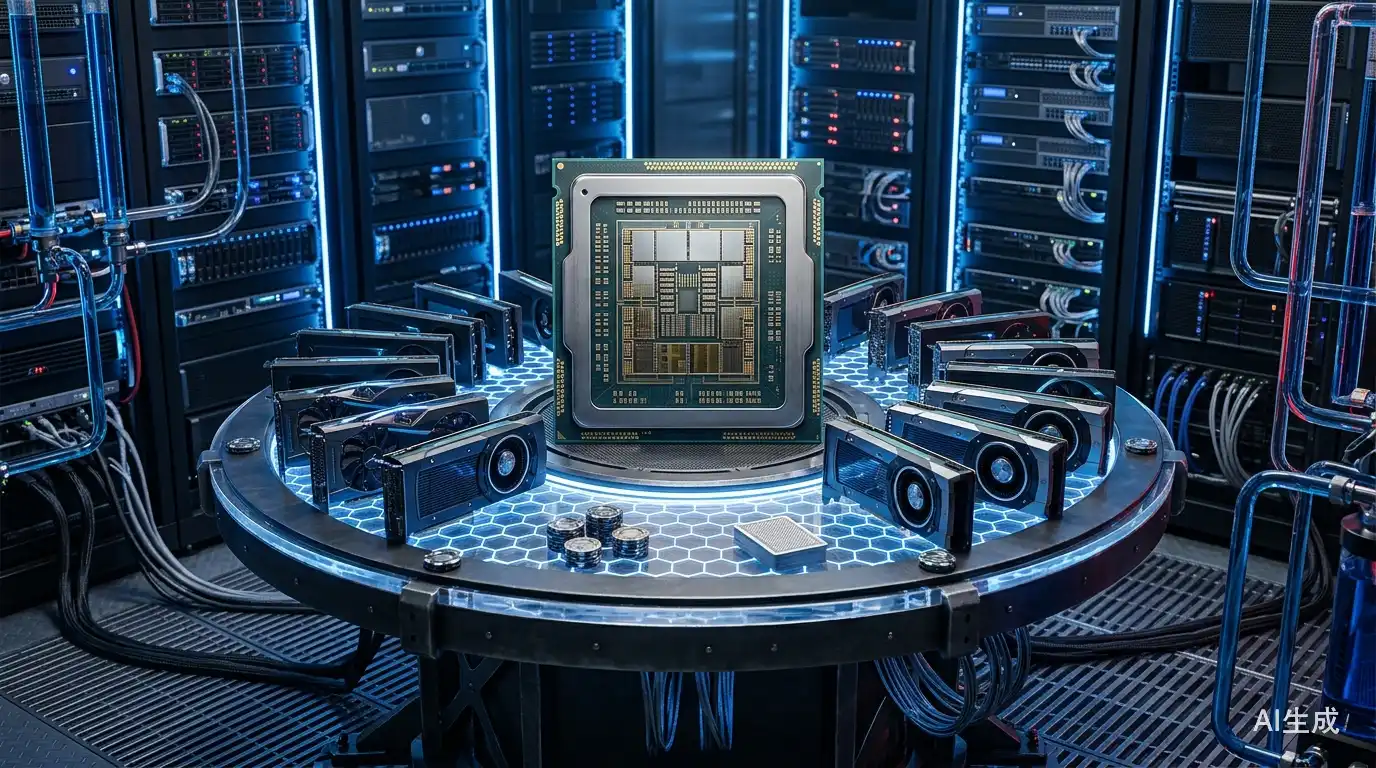
CPU Makes a Comeback to the Table, A $170 Billion "Power Seizure" Drama Begins

A new era is dawning for the server CPU (Central Processing Unit), driven by the shift from AI model training to large-scale reasoning and the rise of Agentic AI. This article explores how the CPU is reclaiming a central role in the AI data center. For years, the focus has been on the GPU (Graphics Processing Unit) for AI training. However, as AI moves to the inference and Agent phase—where tasks involve complex, multi-step reasoning, tool calls, and data management—the workload balance is flipping. Studies show CPUs now handle over 70% of the workload in Agentic AI, up from 10-30% in training. This is because Agent tasks generate massive intermediate data (KV Cache) that exceeds GPU memory, forcing it to be offloaded to the CPU's larger, more scalable memory pools. This increased importance is translating into market changes. Major players are taking note: NVIDIA launched its first standalone CPU line, Vera, based on ARM architecture and optimized for Agent performance. AMD doubled its server CPU market forecast to over $1200 billion by 2030. Analyst reports project the total server CPU market could reach $1700 billion by 2030, with AI-driven demand being a primary driver. Furthermore, the classic ratio of CPUs to GPUs in AI servers is rapidly changing, converging from 1:8 toward 1:1 for Agent deployments. This surge in demand has led to a rare industry-wide price increase of 10-15% for server CPUs from Intel and AMD, breaking a decade-long trend of "more performance for the same price." Demand is bifurcating into high-core-count CPUs for in-rack GPU support and moderate-core CPUs for standalone Agent task orchestration. In China, this global trend presents an opportunity for domestic CPU manufacturers like Hygon (海光信息) and Huawei Kunpeng, who are bolstered by both growing AI infrastructure needs and national policies promoting technological self-reliance ("xin chuang"). The maturity of their software ecosystems is also accelerating, evidenced by faster adaptation to new AI models. In conclusion, the narrative is shifting from a GPU-centric view to one where CPU-GPU synergy is critical. The CPU is no longer a peripheral component but a performance-defining bottleneck and a key growth driver in the AI hardware stack, opening a massive new market estimated in the hundreds of billions of dollars.

marsbitHá 8h

CPU Makes a Comeback to the Table, A $170 Billion "Power Seizure" Drama Begins

marsbitHá 8h

TechFlow Intelligence: AMD AI Director Publicly Criticizes Claude Code for "Becoming Dumber and Lazier", Trump Claims Full Ceasefire in Hormuz But Strait Still Has 80 Unexploded Mines

TechFlow Intelligence Report: This daily digest covers key developments in AI, crypto, hardware, and geopolitics. In AI, SK Telecom faces US export control scrutiny over its partnership with Anthropic, while a Gemini user reports being misled in a scam scenario, sparking safety debates. China's Z.AI launches the GLM-5.2 model, rivaling Claude Opus without NVIDIA chips. In crypto, Bithumb lists ReProtocol, and Upbit delists KernelDAO. On the hardware front, MIT researchers build a custom OS to study chips, ASML denies US claims its advanced lithography machines are in China, and Amazon considers selling its in-house AI chips. Apple's future A21 Pro chip may use TSMC's latest N2P process. Major tech issues include 10,000 GitHub repositories distributing malware and Apple patching a critical eavesdropping flaw in Beats earbuds. US stocks rise, led by semiconductors, with Intel surging 10.6%, while SpaceX falls 3.5%. Geopolitically, despite a US-Iran deal, the Strait of Hormuz remains risky with ~80 uncleared mines, stalling 80M barrels of oil on standby tankers. Iran postpones Switzerland talks, and Trump calls the agreement an "unconditional surrender." The report highlights a contrast: temporary geopolitical calm versus the ongoing, fundamental restructuring of tech supply chains and chip independence.

marsbitHá 8h

TechFlow Intelligence: AMD AI Director Publicly Criticizes Claude Code for "Becoming Dumber and Lazier", Trump Claims Full Ceasefire in Hormuz But Strait Still Has 80 Unexploded Mines

marsbitHá 8h

Trading

Spot
Futuros
活动图片