预测市场爆发的奇点:用户生成市场引入创作者经济

Odaily星球日报Publicado em 2025-10-16Última atualização em 2025-10-16

原文来自Jarrod Watts

编译|Odaily 星球日报 Golem(@web 3_golem

预测市场本可以终结“庄家永赚”的时代,但遗憾的是,大多数预测市场仍在为自己牟取利益。

在本文中,我将阐述为什么预测市场目前为何无法服务于用户,以及我为何相信预测市场的下一阶段是通过用户生成市场(user-generated market)实现创作者经济。

我将涵盖的要点包括:

  • 探索从负和博弈到接近零和博弈的预测市场的转变;
  • 引入创作者经济和收益​​分享将如何推动预测市场的爆炸式增长;
  • 预测市场中的直播机会。

庄家已死

大多数形式的赌博,包括体育博彩,都是负和博弈,玩家输钱给庄家。预期玩家回报率 (RTP) 之和被设置在 100% 以下的不同水平,以系统性地从玩家那里榨取资金。大多数人都明白这一点,但仍然愿意赌博,用金钱换取我们从预期中获得的多巴胺。

预测市场可以消除庄家来改变这种现状,通过允许玩家在开放市场中互相 PvP。预测市场是零和博弈,赢家从输家那里拿钱,与交易类似。

这在客观上比传统的赌博/体育博彩要好,虽然你的道德准则可能不认同,但这些产品显然有着巨大的市场需求——公平存在总比榨取利润更好。

但是当预测市场开始收取费用时,这种说法就站不住脚了。大多数平台(Polymarket 除外)通常会从玩家的入场金额或预期利润中抽取 2-3% 左右。
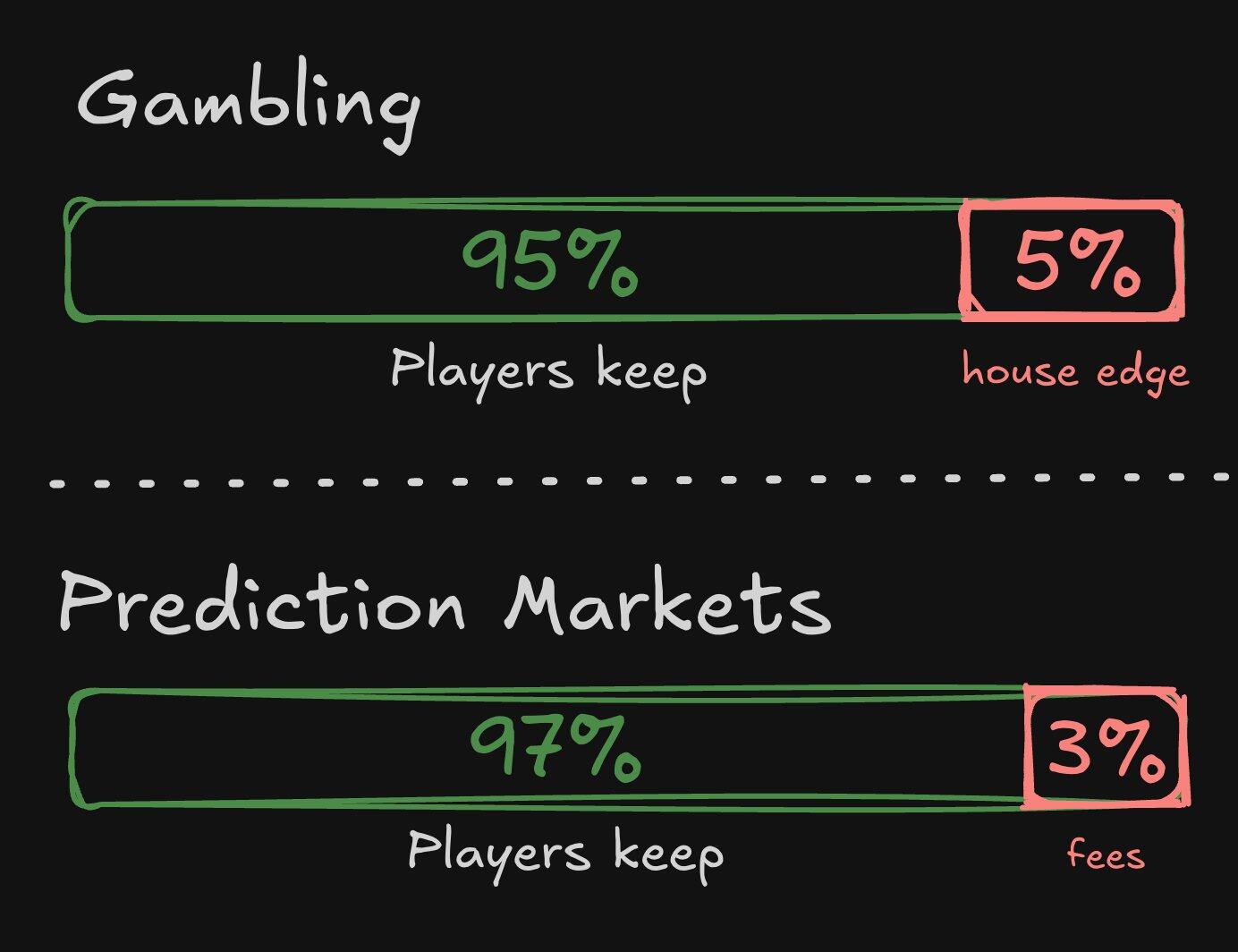
预测市场费用使其从零和博弈变成了负和博弈

预测市场收取费用的结果是,它们重新引入了赌博中的负和博弈,这意味着玩家会随着时间的推移向赌场/平台流失资金。

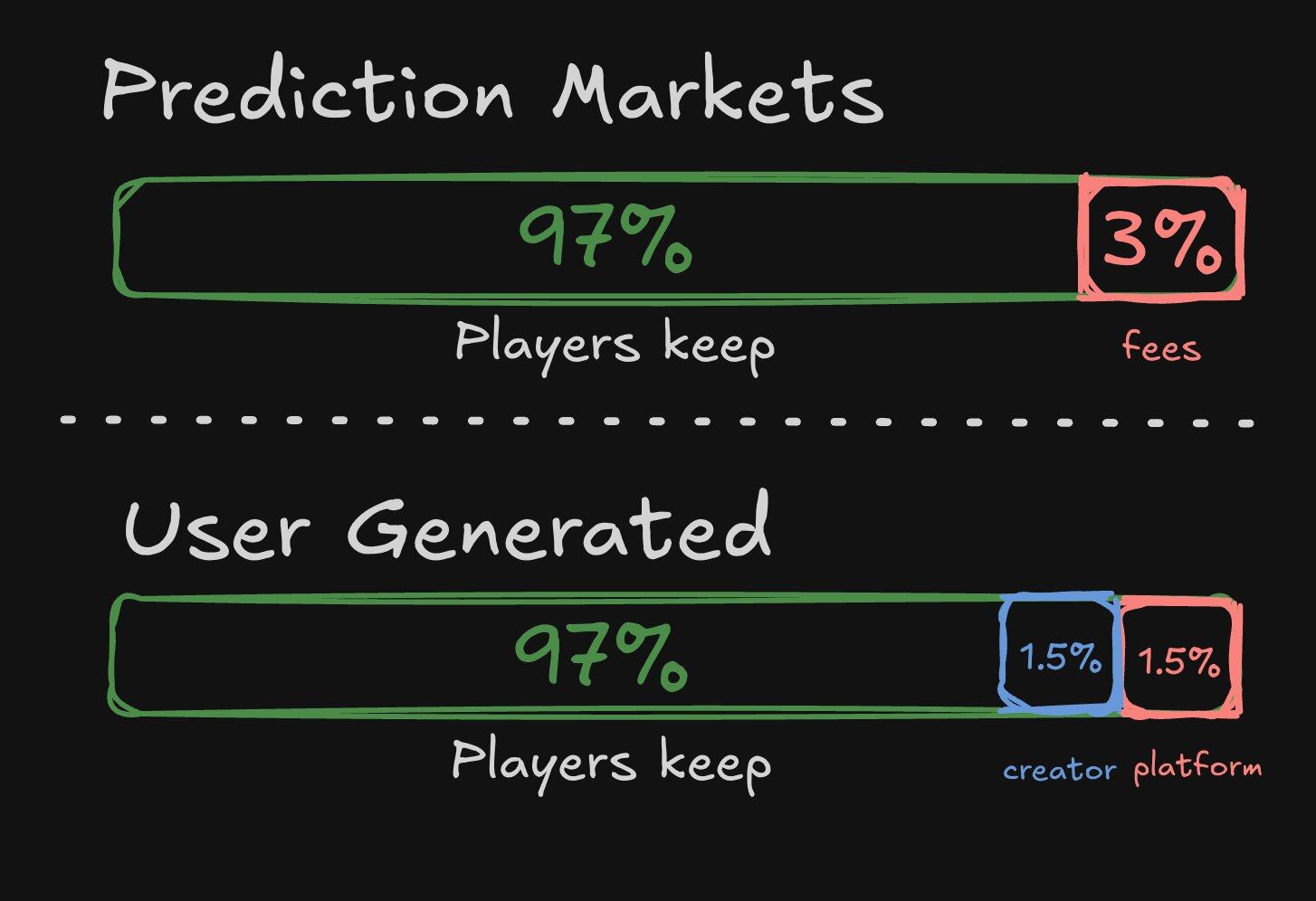
然而,我相信有一种强有力的替代方法可以利用这些费用,从而提高用户的参与度,即创建用户生成市场

预测市场作为创作者经济载体

我认为预测市场应该:

  • 允许用户无需许可即可创建市场;
  • 引入收益分成机制,允许市场创作者赚取一定比例的佣金。

引入市场创作者收益分成机制

这样做可以将用户转变为共同创作者,他们可以创造新的市场(以及围绕这些市场的UGC),从而推动平台的增长,而无需团队直接承担制作成本。Roblox 和 Fortnite 就是实施此模式的典型案例——它们都将部分收入用于支付社区地图创作者的报酬。

在预测市场中,创作者可以创建与其社区/利基市场相关的市场,为用户提供新的参与方式,并从中赚取收益。因为预测市场的应用场景几乎无限,也就意味着可以适用于无数的创作者。

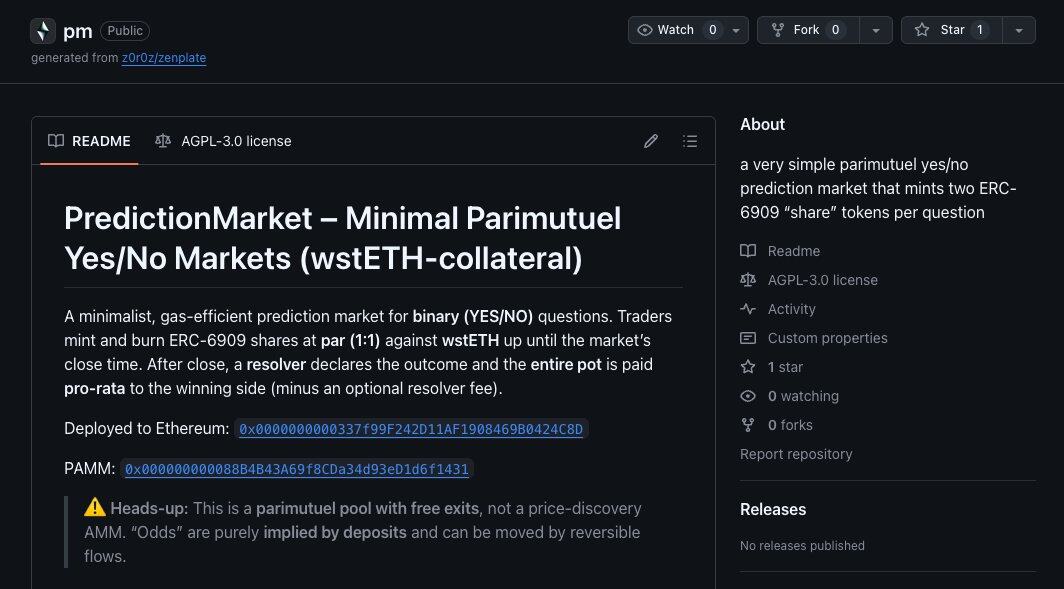
虽然存在技术限制,但在我撰写本文的研究过程中,我发现了一个 GitHub 代码库,其中包含用于创建用户生成预测市场的智能合约。它还包含一个 AMM 变体,以解决用户生成市场带来的一些流动性问题。
主播生成预测市场

用户生成预测市场自然会发展为主播为其观众创建的实时、快速市场。在这些预测市场中,主播可以发起投票,观众可以参与并实时观看结果。

这使得创作者可以创建短期预测市场,观众可以投票支持“我会赢得这场比赛吗?”之类的问题。Twitch 已经实现了此功能,但它使用的是其原生频道积分,而不是 USDC。
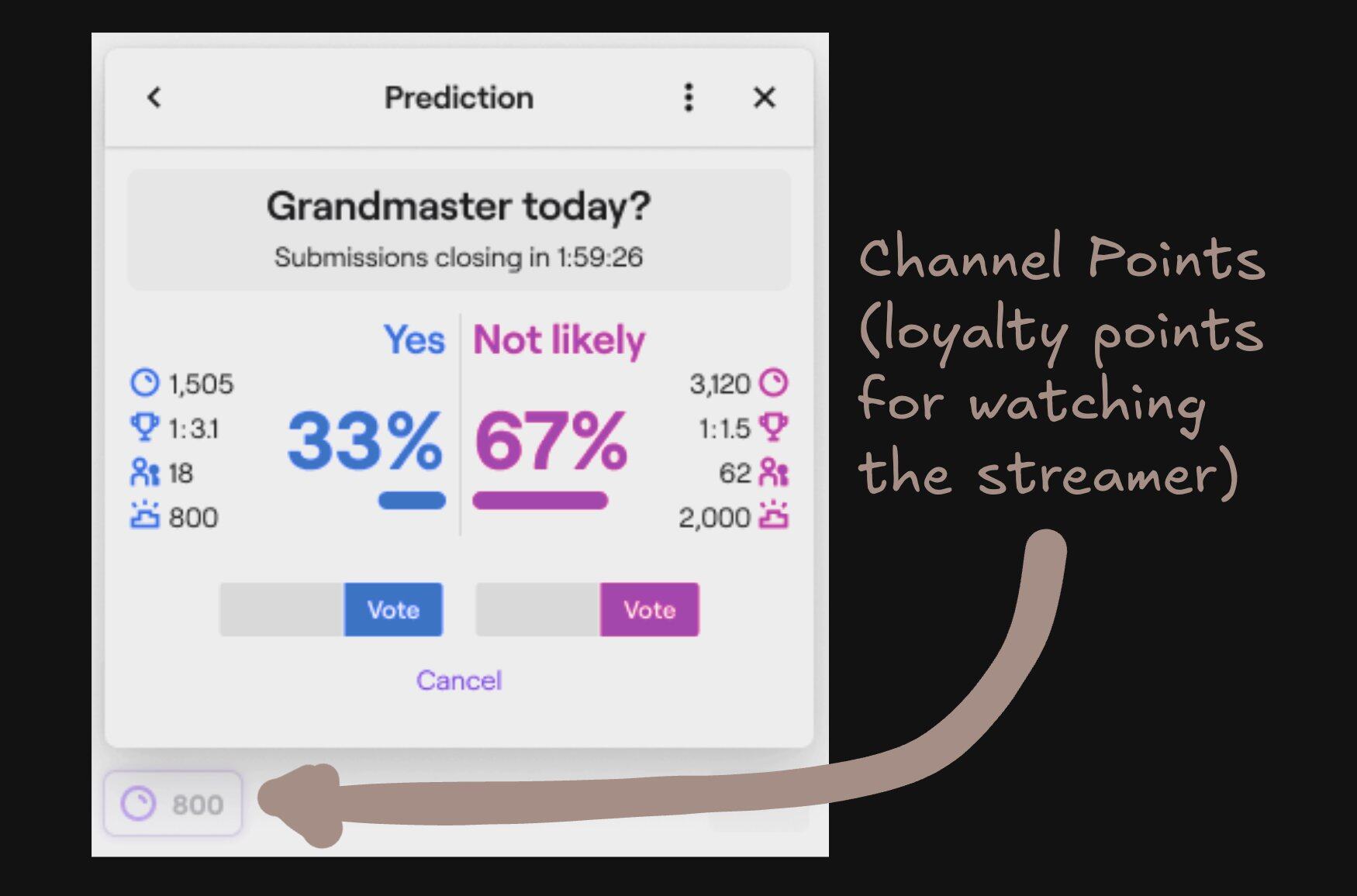
Twitch 直播预测市场示例

这类激活方式是双赢的——主播通过收益分成获得报酬,而观众则更加投入于直播。我认为这对未来的主播和内容创作者来说都是一个巨大的机遇。

结语

预测市场已经取得了令人难以置信的成功,但用户生成预测市场的规模化仍是一个巨大的机遇(也可能存在技术挑战)。用户成为大使并创作直接宣传预测市场平台的内容所带来的后续效应是显而易见的,让我们期待有此理念的产品诞生落地。
Leituras Relacionadas

Wall Street Capital Enters ARC, Circle Sparks a System-Level Competition for Stablecoins

Wall Street Capital Enters the ARC Arena as Circle Launches a System-Level Battle for Stablecoin Dominance On May 11, Circle successfully raised $222 million in a pre-sale funding round for its new blockchain and native token, ARC, giving the network a fully diluted valuation of $3 billion. The investor lineup, featuring Wall Street giants like BlackRock and Intercontinental Exchange alongside top-tier venture capital firms such as a16z and ARK Invest, signaled a collective strategic bet on future financial infrastructure. This move marks Circle's significant evolution from a stablecoin issuer (notably USDC) to a designer of financial systems. While USDC operates on external blockchains like Ethereum, making Circle dependent on their performance, ARC aims to create a dedicated infrastructure for the circulation, payment, and clearing of stablecoins. This would integrate currency issuance and circulation into one system, potentially shifting Circle's business model from asset management to infrastructure provision. The convergence of traditional finance and crypto-native capital in this funding round underscores a broader industry shift: stablecoins are transitioning from being mere trading tools to becoming core components of financial infrastructure. By controlling both the issuance (via USDC) and the流通 pathway (via ARC), Circle could establish a closed-loop system from issuance to settlement. If successful, this infrastructure could optimize costs, lower barriers for institutional adoption, and promote standardization in on-chain finance. Ultimately, it has the potential to challenge traditional systems like SWIFT in areas such as cross-border payments, representing a possible step toward the重构 of global financial infrastructure.

marsbitHá 35m

Wall Street Capital Enters ARC, Circle Sparks a System-Level Competition for Stablecoins

marsbitHá 35m

Circle's Three-Dimensional Valuation Framework: Where Is the Bottom, Where Is the Top

"Circle's 3D Valuation Framework: Where is the Bottom, Where is the Top?" - Article Summary The article analyzes Circle's valuation following its Q1 2026 earnings. While its core business generates substantial interest income from USDC reserves ($6.53B in Q1, up 17% YoY), this revenue is highly sensitive to interest rates and shared significantly with Coinbase. The author proposes a three-dimensional valuation framework: 1. **Interest Business (The Floor):** Valued like a bank (8-15x P/E) on net interest income after Coinbase's share. This provides a conservative valuation baseline. 2. **Payment & Platform Business (The Inflection Point):** Includes CPN (Circle Payments Network) and "Other Revenue" (transaction, integration services). This high-growth segment, not shared with Coinbase, is valued on a platform/network model (higher P/S multiples), similar to Visa/Mastercard. It represents Circle's shift beyond pure interest income. 3. **Arc Network & ARC Token (The Future / Optionality):** Arc is an institutional-focused, EVM-compatible L1 blockchain where USDC is the native gas token. A $222M ARC token pre-sale at a $3B FDV attracted major traditional finance players (BlackRock, Apollo, ICE). While Circle holds 25% of ARC tokens, their value is separate from CRCL equity. This dimension represents the long-term, high-upside bet on Circle becoming an "economic operating system." Current market cap (~$30B) prices in significant future growth beyond the sum-of-the-parts valuation derived from current earnings. The investment thesis hinges on believing in Circle's transition from a "stablecoin issuer" to a broader financial infrastructure and network platform. Key variables for the future include USDC adoption growth, CPN network effects, Arc's success, and potential renegotiation of the Coinbase revenue-sharing agreement.

marsbitHá 1h

Circle's Three-Dimensional Valuation Framework: Where Is the Bottom, Where Is the Top

marsbitHá 1h

Trading

Spot
Futuros
活动图片