New York Sets Up City Office for Crypto and Blockchain

TheCryptoTimesPublicado em 2025-10-15Última atualização em 2025-10-15

New York City has set up a new government office to oversee and coordinate work related to cryptocurrency and blockchain technology. The move comes as the city emerges as a popular hub for crypto offices and attracts attention from the global crypto community. 

On October 14, Mayor Eric Adams signed Executive Order 57, creating the Office of Digital Assets and Blockchain, the first city-level agency of its kind in the United States.

According to the announcement, the office will specialize in the proper use of digital assets, making economic opportunities available to New Yorkers, attracting skilled professionals, and advancing the city’s position as a global financial and technology hub.

Leadership and goals

Moises Rendon, a digital assets policy expert, has been appointed as the office’s first Executive Director. His first task will be to form a commission of industry experts to advise on the office’s priorities and direction. Rendon will report directly to Chief Technology Officer Matt Fraser.

Mayor Adams said the move continues his administration’s push to keep New York “ahead of the curve” when it comes to technology. “The age of digital assets is here, and with it comes the chance to grow our economy, attract world-class talent, expand opportunities for underbanked communities, and make government more user-friendly,” he said.

Rendon said his focus will be on the responsible and practical deployment of blockchain and digital asset tools. He added that the new office would collaborate with specialists in the fintech industry to research and examine the potential of these instruments to enhance city operations and public services.

Responsibilities of the office

The Office of Digital Assets and Blockchain will help make sure that digital assets and blockchain technology are used in ways that benefit New York City’s economy. It will coordinate efforts between city agencies, the crypto industry, and state and federal partners, while creating clear rules for their use. 

It will also enable individuals to access financial instruments securely, especially the unbanked, and implement programs to inform the public about threats such as fraud and scams. 

Also Read: US Files Largest Crypto Forfeiture Action: $15B in Bitcoin


Mobile Only Image

Leituras Relacionadas

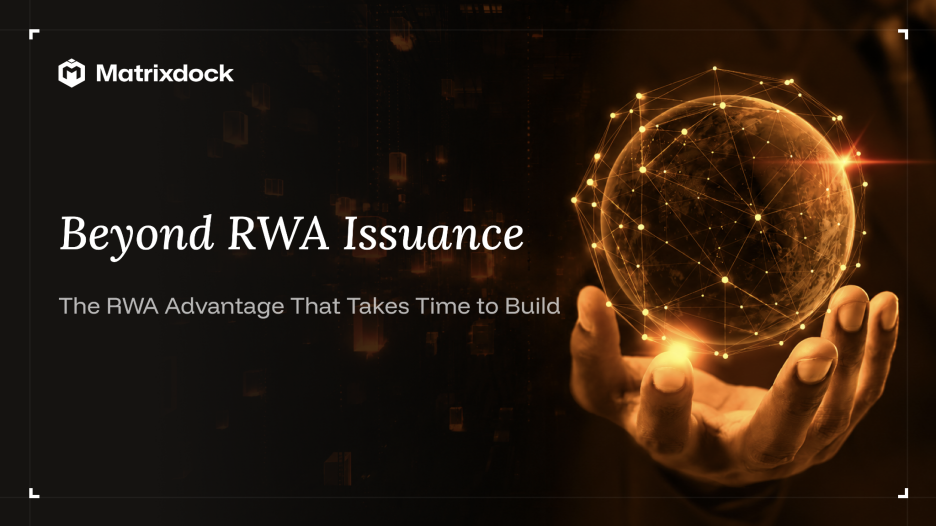
RWA Tokenization Enters the Next Phase: What is the Truly Time-Consuming Advantage to Build?

The article argues that as tokenization frameworks for Real-World Assets (RWA) mature, the ability to issue assets is becoming less of a competitive advantage. The focus is shifting to what happens *after* issuance: which RWA operations can build enduring trust, maintain stable operations, and remain integrated into the financial ecosystem over the long term. The piece introduces the concept of a **Reserve Layer**—infrastructure that connects tokenized assets to the necessary verification, liquidity, and operational systems for on-chain finance. For an asset to serve as a reliable reserve (e.g., short-term U.S. Treasuries, gold), it needs predictable value, standardized features, deep markets, and observable pricing. However, the true, hard-to-replicate advantage lies not just in the underlying asset but in the **operational track record** built over time. This includes consistent reserve management, independent audits, successful redemptions, maintained liquidity, and protocol integrations. Each successful operation adds evidence, creating a reinforcing cycle: more evidence builds stronger institutional confidence, leading to wider distribution, deeper liquidity, and more use cases as collateral. The article presents a framework combining two dimensions: an asset's suitability as a reserve and the issuer's operational capability. The most sustainable model combines **high-quality reserve assets with strong, long-term operational discipline**. A critical blind spot is an asset with high reserve suitability (like gold) issued by an entity with a limited operational track record; the quality of the infrastructure is separate from the quality of the asset itself. In conclusion, the next phase of RWA will be defined by participants who can pair appropriate reserve assets with the operational rigor to support them through market cycles, thereby transforming tokenized RWAs into durable financial infrastructure.

marsbitHá 33m

RWA Tokenization Enters the Next Phase: What is the Truly Time-Consuming Advantage to Build?

marsbitHá 33m

Trading

Spot
活动图片