历史级逼空,历史级价格,白银飙涨,重回“亨特兄弟逼仓”价格

深潮Publicado em 2025-10-13Última atualização em 2025-10-14

一场历史性的逼空正在席卷白银市场。

作者:叶桢

一场历史性的逼空正在席卷伦敦白银市场,严重的现货短缺已将白银价格推升至前所未有的高度,突破了1980年亨特兄弟试图操纵市场时创下的纪录。

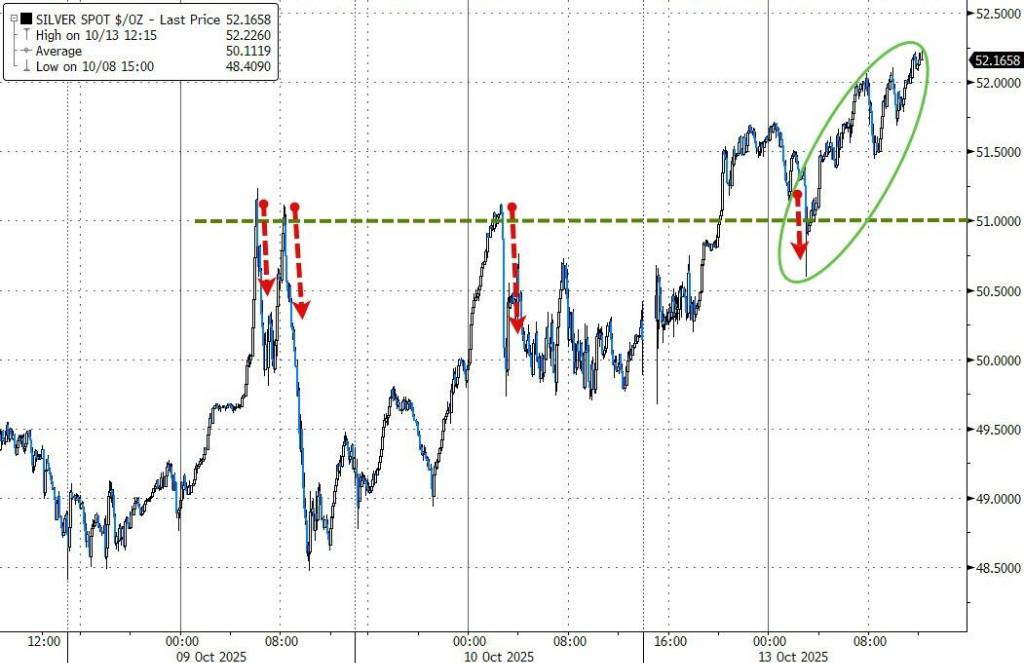
据彭博数据,伦敦现货白银价格一度上涨0.4%,触及每盎司52.5868美元的历史新高。这一价格超越了1980年1月在芝加哥期货交易所(现已不存在的合约)创下的52.50美元高点,当时德州亿万富翁亨特兄弟试图通过囤积白银来垄断市场。
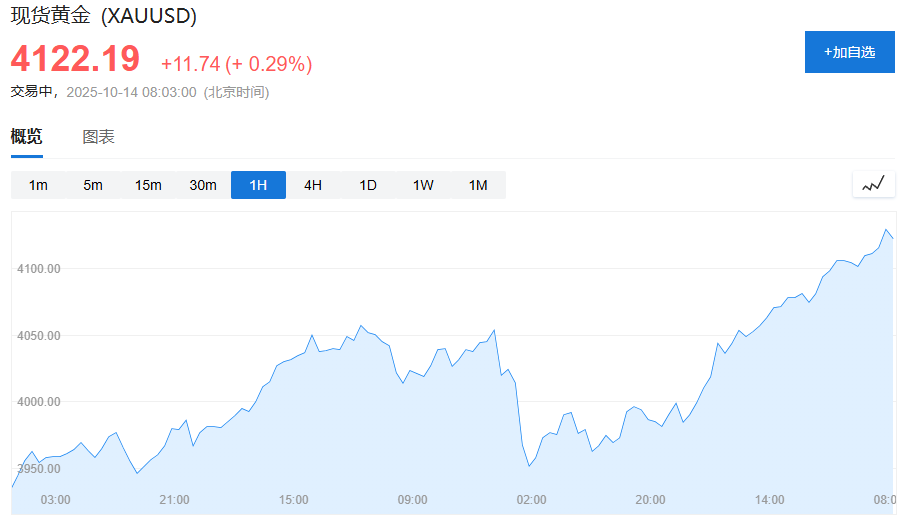
在白银的带动下,现货黄金也攀升至每盎司4150美元,再创历史新高。
华尔街见闻此前提及,在强劲的避险需求、印度买盘激增以及对美国潜在关税的担忧等多重因素叠加下,伦敦白银库存被迅速抽干,这一流动性危机已引发全球范围内的抢白银热潮。

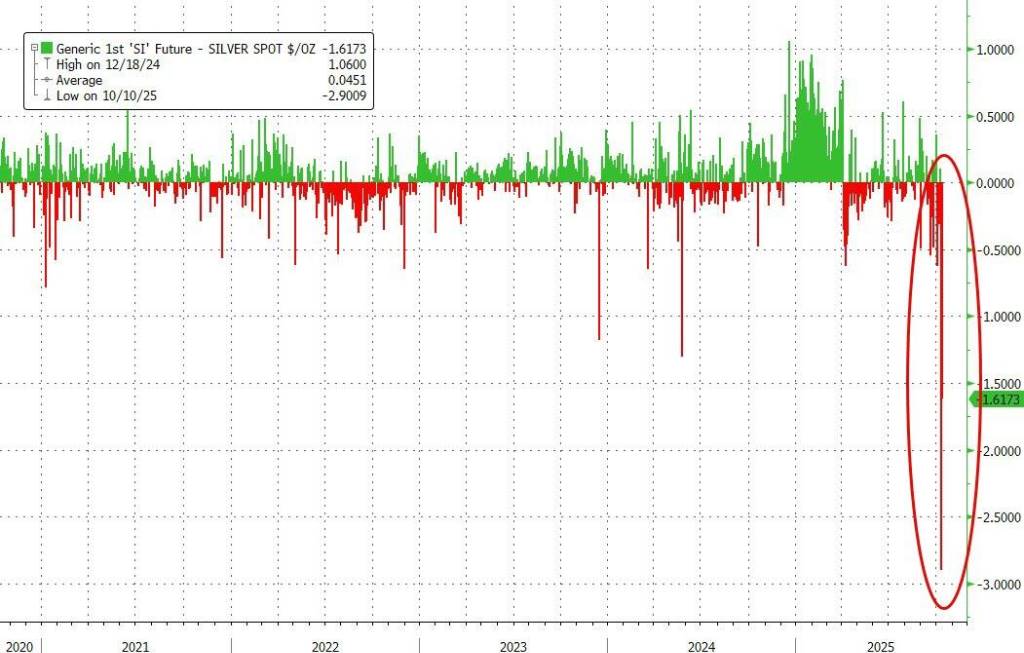
伦敦现货价格一度比纽约期货价格高出3美元,这种史无前例的溢价促使交易员们采取了极端措施——包下跨大西洋航班的货舱空运银锭,这种昂贵的操作通常只用于运输黄金。尽管溢价在周二早盘回落至约1.55美元,但市场紧张情绪丝毫未减。
 

伦敦流动性告急,借贷成本飙升

伦敦白银市场的流动性几乎完全枯竭,持有空头头寸的交易商正面临巨大压力。由于难以在市场上找到可供交割的实物白银,他们被迫支付高昂的展期成本。数据显示,伦敦白银的一个月租赁利率(即借入白银的成本)已飙升至30%以上,而隔夜借贷成本的年化利率甚至一度超过100%。
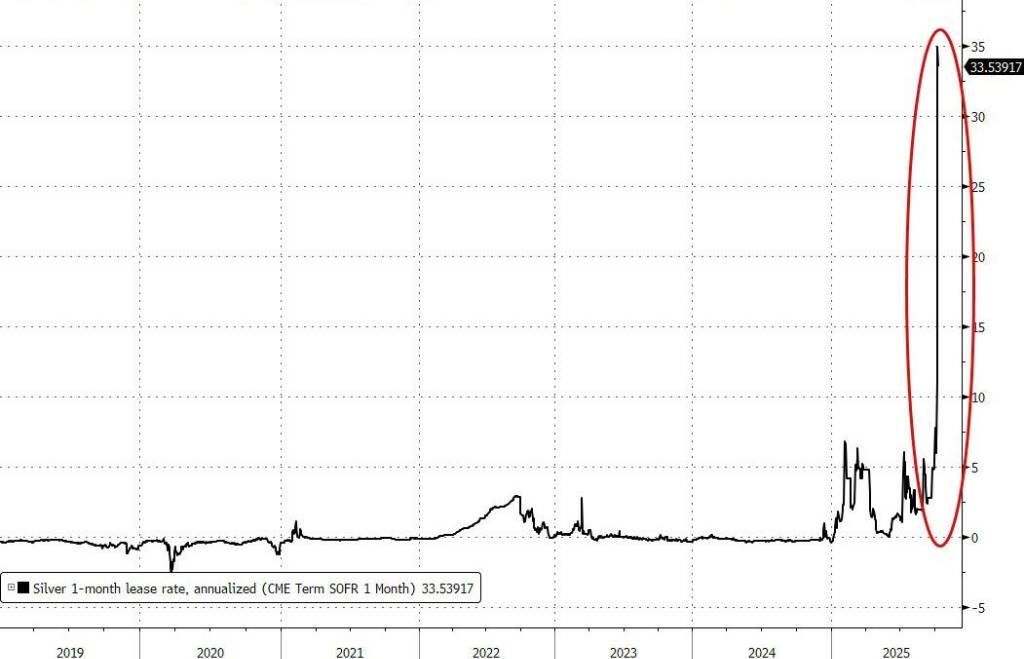
“我此前从未见过如此情形,”Greenland Investment Management首席投资官Anant Jatia表示,“我们在白银市场看到的完全前所未有,目前市场上几乎没有任何流动性。”

流动性的极度匮乏,正源于伦敦金库中可供交易的白银库存急剧减少。据彭博数据,自2019年中以来,伦敦市场可自由流通的白银库存已从约8.5亿盎司骤降75%至仅2亿盎司左右。前摩根大通董事总经理、贵金属交易员Robert Gottlieb指出:“银行不愿相互报价,因此报价差价变得极其宽泛。这造成了巨大的流动性不足。”

这一轮逼仓而是多重力量叠加的结果。

首先,在全球经济不确定性背景下,投资者为对冲美国债务风险、财政僵局及货币贬值风险,大举涌入黄金和白银等避险资产。其次,近几周印度需求的意外激增,进一步抽干了伦敦本已紧张的库存。此外,市场对美国政府可能依据“232条款”对包括白银在内的关键矿产征收关税的担忧,也导致部分金属被提前运出市场,加剧了供应紧张。伦敦金银市场协会(LBMA)已发表声明,称正在“积极监控形势”。

高盛预警剧烈调整

面对历史性的价格,市场机构对白银后市的看法出现分歧。美国银行分析师将2026年底的白银目标价从每盎司44美元上调至65美元,理由是市场持续的供应短缺、高企的财政赤字以及较低的利率环境。

然而,高盛则发出警告,认为本轮涨势主要由伦敦市场的实物紧张驱动,而随着来自中国和美国的大量实物流入,这种紧张局面预计将在未来1-2周内得到缓解,但调整过程将“极其波动”。

高盛分析师在一份报告中写道:“白银市场的流动性更差,规模大约只有黄金的九分之一,这放大了价格波动。在没有央行买盘作为价格锚定的情况下,即使投资流量出现暂时回落,也可能引发不成比例的回调。”

Leituras Relacionadas

Global Long-Term Bonds Break Down: The Fiscal Illusion of the Low-Interest Era is Collapsing

Global long-term bonds are experiencing a widespread breakdown, as the fiscal illusion of the low-interest-rate era collapses. Sovereign yields are hitting multi-year highs in the US, UK, Japan, and France, signaling a market repricing driven by a common reality: unsustainable debt and deficits outpacing economic growth, compounded by renewed inflationary pressures from energy shocks. The direct trigger is the blockade of the Strait of Hormuz, which has pushed oil prices higher and reignited inflation fears. This squeezes central bank policy space, with expectations shifting from future rate cuts to potential hikes. The core "fiscal Ponzi scheme" is becoming evident—governments rely on new debt to service existing obligations, but as growth lags and borrowing costs rise, investors demand higher yields. Key developments include the US 30-year yield surpassing 5% for the first time since 2007, with tepid auction demand; Japan's 30-year yield reaching 4%, threatening its long-standing low-rate financial system; and political paralysis in the UK and France making meaningful fiscal consolidation unlikely. The marginal buyer for US debt is also shifting from foreign central banks to more price-sensitive private investors. While debt managers may adjust issuance, fundamental drivers—deteriorating fiscal paths, persistent inflation, and constrained central banks—remain. The market is conclusively repricing the end of the low-interest-rate financing model for highly indebted developed economies.

marsbitHá 17m

Global Long-Term Bonds Break Down: The Fiscal Illusion of the Low-Interest Era is Collapsing

marsbitHá 17m

Following the KelpDAO Hack: $40 Billion in Assets Flee LayerZero, Chainlink Emerges as the Primary 'Beneficiary'

Following a major security breach in April where KelpDAO's bridge using LayerZero was attacked for approximately $292 million, a significant shift is underway in the cross-chain infrastructure landscape. An estimated $40 billion in assets is in the process of migrating or has already migrated from LayerZero to Chainlink's Cross-Chain Interoperability Protocol (CCIP). The attack exploited a single-point-of-failure vulnerability due to KelpDAO's 1-of-1 validator configuration within the LayerZero network. Attackers corrupted RPC nodes and used DDoS attacks to force the system to rely on compromised nodes, allowing fraudulent messages. While LayerZero acknowledged a serious error in allowing its validator network to service high-value transactions with such a configuration, the incident highlighted critical security risks. This triggered a rapid migration wave. Starting with KelpDAO on May 6th, several major protocols—including Solv Protocol, Re, Tydro, Kraken, and Lombard—announced switching their cross-chain infrastructure exclusively to Chainlink CCIP. The combined value of these migrations is estimated to be around $40 billion. This movement followed earlier major adoptions by Coinbase (in late 2025) and Circle (in early 2024). Market sentiment reflected this shift, with LINK's price showing relative stability while ZRO (LayerZero's token) declined significantly. Data indicates a net outflow of approximately $20.1 billion from the LayerZero network over 30 days. The migration is largely driven by perceived security differences. Chainlink CCIP employs a decentralized oracle network as its default consensus layer, featuring multiple independent node operators, a separate Risk Management Network, and built-in safeguards like rate limits. In contrast, LayerZero's highly modular architecture offers flexibility but places more responsibility on application developers to configure security settings, a risk underscored by the KelpDAO incident. LayerZero has since apologized for its communication handling post-attack and stated the protocol itself was not compromised, but rather its Labs DVN's internal RPC was poisoned. An official post-mortem report with external security partners is forthcoming.

marsbitHá 1h

Following the KelpDAO Hack: $40 Billion in Assets Flee LayerZero, Chainlink Emerges as the Primary 'Beneficiary'

marsbitHá 1h

Trading

Spot
Futuros
活动图片