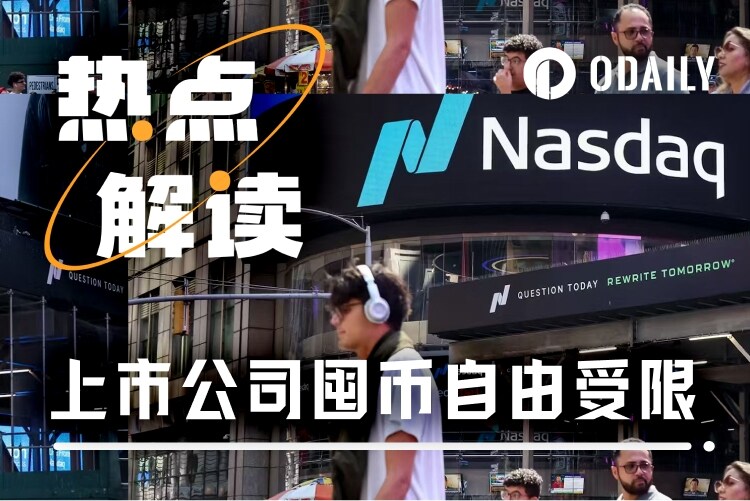
从狂飙到规范,美国监管机构开始给上市公司“加密热”降温

Odaily星球日报Publicado em 2025-09-08Última atualização em 2025-09-08

原创|Odaily 星球日报(@OdailyChina

作者|Wenser(@wenser 2010

在经历了近 3 个月的狂飙突进之后,美国囤币上市公司正面临新一轮监管压力:

纳斯达克正加强对加密货币持仓公司相关审查;美 SEC 于 9 月 5 日宣布成立跨境特别工作组,以加强识别和打击损害美国投资者的跨境欺诈行为;反洗钱金融行动特别工作组(FATF)主席亦表示,由于罪犯正越来越多地利用加密货币在跨境转移资金,各国必须更加透明地披露空壳公司所有者。

种种迹象表明,美国监管机构正在加强对持有大量加密货币的上市公司及涉嫌洗钱的高风险企业的执法力度。Odaily 星球日报本文将汇总相关信息,并分析该趋势对加密市场的潜在影响。

纳斯达克政策收紧上市公司囤币窗口,ETH 储备公司 Top 2 巨头称免受影响

据 TheInformation 报道,知情人士称纳斯达克正对试图通过筹集资金购买和囤积加密货币来推高股价的上市公司加强审查,这一举措或将影响加密市场狂热行情。作为加密美股的重要战地,纳斯达克要求部分公司在发行新股购买加密货币之前须获得股东批准。

对此,ETH 储备公司 2 大巨头 Bitmine、Sharplink 给出了不同回应,而共同态度反映了同一信息:即现阶段公司囤币策略并不受纳斯达克政策影响。

BitMine mmersion Technologies 表示该公司已在纽交所旗下 NYSE American 上市(而非纳斯达克交易所),可以通过现有的搁置登记发行股票,无需股东批准。现行 ATM 融资计划仍然是已注册的合法公开交易且不需要股东批准即可继续,因此不受纳斯达克对上市公司在发行新股购买加密货币之前必须获得股东批准要求的约束。

SharpLink 官方回应称,公司完全符合纳斯达克相关规则,若实施 ATM 融资计划以购入 ETH,无需再获得股东批准。SharpLink 强调,战略保持不变,仅在资本能为股东创造价值时才会筹资,并承诺严格遵守合规与透明要求,确保所有交易符合纳斯达克规定及行业惯例。

简言之,Bitmine 通过不在纳斯达克上市避开现阶段的监管要求;SharpLink 则强调 ATM 融资属于通过市场价格公开出售股票,董事会批准即可,无需股东批准,而受影响的公司则是后续的 DAT(Digital Asset Treasury)上市公司。

股票交易所之外,美国 SEC 也不甘示弱,在与美 CFTC 发起联合声明鼓励加密货币行业创新发展的同时,将打击对象瞄准了股票证券相关的跨境欺诈行为。

美 SEC 成立跨境特别工作组,致力于打击市场操纵等跨境欺诈行为

9 月 5 日,美 SEC 宣布成立跨境特别工作组,以加强执法部门在识别和打击损害美国投资者的跨境欺诈行为方面的工作。

据悉,该工作组将优先调查境外公司涉嫌违反美国证券法的行为,包括“拉高出货”(pump-and-dump)和“虚涨出货”(ramp-and-dump)等潜在市场操纵行为。同时,还将重点关注帮助这些公司进入美国资本市场的“守门人”,特别是审计机构和承销商。该工作组还将审查来自包括中国在内的部分司法管辖区公司的潜在证券违法行为,因为这些国家的政府控制和其他因素对投资者构成独特风险。

美 SEC 主席 Paul S. Atkins 表示,欢迎全球公司进入美国资本市场,但不会容忍任何公司、中介机构、守门人或交易者利用国际边界逃避美国投资者保护。

跨境特别工作组执法部门主管 Margaret A. Ryan 表示,跨境特别工作组将整合资源和专业知识,打击国际市场操纵和欺诈行为,切实保护美国投资者。

看得出来,尽管与持有加密货币的上市公司没有直接联系,但打击市场操作等行为的目的,在于将资本流动性圈定于美股市场,而非借助加密货币实现资金外流。

结合此前国际反洗钱金融行动特别工作组(FATF)主席提及“罪犯正越来越多地利用加密货币在跨境转移资金”,各国必须更加透明地披露空壳公司所有者的消息,种种迹象表明,监管机构正在草蛇灰线般地对借壳上市的加密货币储备公司进行严格审视,并为后续的强力监管做出准备。

上市公司买币自由受限影响:短期利空,长期利多

综合现有信息来看,上市公司囤币行为或将受到美国监管部门的更多审视,一方面,此举为避免干扰股票市场正常交易秩序,保护普通投资者;另一方面,此举或为对洗钱、价格操纵、股票欺诈行为做出一定限制。

而对加密市场来看,此举短期内或影响上市公司买币囤积的频率与规模,虽然对已具备一定先发优势的巨头公司来说影响不大,但对于募资对象来说,其市梦率以及监管风险无疑将受到影响。

但长期来看,监管机构对上市公司囤币行为做出一定限制和监管,将有利于加密市场后续包括 BTC、ETH、SOL 等主流代币的持续购入。一方面,监管机构将有效剔除并无对应资金实力的借壳上市公司短期内借助投机炒作哄抬股价;另一方面,符合对应监管资格和具备一定资金实力的上市公司能够以更为符合市场现状的频率持续买入相关加密货币,并在一定时期内长持相关代币,客观上减少了部分加密货币的流通量,以此助推加密货币市场市值的增长以及加密货币的价格上涨。

最新消息显示,SOL Strategies 已获准于 9 月 9 日在美国纳斯达克上市,股票代码为 STKE,在监管窗口收紧的当下,该只股票或将成为近期“加密概念股”市场接受度及认可度的“试金石”。原创|Odaily 星球日报(@OdailyChina

作者|Wenser(@wenser 2010

在经历了近 3 个月的狂飙突进之后,美国囤币上市公司正面临新一轮监管压力:

纳斯达克正加强对加密货币持仓公司相关审查;美 SEC 于 9 月 5 日宣布成立跨境特别工作组,以加强识别和打击损害美国投资者的跨境欺诈行为;反洗钱金融行动特别工作组(FATF)主席亦表示,由于罪犯正越来越多地利用加密货币在跨境转移资金,各国必须更加透明地披露空壳公司所有者。

种种迹象表明,美国监管机构正在加强对持有大量加密货币的上市公司及涉嫌洗钱的高风险企业的执法力度。Odaily 星球日报本文将汇总相关信息,并分析该趋势对加密市场的潜在影响。

纳斯达克政策收紧上市公司囤币窗口,ETH 储备公司 Top 2 巨头称免受影响

据 TheInformation 报道,知情人士称纳斯达克正对试图通过筹集资金购买和囤积加密货币来推高股价的上市公司加强审查,这一举措或将影响加密市场狂热行情。作为加密美股的重要战地,纳斯达克要求部分公司在发行新股购买加密货币之前须获得股东批准。

对此,ETH 储备公司 2 大巨头 Bitmine、Sharplink 给出了不同回应,而共同态度反映了同一信息:即现阶段公司囤币策略并不受纳斯达克政策影响。

BitMine mmersion Technologies 表示该公司已在纽交所旗下 NYSE American 上市(而非纳斯达克交易所),可以通过现有的搁置登记发行股票,无需股东批准。现行 ATM 融资计划仍然是已注册的合法公开交易且不需要股东批准即可继续,因此不受纳斯达克对上市公司在发行新股购买加密货币之前必须获得股东批准要求的约束。

SharpLink 官方回应称,公司完全符合纳斯达克相关规则,若实施 ATM 融资计划以购入 ETH,无需再获得股东批准。SharpLink 强调,战略保持不变,仅在资本能为股东创造价值时才会筹资,并承诺严格遵守合规与透明要求,确保所有交易符合纳斯达克规定及行业惯例。

简言之,Bitmine 通过不在纳斯达克上市避开现阶段的监管要求;SharpLink 则强调 ATM 融资属于通过市场价格公开出售股票,董事会批准即可,无需股东批准,而受影响的公司则是后续的 DAT(Digital Asset Treasury)上市公司。

股票交易所之外,美国 SEC 也不甘示弱,在与美 CFTC 发起联合声明鼓励加密货币行业创新发展的同时,将打击对象瞄准了股票证券相关的跨境欺诈行为。

美 SEC 成立跨境特别工作组,致力于打击市场操纵等跨境欺诈行为

9 月 5 日,美 SEC 宣布成立跨境特别工作组,以加强执法部门在识别和打击损害美国投资者的跨境欺诈行为方面的工作。

据悉,该工作组将优先调查境外公司涉嫌违反美国证券法的行为,包括“拉高出货”(pump-and-dump)和“虚涨出货”(ramp-and-dump)等潜在市场操纵行为。同时,还将重点关注帮助这些公司进入美国资本市场的“守门人”,特别是审计机构和承销商。该工作组还将审查来自包括中国在内的部分司法管辖区公司的潜在证券违法行为,因为这些国家的政府控制和其他因素对投资者构成独特风险。

美 SEC 主席 Paul S. Atkins 表示,欢迎全球公司进入美国资本市场,但不会容忍任何公司、中介机构、守门人或交易者利用国际边界逃避美国投资者保护。

跨境特别工作组执法部门主管 Margaret A. Ryan 表示,跨境特别工作组将整合资源和专业知识,打击国际市场操纵和欺诈行为,切实保护美国投资者。

看得出来,尽管与持有加密货币的上市公司没有直接联系,但打击市场操作等行为的目的,在于将资本流动性圈定于美股市场,而非借助加密货币实现资金外流。

结合此前国际反洗钱金融行动特别工作组(FATF)主席提及“罪犯正越来越多地利用加密货币在跨境转移资金”,各国必须更加透明地披露空壳公司所有者的消息,种种迹象表明,监管机构正在草蛇灰线般地对借壳上市的加密货币储备公司进行严格审视,并为后续的强力监管做出准备。

上市公司买币自由受限影响:短期利空,长期利多

综合现有信息来看,上市公司囤币行为或将受到美国监管部门的更多审视,一方面,此举为避免干扰股票市场正常交易秩序,保护普通投资者;另一方面,此举或为对洗钱、价格操纵、股票欺诈行为做出一定限制。

而对加密市场来看,此举短期内或影响上市公司买币囤积的频率与规模,虽然对已具备一定先发优势的巨头公司来说影响不大,但对于募资对象来说,其市梦率以及监管风险无疑将受到影响。

但长期来看,监管机构对上市公司囤币行为做出一定限制和监管,将有利于加密市场后续包括 BTC、ETH、SOL 等主流代币的持续购入。一方面,监管机构将有效剔除并无对应资金实力的借壳上市公司短期内借助投机炒作哄抬股价;另一方面,符合对应监管资格和具备一定资金实力的上市公司能够以更为符合市场现状的频率持续买入相关加密货币,并在一定时期内长持相关代币,客观上减少了部分加密货币的流通量,以此助推加密货币市场市值的增长以及加密货币的价格上涨。

最新消息显示,SOL Strategies 已获准于 9 月 9 日在美国纳斯达克上市,股票代码为 STKE,在监管窗口收紧的当下,该只股票或将成为近期“加密概念股”市场接受度及认可度的“试金石”。

Leituras Relacionadas

BONK Crypto Treasury Company Has Only $2.14 Million Cash Left, 70% of Revenue Comes from Founder's Own Platform

BONK Inc. (BNKK), the NASDAQ-listed company associated with the Solana meme coin BONK, reported stark financials for the first half of the year. While revenue skyrocketed 6,218% year-over-year to $5.5 million, the company posted a net loss of $7.88 million and its cash reserves plummeted to just $214,000. Its auditors issued a "going concern" warning, citing cumulative losses of $191.4 million, negative operating cash flow, and critically low liquidity. A critical detail is that $3.92 million, or 71%, of its revenue came from an "affiliate revenue share" with LetsBonk.fun, a meme coin launchpad. This platform is linked to founder Mitchell Rudy, whose entity, Lucky Dog Holdings, beneficially owns approximately 40.2% of common stock and all C Series preferred shares. These preferred shares grant the holder the right to elect half of the company's board. The company's financial structure is further intertwined with Rudy; it sold $50 million worth of stock to his entities, accepting payment in BONK tokens. Fluctuations in the value of these and other held digital assets led to an $8.17 million unrealized loss, the primary driver of the net loss. With operating cash outflows of $4.17 million for the half-year, the remaining cash covers roughly nine days of operations at the current burn rate, highlighting severe financial strain despite top-line growth.

marsbitHá 3m

BONK Crypto Treasury Company Has Only $2.14 Million Cash Left, 70% of Revenue Comes from Founder's Own Platform

marsbitHá 3m

CryptoQuant Noted a Signal of a Bitcoin Reversal

CryptoQuant has highlighted a potential reversal signal for Bitcoin, suggesting the bearish phase might be nearing its end as on-chain metrics show initial signs of spot demand recovery. Their analysis indicates that the 30-day spot demand metric has recovered from -206,000 BTC in late July to approximately -5,000, close to turning positive for the first time since February 2026. Historically, such a reversal has been followed by a median 60-day price gain of 18.1%, with a win rate of 78% (increasing to 87% when valuations are depressed). However, they caution that this is a favorable sign, not a guarantee. Analysts from Bitfinex Alpha note that two of three conditions for a sustainable Bitcoin recovery are already met: improved Federal Reserve rate expectations and relatively accommodative financial conditions, thanks to easing inflation and reduced odds of a near-term rate hike. The missing third catalyst is a capital rotation from traditional markets (like stocks and AI infrastructure) into cryptocurrencies. If this occurs, Bitcoin could reclaim $70,000. Conversely, continued negative flows might see support tested around $57,000. Current headwinds include significant weekly outflows from US spot Bitcoin ETFs (roughly $385 million) and reduced stablecoin supply. Wintermute offers a more cautious outlook, pointing to the same large ETF outflows and ongoing miner selling pressure. They note that Bitcoin has failed to rally despite the improved Fed outlook, which is typically bullish for risk assets. As an example, they cite miner Riot Platforms, which sold a substantial portion of its Bitcoin reserves in Q2 as its mining cost (~$91,000 per BTC) remains far above the current market price, forcing sales for liquidity. This combination of ETF outflows and miner selling is suppressing new demand.

cryptonews.ruHá 4m

CryptoQuant Noted a Signal of a Bitcoin Reversal

cryptonews.ruHá 4m

Is a Strong Ruble Good? Not for the Budget: Treasury Already Short 1.5 Trillion

The Russian budget has lost about 1.5 trillion rubles in revenue since the start of 2026 due to the ruble being stronger than the government's planned exchange rate. The budget was based on an average annual rate of 92.2 rubles per US dollar, but the actual average for the first seven and a half months was just 76.9 rubles. This discrepancy creates a significant shortfall, as every ruble of appreciation against the dollar reduces annual budget revenues by 140–160 billion rubles. When accounting for oil and gas revenues, the sensitivity is even higher, with potential annual losses reaching up to 2.5 trillion rubles. So far this year, the budget has already missed out on roughly 1.7 trillion rubles. The ruble's exchange rate has shown considerable volatility in 2026, ranging from a low near 71 rubles per dollar in May to over 85 rubles by mid-August. Despite this recent weakening, the year's average remains well below the budget target, creating a structural deficit in oil and gas revenues. Forecasts suggest the final average rate for 2026 will be around 80–82 rubles, which would result in a budget shortfall of about 1.6 trillion rubles. A strong ruble reduces import costs and inflation but also cuts the ruble earnings of exporters and threatens the funding of social obligations. The gap between the planned and actual rate is attributed not only to oil price dynamics but also to the fiscal rule mechanism, which can influence the currency's direction. The Ministry of Finance recently halted foreign currency sales under this rule, removing dollar supply from the market and contributing to pressure on the exchange rate. The budget policy is now forced to adapt to a stronger ruble than originally planned.

cryptonews.ruHá 6m

Is a Strong Ruble Good? Not for the Budget: Treasury Already Short 1.5 Trillion

cryptonews.ruHá 6m

Robinhood CEO: The Tokenization Wave of U.S. Stocks is Coming, America Must Not Be Left Behind

We are at the early stage of a global supercycle for asset tokenization, a transformative force reshaping finance. Robinhood has actively expanded this frontier outside the US, recently launching Robinhood Chain, a public EVM chain designed for Real World Assets (RWA) and focused on stock tokens. It enables global users to access over 190 US stocks backed 1:1 by underlying securities. However, a key gap remains: these tokenized stocks are not yet available within the United States itself. In the US, the debate around stock tokenization centers on its practical value, given existing low-cost access to equities. Critics question the need, but this misses the core innovation: tokenizing premium financial assets to make them portable, programmable, self-custodied, and tradable 24/7 within an open financial ecosystem. This is more than moving stocks onto a blockchain; it's rebuilding the foundational infrastructure of asset ownership. For US investors, this new infrastructure offers three core advantages: 1. **Real-time clearing and settlement**, enhancing market resilience by eliminating the systemic risks and capital burdens inherent in the traditional T+2/T+1 settlement cycle, as starkly revealed during events like the GameStop volatility. 2. **Native 24/7 trading capability**, allowing all investors to manage risk and react to global news outside standard market hours, a tool previously largely accessible only to institutions. 3. **Greater user control and portability of assets**, enabling instant transfers between platforms and into DeFi. This self-custody model fosters competition among service providers and unlocks new use cases like lending and using tokens as collateral. Realizing these benefits in the US requires more than technology; it necessitates modernizing a century-old securities regulatory framework built for legacy infrastructure. Policymakers must act swiftly to adapt rules for this new paradigm while preserving investor protections. Other jurisdictions are advancing, and the US risks being left behind in shaping the future of asset ownership—a future largely built around American assets and innovation. Tokenizing publicly traded stocks is just the beginning, paving the way for broadening access to other asset classes like private equity. US investors deserve to participate in this innovation.

marsbitHá 41m

Robinhood CEO: The Tokenization Wave of U.S. Stocks is Coming, America Must Not Be Left Behind

marsbitHá 41m

Trading

Spot
活动图片