Crypto Platforms Hit Hard: South Korea Blocks Lending Services

bitcoinistPublicado em 2025-08-19Última atualização em 2025-08-20

Resumo

South Korea’s financial regulator has ordered a stop to all crypto lending on local exchanges, saying the fast-growing products lack...

Trusted Editorial content, reviewed by leading industry experts and seasoned editors. Ad Disclosure

South Korea’s financial regulator has ordered a stop to all crypto lending on local exchanges, saying the fast-growing products lack proper rules and pose risks.

The Financial Services Commission (FSC) issued administrative guidance that takes effect immediately and will stay in place until new lending rules are written.

Regulator Moves To Halt Crypto Lending

According to the FSC, exchanges must suspend services that let users borrow against crypto or fiat deposits. Existing loans are not being wiped out; borrowers can still repay or extend under current contracts.

Reports say the order is an administrative step, not a criminal ban, but platforms that ignore it may face on-site inspections from authorities.

Rapid Uptake And Big Numbers

Based on reports, lending offerings exploded after early July. Upbit launched a program letting customers borrow up to 80% of the value of their deposits, using USDT, Bitcoin and XRP as collateral.

Rival Bithumb offered loans worth up to four times a customer’s holdings, and other local platforms quickly followed.

One company’s first month drew roughly 27,600 investors who borrowed about 1.5 trillion won ($1.1 billion), according to the regulator. Market swings pushed about 13% of those borrowers into liquidation, the FSC added.

BTCUSD trading at $115,564 on the 24-hour chart: TradingView

Liquidations And Stablecoin Strain

Reports have disclosed an unusual sell-off in USDT tied to the lending push, and that move briefly disturbed stablecoin pricing on some Korean platforms.

Forced liquidations and a sudden rush to sell can magnify losses for ordinary users, which is exactly what alarmed regulators. That mix of heavy borrowing and market stress is what the FSC flagged as a systemic worry.

Exchanges Pivot As Rules Loom

Upbit and Bithumb had already paused lending once in July; Bithumb later resumed under stricter terms before this fresh suspension.

At the same time, industry players are preparing for more regulated business: Dunamu, which runs Upbit, unveiled a custody service that stores assets in cold wallets for corporate and institutional clients.

Reports also point to the ruling party’s Digital Asset Basic Act, a proposal that would formally allow lending services inside exchange operations — but only once rules are set.

Push For Rules While Opening New Doors

Officials say they will move quickly to build a clear rulebook for digital asset lending to protect users and keep markets steady.

South Korea appears to be loosening other curbs: authorities are clearing the way for the country’s first spot crypto ETFs and are working on a won-pegged stablecoin framework.

That shows regulators want to encourage safer forms of crypto access, while trimming riskier retail products.

Featured image from Verdict, chart from TradingView

Editorial Process for bitcoinist is centered on delivering thoroughly researched, accurate, and unbiased content. We uphold strict sourcing standards, and each page undergoes diligent review by our team of top technology experts and seasoned editors. This process ensures the integrity, relevance, and value of our content for our readers.

Christian, a journalist and editor with leadership roles in Philippine and Canadian media, is fueled by his love for writing and cryptocurrency. Off-screen, he's a cook and cinephile who's constantly intrigued by the size of the universe.

Leituras Relacionadas

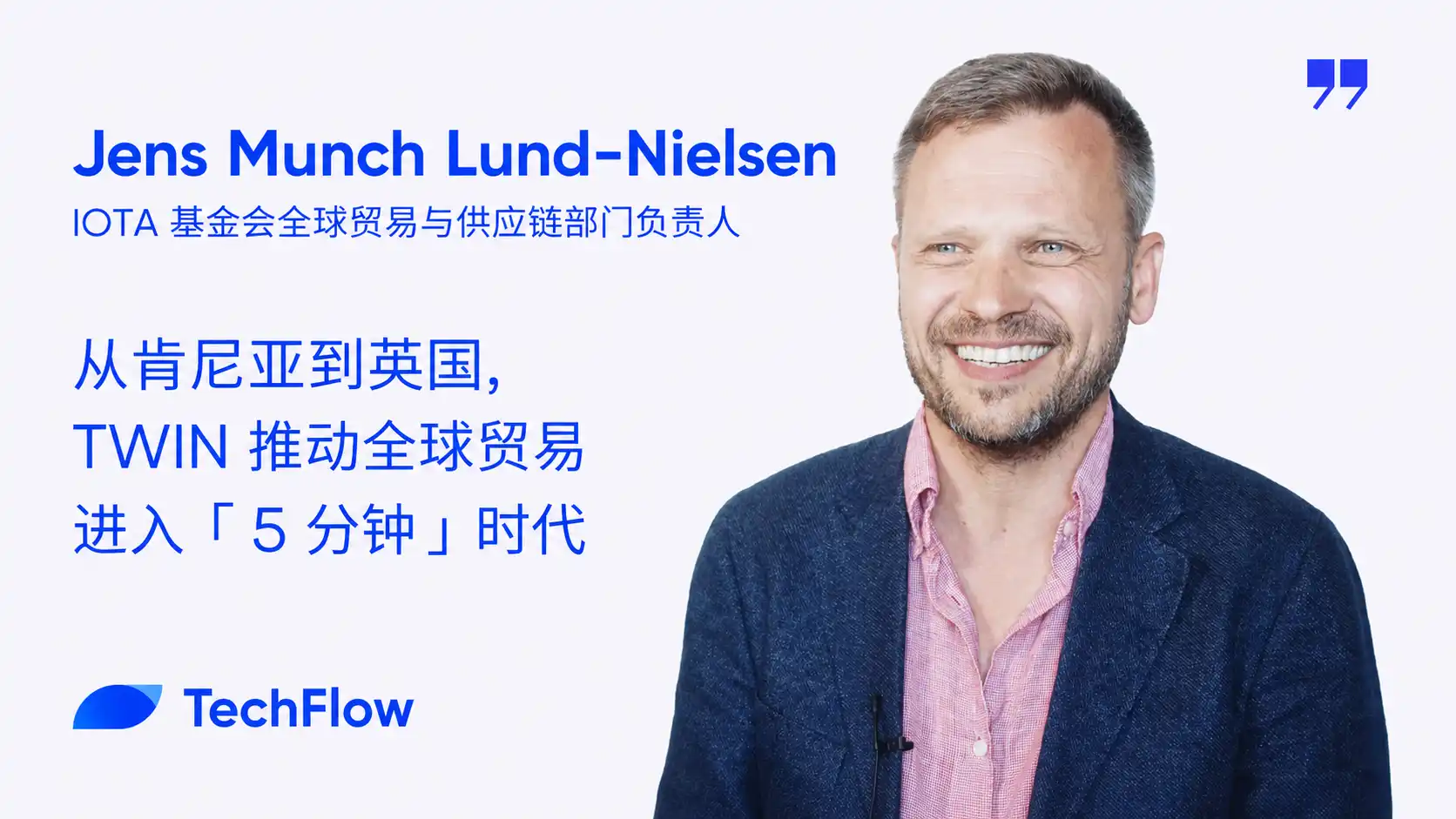
Dialogue with IOTA Foundation's Jens: From Kenya to the UK, TWIN Propels Global Trade into the '5-Minute' Era

**Summary: IOTA's TWIN Project is Speeding Up Global Trade** Jens Munch Lund-Nielsen, Head of Global Trade & Supply Chain at the IOTA Foundation, discusses how the TWIN (Trade and Logistics Information Network) project is addressing long-standing inefficiencies in global trade. Traditionally, cross-border trade involves numerous parties, extensive paperwork, and delays spanning weeks. TWIN, built on IOTA's decentralized, scalable, and low-cost infrastructure, aims to replace this fragmented, paper-based system with a real-time, trusted, and interconnected digital collaboration layer. As a neutral digital public infrastructure, TWIN allows governments, businesses, and ports to exchange verifiable data and documents without ceding control to a single entity. This solves a core coordination problem that previous, proprietary platforms failed to address due to a lack of trust and neutrality. Key real-world implementations include: * **TLIP in East Africa:** Reduced document retrieval times for flower, coffee, and tea exports from 6-7 hours to ~30 minutes, cutting administrative work by 50-60%. * **UK Ecosystem of Trust Trials:** Provided border agencies with much earlier visibility (up to 20+ hours) of incoming chilled poultry shipments from Poland, enabling better resource planning. * Other pilots focus on supply chain traceability for fruits/vegetables, port efficiency, and critical mineral sourcing. TWIN ensures interoperability across jurisdictions by adopting global standards (e.g., UN/CEFACT data models), leveraging decentralized identity systems (DIDs), and supporting legal frameworks like MLETR. Looking ahead, Jens is optimistic that a trusted "connective layer" like TWIN will scale in the coming years. Its success could fundamentally transform global trade, most notably by helping to close the current $2.5 trillion trade finance gap. By providing lenders with access to verifiable, real-time supply chain data, TWIN could unlock capital and reshape how businesses discover partners and secure financing.

marsbitHá 20m

Dialogue with IOTA Foundation's Jens: From Kenya to the UK, TWIN Propels Global Trade into the '5-Minute' Era

marsbitHá 20m

Trading

Spot
活动图片