Популярная американская сеть магазинов Sheetz предлагает скидку 50% при оплате криптовалютой

cryptonews.ruPublicado em 2025-08-23Última atualização em 2025-08-23

  • Sheetz запускает акцию «Crypto Crave & Save», предлагающую скидку 50% на покупки, оплаченные криптовалютой.
  • Flexa обеспечивает бесперебойные транзакции криптовалют в фиатные валюты в более чем 750 точках.
  • Другие бренды, такие как Steak ‘n Shake, также сокращают расходы, используя платежи в биткоинах.

Если вы искали повод потратить криптовалюту, американская сеть магазинов шаговой доступности Sheetz только что дала вам отличный повод. Этот ритейлер, поддерживающий криптовалюту, объявил о скидке 50% на все покупки, совершённые за цифровые активы через сеть Flexa.

Акция, которую компания называет «Crypto Crave & Save», призвана стимулировать больше реальных покупок криптовалют и проводится каждый день с 15:00 до 19:00 в участвующих заведениях.

Sheetz принимает криптовалютные платежи с 2021 года

Sheetz — один из самых продвинутых ритейлеров в США, использующих криптовалюту. Компания запускает новую акцию со скидками в участвующих точках продаж и упростила для покупателей оплату криптовалютой с помощью Flexa при оформлении заказа.

Это решение стало продолжением предыдущих успехов Sheetz в сфере криптовалют. В 2021 году Sheetz стала одной из первых крупных сетей магазинов шаговой доступности в США, принимающих платежи в биткоинах. К ноябрю 2024 года компания расширила сотрудничество с Flexa, обеспечив поддержку платежей в криптовалюте и стейблкоинах в более чем 750 точках продаж.

Как это работает? Соединение Flexa

Flexa, поставщик цифровых платежей, играет ключевую роль в этом процессе. Его платформа мгновенно конвертирует криптовалюты в фиатные валюты в точке продажи, устраняя проблемы волатильности цен для таких продавцов, как Sheetz.

Flexa поддерживает широкий спектр криптовалют, включая BTC, ETH и USDC. Соучредитель Flexa Тревор Фильтр заявил, что компания видит растущий спрос на использование стейблкоинов, и похвалил Sheetz за то, что он остаётся «в авангарде платёжных инноваций».

Другие крупные бренды присоединяются

Sheetz — не единственный известный бренд, использующий криптовалютные платежи в США. Steak ‘n Shake, известный американский бренд быстрого питания, начал принимать биткоины через Lightning Network в мае 2025 года, даже за пределами США. Компания сообщила, что экономит до 50% на обработке платежей по сравнению с традиционными системами оплаты кредитными картами.

Благодаря таким брендам, как Sheetz и Steak ‘n Shake, криптовалютные платежи набирают популярность в обычной торговле, особенно с учетом того, что стейблкоины и технологии второго уровня снижают сложности при оформлении заказов.

Точки доступа к криптовалюте и рост розничной торговли в США

Расширение Sheetz согласуется с данными отчета Andreessen Horowitz «Состояние криптовалюты в 2024 году», в котором подчеркивается рост криптовалютной активности в таких штатах, как Пенсильвания и Мичиган, которые являются ключевыми рынками Sheetz.
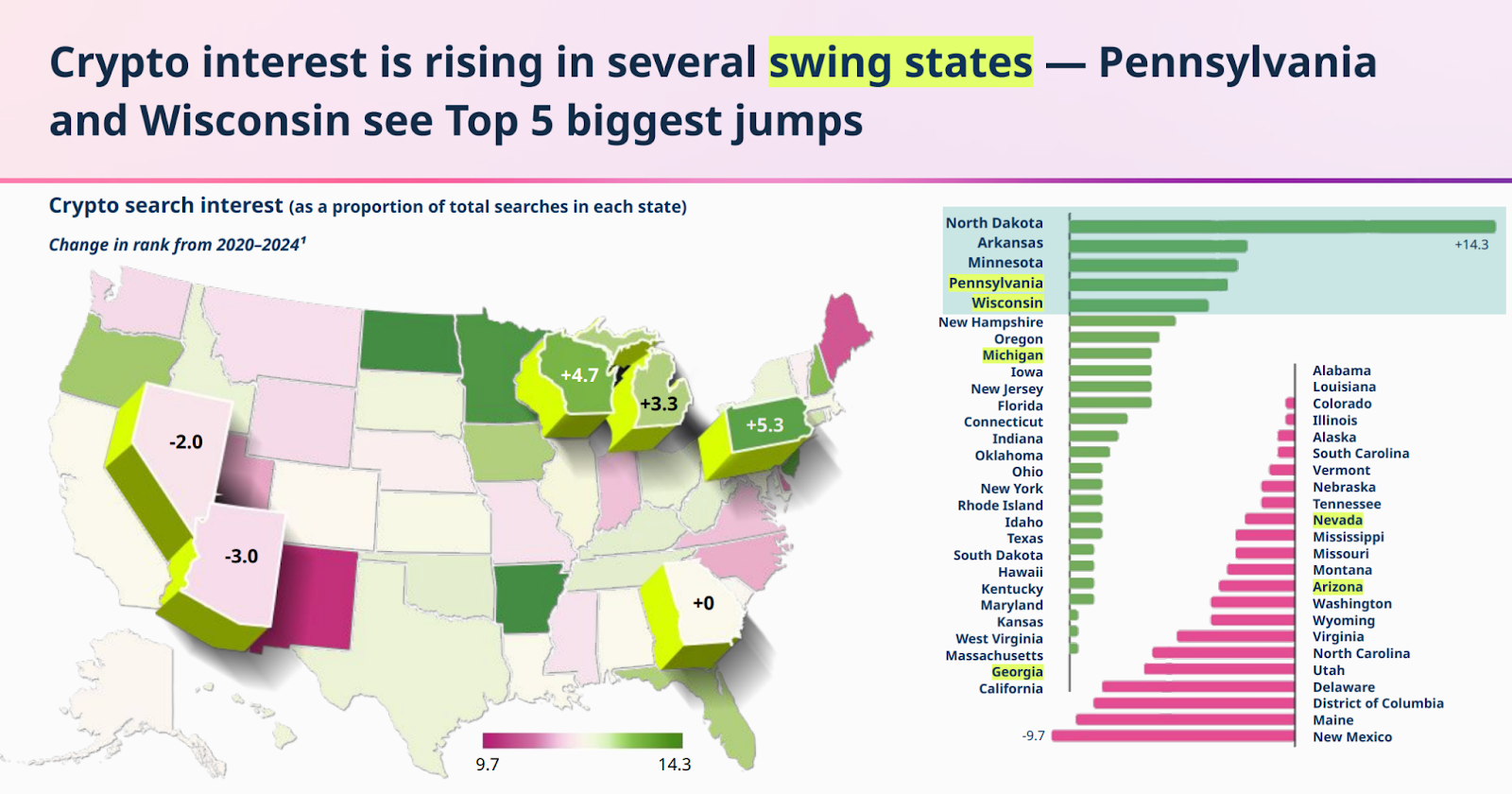
В отчете также говорится, что более 40 миллионов американцев в настоящее время владеют криптовалютой, что указывает на растущую готовность потребителей к цифровым платежам.
Leituras Relacionadas

Upbit is Anxious: A Hasty Counterattack Aimed at Regaining Stablecoin Market Share

Title: Upbit's Rushed Counterattack to Reclaim Stablecoin Market Share Facing a dramatic shift in South Korea's stablecoin market, leading exchange Upbit launched a promotional campaign from July 26 to August 9, waiving the 0.05% trading fee for stablecoins paired with the Korean Won (KRW) and rapidly listing new stablecoins like RLUSD and USDG. This move is a direct response to its plummeting market share in this sector. Historically a duopoly with Bithumb, the market has been reshaped since October 2025 when Coinone permanently removed fees for USDC trading. By June 2026, Coinone led with 34.8% of stablecoin volume, followed by Bithumb (31.1%) and Upbit (30.1%). This contrasts sharply with the overall crypto market, where Upbit commands 60%. The data shows stablecoin demand is highly sensitive to fees, as users primarily buy them to transfer capital overseas for derivatives trading or forex arbitrage. South Korean exchanges have seen a net outflow of stablecoins for 18 consecutive months, totaling approximately 14.9 trillion KRW, underscoring their role as a cross-border capital conduit. Upbit's limited-time promotion initially boosted its daily stablecoin volume by 162%, but the surge was almost entirely in USDT (98.1% of volume). The newly listed stablecoins saw negligible, fleeting interest. Furthermore, the promotional effect quickly waned in the second week, with volume dropping 33% on weekdays. A concurrent weakening of the KRW also contributed to the trading spike, independent of the fee waiver. The analysis suggests that once the promotion ends, Upbit is unlikely to retain its temporary gains unless it matches Coinone's permanent zero-fee policy, forcing a choice between market share and fee revenue. Upbit's strategic push may be less about immediate profit and more about preparing for future regulatory shifts. With South Korea's *Digital Asset Basic Act* on the horizon, which will regulate KRW-backed stablecoins, and following Dunamu's (Upbit's parent) integration into Naver Financial to build a payment ecosystem, securing a dominant position in the dollar stablecoin distribution channel holds long-term strategic value. However, potential regulatory conflicts could prevent Upbit from listing a future Naver-issued KRW stablecoin, making the current fight for dollar stablecoin flow even more critical.

marsbitHá 5h

Upbit is Anxious: A Hasty Counterattack Aimed at Regaining Stablecoin Market Share

marsbitHá 5h

Michael Saylor Compares Bitcoin and Gold!

Michael Saylor, founder of MicroStrategy, argues that Bitcoin fundamentally changes how wealth is stored and transferred by transforming digital scarcity into economic value. He describes Bitcoin as the first digital monetary network, combining computers, digital networks, and cryptography. It digitizes monetary assets, allowing their supply to be controlled by public protocols rather than institutions, thus converting economic value into information transmissible over global networks. Comparing Bitcoin to gold, Saylor states that while increasing Bitcoin's supply is harder, its integration with software and transfer is easier. He highlights Bitcoin's proof-of-work mechanism, which ties it to the physical world by consuming real energy to secure the ledger, making past transactions immutable. This creates a shared security system involving miners, energy companies, and investors. Saylor suggests "digital monetary energy" is a more accurate term than "digital gold." He emphasizes that the Bitcoin network is an adaptive ecosystem of miners, nodes, developers, and users. Its core design is intentionally simple, focused on maintaining a secure ledger for scarce digital assets, with complex functionalities built in higher-layer applications. This architecture allows Bitcoin to serve as a foundation for transmitting value and fostering innovation in payments and financial services. Saylor notes Bitcoin's deeper impact lies in creating digital sovereignty, where private keys give individuals permissionless control over their economic power, with ownership verified mathematically, not by institutions. He concludes that while gold's physical scarcity makes it money, Bitcoin's digital scarcity does the same, characterizing Bitcoin as the monetary energy of the digital age.

cryptonews.ruHá 6h

Michael Saylor Compares Bitcoin and Gold!

cryptonews.ruHá 6h

Trading

Spot
活动图片