Sparkassen‑Finanzgruppe, Germany’s biggest savings bank network, plans to let over 50 million customers trade crypto by summer 2026. This marks a major transformation in Germany’s financial landscape.
Sparkassen once blocked crypto buys in 2015, calling them too risky and volatile. Now it’s preparing to hand its vast retail base regulated access to coins like Bitcoin and Ether.
Sparkassen Embraces Crypto Services
Based on reports, the group has chosen DekaBank—a Sparkassen subsidiary—to power the service through its popular app. According to the German Savings Banks Association (DSGV), the new feature will bring “reliable access to a regulated crypto offering.”
German savings banks (Sparkassen) are diving into crypto! 🏦 They plan to let customers trade crypto via a dedicated app by summer 2026. 🚀 Big move for mainstream adoption! 📈 #Crypto #Germany #Sparkassen #Bitcoin #Adoption #Finance
— Filipp Bolotov (@FilippBolotov) June 30, 2025
DekaBank will handle trade execution and custody. Customers will see clear warnings about ups and downs, including the “potential for total loss.” There won’t be any flashy ads to push crypto trades. Instead, users will get plain facts and straightforward risk notices.
Regulatory Framework Under MiCA
The service will operate under the EU’s Markets in Crypto‑Assets law, MiCA, which took effect in December 2024. That means Sparkassen’s digital currency arm must meet strict rules on capital, conduct, and transparency.
The bank argues this shield keeps customers safe and keeps regulators happy. It’s a move that could set a model for other big lenders.
German Banks Join The Trend
Sparkassen isn’t the only one. In September 2024, DZ Bank kicked off a pilot with Boerse Stuttgart Digital, aiming to roll out trading and custody to about 700 cooperative banks.
Landesbank Baden‑Württemberg launched crypto custody for institutions last April in partnership with Austrian exchange Bitpanda. These steps show German banks are warming to Bitcoin and other tokens.
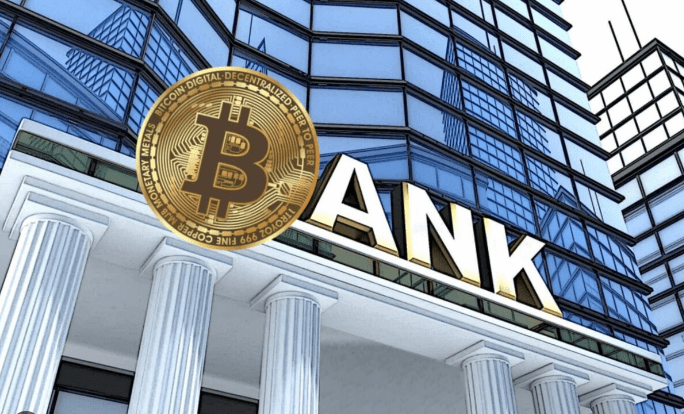
Image: PlasBit
Industry voices see this as more than just a test. Filipp Bolotov, CEO of ERA Labs, said this is a “big move for mainstream adoption.”
Kyle Chasse, a digital currency venture capitalist, notes that banks are finally catching up to what retail and institutional clients want.
Wider Implications For Finance
On April 30, US President Donald Trump warned that banks ignoring digital assets risk falling behind. And during Paris Blockchain Week on April 8, Messari’s Eric Turner and Sygnum Bank’s Thomas Eichenberger predicted that banks will deepen bitcoin offerings in the second half of 2025, especially around stablecoins and tokenized services. These forecasts suggest the Sparkassen rollout could be just the start.
Sparkassen‑Finanzgruppe covers more than 370 savings banks and 500 companies. It manages over 2.5 trillion euros in assets. Giving even a fraction of its 50 million‑strong client base easy digital access could shift market dynamics in Europe. It’s a cautious step, but one with wide‑ranging effects.
Featured image from Go Real Travel, chart from TradingView

Related Posts