从关税风暴到CPI惊喜:美联储降息将如何引爆全球资产狂欢?

marsbitPublicado em 2025-04-12Última atualização em 2025-04-13

最近,全球市场因美国股市的剧烈波动而震惊。在“对等关税”消息引发市场暴跌后,白宫宣布对某些国家暂停90天关税,市场迅速逆转并飙升。

道琼斯工业平均指数飙升超过2900点,涨幅7.87%,创下自2020年3月25日以来最大单日涨幅。标普500指数上涨9.52%,为2008年10月29日以来最大涨幅,而纳斯达克指数则飙升12.16%,录得其历史上第二大单日涨幅。

“七巨头”科技股全线飙升,其总市值在短短几个小时内激增1.85万亿美元。

“美国股市像山寨币一样波动,世界成了一个巨大的拉盘砸盘游戏。”

这种节奏似曾相识,没错——这正是我们常在山寨币市场看到的剧烈价格波动。许多市场分析师不禁惊呼:

然而,来自美国的意外并未止步于此。3月CPI数据远低于预期:同比增幅仅为2.4%,低于市场预测,环比甚至下降0.1%。核心CPI同样令人失望,达到四年低点。3月未调整的核心CPI同比增幅为2.8%,连续第二个月下降,创2021年3月以来最低水平,低于市场预期的3.0%。

这两组数据不仅出乎市场意料,还促使投资者重新评估美联储的政策前景。市场反应迅速:

现货黄金最初上涨6美元,随后回落;

美元指数短期下跌20点;

英镑兑美元日内涨幅扩大至1.00%。

面对这样的数据,许多市场分析师现在认为美联储6月降息几乎已成定局。

《华尔街日报》经济学家哈里特·托里指出,在正常情况下,CPI同比增速放缓将被视为利好消息。

这对加密市场自然也是好消息。随着美联储基准利率的回落,加密市场可能迎来新一轮价值重估。

低无风险利率的相对定价效应

美国10年期国债收益率已从2023年高点4.8%降至4.28%(近期低点为4.18%,随后反弹10个基点)。传统固定收益资产回报率的下降推动资本流向高风险资产。以比特币为例,其在2023年与国债收益率的相关性低至-0.73。在降息周期中,持有加密资产的机会成本显著降低,从而提升其吸引力。根据高盛模型,每降息25个基点,比特币市值可能上涨6-8%。

强化“数字黄金”叙事

比特币与黄金的90天相关性从2023年的0.12上升至0.35,在硅谷银行危机期间达到0.68。当降息与衰退风险上升同时发生时,加密资产的避险价值可能被重新评估。灰度(Grayscale)的一份报告指出,实际利率每下降1%,比特币的估值基线可能提高15%。

降息带来的流动性注入

历史上,美联储降息周期往往伴随着资产价格的广泛上涨。随着流动性宽松和资本成本下降,投资者对风险资产的兴趣增加——这在加密市场尤为明显。

作为高波动性、高风险的工具,加密资产对流动性变化极为敏感。当美联储释放货币宽松信号时,闲置资本倾向于追逐更高回报,而具有高回报潜力的加密资产迅速成为焦点。

通缩型Token的经济逻辑

在预期法定货币贬值的背景下,固定供应加密货币的稀缺性溢价日益突出。这种内置的通缩特性在降息周期中增加了抗通胀的吸引力。

机构采用的催化剂

降息放大“资产荒”现象

较低的利率降低了传统金融市场(如债券、货币市场基金)的收益率,为机构创造了重新配置的压力。保险公司、养老基金和家族办公室等长期投资者可能将部分资本转向增长型新兴市场。

随着ETF、托管和审计等监管基础设施的稳步成熟,加密资产对合规投资越来越可行。在传统市场回报低迷的情况下,机构可能将比特币和以太坊纳入多元化投资组合。

加密ETF与降息周期同步

到2024年底,美国批准了多个现货比特币ETF上市,这是机构资金公开进入加密市场的关键时刻。如果降息与ETF热潮同步,机构流入和宏观流动性扩张的双重动能可能进一步放大加密市场的上涨潜力。

加密生态系统的链上活动复兴

DeFi市场复苏

在加息周期中,DeFi平台难以与美国国债的低风险回报竞争,导致总锁仓量(TVL)下降。随着无风险收益率下降,DeFi回报重新变得有吸引力,吸引资本回流。

Compound、Aave和Lido等领先协议已显示TVL复苏迹象。随着链上借代利率稳定和稳定币利差扩大,资本效率提升——改善了DeFi生态系统的流动性。

NFT和GameFi市场重新受到关注

降息释放资本,重新点燃用户对NFT和GameFiToken等高波动性、高参与度资产的热情。历史上,NFT市场活动通常滞后于比特币的上涨,并在大牛市的第二阶段爆发。美联储降息可能为这些应用层资产开启新的上涨空间。

小结

总之,美联储降息为加密市场新一轮上升周期奠定了宏观基础。从流动性注入、资本重新配置到机构进入、链上活动和融资环境——降息为加密行业提供了系统性顺风。

随着美联储打开流动性闸门,加密资产正从边缘投机资产演变为主流宏观配置工具。这种转变由传统金融巨头和技术突破共同推动,同时伴随着市场的深度洗牌和价值重构。

当然,市场不会在一夜之间转变。监管透明度、技术基础设施和安全挑战仍需解决。但在“货币宽松+资产创新”的双重引擎驱动下,加密市场可能在未来一年迎来新的结构性上涨。对于投资者和建设者而言,理解政策周期和市场节奏将是应对牛熊市场的关键。


Leituras Relacionadas

77 Bloody Codes: When the '$5 Wrench' Shatters the Privacy Myth of France's Crypto Elite

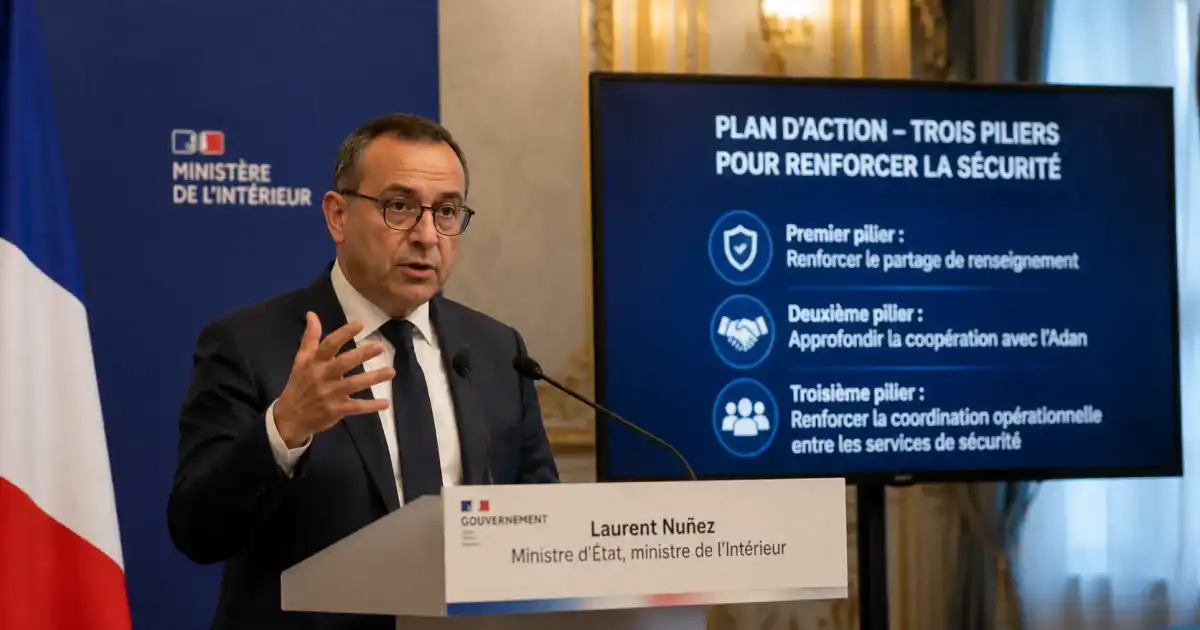
**Summary** In the first half of 2026, France recorded 77 violent crimes—including kidnappings, illegal confinement, and extortion—targeting cryptocurrency holders, a 71% increase over the 45 cases in all of 2025. This equates to an attack every 2.3 days, making France a global hotspot for so-called "wrench attacks," where criminals use physical violence to coerce victims into surrendering crypto assets. High-profile cases include the 2025 kidnapping of Ledger co-founder David Balland, who was shown with a severed finger in a ransom video, and an attempted kidnapping of the family of Paymium's CEO in Paris. Prosecutors note these are not isolated incidents but part of structured criminal networks, sometimes involving minors. Several factors contribute to France's vulnerability: a large holder base (approx. 7.3 million people), the presence of major crypto firms and executives, a culture of public disclosure among enthusiasts, and potential data leaks. The trend is spreading across Europe, which now accounts for over 40% of such global attacks. Research indicates a correlation between Bitcoin price surges and increased wrench attacks. In response, French Interior Minister Laurent Nuñez announced a three-pillar action plan focusing on enhanced intelligence sharing, deeper cooperation with the industry association Adan, and improved operational and cross-border coordination. Authorities have made over 200 arrests in the past year. Security experts warn that digital asset safety now extends to the physical world. They advise holders to use hardware wallets, avoid disclosing holdings on social media, enable multi-factor authentication, and report suspicious activity. The situation underscores the urgent need for the crypto community to shift from a "show-off" culture to one of discretion as physical security becomes paramount.

marsbitHá 1h

77 Bloody Codes: When the '$5 Wrench' Shatters the Privacy Myth of France's Crypto Elite

marsbitHá 1h

Both OpenAI and Anthropic are 'Developing Their Own Chips' — Beyond Cost, the Control Over Computing Power is Paramount

OpenAI and Anthropic are both advancing plans to develop custom AI chips, driven by the need to control computing power and reduce costs. According to reports, Anthropic is in early-stage development of its own chips and in talks with Samsung for manufacturing, while OpenAI is collaborating with Broadcom and TSMC, aiming to deploy its first inference chip by late 2026. The primary motivation extends beyond just lowering expenses. For these large model companies, chips are core production assets. By designing specialized hardware (ASICs) tailored to their specific model architectures—OpenAI's being more sparse and Anthropic's more dense—they aim to achieve deeper software-hardware co-design. This synergy can significantly improve inference speed, energy efficiency, and overall unit economics, offering advantages that off-the-shelf GPUs cannot. This move does not signify an immediate replacement for suppliers like Nvidia. The process from design to deployment takes 18-24 months, and Nvidia's GPU ecosystem remains deeply entrenched. Instead, custom chips provide a strategic alternative and negotiating leverage, allowing companies to use them for specific, high-volume workloads like inference while still relying on external GPUs and TPUs for other tasks. The trend reflects a broader industry shift where AI competition is evolving from pure algorithmic prowess to integrated control over the entire software-hardware stack. Companies like Google, Amazon, Meta, and Microsoft are already on this path. For foundries like Samsung, securing orders from AI leaders like Anthropic represents a significant opportunity to expand its footprint in the advanced semiconductor market for AI. Ultimately, the race for "computing sovereignty" is now a central battleground for major AI players.

marsbitHá 1h

Both OpenAI and Anthropic are 'Developing Their Own Chips' — Beyond Cost, the Control Over Computing Power is Paramount

marsbitHá 1h

Trading

Spot
活动图片