В Tether допустили выпуск отдельного стейблкоина в США. Зачем это нужно

RBK-cryptoPublicado em 2025-04-07Última atualização em 2025-04-07

Эмитент USDT ожидает принятия законопроекта о стейблкоинах, чтобы решиться на следующий шаг

Tether изучает возможность запуска нового стейблкоина для институциональных клиентов в США, рассказал в интервью Bloomberg глава компании Паоло Ардоино. Идею запуска отличного от USDT токена для американских компаний он объяснил запросом местного рынка.

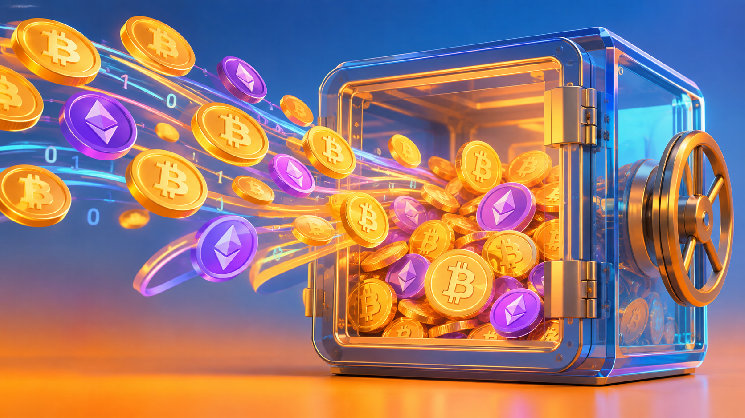
Стейблкоины — это криптовалютные токены, курс которых привязан к какому-либо активу, например к доллару, евро или унции золота. В качестве обеспечения привязки курса к базовому активу компании используют ценные бумаги, национальные валюты или другие криптоактивы.

Наиболее известные стейблкоины выпускают компании Tether (USDT) и Circle (USDC). USDT имеет капитализацию около $144 млрд, Circle — $60 млрд.

По оценкам Ардоино, 40% всех держателей USDT в мире используют токен в качестве инструмента для сбережений. На развивающихся рынках, в странах, где местные валюты волатильны, USDT используется как долларовый суррогат — «актив-убежище».

В США, где доступ к долларам получить легко, любой стейблкоин, выпущенный Tether, будет ориентирован на учреждения, которым требуется быстрое проведение платежей, поскольку «соответствие продукта рынку совершенно иное, чем у стейблкоина, используемого в Африке», рассказал Ардоино.

Телеграм-канал «РБК-Крипто» — подпишитесь и будьте в курсе самых главных и актуальных новостей о криптовалюте.

Присоединяйтесь к форуму «РБК-Крипто» в Telegram для обсуждения новостей и тенденций криптомира.

Tether является одной из самых быстроразвивающихся компаний на крипторынке. В конце января Tether отчиталась о рекордной прибыли — за 2024 год она заработала более $13 млрд. Основной доход компания получает в виде процентов по казначейским облигациям США, которые используются в качестве резервов, обеспечивающих эмиссию USDT.

Тема развития рынка стейблкоинов на основе доллара продвигается президентом США Дональдом Трампом с конца января, когда был подписан первый указ после инаугурации — «Укрепление лидерства США в цифровых финансах», где ключевым пунктом выделили стейблкоины. В Конгрессе США сейчас рассматривается законопроект о регулировании таких токенов.

При этом, конкурент Tether, американская компания Circle, продвигает идею о том, что эмитенты долларовых стейблкоинов должны быть зарегистрированы в США. Tether же зарегистрирована в Сальвадоре. По словам Ардоино, именно этот законопроект побудил Tether рассмотреть возможность запуска в США альтернативы своему флагманскому продукту USDT.

«Мы обсуждаем эту возможность. Нам нужно дождаться окончательного варианта и посмотреть, какой законопроект будет принят, но мы определенно открыты для этого», — сказал Ардоино.

В 2024 году в Евросоюзе были введены новые правила регулирования стейблкоинов, которые требуют, чтобы эмитенты таких токенов имели специальную лицензию. Circle получила такое разрешение, а Tether — нет. Криптобиржи провели делистинг USDT в ЕС. В то же время Tether объявила, что совместно с компанией Quantoz Payments выпустит стейблкоины EURQ и USDQ, соответствующие стандарту MiCA.

Ниже $75 тыс. за биткоин и обвал остального рынка. Чего ждать в будущем

Трейдеры потеряли более $1 млрд на обвале крипторынка. Что случилось

Аналитики усомнились в статусе «цифрового золота» у биткоина. Почему так

Leituras Relacionadas

Jensen Huang's Daughter: From Chef to an $8 Million Annual Salary

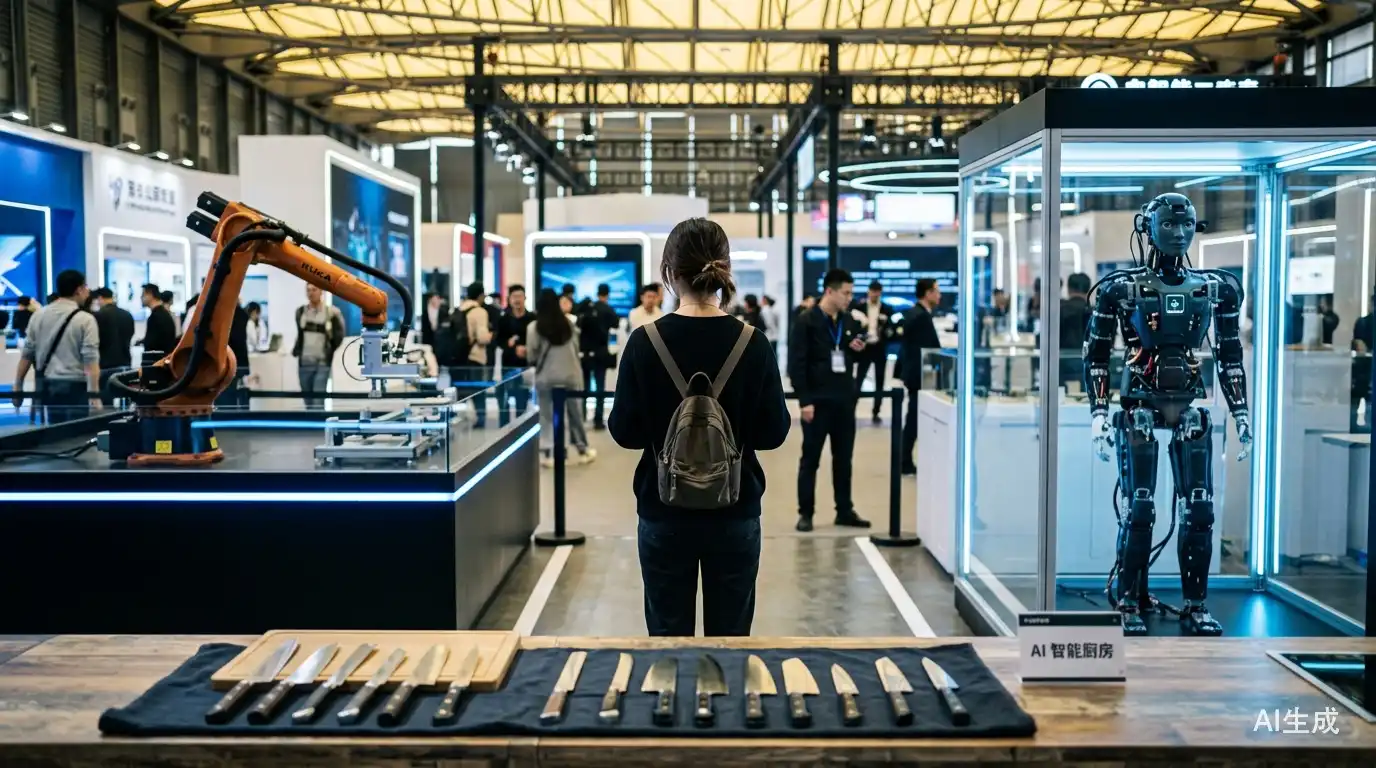
Madison Huang, daughter of NVIDIA founder Jensen Huang, recently made a rare public appearance in Beijing during the 2026 World Robot Conference. As the Senior Director of Product and Technology Marketing for NVIDIA's Physical AI Platform, with an annual salary of approximately $1.2 million, her visit focused on evaluating leading Chinese robotics companies like UBTech, Unitree, and others. This highlights NVIDIA's strategic interest in the burgeoning Chinese robotics ecosystem, a key battleground for the development of Physical AI—technology that enables machines to understand and interact with the physical world. Huang's career path is unconventional. Initially pursuing her passion, she studied culinary arts, worked as a chef, and later held a marketing role at LVMH. She joined NVIDIA as an intern in 2020 after completing an MBA, quickly rising through the ranks. Her brother, Spencer Huang, followed a similar path, closing a cocktail bar he co-founded to also join NVIDIA, where he now works on robotics software. Jensen Huang has publicly addressed nepotism concerns, humorously noting that some "second-generation" employees outperform their parents. The conference itself underscored China's vibrant robotics sector, marked by Unitree's recent blockbuster IPO and a pipeline of companies preparing to go public. While hardware development and manufacturing are advancing rapidly, industry leaders like Wang Xingxing of Unitree point to the next critical challenge: developing the "brain" or AI that allows robots to perform diverse, unseen tasks based on simple instructions. With massive manufacturing scale and diverse real-world testing scenarios, China is positioned as a central player in the global race to define the future of robotics.

marsbitHá 1h

Jensen Huang's Daughter: From Chef to an $8 Million Annual Salary

marsbitHá 1h

He Gave Wang Xingxing the First 2 Million, Now Serves as Chairman for the Next 'Unitree'

On August 19, 2024, Unitree Robotics, China's "first humanoid robotics stock," went public. Its founder, Wang Xingxing, started a decade ago with his self-developed XDog. In 2016, at a critical funding juncture, he received his first angel investment of 2 million RMB from Yin Fangming. This bet has since yielded a return of over 140 times. Yin Fangming is more than just a key investor. He was a co-founder of the AI robotics company ROOBO, whose own venture ultimately struggled. This firsthand experience with the hardware challenges in robotics gave him unique insight when backing Unitree, a company renowned for its hardware R&D and cost control. While his own company faltered, Yin continued investing shrewdly. He partially cashed out some Unitree shares early, reinvesting the proceeds into sectors like energy (e.g., solid-state battery firm TaiLan) and commercial aerospace (e.g., small launch vehicle developer XianDeng Aerospace). However, his most significant move after Unitree is his deep involvement with Galaxy General, a leading embodied AI unicorn. In July 2024, Yin stepped from behind the scenes to officially become its Chairman, indicating a role far beyond a typical investor. This comes as Galaxy General is viewed as preparing for future capital moves. Yin's career has consistently been ahead of the curve—from mobile internet to AI and robotics. Known for his foresight and low profile, he declined an interview for this story, offering only a statement encouraging support for visionary entrepreneurs like Wang Xingxing.

marsbitHá 1h

He Gave Wang Xingxing the First 2 Million, Now Serves as Chairman for the Next 'Unitree'

marsbitHá 1h

Coldcard Theft Reflection: Source Code Visibility Does Not Equal Security

The article examines the open-source vs. closed-source debate in crypto, prompted by a theft of over $100M in Bitcoin from Coldcard hardware wallets. It clarifies key terminology: true "Free and Open Source Software" (FOSS) grants four essential freedoms (use, study, share, modify), while "source available" code, like Coldcard's firmware, may have usage restrictions. The piece argues that visible source code alone does not guarantee security; actual safety depends on the economic incentives for thorough, ongoing review by skilled individuals. Using Bitcoin Core as a model, the article describes a successful, transparent open-source development culture built on public review and consensus. It contrasts this with the Coldcard case, where a critical bug in a lightly-reviewed, source-available library went undetected for years, highlighting a "tragedy of the commons" scenario where assumed but absent scrutiny creates vulnerability. The economics of licensing are crucial: restrictive licenses can limit the pool of motivated commercial reviewers. Finally, the article explores AI's impact. It cites the Bitcoin Red Team's use of AI to rapidly audit codebases and find vulnerabilities at scale, demonstrating a powerful new tool for security. However, AI also floods projects with low-quality code, straining maintainers. The piece concludes that in high-stakes crypto, only well-audited projects—whether open or closed-source—can withstand evolving threats, with AI both challenging and aiding security practices.

marsbitHá 1h

Coldcard Theft Reflection: Source Code Visibility Does Not Equal Security

marsbitHá 1h

Trading

Spot
活动图片