Crypto Advocate Tom Emmer Gains Key Role In Digital Assets Leadership

bitcoinistPublicado em 2025-01-16Última atualização em 2025-01-16

Resumo

The US House of Representatives has named the vice chair who will lead the Congressional subcommittee tasked in overseeing policies...

The US House of Representatives has named the vice chair who will lead the Congressional subcommittee tasked in overseeing policies and proposed measures involving crypto. The lower chamber of the US Congress recently announced subcommittee assignments for the 119th US Congress ahead of the upcoming inauguration of President-elect Donald Trump who pledged during the campaign to impose pro-crypto policies.

New Crypto Subcommittee Chair

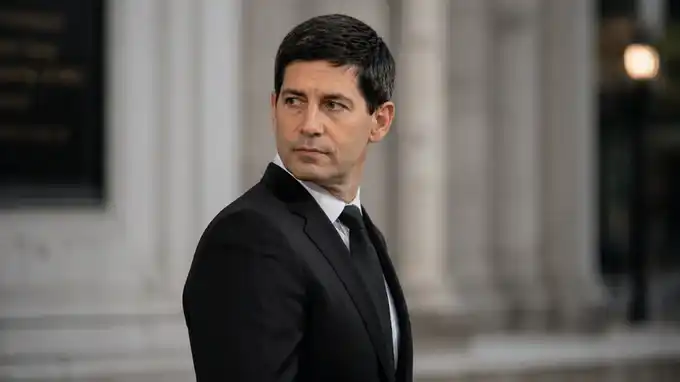
The US House of Representatives revealed that Rep. Tom Emmer of Minnesota’s 6th congressional district would be the Vice Chair of the House Subcommittee on Digital Assets, Financial Technology, and Artificial Intelligence.

In a statement, House Financial Services Committee Chairman French Hill announced the Vice Chairs and Subcommittee assignments of US lawmakers for the 119th Congress under his Congressional committee and Emmer was among those appointed as Vice Chairman.

“With active and knowledgeable Chairs and Vice Chairs leading our Subcommittees, we are ready to tackle the critical challenges ahead. Together, our Committee will work to craft a regulatory framework […] and ensuring our agencies are held accountable to their statutorily directed missions,” Hill said in a press release published.

Analysts believed that the appointment of Emmer, a known cryptocurrency advocate, emphasizes the direction of the US Congress which is to craft policies that govern digital assets and financial innovation, aligning themselves with the stance of the Trump administration on the digital currency sector.

Total digital currency market cap currently at $98,544. Chart: TradingView

Clarity On Crypto

Many market observers think regulatory clarity in the crypto sector would become much more possible with Emmer, leading the subcommittee dealing with digital assets.

In his leadership role, Emmer could help shape and influence the legislative measures and regulations that would guide sectors on digital assets and financial technologies.

“I am honored to have been selected as Vice Chairman of the Subcommittee on Digital Assets, Financial Technology and Artificial Intelligence,” Emmer said in a post.

The lawmaker believes that the current political environment under the Trump administration would be an excellent opportunity to mold the future of the cryptocurrency landscape in the US.

“With President Trump in the White House, and Gary Gensler confined to the waste bin of Washington, we have an excellent opportunity to ensure that the future of digital assets is guided by Americans, with American values,” he added in an X post.

Trump’s Crypto Stance

During the campaign, Trump vowed to streamline the cryptocurrency regulations to help the sector flourish and thrive under his government, turning the country into an international leader in digital asset innovation.

“The public expects us to deal with the excessive spending, the debt, and the deficit that has driven double-digit inflation at the beginning of the Biden term. They’ve asked Donald Trump to seal the southern border, and they want peace and stability around the globe,” Emmer remarked.

Featured image from CNN, chart from TradingView

Christian Encila

Christian Encila

Christian, a journalist and editor with leadership roles in Philippine and Canadian media, is fueled by his love for writing and cryptocurrency. Off-screen, he's a cook and cinephile who's constantly intrigued by the size of the universe.

Leituras Relacionadas

Warsh's First Day in Office, Markets Deliver a 'Wake-up Call': Rate Hike Expected This Year

On his first day in office, newly inaugurated Federal Reserve Chairman Warsh received a stark market warning, with expectations now fully pricing in a 25-basis-point interest rate hike this year. The shift was triggered by hawkish remarks from Fed Governor Waller, who stated that inflation is now the key policy "driver" and that the odds of a hike or cut are evenly split. This sent short-term Treasury yields higher. Waller signaled a significant pivot in his stance, citing disappointing inflation and labor data. He suggested removing "easing bias" language from Fed statements and did not rule out future rate increases if inflation fails to recede, though he noted immediate action isn't warranted without signs of unanchored inflation expectations. Chairman Warsh faces immediate pressure at his first FOMC meeting in June. With the preferred inflation gauge at a three-year high, analysts warn that failing to hike could be interpreted as an implicit easing of policy. The geopolitical situation in the Middle East is adding to existing price pressures. The market's expectation for a hike contrasts sharply with earlier forecasts for multiple cuts. While long-term Treasury yields have been contained by lower energy prices recently, analysts note they remain under structural upward pressure. Warsh's swearing-in at the White House highlights political scrutiny over Fed independence. However, the market has made it clear that inflation is the most urgent challenge, leaving the new chairman little time to settle in.

marsbitHá 8h

Warsh's First Day in Office, Markets Deliver a 'Wake-up Call': Rate Hike Expected This Year

marsbitHá 8h

Has Microsoft Lost Its Way in the AI Race, and Can Copilot Bring It Back on Track?

Microsoft, once seen as an early AI frontrunner due to its investment in OpenAI, is navigating a strategic shift amid increased competition. Its initial reliance on OpenAI’s GPT models has been complicated by OpenAI’s growing ambitions as a direct competitor, rapid advancements from rivals like Claude and Gemini, and the disruptive rise of AI agents, which challenge its traditional SaaS business model. These factors contributed to stock declines and slower-than-expected adoption of its flagship Copilot products. In response, CEO Satya Nadella has taken a hands-on role in product development, signaling the urgency of change. Microsoft is pivoting from a model-centric strategy to a "model-agnostic" enterprise platform approach. It aims to become the foundational layer connecting various AI models—from OpenAI, Anthropic, or its own new "Superintelligence" team—with enterprise workflows, data, security, and cloud services. Recent organizational changes merged consumer and enterprise Copilot teams to accelerate innovation, exemplified by new products like Copilot Tasks and Copilot Cowork. However, this transformation comes at a high cost. Microsoft faces massive capital expenditures, potentially reaching ~$190 billion by 2026, to support AI infrastructure. While its platform strategy shows early signs of traction with growing Azure AI revenue, it must balance startup-like agility with the reliability expected by enterprise clients. The core challenge is no longer being the sole AI winner but defending its position as the essential enterprise software entry point amidst rapid technological commoditization and the shift towards always-on AI agents.

marsbitHá 9h

Has Microsoft Lost Its Way in the AI Race, and Can Copilot Bring It Back on Track?

marsbitHá 9h

Trading

Spot
Futuros
活动图片