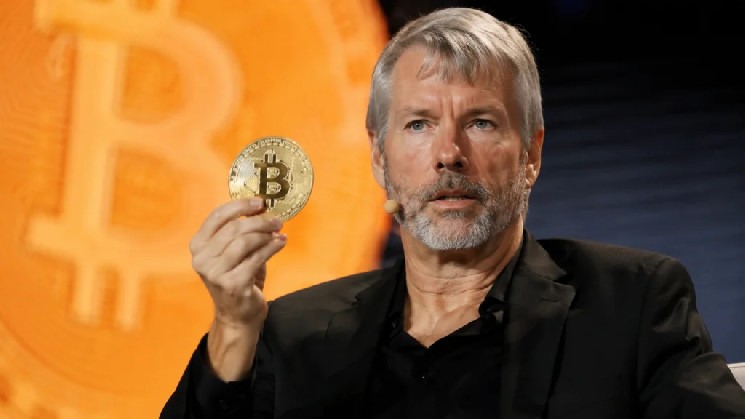
Австралийские власти оштрафовали компанию Bit Trade на $5 млн

cryptonews.ruPublicado em 2020-12-12Última atualização em 2024-12-12

Комиссия по ценным бумагам и инвестициям Австралии (ASIC) сообщила, что компания Bit Trade, местный оператор американской криптовалютной биржи Kraken, оштрафована на 8 млн австралийских долларов (около $5,2 млн) за нарушение требований к маржинальной торговле.

Федеральный суд Австралии постановил, что Bit Trade не соблюдала местные законы, согласно которым компании, предлагающие финансовые продукты, должны определять целевой рынок, обеспечивая продажи ограниченному кругу клиентов. Помимо штрафа Bit Trade обязана покрыть судебные издержки ASIC.

Согласно ASIC, с октября 2021 года Bit Trade оказывала услуги маржинальной торговли, предусматривая погашение в биткоине и других цифровых активах, а также в фиатных валютах. В августе суд постановил, что продукты Bit Trade считаются кредитными инструментами, поэтому для оказания своих услуг платформа обязана проводить анализ целевой аудитории (TMD). Однако Bit Trade нарушила обязательства — ее продуктами воспользовалось более 1100 клиентов, инвестиционные возможности которых не были учтены, утверждает регулятор.

По данным председателя ASIC Джо Лонго (Joe Longo), общая сумма комиссий и процентов, которые Bit Trade взимала с клиентов, превысила $7 млн, а торговые убытки клиентов платформы превысили $5 млн. Один из инвесторов потерял почти $4 млн, занимаясь маржинальной торговлей на Kraken, утверждает Лонго.

«ASIC добилась значительного результата. ASIC впервые оштрафовала компанию за отсутствие анализа целевой аудитории. Это послужит напоминанием компаниям, работающим с цифровыми активами, что они должны соблюдать нормативные требования. Многие продукты, предлагаемые криптокомпаниями, попадают под действующее законодательство. Эти продукты должны правильно предлагаться, чтобы обеспечить австралийцам финансовую защиту», — заявил председатель ASIC.

Летом прошлого года австралийский регулятор предъявил аналогичные претензии криптоплатформе eToro, обвинив ее в предложении высокорисковых производных инструментов широкой аудитории.
Leituras Relacionadas

CPU Makes a Comeback to the Table, A $170 Billion "Power Seizure" Drama Begins

A new era is dawning for the server CPU (Central Processing Unit), driven by the shift from AI model training to large-scale reasoning and the rise of Agentic AI. This article explores how the CPU is reclaiming a central role in the AI data center. For years, the focus has been on the GPU (Graphics Processing Unit) for AI training. However, as AI moves to the inference and Agent phase—where tasks involve complex, multi-step reasoning, tool calls, and data management—the workload balance is flipping. Studies show CPUs now handle over 70% of the workload in Agentic AI, up from 10-30% in training. This is because Agent tasks generate massive intermediate data (KV Cache) that exceeds GPU memory, forcing it to be offloaded to the CPU's larger, more scalable memory pools. This increased importance is translating into market changes. Major players are taking note: NVIDIA launched its first standalone CPU line, Vera, based on ARM architecture and optimized for Agent performance. AMD doubled its server CPU market forecast to over $1200 billion by 2030. Analyst reports project the total server CPU market could reach $1700 billion by 2030, with AI-driven demand being a primary driver. Furthermore, the classic ratio of CPUs to GPUs in AI servers is rapidly changing, converging from 1:8 toward 1:1 for Agent deployments. This surge in demand has led to a rare industry-wide price increase of 10-15% for server CPUs from Intel and AMD, breaking a decade-long trend of "more performance for the same price." Demand is bifurcating into high-core-count CPUs for in-rack GPU support and moderate-core CPUs for standalone Agent task orchestration. In China, this global trend presents an opportunity for domestic CPU manufacturers like Hygon (海光信息) and Huawei Kunpeng, who are bolstered by both growing AI infrastructure needs and national policies promoting technological self-reliance ("xin chuang"). The maturity of their software ecosystems is also accelerating, evidenced by faster adaptation to new AI models. In conclusion, the narrative is shifting from a GPU-centric view to one where CPU-GPU synergy is critical. The CPU is no longer a peripheral component but a performance-defining bottleneck and a key growth driver in the AI hardware stack, opening a massive new market estimated in the hundreds of billions of dollars.

marsbitHá 2h

CPU Makes a Comeback to the Table, A $170 Billion "Power Seizure" Drama Begins

marsbitHá 2h

TechFlow Intelligence: AMD AI Director Publicly Criticizes Claude Code for "Becoming Dumber and Lazier", Trump Claims Full Ceasefire in Hormuz But Strait Still Has 80 Unexploded Mines

TechFlow Intelligence Report: This daily digest covers key developments in AI, crypto, hardware, and geopolitics. In AI, SK Telecom faces US export control scrutiny over its partnership with Anthropic, while a Gemini user reports being misled in a scam scenario, sparking safety debates. China's Z.AI launches the GLM-5.2 model, rivaling Claude Opus without NVIDIA chips. In crypto, Bithumb lists ReProtocol, and Upbit delists KernelDAO. On the hardware front, MIT researchers build a custom OS to study chips, ASML denies US claims its advanced lithography machines are in China, and Amazon considers selling its in-house AI chips. Apple's future A21 Pro chip may use TSMC's latest N2P process. Major tech issues include 10,000 GitHub repositories distributing malware and Apple patching a critical eavesdropping flaw in Beats earbuds. US stocks rise, led by semiconductors, with Intel surging 10.6%, while SpaceX falls 3.5%. Geopolitically, despite a US-Iran deal, the Strait of Hormuz remains risky with ~80 uncleared mines, stalling 80M barrels of oil on standby tankers. Iran postpones Switzerland talks, and Trump calls the agreement an "unconditional surrender." The report highlights a contrast: temporary geopolitical calm versus the ongoing, fundamental restructuring of tech supply chains and chip independence.

marsbitHá 2h

TechFlow Intelligence: AMD AI Director Publicly Criticizes Claude Code for "Becoming Dumber and Lazier", Trump Claims Full Ceasefire in Hormuz But Strait Still Has 80 Unexploded Mines

marsbitHá 2h

Trading

Spot
Futuros
活动图片