SignalPlus宏观分析特别版:Final Stretch

Odaily星球日报Publicado em 2024-12-02Última atualização em 2024-12-02

Resumo

上周是美国的感恩节假期,市场成交量清淡,整体维持盘整格局。美国股市即将再次创造历史, 2024年将成为历史上表现最好的年份之一,且过去6年中有5年的回报率达到了两位数的高点...

SignalPlus宏观分析特别版:Final Stretch

SignalPlus宏观分析特别版:Final Stretch

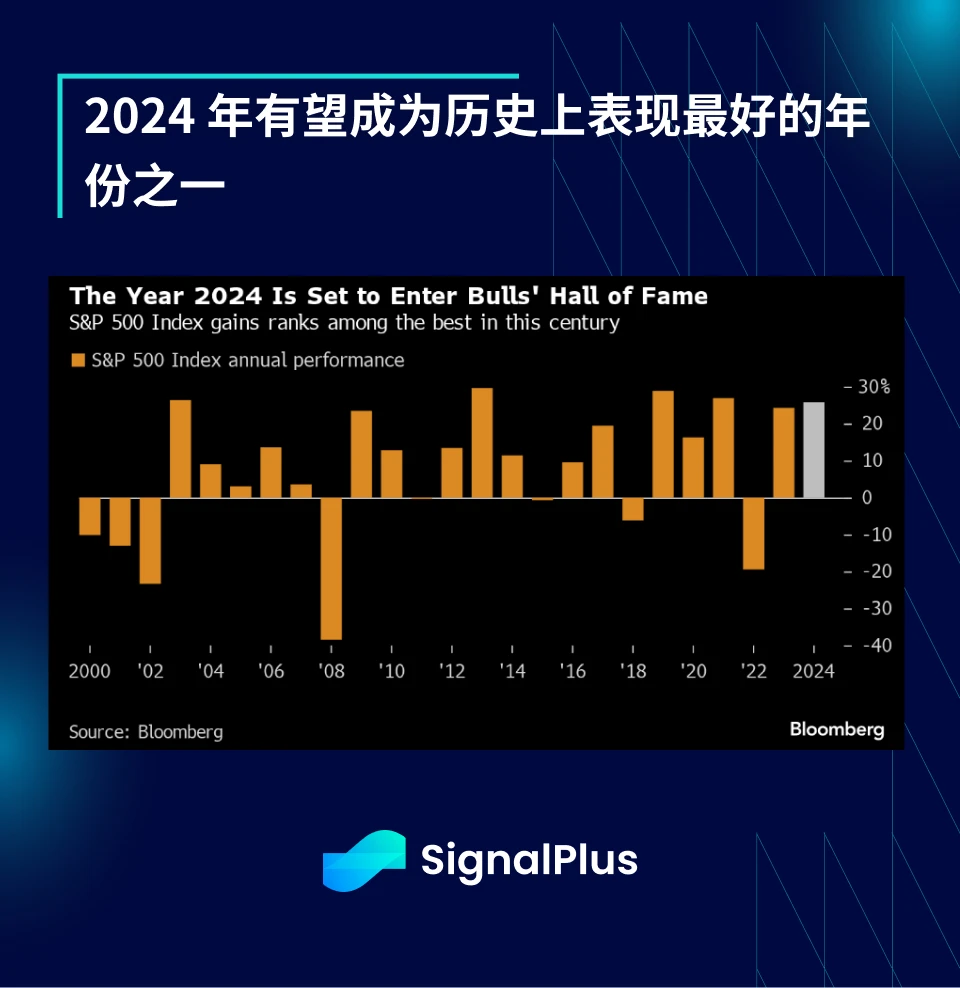
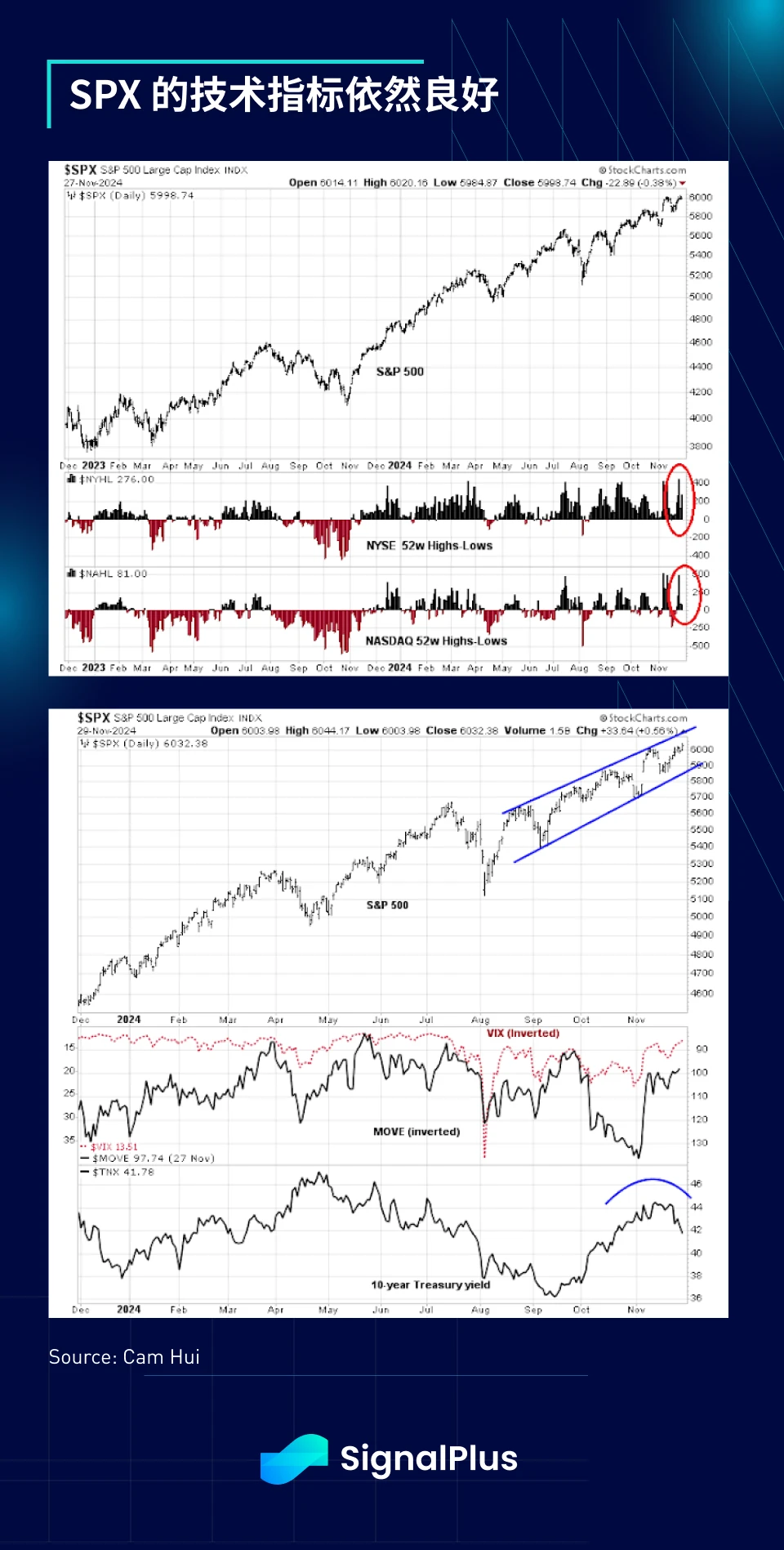
上周是美国的感恩节假期,市场成交量清淡,整体维持盘整格局。美国股市即将再次创造历史, 2024 年将成为历史上表现最好的年份之一,且过去 6 年中有 5 年的回报率达到了两位数的高点。
SignalPlus宏观分析特别版:Final Stretch

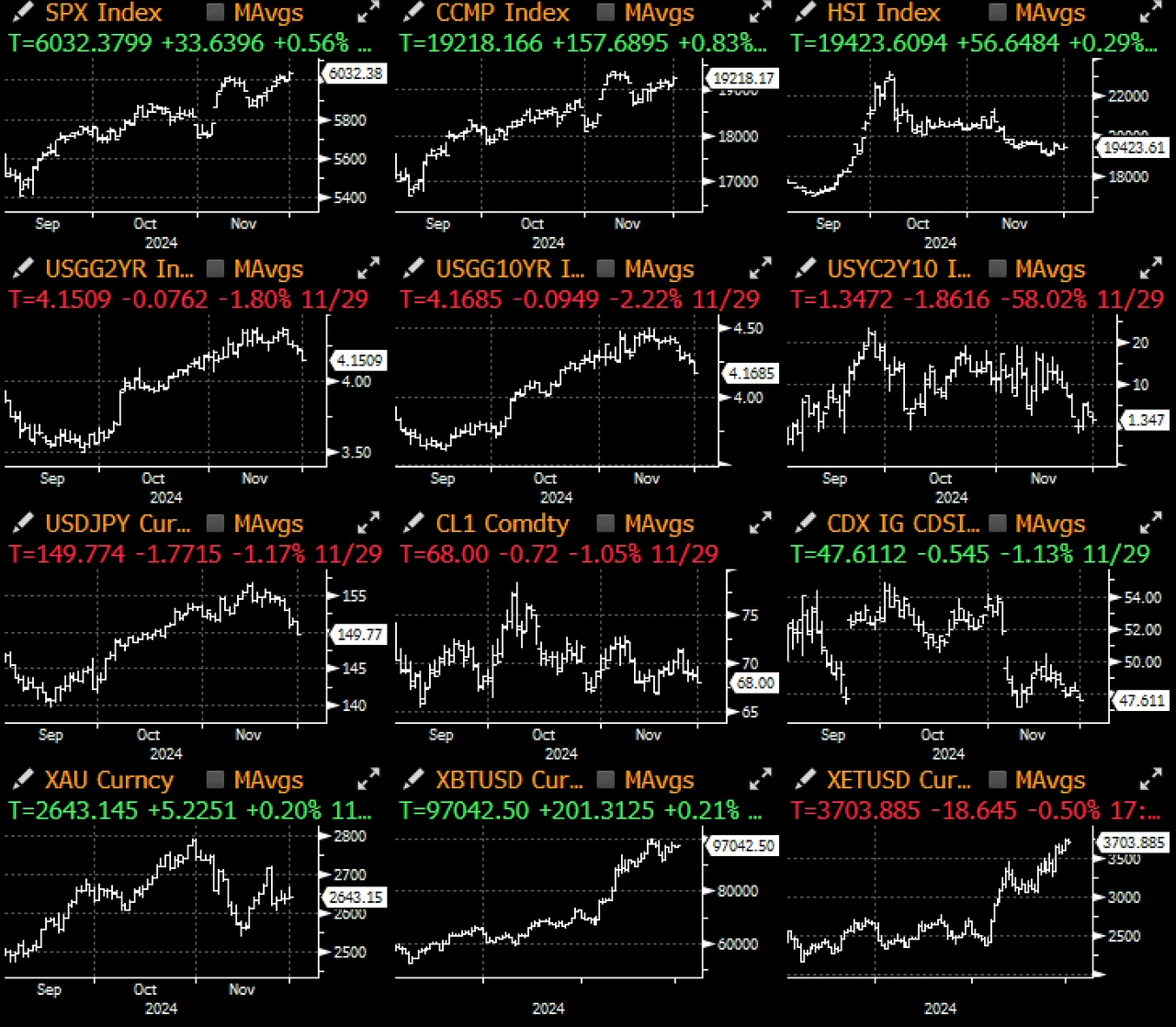
市场广度仍然具有支撑性, 52 周股票新高新低数量差值看起来依然健康,上涨趋势保持完好,波动率指数(VIX)呈下行趋势,同时,在 Trump 宣布 Scott Bessent 将出任财政部长后,美债市场恢复平静, 10 年期收益率较 10 月高点下跌了近 35 个基点。
SignalPlus宏观分析特别版:Final Stretch

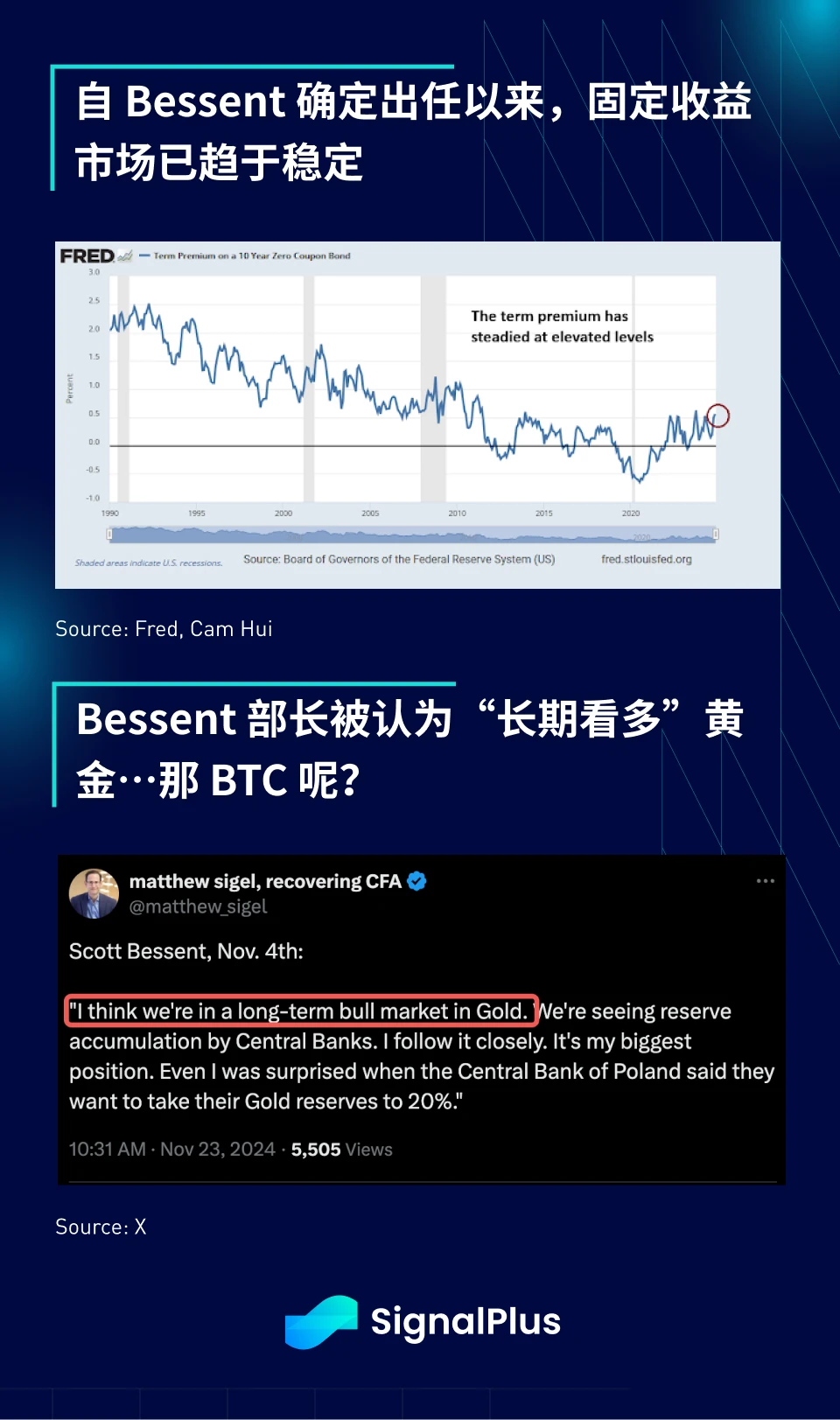
除了所谓的“支持加密货币”立场外,Bessent 同时也是财政鹰派和独立美联储的支持者,他提出的 3-3-3 计划(将财政赤字降至 GDP 的 3% ,将实际 GDP 增长提高到 3% ,能源每日增产 300 万桶)为美国固定收益市场带来了缓解,自他获得提名以来,收益率曲线溢价一直稳定在当前水平。

尽管对他的核心观点仍存疑,但记者们在研究其早期演讲时发现,由于央行持续积累,他“长期看多”黄金,这是否会对 Bitcoin 产生溢出效应,尤其是在近期关于战略储备组合的讨论中?至少可以说,未来 4 年无疑会非常有趣。
SignalPlus宏观分析特别版:Final Stretch

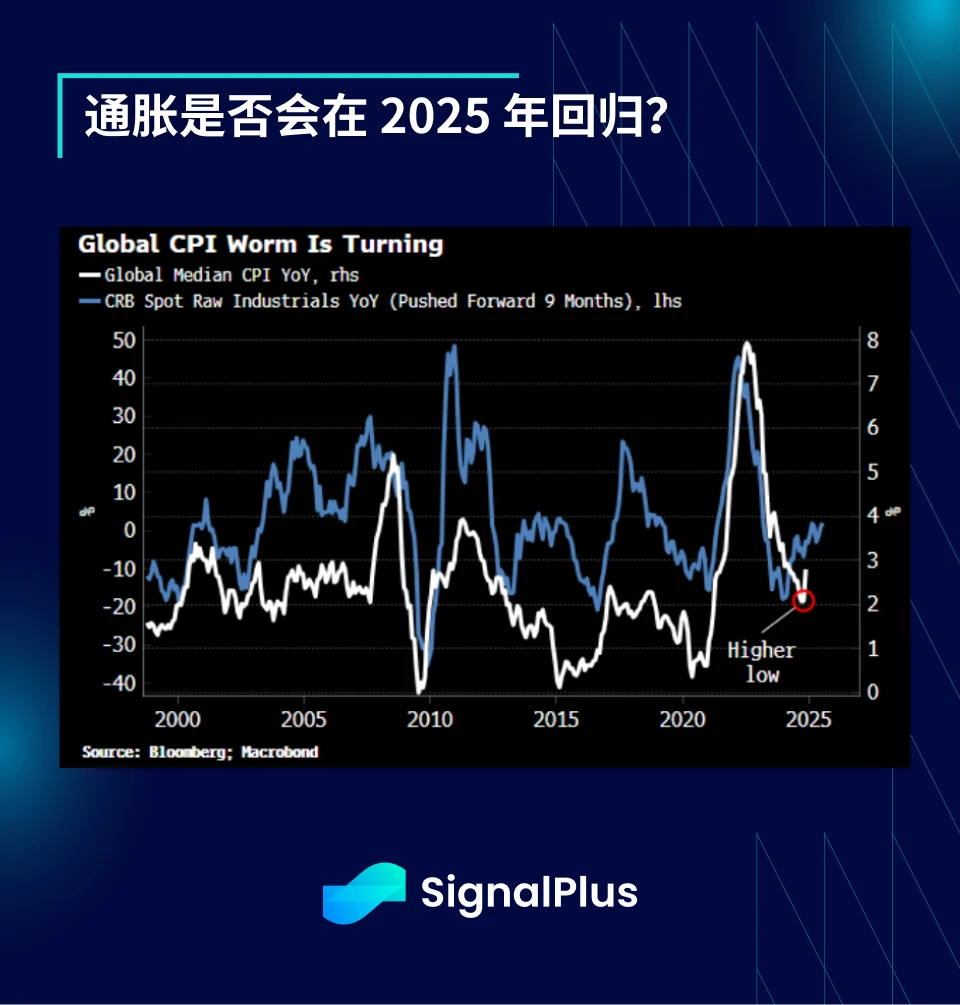
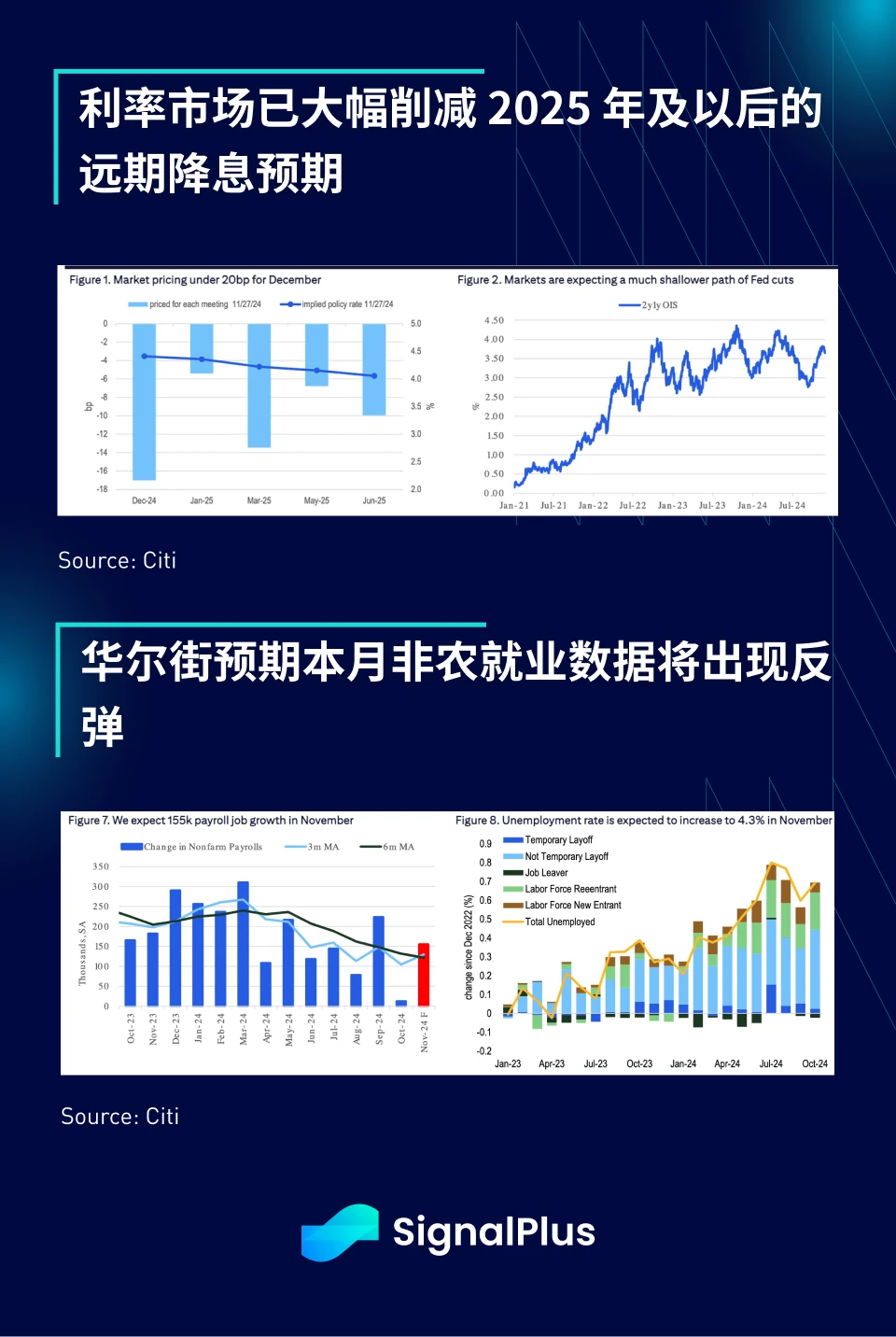
交易员将重返忙碌的一周,迎接今年最后一次的非农就业数据发布。尽管对通胀回升的担忧刚刚浮现,市场仍预计降息的可能性有 65% 左右,但考虑到经济情况强劲, 2025-2027 年的远期降息预期已大幅降低。在就业数据方面,市场预计整体就业数据将反弹至 + 16 万左右,失业率则维持在 4.3% 左右的水平。鉴于近期 PMI 调查和高频就业数据的疲软,最终数据结果也有机会低于预期,但除非出现极其令人意外的结果,否则风险情绪可能仍会保持积极。
SignalPlus宏观分析特别版:Final Stretch

SignalPlus宏观分析特别版:Final Stretch

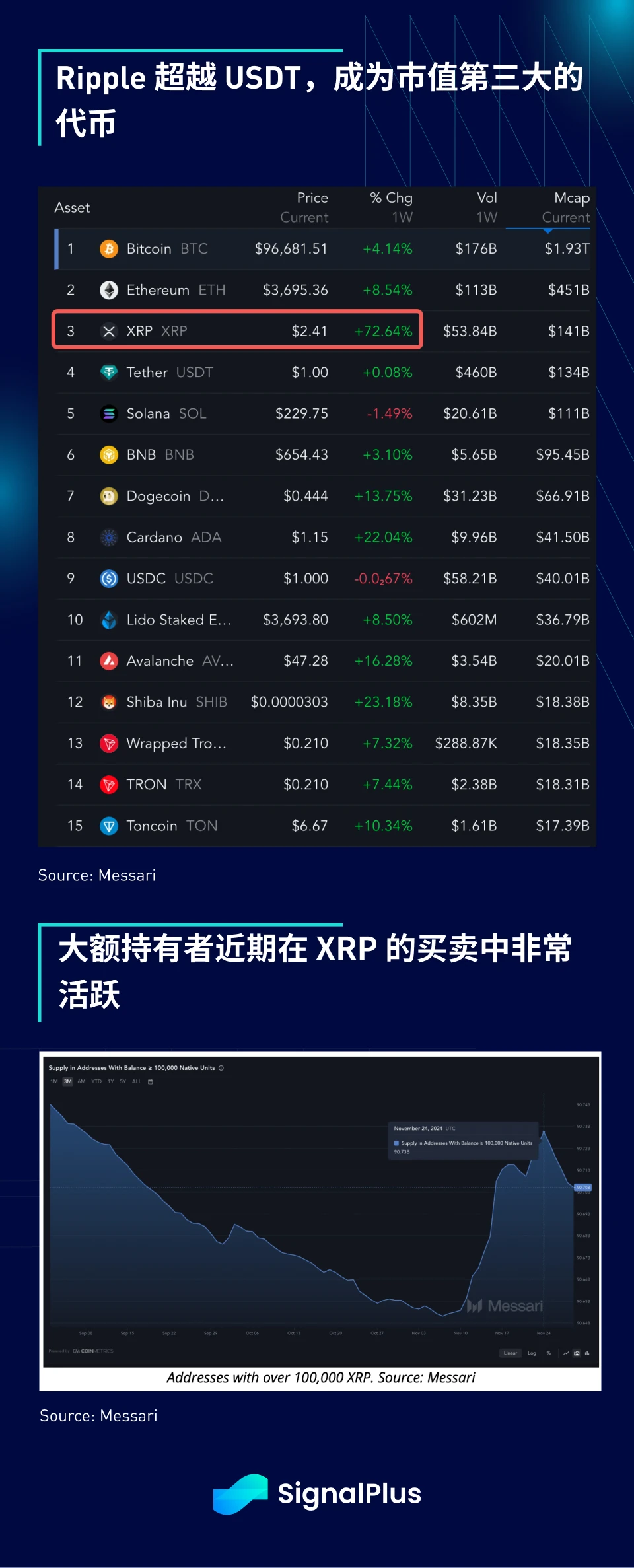
加密货币市场的乐观情绪依然普遍存在,不过本周的焦点是 Ripple,在预期政府将撤销其长期诉讼的背景下,XRP 飙升了惊人的 73% ,这波显著的涨势帮助 XRP 超越 USDT,成为市值排名第三的加密货币。预期到这一发展,巨鲸地址在过去一个月积极买入(而现正卖出)XRP。
SignalPlus宏观分析特别版:Final Stretch

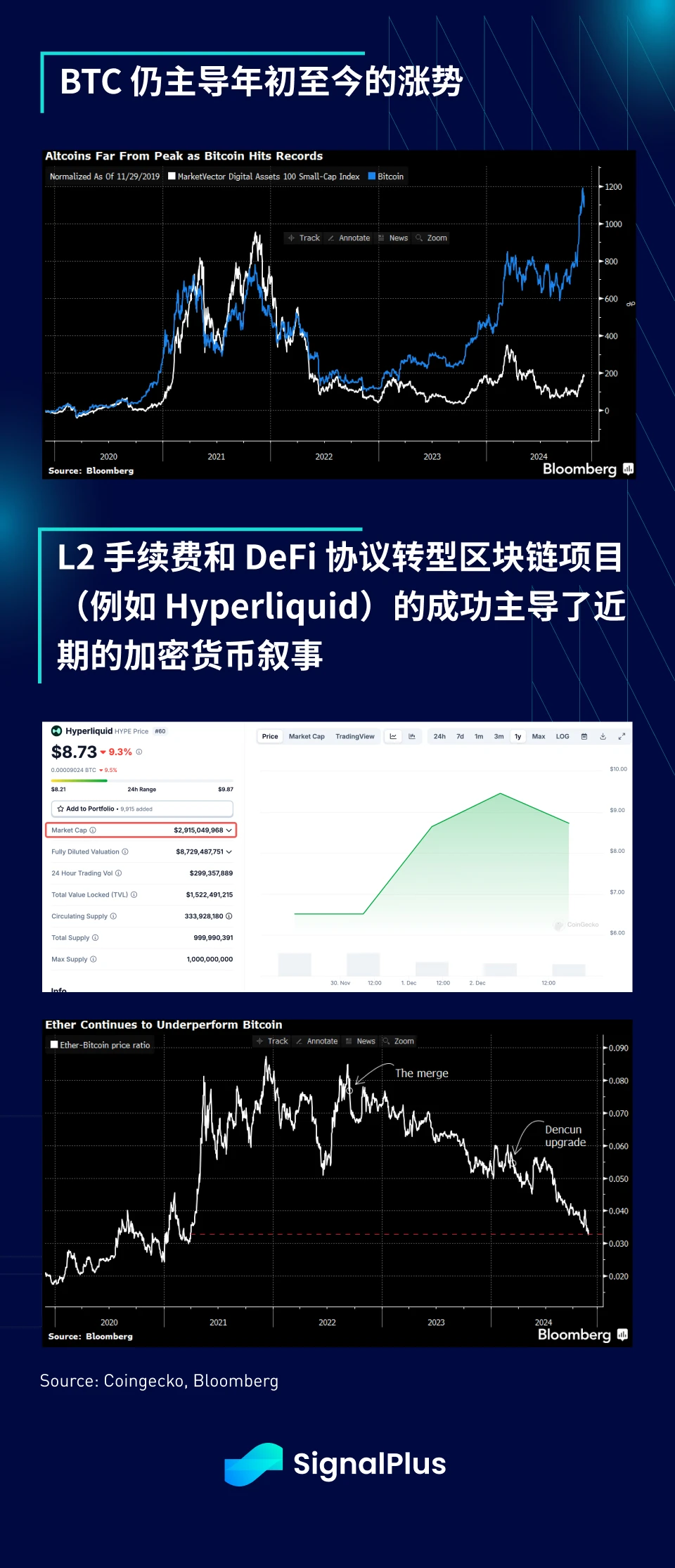
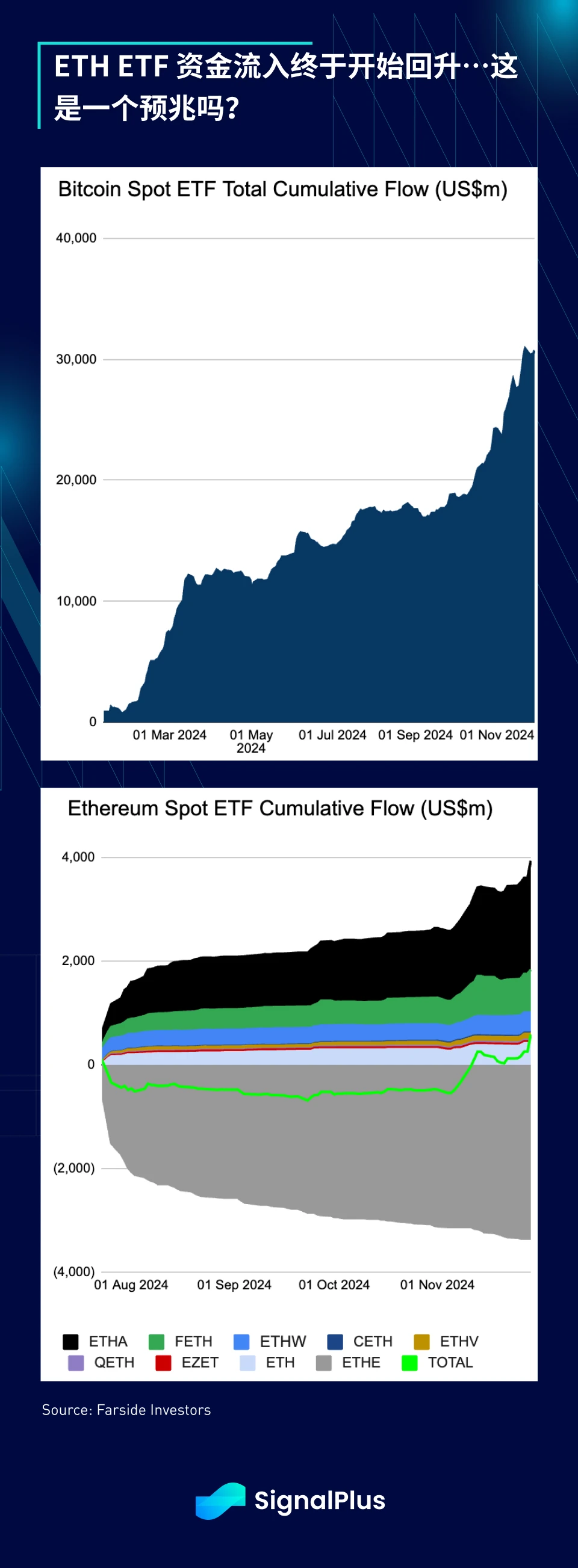
目前的涨势主要集中在主流币(不包括 ETH),BTC 领涨,而 altcoins 目前仍在努力回到 1 月的高点。虽然近期 L2 和协议转型区块链(例如 Hyperliquid)的成功仍主导著加密货币市场的注意力,不过我们通过 ETH ETF 的流入看到以太坊出现了一些起色,上周五资金流入超过 3.3 亿美元,年底前是否会看到更多次级主流币被带动反弹?
SignalPlus宏观分析特别版:Final Stretch

SignalPlus宏观分析特别版:Final Stretch

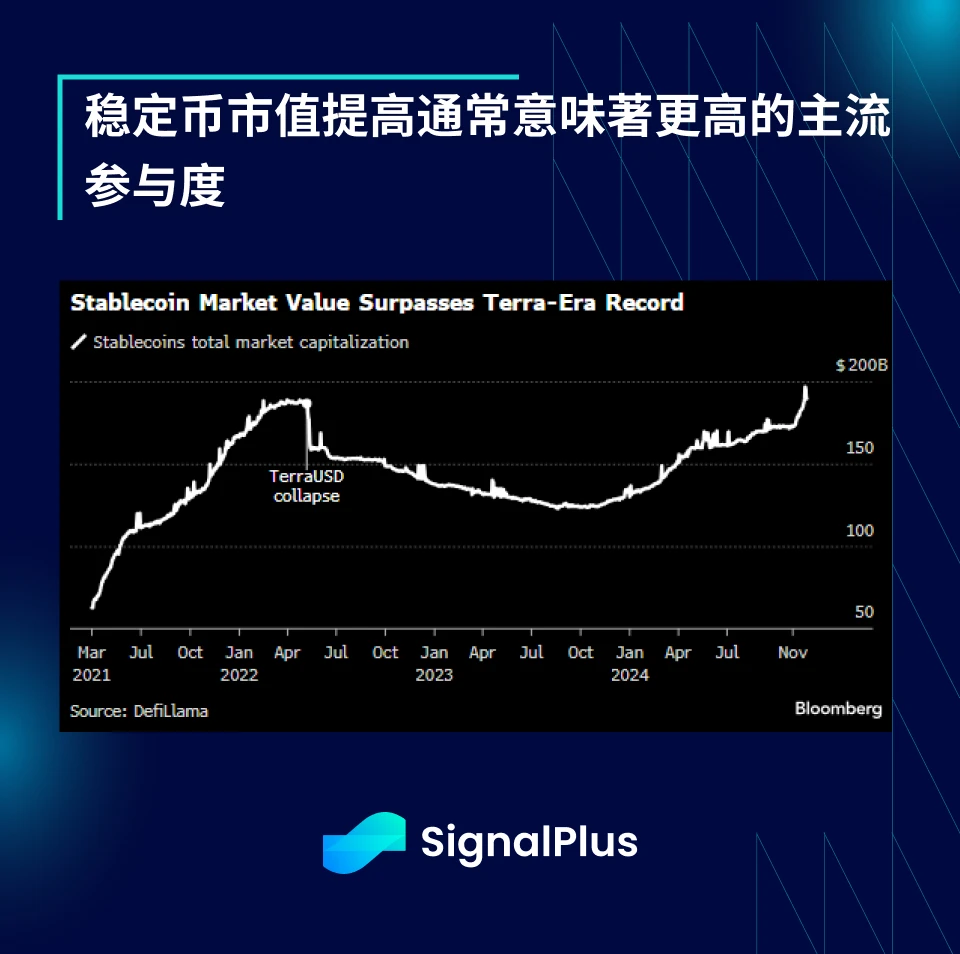
无论如何,加密货币的基本指标仍然乐观,稳定币的市值终于超过了 Terra-Luna 时期的高点。稳定币通常是大多数法币用户进入加密货币市场的第一站,而较高的市值(价格固定,因此完全由数量驱动)表明主流参与度更高。

随著投资者投入更多新资金,新的一年会出现更快速的增长吗?希望如此!
SignalPlus宏观分析特别版:Final Stretch

SignalPlus宏观分析特别版:Final Stretch

您可在 t.signalplus.com 使用 SignalPlus 交易风向标功能,获取更多实时加密资讯。如果想即时收到我们的更新,欢迎关注我们的推特账号@SignalPlusCN,或者加入我们的微信群(添加小助手微信:SignalPlus 123)、Telegram 群以及 Discord 社群,和更多朋友一起交流互动。

SignalPlus Official Website:https://www.signalplus.com

Leituras Relacionadas

Tsinghua AI Mathematician Emerges: From Intuition to Theorem, Contributing to an 84-Page Quantum Algorithm Paper

Tsinghua University’s Intelligent Industry Research Institute (AIR) has developed an AI mathematician agent named AIM, designed not just to solve math problems but to actively participate in early-stage research. In a recent study, researchers collaborated with AIM to develop "Sign Embedding Quantum Algorithms," resulting in an 84-page paper on quantum algorithms for matrix equations and functions. The research began with a human researcher's intuition: can rational approximation serve as a design principle for quantum algorithms? AIM helped expand this idea into multiple candidate research directions. Human researchers then filtered and focused on the most promising path. AIM assisted in organizing theorems, generating proof drafts, and performing complexity analysis, while humans maintained oversight, auditing assumptions and refining derivations. This case illustrates a human-AI collaborative workflow: AI rapidly explores and expands research avenues, generates draft materials, and aids in checking derivations; human researchers provide critical judgment on direction, value, and validity. The process emphasizes "high-throughput candidate generation + human value gating + AI-assisted audit and repair + human final integration." The resulting quantum algorithm framework offers a unified approach to several matrix problems, advancing quantum linear algebra under more general conditions. This work suggests AI's role in theoretical research is evolving from task-specific assistance to supporting the entire research lifecycle—enhancing exploration and efficiency while keeping human expertise central to guiding inquiry and ensuring rigor. *Paper & System Links:* - AIM application report: https://arxiv.org/abs/2606.24899 - Quantum algorithm paper: https://arxiv.org/abs/2604.25333 - AIM repository: https://github.com/TheoryFoundry/AIMv2

marsbitHá 2m

Tsinghua AI Mathematician Emerges: From Intuition to Theorem, Contributing to an 84-Page Quantum Algorithm Paper

marsbitHá 2m

Short-Lived Meme Mania: Can It Be the Icebreaker for Robinhood's RWA Narrative?

Robinhood recently launched its own Layer 2 network, Robinhood Chain, built on Arbitrum and focusing on tokenized stocks, RWA, DeFi, and AI finance. Shortly after launch, a meme coin called CASHCAT, named after an early unused Robinhood brand, surged in popularity, achieving a market cap near $150 million and high daily trading volume. It gained traction through third-party DEXs and launchpads like Uniswap and Noxa.fun, bypassing Robinhood's official listing process. This highlights a key feature of the permissionless chain: even assets not officially approved can achieve significant liquidity and trading activity. While CASHCAT currently dominates the chain's meme coin sector, its high turnover indicates speculative trading. The rapid proliferation of new meme coins risks dispersing liquidity. Meanwhile, the chain's core RWA sector remains relatively small at $12.5 million. CEO Vlad Tenev has expressed that the chain is well-suited for both RWA and meme coins. In the optimistic scenario, meme-driven activity could bootstrap the chain's user base and liquidity for its long-term RWA vision. However, if the meme frenzy fades quickly, the RWA narrative may struggle to gain traction independently. The incident demonstrates that on a permissionless platform, the market itself can create major assets, offering Robinhood a potential new growth avenue beyond its core crypto business as it navigates the long-term development of the tokenized asset market.

Foresight NewsHá 5m

Short-Lived Meme Mania: Can It Be the Icebreaker for Robinhood's RWA Narrative?

Foresight NewsHá 5m

The Fall of Zapper: An Act of God or a Human Error?

The Fall of Zapper: A Post-Mortem of a DeFi Pioneer In July 2026, Zapper, a once-dominant DeFi portfolio tracker, announced its shutdown. Born in 2020 from a merger, Zapper capitalized on the DeFi Summer boom, reaching 2 million monthly users and processing over $13B in transactions, backed by $16.5M in funding from investors like Framework Ventures and Coinbase Ventures. Its core "Zap" feature simplified complex multi-step DeFi operations. Despite its early success, Zapper failed to build a sustainable business model. Revenue from DEX aggregation was minimal due to fierce competition, while maintaining its multi-chain data infrastructure was costly. Furthermore, the DeFi landscape shifted: capital consolidated around top protocols, reducing the need for complex portfolio tracking across numerous platforms. Zapper's user base and core demand eroded. The company attempted multiple pivots, including an NFT-based points system, a social app (Chainchat), and plans for a ZAP token protocol. However, these initiatives—often focused on creating new, speculative C端需求 rather than solving existing pain points—ultimately failed. Critics argue Zapper remained trapped in a "blockchain purist" mindset, prioritizing costly, non-revenue-generating features over its competitive DEX aggregator. Unlike competitor DeBank, which successfully pivoted to its Rabby Wallet, Zapper lacked a diversified revenue stream. Its closure highlights the peril for tooling projects that fail to adapt to market shifts and monetize effectively, serving as a cautionary tale for the industry.

Foresight NewsHá 44m

The Fall of Zapper: An Act of God or a Human Error?

Foresight NewsHá 44m

Trading

Spot
活动图片