По мнению миллиардера, к биткойну следует относиться так же, как к золоту и нефти

cryptonews.ruPublicado em 2023-11-29Última atualização em 2024-09-29

27 сентября Говард Лютник, генеральный директор Cantor Fitzgerald, выступил на канале Fox Business и призвал регулирующие органы признать Биткойн товаром, аналогичным золоту и нефти.

В течение интервью ты для шоу"Утро с МариейЛютник подчеркнул устоявшийся статус Биткойна как товара и призвал к усилению нормативной базы в криптосекторе. Он заявил:

Биткойн — это товар. К нему следует относиться как к золоту и как к нефти. Это просто товар.

Отвечая на вопрос Марии Бартиромо, будут ли биржевые товары Кантора Фицджеральда подчиняться правилам, аналогичным правилам акций, Лютник выразил уверенность, что в течение длительного периода времени, возможно, 20 лет, границы между товарами и акциями размываются. Миллиардер выразил обеспокоенность тем, что регуляторы изо всех сил пытаются понять важность ведущей криптовалюты и более широкого рынка цифровых активов, поделившись:

Давайте посмотрим правде в глаза: они вообще не знают, как обращаться с криптовалютами и цифровыми активами, и понятия не имеют. Они до сих пор не понимают, насколько важно все сделать правильно.

Кроме того, Лютник недавно объявил о запуске программы кредитования BTC на Биткойн-конференции в Нэшвилле, целью которой является привлечение держателей с первоначальным выделением 2 миллиардов долларов через его бизнес по финансированию BTC. Свое выступление на конференции он завершил пожеланием Биткойн выйти на более широкий финансовый рынок.

Кроме того, Лютник станет сопредседателем переходной команды Дональда Трампа, если бывший президент победит на выборах в ноябре. Вместе с соучредителем WWE Линдой МакМэхон он поможет организовать политику и управлять персоналом во время переходного периода. Алекс Грив из Paradigm отметил на платформе X, что роль Лютника важна для сектора криптовалют, поскольку он является известным защитником цифровых активов.

Leituras Relacionadas

In the AI Era, What's Left for Bitcoin?

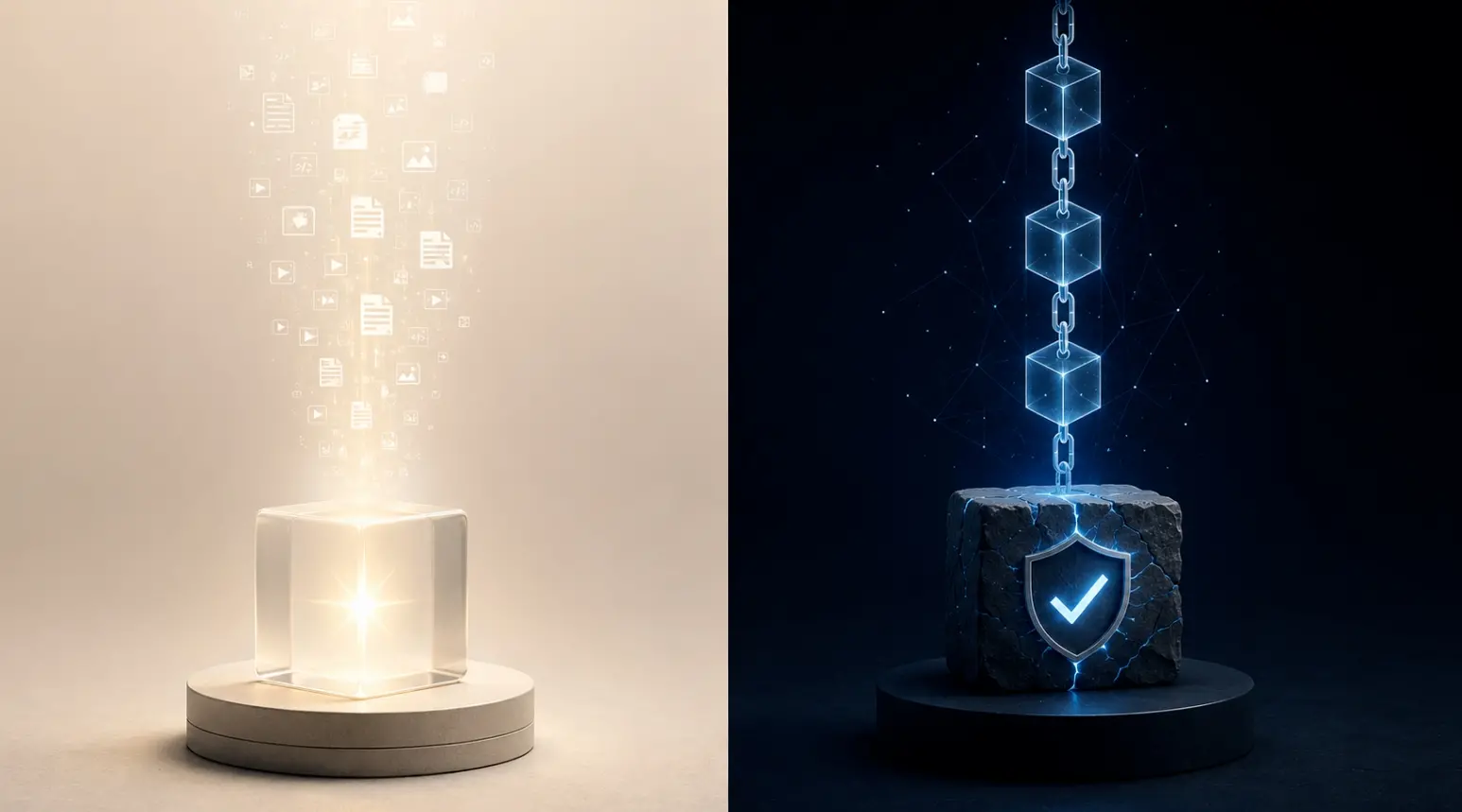
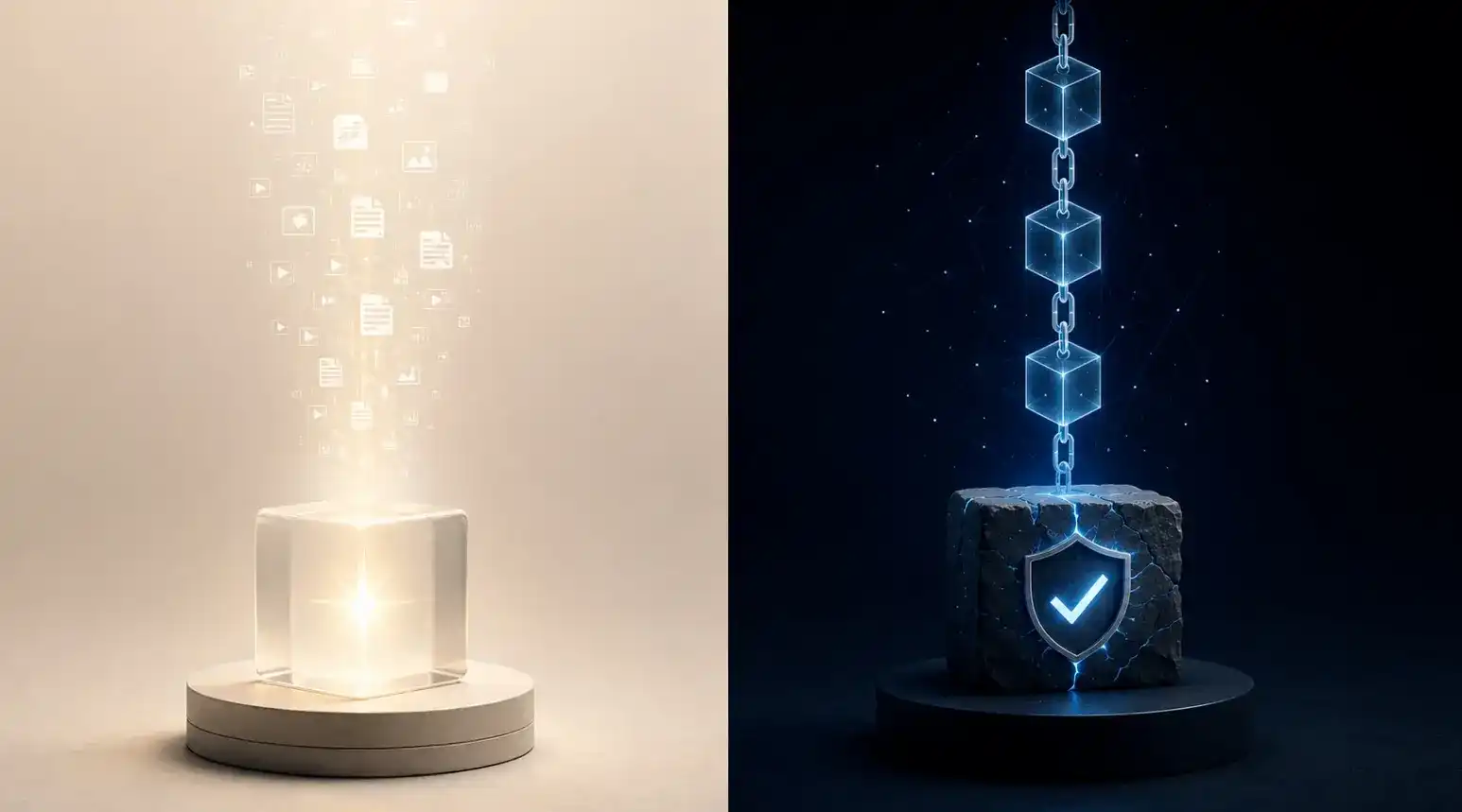
As Bitcoin falls below $60,000, the author reflects on the relationship between AI and Bitcoin, seeing them as two sides of the same coin. In the AI era, the cost of generating content has plummeted, making fake text, images, and videos increasingly easy and cheap to produce. This has led to a fundamental shift: while AI dramatically lowers the cost of information production, it also undermines trust and authenticity online. What becomes truly valuable is not more content, but the ability to verify what is real—"verifiability." This perspective offers a new lens for Bitcoin. Its massive energy consumption, often criticized as wasteful, is reinterpreted. While AI burns energy to enhance "capability" and efficiency, Bitcoin burns energy to produce "verifiability." Its purpose is not to be trusted but to enable a system where no trust in intermediaries—banks, platforms, or developers—is needed. Every transaction and the entire ledger's history is secured by cryptography and a decentralized network of nodes, making it independently verifiable. AI cannot forge a transaction on the Bitcoin network because the system is designed for proof, not generation. The author draws a historical parallel to the Renaissance: the printing press drastically reduced the cost of copying knowledge, while double-entry bookkeeping reduced the cost of trust in commerce. Today, AI is the new printing press, reducing content creation costs to near zero. Blockchain, and Bitcoin as its pioneer, may be the modern equivalent of double-entry bookkeeping—a foundational technology for verifying digital asset ownership and historical records without centralized authorities. Thus, AI and blockchain are not competitors. AI lowers the cost of creation; blockchain lowers the cost of verification. In an age where AI can generate anything, true scarcity may lie not in more content, but in independently verifiable facts. Whether the market will reprice Bitcoin accordingly remains uncertain, but its core value proposition as a "machine for producing verifiability" becomes strikingly relevant.

marsbitHá 20m

In the AI Era, What's Left for Bitcoin?

marsbitHá 20m

In the Age of AI, What's Left for Bitcoin?

Author: Sevclub, Seven Research Amid Bitcoin's recent drop below $60k, the author reflects on a growing sense that AI and Bitcoin are two sides of the same coin. Today, encountering any content triggers a new default question: "Was this made by AI?" The cost of generating convincing text, images, and video is now negligible. While the internet lowered information *distribution* costs, AI is crashing information *production* costs to near zero. The consequence is a flood of content where truth and falsehood are increasingly indistinguishable. In this environment, what becomes truly valuable is not more information, but the ability to verify what is real—"verifiability." This reframes the common criticism that Bitcoin "wastes electricity." AI consumes power to produce "capability" (e.g., more powerful models). Bitcoin consumes power to produce something else: "verifiability." Bitcoin's core purpose isn't about belief or trust in any institution, developer, or even its creator. It's about enabling independent verification. Every bitcoin's origin, every transaction, and the integrity of the entire ledger are secured by mathematics, cryptography, and a global network of nodes. AI can fabricate convincing media, but it cannot falsify a transaction on the Bitcoin network. The expended energy makes篡改历史 (tampering with history) prohibitively expensive, purchasing a globally verifiable ledger. The author draws a historical parallel to the Renaissance. The printing press drastically reduced the cost of copying knowledge, while double-entry bookkeeping reduced the cost of trust in commerce—one enabled creation, the other verification. Today, AI is the new printing press, driving content production costs toward zero. The question becomes: what is this era's "double-entry bookkeeping"? Blockchain appears to be the leading candidate. It doesn't verify which news is true or which image is real, but it provides a foundational layer for independently verifying asset ownership and historical records in the digital realm without centralized authorities. Therefore, AI and blockchain are not in competition. AI lowers the cost of *generation*. Blockchain (and Bitcoin as a prime example) lowers the cost of *verification*. One creates, the other proves. Whether Bitcoin ultimately succeeds remains uncertain, facing potential challenges from quantum computing, regulation, and technical evolution. However, the author now sees it less as a "machine for making bitcoin" and more as a "machine for making verifiability." In an age where AI can generate anything, true scarcity may no longer be "more content," but "more independently verifiable facts." Whether the market will price this accordingly is a separate question.

链捕手Há 28m

In the Age of AI, What's Left for Bitcoin?

链捕手Há 28m

Trading

Spot
活动图片