Запуск Worldcoin еще в трех странах

cryptonews.ruPublicado em 2024-09-26Última atualização em 2024-09-26

Worldcoin вырос третий день подряд после того, как разработчики расширили запуск своих продуктов на большее количество стран.

Worldcoin запускается еще в трех странах

Worldcoin (WLD) повторно протестировал важный уровень сопротивления на уровне 2 долларов, что является самым высоким показателем с августа. 2. Токен вырос более чем на 54% по сравнению с самым низким уровнем в августе.

В своем заявлении разработчики объявили, что запустили World ID в Гватемале, Малайзии и Польше. Помимо этих стран, Worldcoin доступен в таких местах, как Аргентина, Чили, Австрия, Мексика и Соединенные Штаты

Согласно веб-сайту Worldcoin, разработчики провели более 6,7 миллионов проверок World ID, и за последние семь дней к ним присоединились 155 000 учетных записей.

Одновременно количество транзакций с кошельков возросло до 142 миллионов, в то время как ежедневные транзакции с кошельков выросли почти до 400 000.

Worldcoin, запущенный Сэмом Альтманом, также работает над World Chain, сетью Ethereum (ETH) уровня 2. Альтман является соучредителем и исполнительным директором OpenAI, компании, стоящей за ChatGPT.

Разработчики надеются, что запуск сети снизит плату за газ и упростит процесс масштабирования. Кроме того, сеть будет включать данные World ID для предотвращения автоматизированных ботов. Кроме того, верифицированные пользователи будут делиться частью платы за газ, которую генерирует сеть.

Основная проблема пользователей и политиков связана с конфиденциальностью данных. Например, регистрация World ID была приостановлена на несколько месяцев в Кении, поскольку тысячи людей выстроились в очередь для прохождения верификации. Также возникли проблемы с конфиденциальностью в таких местах, как Гонконг и Португалия.

Вам также может понравиться: Криптовалюта Worldcoin основателя OpenAI интегрирует неограниченное количество фиатных конверсий

Worldcoin, возможно, достигла дна

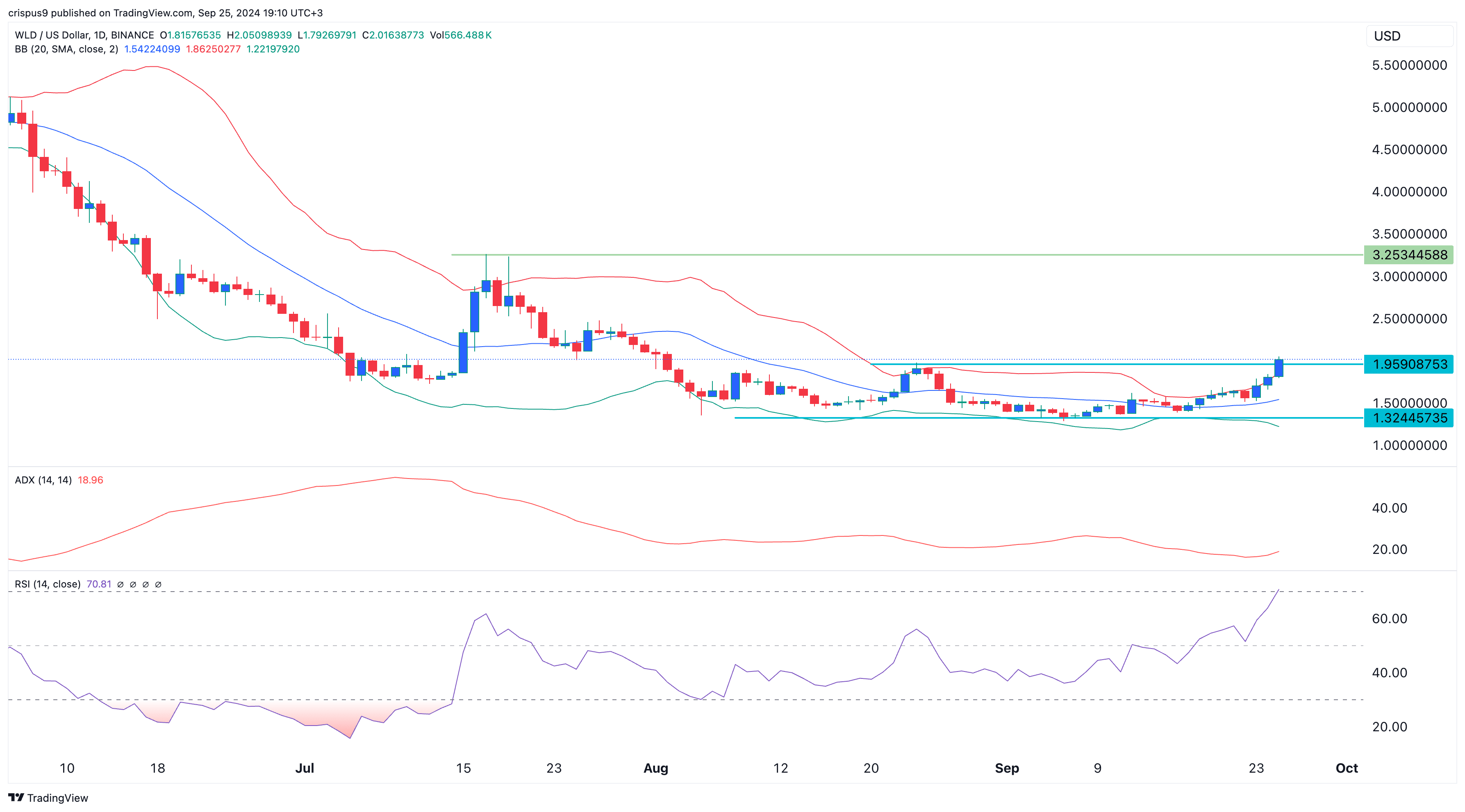
График цен на Worldcoin | Источник: TradingView

Отскок WLD произошел после того, как он нашел сильную поддержку на уровне $ 1.3245, где сформировал модель двойного дна.

С тех пор монета поднялась выше линии этой модели на 1,95 доллара. Средний индекс направления направлен вверх, в то время как WLD переместился к верхней части индикатора широких полос Боллинджера. Кроме того, индекс относительной силы вырос до точки перекупленности 70.

Worldcoin, вероятно, продолжит расти, и следующим базовым уровнем для наблюдения будет $ 3,25, что является максимальным значением в июле.

Это восстановление, вероятно, будет зависеть от производительности других криптовалют, особенно биткоина (BTC). Если биткоин достигнет рекордного уровня, как прогнозируют пользователи Polymarket, альткоины, такие как WLD, также будут расти.

Leituras Relacionadas

Dialogue with Multicoin Partner: The Crypto Market Has Bottomed Out, Favoring Three Cryptocurrencies in This Cycle

In a recent interview, Multicoin Capital managing partner Tushar Jain shared his views on the crypto market. He believes the market has bottomed and is at an inflection point, citing that negative news no longer causes significant price declines and application adoption continues to grow. Jain remains highly bullish on Solana, viewing it as the correct architectural choice for internet capital markets, particularly for spot and tokenized security trading. He is also positive on Hyperliquid, noting its leadership in decentralized derivatives trading. His investment approach focuses on concentrating capital in top convictions rather than equal allocation. A distinct opportunity he highlights is Zcash (ZEC), which he sees as a return to the industry's cypherpunk ethos and a potential top-five asset by market cap. For assets like Zcash without cash flows, his valuation framework is based on relative market cap ranking. Regarding investment strategy, Jain employs a "three-part" entry method to avoid timing pitfalls and emphasizes long-term "active management" over "active trading." He outlines four sources of investment edge: informational, analytical, behavioral/psychological, and structural. On portfolio management, the fund uses Bitcoin as its "cash," selling assets into Bitcoin during market euphoria to reduce beta risk and using Bitcoin to buy dips. Sales occur only if a better opportunity arises, the investment thesis breaks, or valuations become excessively overheated. While respectful of Ethereum's resilience, he questions its unclear scaling roadmap. Finally, Jain reaffirms his commitment to the thesis that blockchains will form the foundational architecture for future capital markets.

marsbitHá 20m

Dialogue with Multicoin Partner: The Crypto Market Has Bottomed Out, Favoring Three Cryptocurrencies in This Cycle

marsbitHá 20m

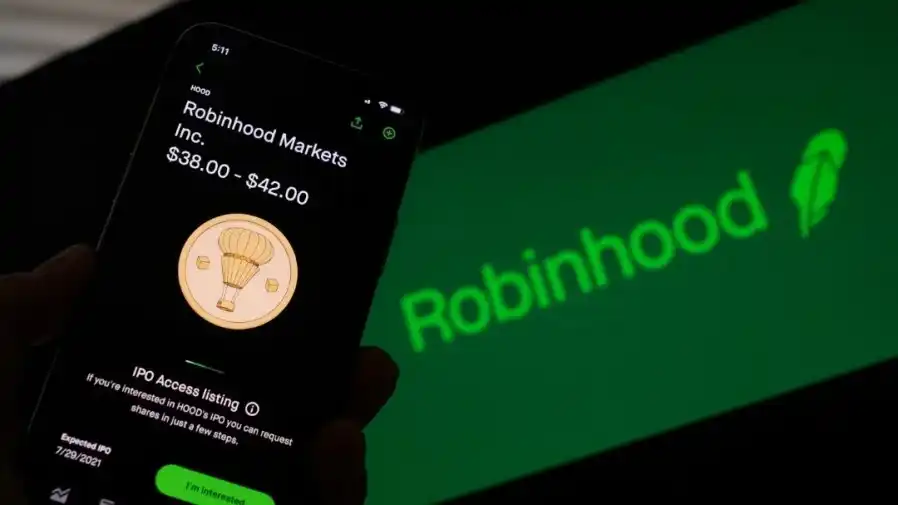
Behind Robinhood's Chain Launch and Tokenized Stocks: No Equity Rights, How Far Can This Packaging Game Go?

Robinhood is launching its own Layer 2 blockchain (Robinhood Chain) and "tokenized stocks," but these are not actual equity shares. The tokens are legally structured as debt securities or derivatives, offering economic exposure to a reference stock without granting voting rights or direct ownership. This move represents Robinhood's strategy to expand from a traditional brokerage into a "financial super app," building a user-friendly, programmable financial interface on top of complex, legally compliant, and jurisdiction-specific backend structures. The company's existing business remains strong, driven by options, event contracts, and stock trading. The new blockchain and tokenization efforts are an ambitious layer of infrastructure built atop this core, aiming to make financial products more portable and globally accessible via crypto rails. Key components include the Robinhood Wallet, Bitstamp acquisition (for institutional reach), the Lighter perpetual contracts platform, and Robinhood Earn (DeFi yield). The central challenge is the "brokerage chain paradox": maintaining a simple, intuitive user experience while the underlying assets are highly structured, regulated, and legally distinct from direct ownership. The success of this strategy depends on users, developers, and regulators accepting this model. If the complexity is misunderstood or deemed misleading, it could create product liability issues and stall expansion. The initiative is a significant infrastructure play, but its long-term viability hinges on navigating this fundamental tension between simplicity and legal reality.

marsbitHá 1h

Behind Robinhood's Chain Launch and Tokenized Stocks: No Equity Rights, How Far Can This Packaging Game Go?

marsbitHá 1h

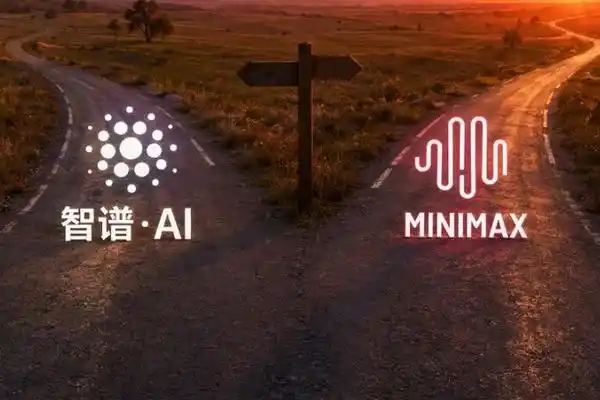
Zhipu, Afraid of Becoming the Next MiniMax

Title: Zhipu, Fearing to Become the Next MiniMax In July 2026, amid the success of its coding-focused AI, Zhipu's founder, Tang Jie, issued an internal letter titled "The Giant Wave Has Come." It notably avoided celebrating recent triumphs, such as Zhipu's trillion-HKD market cap and booming MaaS revenue driven by its GLM-5.2 model in coding applications. Instead, the letter pivoted the narrative to future-oriented concepts like Long Horizon Task, Autonomous Agents, Self-Evolving systems, and AGI. This strategic shift in messaging followed the sharp devaluation of its competitor, MiniMax. After its lock-up period expired, MiniMax's stock plummeted as the market began evaluating it with traditional SaaS metrics like ARR and user growth, rather than as a frontier AI pioneer. Seeing this, Tang Jie aimed to preempt a similar revaluation of Zhipu. He fears that if the market starts viewing Zhipu primarily as a profitable "AI coding company," its valuation would become anchored to conventional financial metrics, losing the premium associated with AGI potential. Therefore, the letter reframed Zhipu's mission. While acknowledging that coding was the current commercial driver, Tang positioned Zhipu on the "infrastructure path," akin to OpenAI and Anthropic. The new focus is on developing agents capable of complex, long-term planning and autonomous operation—moving from assisting individuals (OPC: One Person Company) to automating entire organizations (NPC: No People Company). This "Touch High" plan explicitly prioritizes long-term AGI research over short-term monetization. The article frames this as a critical divergence in China's AI landscape: the "commercialization path" (exemplified by MiniMax) versus the "infrastructure path" (chosen by Zhipu). The former risks being judged harshly by internet-era metrics once growth slows, while the latter risks failing if technological breakthroughs stall. Tang Jie's letter is thus a calculated move to secure Zhipu's identity as an AGI contender, buying time before the inevitable market demand for commercial proof. The core question remains: can Zhipu's "mo gao" (reach high) plan achieve genuine technological leaps fast enough to outpace the market's diminishing patience for stories over substance?

marsbitHá 1h

Zhipu, Afraid of Becoming the Next MiniMax

marsbitHá 1h

Trading

Spot
活动图片