对话 a16z 法律专家:代币发行的“做”与“不做”

深潮Publicado em 2024-09-02Última atualização em 2024-09-02

在寻找产品市场契合时如何避免常见陷阱?

整理 & 编译:深潮TechFlow

嘉宾:Eddy Lazzarin, a16z crypto 首席技术官; Miles Jennings,总法律顾问兼去中心化负责人

主持人:Robert Hackett,a16z crypto 的运营合伙人以及内容和编辑部的负责人

播客源:a16zcrypto

原标题:Token do's and don'ts

播出日期:2024年8月8日

背景信息

本期 a16z 的 Web3 节目将全面探讨 Token 的相关内容——包括 Token 在去中心化协议中的作用、不同类型的 Token,以及设计和发行 Token 的注意事项。

本期嘉宾是来自 a16z crypto 的首席技术官 Eddy Lazzarin 和总法律顾问兼去中心化负责人 Miles Jennings,他们曾为众多项目提供协议设计和 Token 设计的建议。他们将讨论 Web3 与早期技术时代的区别;在寻找产品市场契合时如何避免常见陷阱;如何评估各种设计和策略,以及它们的风险与回报;等等。

去中心化协议的必要性

代币的核心作用

  • Eddy 解释了去中心化协议为何需要代币来维持其可持续性,并激励所有利益相关者的参与。他指出,代币不仅仅是支付工具,而是用户和网络参与者用来表示其所有权和控制权的手段。Eddy 强调,代币应被视为一种工具,使用户和利益相关者能够在网络中代表其所有权和控制权,而不仅仅是用于购买传统商品的支付媒介。

代币与传统协议的对比

  • 在对比 Web1 和 Web2 的协议时,Eddy 提到,虽然 Web1 的协议如 HTTP 和 SMTP 是去中心化的,但它们最终被大公司所吸收,导致用户失去了对这些协议的控制权。他指出,去中心化协议通过引入代币,可以通过经济激励来维持去中心化。这种经济激励机制使得协议能够在不依赖于中心化实体的情况下持续运作,从而避免了类似 Gmail 这样的大型公司对用户的控制。

  • Eddy 还提到,去中心化协议的优势在于能够将所有利益相关者聚集在一起,并通过代币的经济模型确保协议的可持续性和价值。他认为,代币是实现这一目标的关键工具,因为它们能够在程序中编写和执行,确保协议按照设计持续运作。

代币的类型与分类

  • Eddy 在讨论中提到了几种不同类型的代币,指出每种代币在去中心化协议中都有其独特的功能和市场定位。他列举了一些常见的代币类型,包括:

    • Stablecoins:例如 USDC 和 USDT,这类代币通常锚定法定货币的价值,旨在减少价格波动,为用户提供更稳定的价值储存和交易媒介。

    • Arcade Tokens:这种代币通常用于特定的应用场景或平台内,类似于游戏中的积分或奖励系统,用户可以通过参与活动或完成任务来获取。

    • Meme Coins:这类代币通常起源于互联网文化或社交媒体上的幽默内容,尽管它们可能缺乏实质性应用,但由于其社群驱动的特性,有时能够获得广泛关注和投机兴趣。

  • Eddy 强调,不同类型的代币在设计和推出时需要考虑其特定的功能和目标市场,以确保其在去中心化协议中的有效性和可持续性。

法律与监管挑战

监管不确定性

  • Miles 在讨论中强调了代币发行和去中心化协议面临的法律风险和监管不确定性。他指出,随着加密货币和区块链技术的快速发展,全球各地的监管机构对这些新兴技术的关注度不断提高。然而,由于法律框架尚未完全成熟,项目在设计和发行代币时常常面临复杂的法律和合规挑战。

  • Miles 提到,项目团队在推出代币时需要仔细考虑其法律结构,以避免潜在的法律问题和监管处罚。他建议团队采取不同的策略来减轻这些风险,包括:

    • 合规性审查:在代币设计阶段进行详尽的法律和合规性审查,以确保符合当地和国际的法律法规。

    • 法律咨询:寻求专业的法律顾问意见,以了解最新的监管动态和要求,从而制定适当的合规策略。

    • 透明度和沟通:保持与监管机构的透明沟通,积极配合监管要求,以建立信任和减少法律风险。

  • Miles 强调,尽管法律和监管环境充满挑战,但通过谨慎的规划和专业的法律支持,项目可以有效导航这些复杂的领域,并在合规的基础上实现创新和增长。

治理和去中心化的价值

去中心化的技术和法律优势

  • Eddy 和 Miles 强调了去中心化在技术和法律上的重要性。他们指出,去中心化协议通过分散控制权,能够为用户和社区提供更大的自治权和透明度,从而增强系统的可靠性和信任度。

    • 技术优势Eddy 提到,去中心化系统通过分布式网络架构,减少了单点故障的风险,提高了系统的弹性和安全性。这种架构使得协议能够在没有中心化实体的情况下持续运作,并且在面对外部攻击或内部故障时更具恢复能力。

    • 法律优势Miles 讨论了去中心化在法律上的潜在优势。他指出,去中心化协议可以通过分散的治理结构减少对单一主体的依赖,从而降低法律责任的集中风险。此外,去中心化的治理机制能够赋予社区成员更多的决策权,使得协议能够更好地反映用户的需求和利益。

代币治理的利弊

  • 在谈到代币治理时,Eddy 和 Miles 也探讨了其潜在的利弊。代币治理通常涉及代币持有者通过投票或其他机制参与协议的决策过程,这种方式可以增强社区参与感和协议的民主性。然而,他们也指出,代币治理可能带来一些挑战,例如:

    • 治理参与度:尽管代币治理赋予了用户参与决策的权利,但实际参与度可能较低,导致少数大型持有者对决策过程的过度影响。

    • 复杂性和效率:去中心化治理机制可能增加决策过程的复杂性和时间成本,影响协议的响应速度和创新能力。

  • 尽管存在这些挑战,Eddy 和 Miles 仍然认为去中心化治理是实现协议长期成功和可持续发展的关键因素之一。

市场和产品契合

定义与重要性

  • 市场和产品契合(Product-Market Fit)是指产品能够满足目标市场的需求,并在市场中找到其定位的状态。

  • Eddy 强调了这一概念在去中心化协议和代币项目中的重要性。他指出,市场和产品契合是项目成功的关键,因为它决定了产品能否在用户中获得广泛采用和持续使用。

实现市场和产品契合的策略

  • 用户需求分析Eddy 建议项目团队深入了解目标用户的需求和痛点,以确保产品设计和功能能够真正解决用户的问题。这需要进行广泛的市场调研和用户反馈收集。

  • 迭代与优化:通过不断的产品迭代和优化,项目可以更好地适应市场变化和用户需求。Eddy 强调,灵活性和快速响应是实现市场和产品契合的重要因素。

  • 社区参与:在去中心化项目中,社区的参与和支持是至关重要的。Eddy 认为,通过建立强大的社区关系,项目可以获得宝贵的用户反馈和市场洞察,从而更好地调整产品策略。

  • 市场教育:对于新兴技术和产品,市场教育是帮助用户理解和采用产品的关键。Eddy 建议项目团队投入资源进行市场教育活动,以提高用户对产品的认知和接受度。

挑战与解决方案

  • 实现市场和产品契合并非易事,Eddy 指出了一些常见的挑战,如市场竞争激烈、用户需求多样化等。他建议项目团队通过差异化策略和独特的价值主张来应对这些挑战,同时保持对市场趋势和用户反馈的敏感性,以便及时调整和优化产品。

代币发行的良好与不良实践

  • 代币发行是区块链项目筹集资金和推动生态系统发展的关键步骤。然而,代币发行过程中存在良好和不良的实践,需要项目团队仔细考虑和遵循。以下是一些常见的良好与不良实践:

良好实践

  • 去中心化

    • Eddie 和 Miles 强调了去中心化的重要性,认为这是区块链技术的核心价值之一。去中心化不仅有助于减少对管理者的依赖,还能带来技术和法律上的优势。

    • 去中心化的系统能更好地保护用户免受信息不对称的影响,并且在法律上也能减少被视为证券的风险。

  • 明确的经济模型

    • 以太坊被提及为一个成功的例子,因为它有一个明确的经济模型,能够在长期内保持价值。

    • 代币应该有明确的用途,而不是仅仅作为投机工具存在。

  • 社区驱动和参与

    • 有效的代币发行应鼓励社区参与,确保代币的用途和治理机制清晰且必要。

不良实践

  • 去中心化作秀

    • Miles 提到“去中心化作秀”,即项目声称去中心化,但实际上仍由中心化的团队控制。这种做法没有技术上的优势,并且可能导致消费者风险。

  • 缺乏明确用途的代币

    • 发行仅用于治理的代币被认为是不良实践,尤其是当治理并非真正需要时。

    • Robert Hackett 提到的例子中,有些项目强制用户使用其代币,而这些代币并没有实际的功能或价值。

  • 法律风险

    • 在美国公开销售代币可能会被视为证券,Miles 强调这种做法应尽量避免,因为这会带来巨大的法律风险。

  • 过早发行代币

    • Miles 指出,许多项目在没有明确用途或市场契合度之前就过早发行代币,这往往导致失败。

  • 通过遵循良好的实践,项目团队可以提高代币发行的成功率,并为项目的长期发展奠定坚实的基础。

总结与建议

  • 去中心化的重要性

    • 去中心化不仅是法律上的需求,更是技术上的核心价值。它提供了系统的鲁棒性和全球适应性,使得用户和开发者可以信任和依赖这些系统。

    • 去中心化可以减少对管理层的依赖,降低信息不对称的风险。这是证券法的核心关注点之一。

  • 明确代币的用途:

    • 在发行代币之前,项目需要明确代币的实际用途。代币不应仅仅作为投机工具存在,而是应该有助于协议的运行和生态系统的健康发展。

  • 避免过早发行代币:

    • 许多项目在没有清晰的产品市场契合度和代币用途之前就仓促发行代币,这会带来法律风险和市场失败的可能。项目应该在确定代币的功能和市场需求后再进行发行。

  • 法律合规与风险管理:

    • 项目在代币发行时应充分考虑法律合规性,特别是在美国市场。避免不必要的法律风险,比如公开销售可能被视为证券的代币。

    • 通过去中心化、排除美国市场或限制代币的可转让性等策略,可以在一定程度上降低法律风险。

  • 社区参与和治理:

    • 社区的参与对于项目的长期成功至关重要。项目应设计合理的治理机制,确保社区能在必要时有效参与决策。

    • 投票应作为最后的手段,仅在必要时使用,而不是作为代币发行的主要理由。

  • 经济模型和激励机制:

    • 代币的经济模型应经过仔细设计,以避免不必要的投机行为和市场操纵。项目应该专注于建立可持续的经济生态系统。

    • 在设计激励机制时,应注意平衡供需双方的利益,确保市场的稳定和可预测性。

  • 关注产品而非代币:

    • Eddie 强调,创始人应该专注于协议的设计和实现,而不是仅仅关注代币本身。代币是协议的一部分,而不是全部。

Leituras Relacionadas

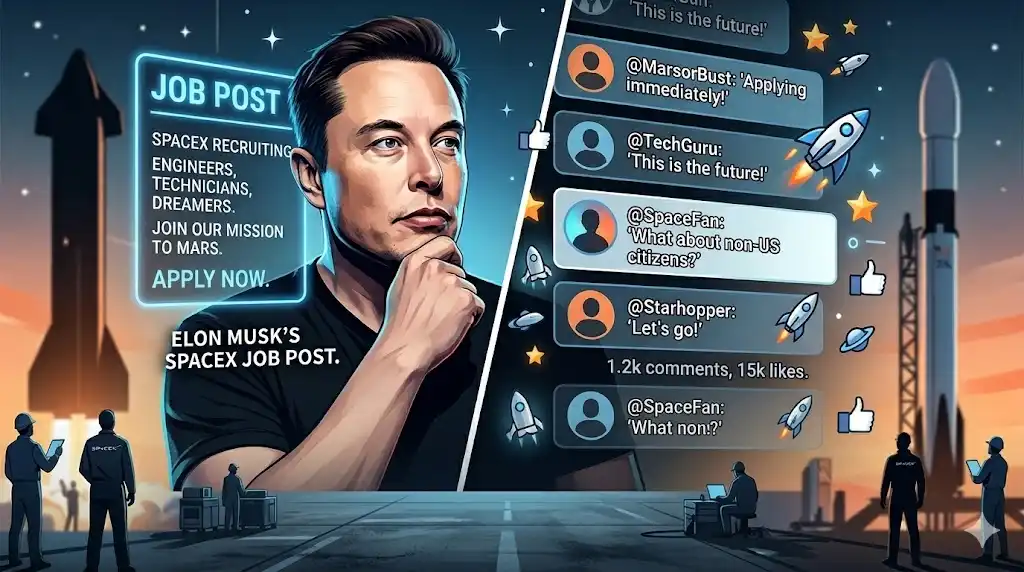
Musk Posted a Recruitment Ad for SpaceX, and After Reading the Comments Section, I Understood

On May 20th, SpaceX filed for a landmark IPO with a $1.75 trillion valuation. Shortly after, Elon Musk posted a recruitment call on X, seeking "world-class engineers and physicists" for SpaceX. The application process was starkly simple: email with three bullet points proving "exceptional ability," with real, complex projects as a plus. Musk promised to review qualifying emails himself. The post garnered millions of views and thousands of replies, revealing a spectrum of responses. Most comments, including a highly-upvoted humorous one listing absurd "skills," merely listed credentials or experiences in a conventional, non-differentiating way. This highlighted a key insight: a traditional resume listing degrees and skills often fails to demonstrate true exceptionalism. Effective self-presentation requires "performance efficiency." A standout reply came from an OpenAI engineering lead, who simply stated "codex." This demonstrated that for those who have built significant, recognized products, the product itself becomes the ultimate resume. The article argues that in the AI era, any tangible, shareable output—a tool, research, or online project—serves as a living, self-evident credential more powerful than a list of attributes. However, a twist emerged when applicants found the provided email address non-functional, leading to speculation that the post might also serve as an IPO publicity stunt, projecting an image of aggressive talent acquisition to investors. Ultimately, the episode served as a microcosm: some participate through performance, others through proof of work, while some question the reality of the stage itself. It underscores the enduring challenge of defining and demonstrating value in an age of abundant, yet often superficial, content.

marsbitHá 57m

Musk Posted a Recruitment Ad for SpaceX, and After Reading the Comments Section, I Understood

marsbitHá 57m

Cutting Off OpenAI, Anthropic Acquires the Tool Provider Used by a Quarter of Global Developers

Anthropic has acquired Stainless, a developer tool company that automatically generated official SDKs (Software Development Kits) for AI giants including OpenAI, Anthropic, Meta, and Cloudflare. The deal, reportedly valued at around $300 million, marks a strategic shift for Anthropic as it builds its "AI agent" infrastructure. Stainless acted as a "translator," converting complex API specifications into ready-to-use code libraries for developers. Its tools indirectly reached about a quarter of professional software developers globally. Following the acquisition, Stainless will shut down its public products and its team will join Anthropic to focus on internal platform development, notably for the Claude Platform. Existing SDKs remain with their respective client companies but will no longer receive updates from Stainless. This move is part of Anthropic's broader 18-month strategy to assemble a complete "agent stack." The stack consists of the Claude model at its core, the newly acquired Stainless for standardized API interfaces, and the Model Context Protocol (MCP), an open standard for connecting agents to external tools and data. This contrasts with OpenAI's focus on model generations and consumer-scale compute. Anthropic believes an agent's ultimate utility depends on its ability to connect to external systems. By internalizing the SDK layer and promoting MCP as a connection standard, Anthropic aims to lock in long-term ecosystem advantages and create path dependency, moving beyond the transient lead provided by any single model generation.

marsbitHá 58m

Cutting Off OpenAI, Anthropic Acquires the Tool Provider Used by a Quarter of Global Developers

marsbitHá 58m

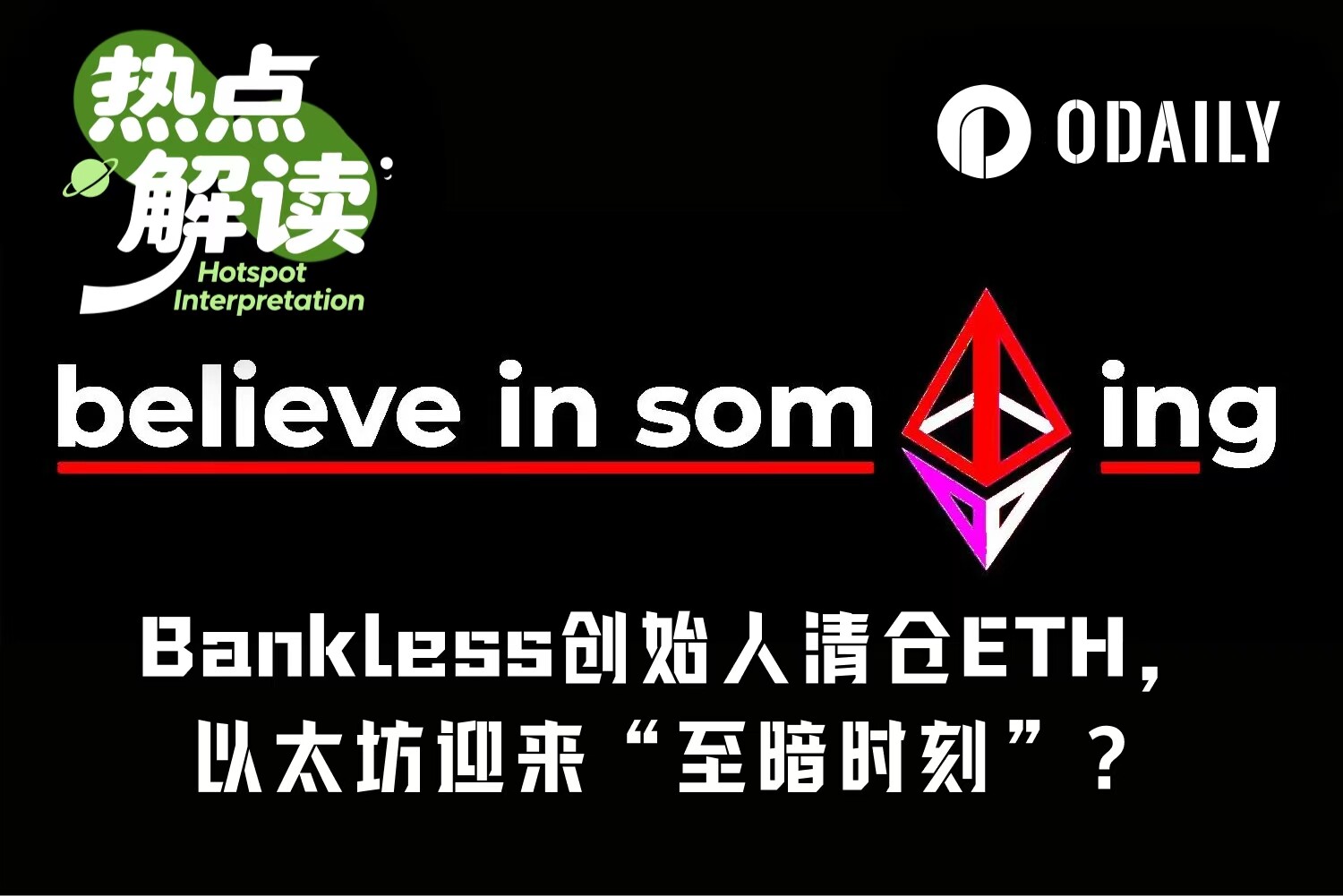
Bankless Founder Sells Off ETH, Collective Collapse of Ethereum Faith

Ethereum faces a "crisis of faith" as David Hoffman, co-founder of the prominent pro-Ethereum media outlet Bankless, announces he has sold all his ETH. This move, coupled with reports of major layoffs at Bankless, signals a potential retreat of Ethereum's staunchest supporters. Hoffman and co-founder Ryan Sean Adams confirm Bankless is entering a "second era," with Adams stepping back and Hoffman exploring new frontiers. Hoffman sharply criticizes the Ethereum Foundation, stating that ETH's poor price performance cannot be separated from its leadership. He has a history of public dissatisfaction, citing the Foundation's failure to drive market growth and its "endless manifestos." His frustration coincides with ETH/BTC hitting multi-month lows and a significant exodus of senior researchers and executives from the Ethereum Foundation, partly attributed to controversial "loyalty oaths." The article contrasts Ethereum's current predicament—with its Layer-2 narrative discredited and ecosystem stagnant—against what should have been a highlight year in 2026 amid tokenization trends. While a previous surge to near $5,000 was driven by corporate buybacks (DAT热潮), ETH has since fallen over 50%. The core question remains: with fading faith and intense competition, what is Ethereum's next solution? Hoffman's divestment symbolizes a growing disconnect between the community and the ecosystem's direction.

Odaily星球日报Há 1h

Bankless Founder Sells Off ETH, Collective Collapse of Ethereum Faith

Odaily星球日报Há 1h

Trading

Spot
Futuros

Artigos em Destaque

Como comprar T

Bem-vindo à HTX.com!Tornámos a compra de Threshold Network Token (T) simples e conveniente.Segue o nosso guia passo a passo para iniciar a tua jornada no mundo das criptos.Passo 1: cria a tua conta HTXUtiliza o teu e-mail ou número de telefone para te inscreveres numa conta gratuita na HTX.Desfruta de um processo de inscrição sem complicações e desbloqueia todas as funcionalidades.Obter a minha contaPasso 2: vai para Comprar Cripto e escolhe o teu método de pagamentoCartão de crédito/débito: usa o teu visa ou mastercard para comprar Threshold Network Token (T) instantaneamente.Saldo: usa os fundos da tua conta HTX para transacionar sem problemas.Terceiros: adicionamos métodos de pagamento populares, como Google Pay e Apple Pay, para aumentar a conveniência.P2P: transaciona diretamente com outros utilizadores na HTX.Mercado de balcão (OTC): oferecemos serviços personalizados e taxas de câmbio competitivas para os traders.Passo 3: armazena teu Threshold Network Token (T)Depois de comprar o teu Threshold Network Token (T), armazena-o na tua conta HTX.Alternativamente, podes enviá-lo para outro lugar através de transferência blockchain ou usá-lo para transacionar outras criptomoedas.Passo 4: transaciona Threshold Network Token (T)Transaciona facilmente Threshold Network Token (T) no mercado à vista da HTX.Acede simplesmente à tua conta, seleciona o teu par de trading, executa as tuas transações e monitoriza em tempo real.Oferecemos uma experiência de fácil utilização tanto para principiantes como para traders experientes.

411 Visualizações TotaisPublicado em {updateTime}Atualizado em 2025.03.21

Como comprar T

Discussões

Bem-vindo à Comunidade HTX. Aqui, pode manter-se informado sobre os mais recentes desenvolvimentos da plataforma e obter acesso a análises profissionais de mercado. As opiniões dos utilizadores sobre o preço de T (T) são apresentadas abaixo.

活动图片