周日荐读 | Andre Cronje: 为什么我们需要 DeFi?

比推Publicado em 2024-09-01Última atualização em 2024-09-01

作者 | Andre Cronje

编译 | 吴说区块链

原文链接:

https://andrecronje.medium.com/why-defi-14e961620ef9

简介:Andre Cronje,被誉为“DeFi 之王”,以其在去中心化金融领域的开创性工作而闻名。他最初并未涉足区块链,而是在多个技术公司担任开发人员和架构师的角色,积累了丰富的编程经验。2018 年左右,Cronje 开始接触区块链和加密货币,并通过参与代码审计逐渐对智能合约和去中心化应用产生了兴趣。他最广为人知的成就是创立了 Yearn.Finance,这是一种自动化的收益优化工具,迅速在 DeFi 领域取得了巨大的影响。Yearn.Finance 因其去中心化的治理模式和社区驱动的创新而成为 DeFi 生态系统中的重要组成部分,其治理代币 YFI 也因完全分配给社区而备受推崇。

除了 Yearn.Finance,Cronje 还推出了 Keep3r Network 和参与了多个 DeFi 项目,如 Hegic、Cover 和 Pickle Finance。他的工作风格非常独立和前卫,时常在未进行广泛测试的情况下发布新项目,这种做法引发了不少争议,尤其是在项目出现技术漏洞时。尽管如此,他对 DeFi 的贡献不可否认。然而,由于承受了巨大的压力和公众关注,Cronje 几度宣布退出 DeFi 社区,并对加密社区的高压环境表达了不满。

后来,Cronje 转向了更具长远发展潜力的 Fantom 项目,这是一个高性能的区块链平台,旨在解决现有区块链的可扩展性问题。他在 Fantom 中的工作表明了他对构建更广泛的区块链生态系统的兴趣。随着时间的推移,Cronje 对 DeFi 的看法发生了转变,逐渐倾向于推动 DeFi 的合规性。他认为,尽管 DeFi 的去中心化和开放性非常重要,但要实现长期的稳定和安全发展,DeFi 需要与传统金融体系更好地结合,遵守相关法规。因此,Cronje 的工作重心从完全的去中心化转向了在创新与合规之间寻求平衡,这一转变也反映了他对未来 DeFi 发展方向的思考。

全文如下(发布于 8 月 28 日):

在进入主题之前,先来讨论一下为什么要有金融?在货币出现之前,存在的是物物交换。我养鸡,你种小麦。我给你鸡,你给我小麦。有一年,我的鸡养得不好,但我仍然需要小麦,于是我向你承诺明年给你更多的鸡。这就形成了“我欠你”(IOU)。也许你不需要更多的鸡,但你的邻居想要鸡,所以你可以把这个 IOU 交易给别人。最基本的货币形式就是这样的:标准化的 IOU,大家都同意这种 IOU 值一定的价值。最终,我们开始用这些 IOU 来衡量一切。

于是我积攒了一些 IOU,开始担心可能会被抢劫,我需要一个更安全的地方来存放这些 IOU。于是,最早的银行形成了(最初是教堂保存这些 IOU 的账本)。

社区里一个受人尊敬的人想开始养牛,他向教堂借一些 IOU 来启动他的农场。教堂同意了,但他需要在能够还款时支付比借到的 IOU 更多的 IOU,这就是利息。为了保护这些 IOU,这个人需要将他购买的土地契约作为抵押。存放 IOU 的社区成员很感激,因为他们得到了更多的 IOU,而这个受人尊敬的人也很感激,因为这使他能够启动自己的生意。

金融的核心一直是赋能并让闲置的资产发挥作用。随着欺诈、犯罪和社会的演变,判断请求借款的人是否是“受人尊敬的人”变得越来越难。在当今近乎反乌托邦的世界中,我们都被简化为一个信用评分,这个数字决定了我们是否是好的金融候选人。如果你是新系统中的新人,那么在信用局的术语中,你属于“薄档案”,这意味着数据不足以判断你,意味着你很难获得贷款,即使你有资格,利率也会非常糟糕。此外,你还需要有现有的关系。

这就引出了为什么要有 DeFi。DeFi 不在乎,DeFi 不评判。每个人都根据系统的规则被平等对待,规则是公开透明的,任何人都可以查看。在传统银行拒绝你的房贷申请时,你可能甚至不知道为什么。而在 DeFi 中,如果贷款被拒,你可以确切地知道原因。

贷款的利息(或收益),除了劳动力和商品,是最纯粹的收入形式之一。总会有人需要资本来启动新的业务,或者有人在艰难时刻需要帮助渡过难关。这种类型的收入是无限可扩展的,也是纯粹的,它不依赖于任何虚假的激励,不依赖于任何外部因素,这是一个简单的供需生意。

下一个形式是物物交换,回到第一段,我有鸡,你有小麦。在今天这个互联互通的世界中,物物交换仍然是日常业务的核心,但可能很难找到交易对手,或者难以找到你所需要的东西。这就是为什么开始出现一般的市场,一个大家可以每周聚在一起出售和交换商品的地方。一个自动做市商(AMM)就是一个物物交换的平台,就像在市场上你需要支付一小笔费用来出售你的商品,在 AMM 中,提供者也会收取一小笔费用。这同样是一种纯粹的收入形式(或收益)。只要有人愿意卖,有人愿意买,这就是无限可扩展的。

在 DeFi 中,你不需要是一个认证投资者就可以参与这个市场,你不需要住在纽约,也不需要在华尔街工作,也没有那些暗箱操作的交易或经纪人,你看到的就是你得到的。

看看全球七大行业:

  • 生命与健康保险

  • 石油与天然气

  • 房地产

  • 养老金

  • 汽车销售

  • 直接保险

  • 商业银行

尽管大多数人无法参与这些行业,但它们仍然是全球最大的行业。

DeFi 消除了这一切,任何愿意尝试的人都可以参与。

这可能是任何发展中经济体中最重要的基石。

所有其他事物都以此为基础。

贸易和借贷是上述所有行业的基石。

当然,DeFi 也有一些被扭曲的地方,被虚假的激励、膨胀的收益、不可持续的收入所淹没,但这在传统或去中心化版本中都是如此。这本身并不削弱纯粹、透明和完全民主化的接入的美丽。

DeFi 是去中心化社会的核心构建模块,这仅仅是开始,还有更多的内容将要到来。在上述所有七大行业都上链、自由访问、透明且对所有人开放之前,我们还有很多工作要做。

所有的人道主义努力都是在我们作为一个集体有足够的东西分享时发生的。只有通过 DeFi,我们才能达到拥有足够分享的状态。

说明: 比推所有文章只代表作者观点,不构成投资建议

Leituras Relacionadas

Detained for 37 Days: The First Wave of People Who Got Rich from 'AI Gateways' Are Starting to Go to Jail

A prominent AI proxy service operator was reportedly detained for 37 days and is now on bail pending trial, highlighting the legal risks in China's booming but unregulated AI intermediary market. These services act as "AI scalpers," providing domestic users with access to restricted overseas models (like OpenAI, Claude) by bundling APIs, handling payments, and bypassing network blocks, all for a fee. Their controversial profitability stems from practices like bulk-registering accounts to resell free credits, exploiting refund policies, overcharging for tokens, substituting cheaper models, and illegally selling user conversation data. Major figures, including cryptocurrency entrepreneurs, are now entering this space. Legally, these operations face severe risks. Their core model often involves unauthorized API access and operating without required telecom licenses, potentially constituting illegal business operations. They fail to meet data security obligations for the vast amounts of user data they process, risking charges for failing to fulfill network security duties. Crucially, the unauthorized collection and sale of user data, which can include personal and commercial secrets, easily meets the threshold for the crime of infringing on personal information. The case underscores a critical juncture for the AI industry. While proxies lower access barriers, they expose user data to unsecured middlemen and undermine the business models of AI developers, forcing them to divert resources to security and distorting market value perceptions. The article argues that the industry's sustainable future depends on building trust, protecting data, and fostering compliant competition, moving away from its current "wild growth" phase.

marsbitHá 1h

Detained for 37 Days: The First Wave of People Who Got Rich from 'AI Gateways' Are Starting to Go to Jail

marsbitHá 1h

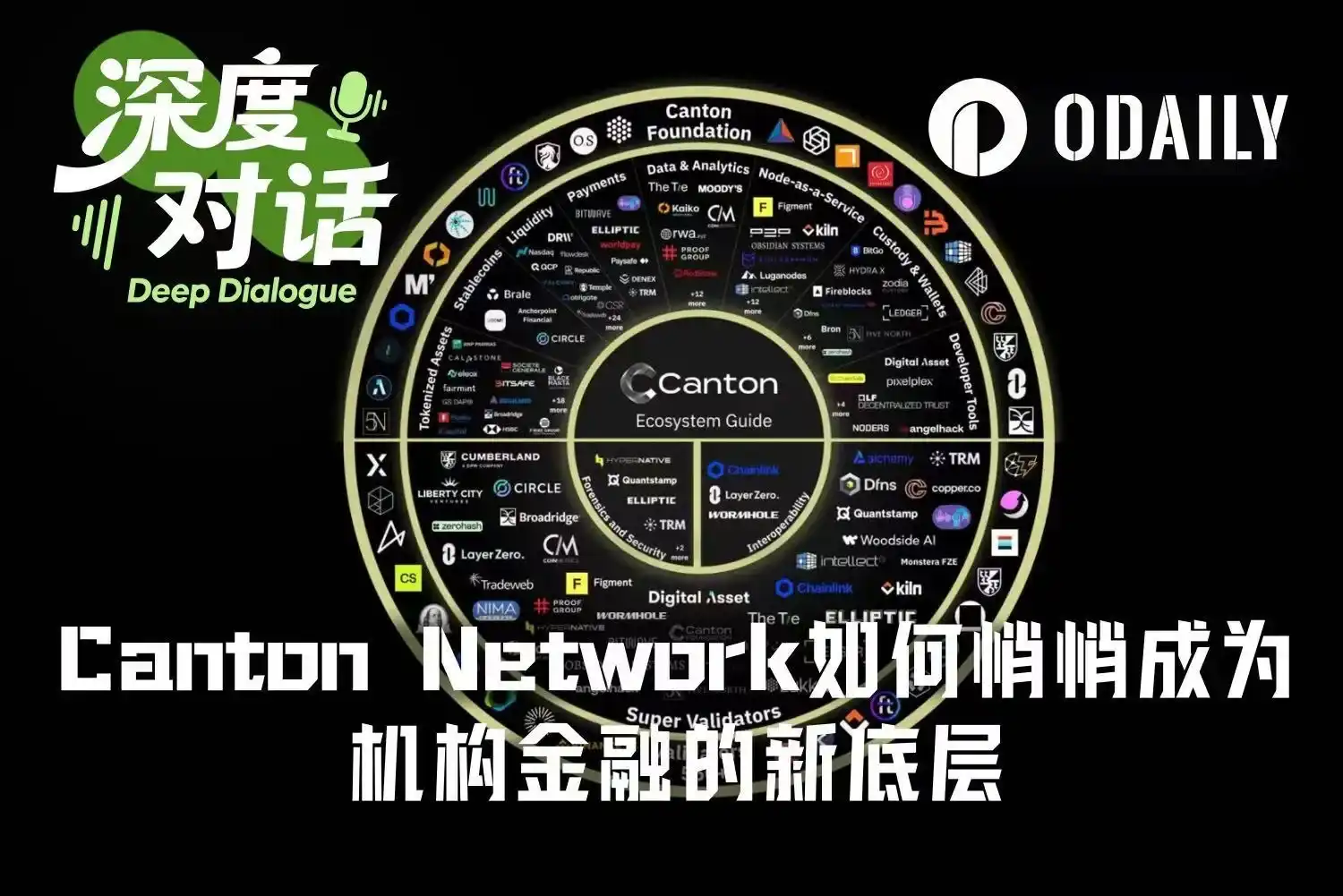
Putting Markets On-Chain: Canton Network Quietly Becomes the New Backbone of Institutional Finance

**Title: Letting the Market Itself Go On-Chain: Canton Network Quietly Becomes the New Backbone for Institutional Finance** **Summary:** The Canton Network, a blockchain platform designed for institutional finance, is gaining significant traction. A key sign of its maturity was Visa's recent entry as a super-validator, a proposal approved in just three days—highlighting prior, extensive collaboration between traditional finance and crypto. Unlike public chains like Ethereum that prioritize transparency and asset onboarding, Canton focuses on enabling confidential, compliant business operations for regulated institutions. Its core design features built-in **data visibility control**, meaning transaction details are only shared between direct counterparties. This privacy is fundamental, allowing competing institutions (like banks Goldman Sachs, JPMorgan, and BNP Paribas, all validators) to interact on the same network without exposing sensitive positions or strategies. Developed by Wall Street veterans at Digital Asset, Canton has taken a slow, deliberate approach to onboard real financial activity. It now handles over **$9 trillion monthly** in transaction volume, primarily from real-world institutional use cases like **tokenized repo agreements**, Treasury settlements, and collateral mobility. Major live applications include **JPM Coin** for institutional payments and **DTCC's tokenized U.S. Treasuries** project. Canton's native token, **CC**, is framed as a "network utility asset" with zero pre-mine or VC allocations. Its value is intended to be driven by the volume of real financial activity on the network. Looking ahead, Canton aims to become the invisible foundational layer for global finance—enabling atomic settlement (where payment and asset delivery occur simultaneously), 24/7 capital flows, and the native issuance and settlement of various asset classes, from corporate bonds to potentially equities. The main challenges are no longer technical but involve navigating fragmented global regulations and integrating with legacy financial systems.

marsbitHá 1h

Putting Markets On-Chain: Canton Network Quietly Becomes the New Backbone of Institutional Finance

marsbitHá 1h

Trading

Spot
Futuros
活动图片