Telegram首席执行官被捕,将导致TON持续下跌?

金色财经Publicado em 2024-08-26Última atualização em 2024-08-26

325e2e64bdd1bfc2c65c0d61b35fb425.png

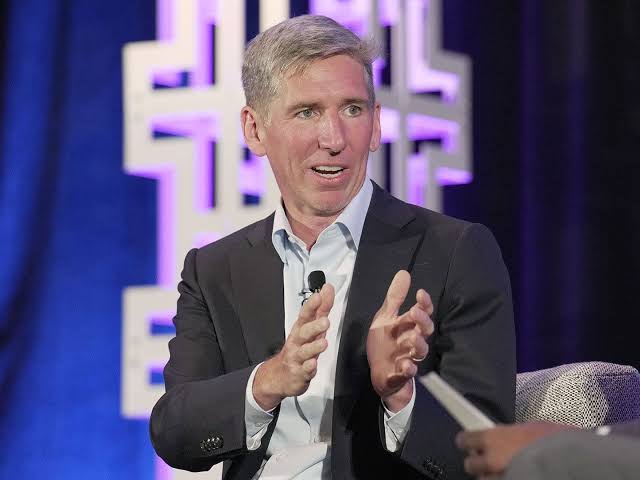
据当地媒体报道,Telegram 亿万富翁创始人兼首席执行官帕维尔·杜罗夫 (Pavel Durov) 于周六在巴黎附近的布尔歇机场被捕。杜罗夫乘坐私人飞机从德黑兰抵达,被当地当局拘留。针对他的调查重点是 Telegram 缺乏版主,执法部门担心这会导致犯罪活动在该平台上肆无忌惮地猖獗。

以强大的加密技术而闻名的 Telegram 曾多次拒绝政府对后门密钥的要求,理由是担心用户隐私问题。杜罗夫被捕后,Telegram 的 TON 代币大幅下跌,一度下跌 18%,随后略有稳定。截至撰写本文时,TON 的交易价格为5.71 美元,过去几个小时下跌了 14%。

cc472ea11ad6fb0dce4b5515d3c04805.png

TON 区块链背后的团队对这一消息做出了回应,他们向社区保证该网络仍能全面运作。他们在 X 上发帖称:“尽管最近 Telegram 创始人 Pavel Durov 发生了一些事态发展,但 TON 社区仍然强大且全面运作。”

据卫星新闻报道,杜罗夫将于周六晚出庭受审,面临严重指控。法国媒体称,他可能面临最高 20 年监禁。这些指控与 Telegram 缺乏内容审核以及杜罗夫未能与法国当局合作有关。

Telegram 由杜罗夫和他的兄弟、程序员尼古拉创建。它拥有约 9 亿活跃用户,是世界上最受欢迎的消息应用程序之一。然而,由于其内容审核力度较弱,有人指责它经常被用于犯罪活动和传播极端主义材料。

它还在社区贡献者和 Telegram 的整合下不断发展壮大。这使得 TON 的价格在过去一年中上涨了 300% 以上。然而,这种联系现在导致 TON 的价格下跌。

Leituras Relacionadas

Bitwise CIO: STRC Plunge is a Bottom Signal, Bull Market to Begin in Autumn

Matt Hougan, Chief Investment Officer at Bitwise, explains the recent Bitcoin price drop below $60,000 and its connection to the steep decline in MicroStrategy's STRC (Strategy's Perpetual Preferred Stock). STRC, designed as a high-yield, stable-price instrument, fell from its $100 target to $75 due to market fears over MicroStrategy's ability to sustain its dividend amid Bitcoin's price weakness. Hougan clarifies that while MicroStrategy's overall financial position remains strong, with significant Bitcoin holdings and cash, the core market anxiety centered on the optional nature of the dividend payments. In response, MicroStrategy announced a new operational framework: it will sell some Bitcoin as needed to fund dividends, will no longer actively defend the $100 share price through dividend hikes, and may repurchase STRC on the open market. This shift marks a change in MicroStrategy's role from a consistent, one-way buyer of Bitcoin to a more dynamic participant that may both buy and sell. According to Hougan, the STRC volatility is a classic late-cycle event, signaling the painful but necessary process of flushing out excessive leverage from the market. He draws parallels to the unwinding of the GBTC premium in the previous cycle. He identifies key potential bottoming signals: MSTR trading at a discount to its net asset value (NAV), extreme readings on the Crypto Fear & Greed Index, and persistently negative Bitcoin funding rates. Hougan concludes that while the exact timing of the market bottom is unpredictable, the current deleveraging phase suggests it is near. He expresses confidence that a new bull market will begin in the fall of this year, with the next major wave of buying expected to come from institutional investors like banks, asset managers, and pension funds.

Foresight NewsHá 4m

Bitwise CIO: STRC Plunge is a Bottom Signal, Bull Market to Begin in Autumn

Foresight NewsHá 4m

ENS Founder Seeks to 'Seize Power' from DAO

On June 29th, the ENS community entered the on-chain voting phase for a proposal to renew the ENS DAO Security Council's veto power for two more years. Shortly after voting began, ENS founder Nick Johnson used his substantial ENS holdings to cast over 3.55 million votes against the proposal, swinging the outcome despite initial strong support. The Security Council was established in July 2024 with a 4/8 multisig veto power to protect the DAO's treasury (valued over $350 million) from malicious proposals during a period of low voter participation. Its powers were limited to vetoing only harmful proposals, not normal ones. Nick Johnson's opposition stems from broader concerns about ENS DAO's governance. In late 2025, he and others expressed frustration that the DAO had become mired in political gamesmanship, with capable contributors leaving and leadership falling to less experienced or misaligned parties. This context set the stage for a major restructuring proposal by ENS COO Katherine Wu on June 19th, titled "Next Era of ENS DAO: Empowering the ENS Foundation." The controversial proposal aims to transfer daily operations, treasury management, and long-term strategy to a restructured ENS Foundation with a professional board, while the DAO would retain core protocol governance powers. Critics, including original ENS constitution author Brantly Millegan, argue this effectively transfers treasury control from token holders to ENS Labs (the core development team), undermining the DAO's original decentralized design. Nick's massive "no" vote on the Security Council renewal is seen as the first move in this power struggle. He explained his vote was due to concerns about insufficient checks on the Council's power and the potential for its veto to be used politically. In response, Katherine Wu submitted a revised proposal with higher execution thresholds (5/8 instead of 4/8) and stricter limits. The push for change comes as ENS's annual revenue has declined significantly, from over $10 million in 2023 to under $2 million in 2025, increasing pressure to manage the treasury more effectively. Nick Johnson now faces the challenge of proving that a more structured foundation can steer ENS better than the current DAO model.

Foresight NewsHá 34m

ENS Founder Seeks to 'Seize Power' from DAO

Foresight NewsHá 34m

Predicting World Cup Knockout Matches: Why Are Different AI Models So Far Apart?

AI performance in predicting the 2026 FIFA World Cup knockout matches varied significantly, according to an analysis of models including ChatGPT, Grok, DeepSeek, Gemini, and Claude. The standout predictions came from DeepSeek and Gemini for the Netherlands vs. Morocco match. Gemini precisely forecasted a 1-1 draw and a penalty shootout win for Morocco, while DeepSeek correctly identified the high probability of a draw and Morocco's potential to advance via a defensive and counter-attacking strategy. Grok and Tongyi Qianwen (千问) demonstrated strength in predicting accurate scores for matches with clearer favorites. They correctly called the narrow 1-0 win for Canada over South Africa and Brazil's 2-1 victory over Japan, as well as Norway's 2-1 win over Ivory Coast. ChatGPT and Claude excelled more in match process analysis than in predicting exact scores or upsets. They frequently identified potential challenges for favorites, such as Japan's pressing against Brazil or DR Congo's defensive tactics against England, even when predicting the favorite's ultimate victory. A notable failure was the unanimous misjudgment of Germany vs. Paraguay. All models incorrectly favored Germany, underestimating Paraguay's ability to force a penalty shootout and cause an upset. In summary, Gemini and DeepSeek showed the most insight for high-stakes, unpredictable matches. Grok and Qianwen were reliable "score predictors" for less volatile games. ChatGPT and Claude were strong "analytical models," adept at outlining match dynamics but often hesitant to predict upsets.

Odaily星球日报Há 1h

Predicting World Cup Knockout Matches: Why Are Different AI Models So Far Apart?

Odaily星球日报Há 1h

Trading

Spot
活动图片