DeFant一家——前总统唐纳德·特朗普推出加密货币平台:报告

币界网Publicado em 2024-08-22Última atualização em 2024-08-22

币界网报道:

据报道,共和党总统候选人唐纳德·特朗普正在推出自己的加密货币平台。

根据CNBC的一份新报告,特朗普宣布在Truth Social上向他的追随者推出加密货币平台the DeFant Ones,作为与银行竞争的一种手段。

正如特朗普所说,

“长期以来,普通美国人一直受到大银行和金融精英的挤压。现在是我们共同表明立场的时候了。”

据报道,特朗普的儿子埃里克最近将该平台描述为“数字房地产”,并将去中心化金融(DeFi)称为任何人都可以立即访问的公平抵押品。

特朗普的另一个儿子小唐纳德数周来一直在调侃该平台的推出,最近他表示,DeFi协议是金融的未来。

据CNBC报道,小唐纳德最近在一次采访中表示,去中心化的金融协议吸引了那些银行业一直回避的人。

“我们想做的是挑战很多银行业。

我认为存在很多不平等现象,因为只有某些人才能获得融资……所以这种去中心化金融的概念显然对像我这样被抛弃的人非常有吸引力。”

7月,特朗普支持加密货币的立场让他受邀参加了在纳什维尔举行的2024年比特币(BTC)会议。大约一个月后,特朗普选择俄亥俄州参议员J.D.Vance作为即将到来的总统选举的竞选伙伴。

不要错过任何节拍-订阅以直接将电子邮件提醒发送到您的收件箱

检查价格操作

在X、Facebook和Telegram上关注我们

冲浪每日Hodl混合

特色图片:Shutterstock/PHOTOCREO米哈尔·贝德纳雷克/弗拉基米尔·萨佐诺夫

Leituras Relacionadas

In the AI Era, What's Left for Bitcoin?

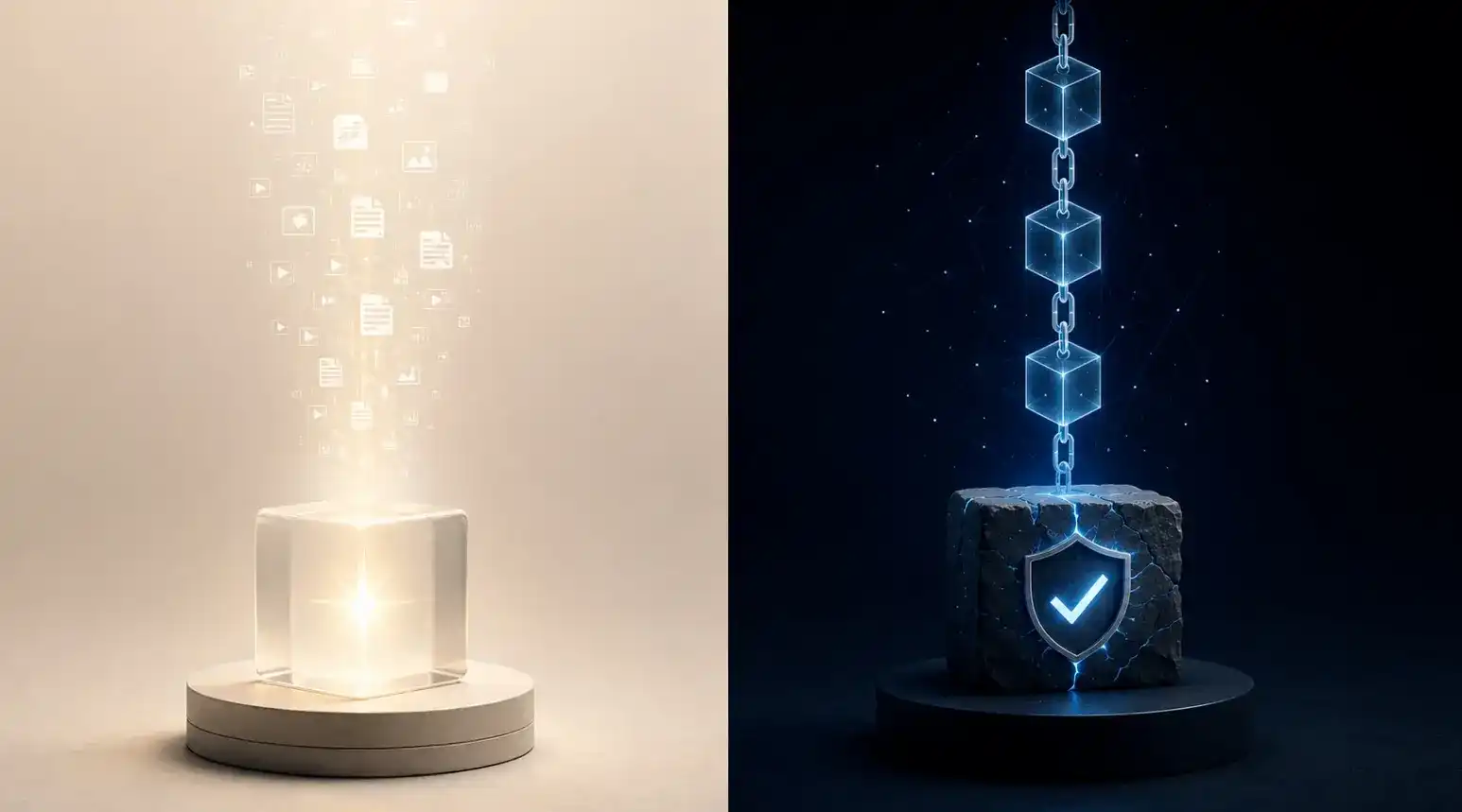
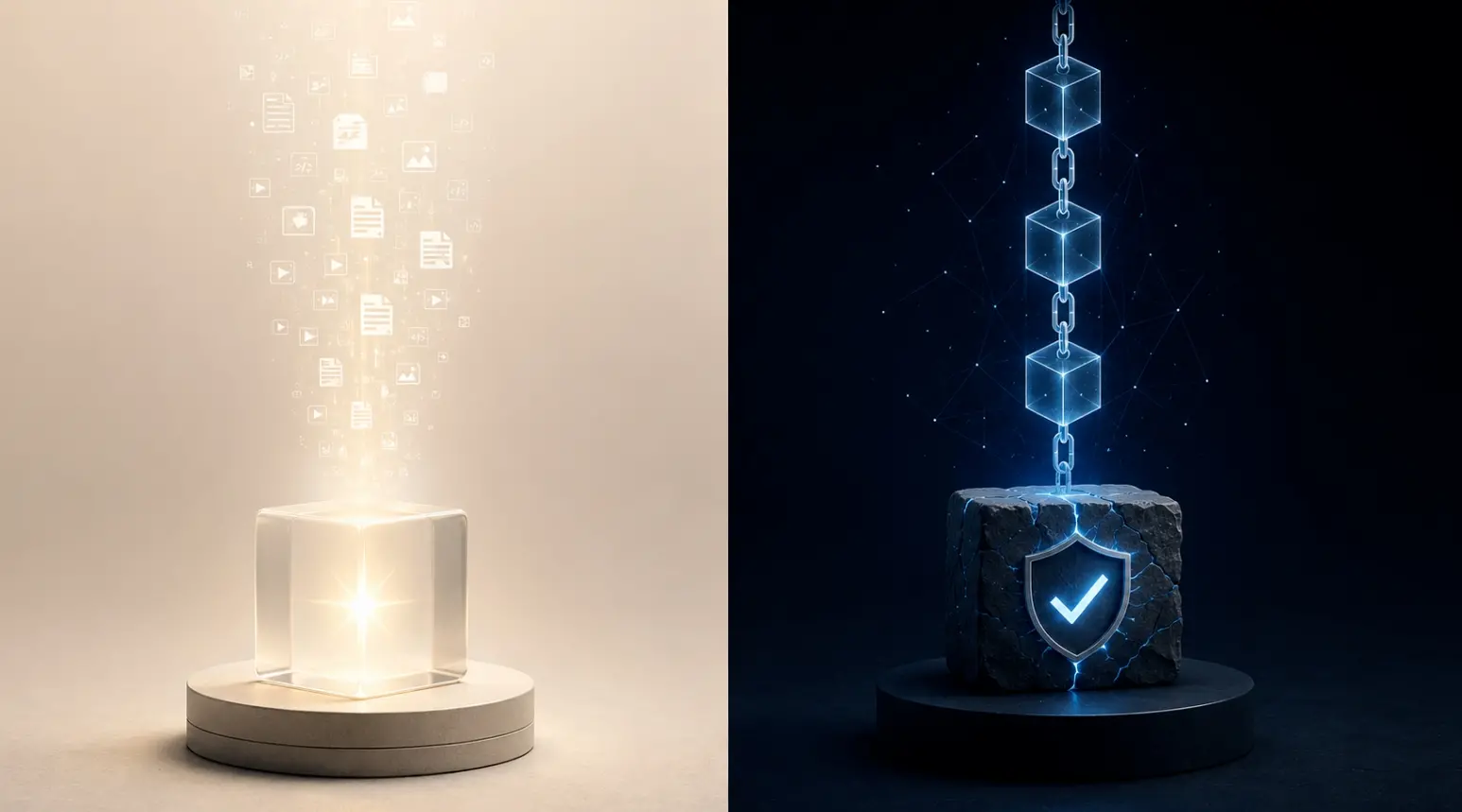
As Bitcoin falls below $60,000, the author reflects on the relationship between AI and Bitcoin, seeing them as two sides of the same coin. In the AI era, the cost of generating content has plummeted, making fake text, images, and videos increasingly easy and cheap to produce. This has led to a fundamental shift: while AI dramatically lowers the cost of information production, it also undermines trust and authenticity online. What becomes truly valuable is not more content, but the ability to verify what is real—"verifiability." This perspective offers a new lens for Bitcoin. Its massive energy consumption, often criticized as wasteful, is reinterpreted. While AI burns energy to enhance "capability" and efficiency, Bitcoin burns energy to produce "verifiability." Its purpose is not to be trusted but to enable a system where no trust in intermediaries—banks, platforms, or developers—is needed. Every transaction and the entire ledger's history is secured by cryptography and a decentralized network of nodes, making it independently verifiable. AI cannot forge a transaction on the Bitcoin network because the system is designed for proof, not generation. The author draws a historical parallel to the Renaissance: the printing press drastically reduced the cost of copying knowledge, while double-entry bookkeeping reduced the cost of trust in commerce. Today, AI is the new printing press, reducing content creation costs to near zero. Blockchain, and Bitcoin as its pioneer, may be the modern equivalent of double-entry bookkeeping—a foundational technology for verifying digital asset ownership and historical records without centralized authorities. Thus, AI and blockchain are not competitors. AI lowers the cost of creation; blockchain lowers the cost of verification. In an age where AI can generate anything, true scarcity may lie not in more content, but in independently verifiable facts. Whether the market will reprice Bitcoin accordingly remains uncertain, but its core value proposition as a "machine for producing verifiability" becomes strikingly relevant.

marsbitHá 19m

In the AI Era, What's Left for Bitcoin?

marsbitHá 19m

In the Age of AI, What's Left for Bitcoin?

Author: Sevclub, Seven Research Amid Bitcoin's recent drop below $60k, the author reflects on a growing sense that AI and Bitcoin are two sides of the same coin. Today, encountering any content triggers a new default question: "Was this made by AI?" The cost of generating convincing text, images, and video is now negligible. While the internet lowered information *distribution* costs, AI is crashing information *production* costs to near zero. The consequence is a flood of content where truth and falsehood are increasingly indistinguishable. In this environment, what becomes truly valuable is not more information, but the ability to verify what is real—"verifiability." This reframes the common criticism that Bitcoin "wastes electricity." AI consumes power to produce "capability" (e.g., more powerful models). Bitcoin consumes power to produce something else: "verifiability." Bitcoin's core purpose isn't about belief or trust in any institution, developer, or even its creator. It's about enabling independent verification. Every bitcoin's origin, every transaction, and the integrity of the entire ledger are secured by mathematics, cryptography, and a global network of nodes. AI can fabricate convincing media, but it cannot falsify a transaction on the Bitcoin network. The expended energy makes篡改历史 (tampering with history) prohibitively expensive, purchasing a globally verifiable ledger. The author draws a historical parallel to the Renaissance. The printing press drastically reduced the cost of copying knowledge, while double-entry bookkeeping reduced the cost of trust in commerce—one enabled creation, the other verification. Today, AI is the new printing press, driving content production costs toward zero. The question becomes: what is this era's "double-entry bookkeeping"? Blockchain appears to be the leading candidate. It doesn't verify which news is true or which image is real, but it provides a foundational layer for independently verifying asset ownership and historical records in the digital realm without centralized authorities. Therefore, AI and blockchain are not in competition. AI lowers the cost of *generation*. Blockchain (and Bitcoin as a prime example) lowers the cost of *verification*. One creates, the other proves. Whether Bitcoin ultimately succeeds remains uncertain, facing potential challenges from quantum computing, regulation, and technical evolution. However, the author now sees it less as a "machine for making bitcoin" and more as a "machine for making verifiability." In an age where AI can generate anything, true scarcity may no longer be "more content," but "more independently verifiable facts." Whether the market will price this accordingly is a separate question.

链捕手Há 27m
In the Age of AI, What's Left for Bitcoin?

链捕手Há 27m

Trading

Spot
活动图片