Web3律师:TON生态“换皮游戏”不断,链游开发如何合规赚钱?

Odaily星球日报Publicado em 2024-08-04Última atualização em 2024-08-04

Resumo

1个月就能上线热门TON生态游戏?

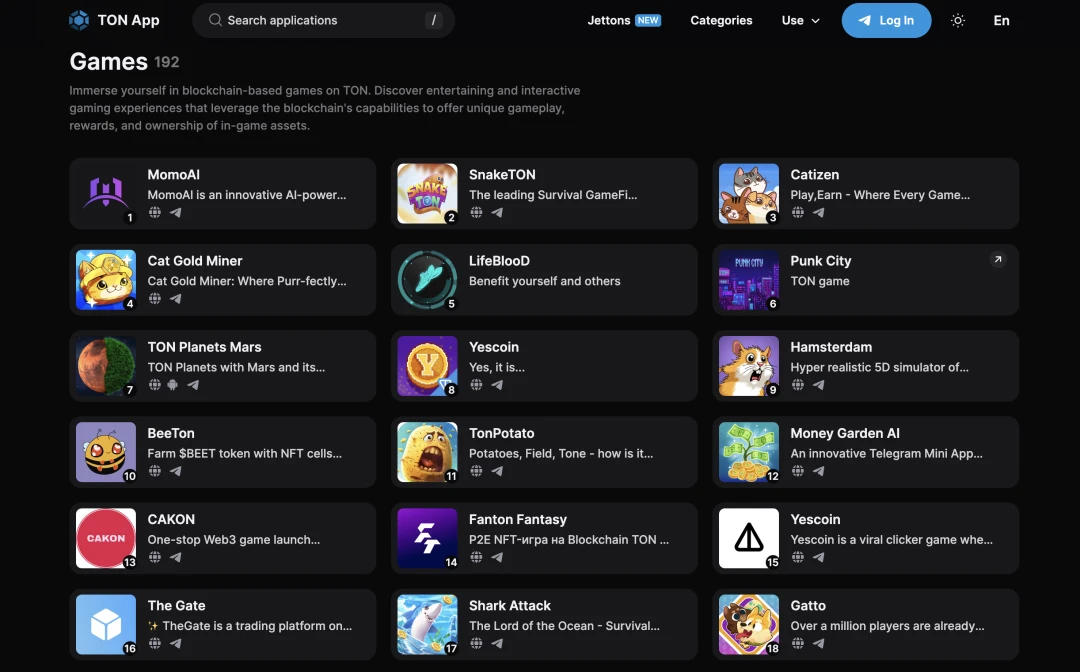
TON 生态的链游市场,就像一场五彩斑斓的烟花秀。自 Notcoin 爆火之后,TON 生态上的「Tap to Earn」类项目获得了大量关注。例如,最近火热的 Hamster Kombat 和 Catizen,它们通过简单的点击操作,让玩家能够轻松赚取收益。数据显示,Hamster Kombat 的 X 账号粉丝达到了 1060 万人,Telegram 频道关注者超过了 4600 万人;Catizen 的 X 账号粉丝达到了 173.3 万人,Telegram 频道关注者也超过了 450 万人。
Web3律师:TON生态“换皮游戏”不断,链游开发如何合规赚钱?

*图源:TON APP 截图

但是,在这火爆现象的背后,难免让人产生疑问:这一类 Tap to Earn 的链游,在本质上似乎并没有什么差别,仅仅是换了个故事情节。并且,曼昆律师观察到,随着链游市场的扩张,这类快速复制的开发模式也变得越来越常见,链游开发者频繁地使用现有的游戏框架进行修改和包装。对这类模式,曼昆律师起了个昵称,叫做“换皮链游”。

何为“换皮链游”?

曼昆律师认为通过快速复制即可完成开发的链游,或许都能够被称为“换皮”链游。这样做有很多好处,比如开发成本低、速度快,使得 GameFi 开发者能够迅速响应市场变化,快速进入、占领市场。

具体来说,根据复制的环节不同,这些链游可以分为两大类:

  • 第一类就是在现有比较热门的链游机制或是概念的基础上,通过更换游戏 UI、故事情节等元素发行的新Web3游戏。

  • 第二类是通过将Web2游戏进行上链,对原本游戏的内容、机制等照搬,仅更改游戏中代币的模式,从而打造一套Web3经济体系。比如 TON 生态中的《Travel frog》,链游版《旅行青蛙》。

Web3律师:TON生态“换皮游戏”不断,链游开发如何合规赚钱?

它基本将Web2版本的《旅行青蛙》移植到了Web3,包括游戏美术、音乐、内容、机制,差异点在于玩家在游戏中赚取的三叶草后期可以兑换成 TON。这样类型的移植链游,一方面可以吸引到原有Web2游戏社区的玩家,另一方面在有更大粉丝基础的情况下,增加游戏内经济变现,也当然会有更多人愿意“买单”。

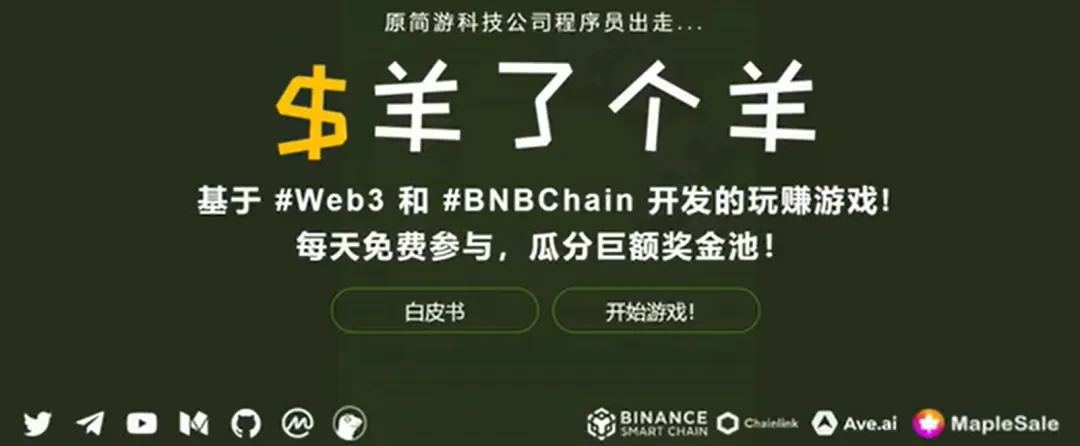
不过,此类链游让曼昆律师想起,之前微信小程序游戏《羊了个羊》大热后,有号称是“由羊了个羊开发商原程序员开发”的“链游版《羊了个羊》横空出世,在保留原有玩法精髓的基础上加入了“代币经济”和“NFT”等加密货币概念。
Web3律师:TON生态“换皮游戏”不断,链游开发如何合规赚钱?

起初,玩家的热情空前高涨,几天内 YLFY 代币价值暴涨 80% 。然而,当《羊了个羊》小游戏开发商北京简游科技有限公司发布公告,否认与链游版《羊了个羊》有关后,链游版《羊了个羊》便无法再打开。项目方“连夜跑路”,YLGY 代币在一周内暴跌已近“归零”,在短短的时间内走出了“过山车”式的行情。

诚然,这样喜闻乐见的玩法确实可以吸引到更多玩家,然而,目前来看,这一玩法明显是项目方的一场“骗局”,从项目方发行的代币价格曲线观察,ICO 才是其真正获利的方式。在社交媒体上,有多人都表示期待先参与该项目的预售,然后在该项目上线后立刻抛售,以赚取其中的差价。但除项目方和最早出手的人外,后续购买该代币的用户只能沦为“接盘侠”。

链游常见法律问题

可以看到,上述案例暴露了目前“GameFi”领域的鱼龙混杂,有不少人打着“区块链游戏”的名义行割韭菜之实。所以尽管这些换皮链游在短时间内可以吸引到大量的关注与流量,但链游创业者也要警惕繁荣背后的弊病。

市场角度来看,这一类链游虽然可以快速上线,但因为缺乏创新,往往很难维持长久的用户粘性,生命周期不长。玩家对那些重复性高、缺乏新意的游戏很快就会感到厌倦,结果就是用户流失。而且,大量类似换皮链游进入市场后,竞争变得更为激烈。

与此同时,不管此类链游项目在什么国家或地区开发与运营,还要考虑以下法律以及合规问题。

民事层面来说,如果游戏中的角色设计、场景界面、剧情对话、音乐音效与其他游戏过于相似,可能会侵犯著作权;同样,擅自使用其他游戏相似的名称、标志或服务标记,可能构成商标侵权。如果原游戏拥有相关的发明专利,如游戏机制、算法等,新开发的链游在未经授权的情况下使用这些技术,可能构成专利侵权。这些场景其实和Web2游戏的知产侵权本质是一样的,例如此前《全民枪战》因抄袭《穿越火线》的游戏地图被法院判赔。退一步说,即使新开发的链游在法律上不构成著作权或商标侵权,如果其行为违反了公平竞争的原则,如通过模仿原游戏的宣传材料或游戏玩法误导消费者,也可能构成不正当竞争。

当然,刑事层面更值得链游开发者注意。介于大部分链游都为出海团队开发,所以曼昆律师梳理了链游常见刑事问题:

  • 如果这类游戏通过虚假宣传、误导性广告来吸引玩家投资或购买游戏内物品以达成非法目的,可能涉诈;

  • 如果以游戏为幌子,通过承诺高额回报吸引玩家投资,而背后缺乏合法的商业运营或合理的回报机制,可能构成非法集资罪。依据相关法律规定,非法集资的组织者和领导者可能面临较重的刑事责任;

  • 如果游戏内允许玩家通过真实货币或加密货币进行投注,并且游戏结果具有不确定性,或是游戏内物品可以兑换成现实世界的货币或物品,可能涉赌。此前曼昆律师专门写过一篇《GameFi 如何避免涉赌的文章》,详细阐述了链游涉赌判定。

  • 此外,游戏平台也可能被用作掩盖或转移非法所得的工具,根据《反洗钱法》,如果游戏内交易被用来隐藏非法资金的来源和流向,涉事人员可能会因洗钱罪被追究刑事责任。

曼昆律师合规建议

如何规避这类合规问题,才是链游开发者应当着重考虑的方向。曼昆律师着重作出以下几点建议:

  • 原创开发。鼓励原创内容的开发,避免过度模仿或复制现有游戏的核心元素,包括但不限于游戏代码、美术资源、音乐、故事情节等。如果需要使用第三方知识产权,应通过合法途径获取授权。可以考虑建立一个内部知识产权数据库,以跟踪和管理所有使用的资产和相关的授权信息。同时,保留详尽的开发文档记录,包括设计决策、来源材料和授权信息,以备未来法律审查或侵权索赔时使用。

  • 透明宣传。提供真实、准确的游戏宣传材料,避免虚假宣传和误导性广告。明确告知玩家游戏的规则玩法、收费模式和用户协议。可以制定标准化的广告和营销模板,确保所有宣传材料都符合广告法和消费者保护法的要求,避免使用可能引起误解的表述。需要对营销团队进行定期的法律和合规培训,强化对虚假宣传和误导性广告的认识。

  • 履行适当监管义务。在游戏显著页面标注禁赌等提示,增加娱乐性描述,并就社区社群的言论及动态加以监管。建议建立一个用户可访问的合规报告系统,允许玩家报告可疑活动和不当行为,既能彰显去中心化,也能加强社区自我管理。

  • 避免代币融资。避免通过代币发行(ICO)进行融资,可以探索多种融资途径,例如风险投资、天使投资者或政府补助,以减少对 ICO 依赖并降低法律风险。在考虑任何形式的融资前,需要对项目进行详细的法律和财务审查,确保所有资金筹集活动符合现行金融监管法规。

  • 多角度设计降低风险。设计合规的游戏内经济系统以及运营活动,避免涉及非法集资、诈骗或赌博等违法行为。建立一个全面的风险评估机制,定期评估游戏设计和操作中的潜在法律风险。同时设计应急预案,包括法律纠纷处理和突发公关事件的快速响应计划。

  • 法律咨询。在项目启动前咨询专业律师,确保所有操作符合项目所在地及用户当地的法律法规。建议与专业法律团队建立长期合作关系,确保能够随时获得关于新兴法律问题和政策变动的专业建议。

结语

总的来说,换皮游戏的存在反映了 GameFi 乃至Web3行业对快速开发和市场反应的需求。尽管目前,整个行业还处于起步阶段,但曼昆律师依然希望链游开发者可以在利用这种策略的同时,考虑所在地相关法律法规的遵守,确保整个行业的向上合规发展。基于此,链游开发者才能保护自己,还能为玩家提供更公正、更安全的游戏环境,更能在充满竞争的市场中长期存活并获得成功。

Leituras Relacionadas

In the Era of MiCA, Why is the EU CASP License Becoming Increasingly Important?

In the MiCA era, the EU's Crypto-Asset Service Provider (CASP) license is becoming increasingly crucial, especially after the transitional period ends on July 1, 2026. Post-deadline, crypto service providers operating under old national frameworks must either secure MiCA authorization or exit the EU market, rendering the previous model of using a single member state's VASP registration for pan-European operations obsolete. The CASP license fundamentally changes the regulatory landscape by shifting from a fragmented, nation-by-nation registration system to a unified "passporting" regime. Authorized in one member state, a CASP can provide its licensed services across the EU, offering greater legal clarity and operational efficiency compared to the past. MiCA defines CASP authorization based on specific service types, such as custody, trading platform operation, exchange, and transfer of crypto-assets. The scope of authorization is determined by actual business functions, not self-selection, with corresponding prudential requirements like capital adequacy. Banks and institutional clients increasingly value CASP status as it provides a verifiable, standardized framework for due diligence, accessible through ESMA's public registers. The regulation significantly limits the "reverse solicitation" exception for non-EU firms. Active marketing or outreach to EU clients generally necessitates a CASP license, moving away from reliance on offshore entities. It's important to note that a CASP license is not a universal permit; it covers crypto-asset services but does not automatically authorize traditional financial activities like payment services (governed by PSD2) or dealing in financial instruments (governed by MiFID II). A complete crypto-fiat payment solution often requires both a CASP and a licensed payment institution. Priority candidates for pursuing a CASP license include: 1) Platforms with the EU as a primary long-term market; 2) Projects seeking partnerships with EU banks or large institutions; and 3) Groups aiming to consolidate cross-border operations under one regulated entity. In contrast, early-stage projects without concrete EU plans may find the process premature. Ultimately, the growing importance of the CASP stems from the end of regulatory ambiguity in Europe. It has evolved from a consideration to a fundamental requirement for market access, client trust, and sustainable operations within the EU's now-harmonized crypto regulatory framework.

marsbitHá 1m

In the Era of MiCA, Why is the EU CASP License Becoming Increasingly Important?

marsbitHá 1m

Bernstein Research Report Analysis: Global Semiconductor Equipment WFE Grows 75% in Two Years, DRAM and Logic Chips Are the Biggest Drivers

Bernstein significantly raises its global Wafer Front-End (WFE) equipment spending forecast: $148B in 2026 (from $141B), $204B in 2027 (from $175B), and $259B in 2028 (from $198B). This represents a cumulative 75% growth over two years, confirming a strong equipment upcycle. Memory, especially DRAM, is the primary driver, with DRAM WFE expected to surge 53% in 2027 and 37% in 2028. Logic/Foundry follows, driven by advanced node investments. The forecast upgrades are broad-based, but the largest incremental contribution comes from memory spending outside China and logic/foundry expansion within China. Bernstein expects China's WFE demand to be resilient, jumping to $101B in 2028 from $573B in 2027 due to comprehensive expansion across memory, advanced logic, and mature nodes. A key factor is the DUV lithography shortage, which is expected to ease in H2 2026, allowing imports to recover. Top equipment picks include ASML (preferred in Europe) for its exposure to DRAM and advanced logic, and Applied Materials (top US pick) for its broad exposure and attractive valuation. In China, NAURA is favored due to its comprehensive product portfolio and significant advanced logic exposure. Bernstein views the recent sector pullback as an attractive entry point, arguing that market expectations for 2027/2028 demand strength remain too low and that supplier guidance is conservative.

marsbitHá 2m

Bernstein Research Report Analysis: Global Semiconductor Equipment WFE Grows 75% in Two Years, DRAM and Logic Chips Are the Biggest Drivers

marsbitHá 2m

The True Cost of Strategy Being Forced to 'Hoard' U.S. Dollars

The article analyzes MicroStrategy's (now Strategy) shift towards holding substantial US dollar reserves (currently $4.65 billion) while selling Bitcoin, contrasting this with its core identity as a Bitcoin-focused company. It argues this move is a strategic necessity specific to Strategy, driven by its unique business model of issuing "digital credit" (preferred securities) with fixed USD dividend obligations. To secure favorable credit ratings (e.g., S&P's B- rating, which penalizes Bitcoin-heavy balance sheets) and sustain this credit issuance, Strategy must demonstrate significant dollar liquidity. However, this cash hoarding imposes a heavy "invisible tax" or opportunity cost: capital allocated to low-yielding cash reserves cannot be deployed into Bitcoin, artificially raising the required return threshold on its actual Bitcoin investments to cover fixed dividend costs. The author concludes that Strategy is an extreme case, and most other Bitcoin-related companies should not blindly emulate this strategy. For them, dollar reserves should be dictated strictly by operational needs and prudent buffers, not arbitrary targets. Holding excess cash typically means forfeiting potential Bitcoin returns for uncertain benefits, making it economically unsound unless a company shares Strategy's specific credit-dependent capital structure. The decision ultimately hinges on a firm's unique business model and genuine cash flow requirements.

marsbitHá 5m

The True Cost of Strategy Being Forced to 'Hoard' U.S. Dollars

marsbitHá 5m

New Fed Correspondent: Inflation Data 'Neither Hot Nor Cold' Offers Fed Temporary Respite but Future Path Remains Uncertain

Inflation data for July came in as expected, providing the Federal Reserve with some breathing room ahead of its September meeting, though the longer-term policy path remains uncertain. The core CPI rose 0.2% month-over-month and 2.5% year-over-year, in line with forecasts, easing immediate pressure for a rate hike. Following the report, market expectations for a September rate increase fell below 50%. Despite the temporary respite, deep divisions persist within the Fed. At least six of the twelve voting members have recently signaled openness to further tightening, with three having voted for a hike in July. The debate centers on whether current rates are sufficiently restrictive to bring inflation back to the 2% target or if persistent factors like tariffs, energy prices, and surging demand from AI infrastructure necessitate more action. San Francisco Fed President Mary Daly highlighted the growing complexity, outlining two potential scenarios: a baseline where inflationary pressures fade, allowing for rates to hold steady, and an alternative where shocks persist and inflation gains self-reinforcing momentum. She suggested that if the latter materializes, the policy response might need to be more aggressive than the typical 25-basis-point increments. With Fed Chair Wash adopting a less forward-leaning public stance, markets are closely monitoring data and other officials' comments for clues. The upcoming August CPI report, due just days before the September FOMC meeting, is now seen as a critical determinant for the final decision.

marsbitHá 5m

New Fed Correspondent: Inflation Data 'Neither Hot Nor Cold' Offers Fed Temporary Respite but Future Path Remains Uncertain

marsbitHá 5m

Market Trend (Aug 13): Nasdaq Leads Gain as CPI Meets Expectations; Coherent Beats Estimates Then Falls in After-Hours

U.S. stock markets were mixed on August 13th. While the S&P 500 and Nasdaq Composite rose, the Dow Jones Industrial Average was essentially flat. The catalyst was the July CPI report, which came in line with expectations across the board, keeping market pricing for a September Federal Reserve rate hike steady near 45%. The trading day's standout was a surge in AI-related sectors following the CPI release. AI cloud service providers Nebius and CoreWeave soared, while companies in the optical communications and memory chip spaces, including Coherent and SK Hynix, also posted significant gains. However, a stark reality check emerged after the closing bell. Despite reporting quarterly results that exceeded expectations, shares of optical communications leader Coherent and AI chipmaker Cerebras plunged in after-hours trading. Cerebras was hit by an unexpected drop in hardware revenue. Similarly, Cisco Systems shares initially rose on strong earnings and news of $4 billion in AI-related orders, only to reverse sharply lower later, highlighting increased investor scrutiny on valuations and growth sustainability in the crowded AI space. In other markets, gold extended its rally, oil prices rose, and Bitcoin rebounded from pre-CPI declines. Market focus now shifts to digesting the latest corporate earnings and upcoming U.S. retail sales data.

marsbitHá 25m

Market Trend (Aug 13): Nasdaq Leads Gain as CPI Meets Expectations; Coherent Beats Estimates Then Falls in After-Hours

marsbitHá 25m

Trading

Spot
活动图片