原子交换:它们是什么以及它们是如何工作的?

币界网Publicado em 2024-07-24Última atualização em 2024-07-24

币界网报道:
加密货币的去中心化涉及消除中介机构以促进交易。原子交换利用自动执行的智能合约来实现跨区块链的点对点(P2P)加密货币交易。
继续阅读,了解原子交换是如何工作的,它们与跨链桥的区别,以及它们的优缺点。
这是来自Laura Shin的Unchained的合作伙伴内容,由CoinDesk发布。
什么是原子交换?
原子交换协议允许希望在不同区块链网络上交换加密货币的各方之间进行P2P交易。
智能合约消除了对第三方(如集中式交易所)的需求,实现了去中心化、跨链的加密资产交易。
原子交换的无信任和私人性质确保了有关各方保持机密。但是,跨链交换中涉及的单个交易仍然可以在各自区块链的公共分类账上进行跟踪。
原子交换是如何工作的?
原子交换实现了由密码学和智能合约驱动的跨链加密资产交换。让我们一步一步地看看这个过程。
智能合约为加密货币交换创建了一个虚拟保险库。第一方将他们的加密货币发送到保险库中锁定的合约地址。第二方确认存款,并将其加密货币发送到保险库中另一个锁定的合同地址。智能合约确认双方已根据合同条款锁定各自的金额。确认后,资金将发放给各方。
如果任何一方未能按照合同规定执行其部分,则掉期无效。如果一方已发送加密货币,他们将收到退款。
原子交换与桥接有何不同?
跨链交换与跨链桥不同,尽管它们都提供区块链互操作性。
区块链桥梁涉及创建一个包装好的代币,然后在目标区块链上使用等量的代币。然后,您可以在目标区块链上转移或交易包裹的代币,或将其兑换为源区块链上的原始资产。
或者,原子交换允许双方在两个单独的区块链上进行P2P交换。没有中间人参与。此外,交换需要相同的哈希算法,而网桥则不需要。
原子交换的好处
跨链互换为加密货币交易者提供了一系列好处。
较低的费用:没有第三方通常会降低交易成本。跨链互操作性:用户可以交换来自不同区块链的资产,而不会丢失资产或私钥的保管权。不涉及法定货币:加密货币用户可以在不使用法定货币作为基准值的情况下交换资产。更快的速度:交易执行迅速,因为一旦各方各司其职,智能合约就会自动执行。增强的安全性:所涉及的智能合约提供了更高的安全性,因为如果另一方未能按照约定执行,用户可以重新获得他们的资产。
原子交换的缺点
以目前的形式,跨链交换给用户带来了几个挑战。
技术复杂性:原子交换需要交换哈希加密信息。这为缺乏技术知识来理解这些细节的交易者和有隐私问题的交易者关闭了大门。加密哈希算法:原子交换仅适用于属于具有类似加密哈希算法的网络的加密货币,这些算法限制了交易者的选择。流程复杂性:在目前的形式下,原子交换流程包括的步骤比在集中式交易所进行交易更多。没有加密货币-法币进入斜坡:跨链交换不允许加密货币到法币的交换。如果你想清算成法定货币,你必须寻找替代品。
去中心化交易的一个关键方面是用户可以保持对其加密资产的保管。相反,集中式交易所会保管您的资产,并保持对您私钥的访问。因此,您持有的加密货币的安全性取决于交易所是否有偿付能力,并且不会受到任何恶意攻击。
跨链交换在各种区块链网络之间提供了更大的互操作性,确保了真正的去中心化交易。然而,对原子交换的支持仅在少数平台上可用,这使得访问变得具有挑战性。此外,你需要一些编程和加密知识来理解原子交换的技术方面,这对不懂技术的交易者来说可能是令人望而生畏的。
Leituras Relacionadas

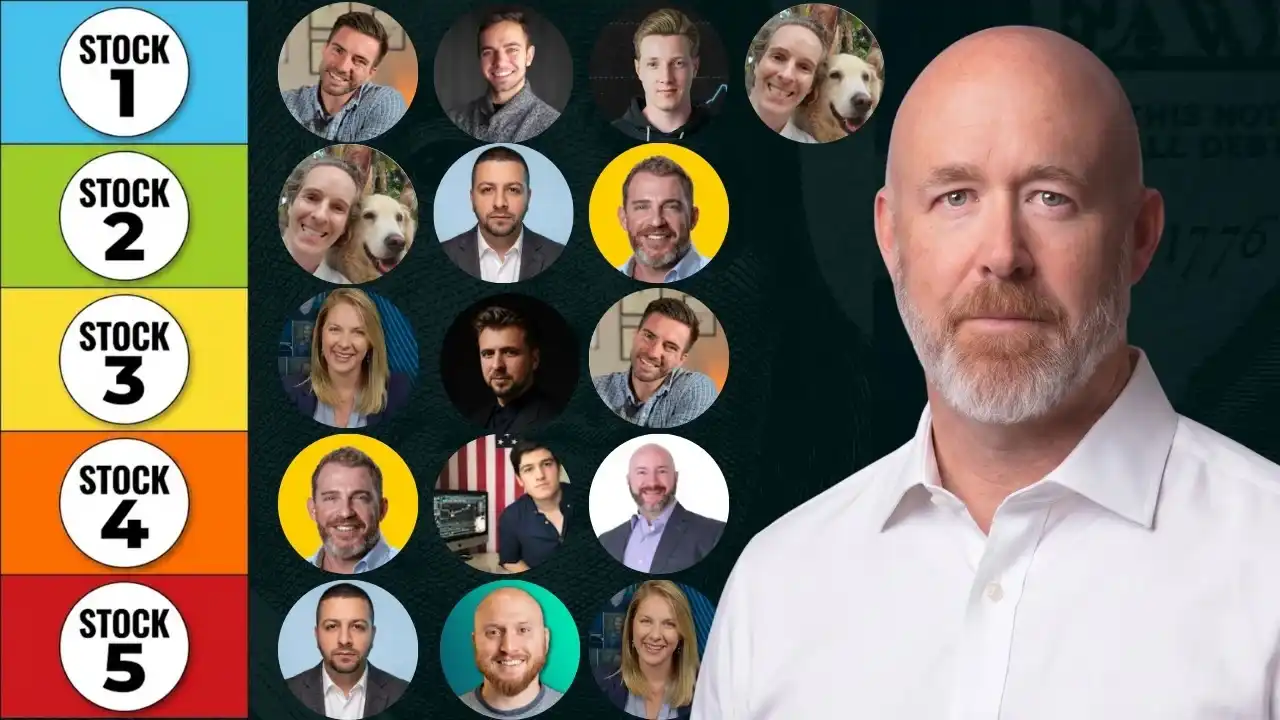
Podcast Notes | After Watching 141 YouTube Investment Guru Videos, I Found Everyone's Bullish on These 5 Stocks

Podcast Summary: After analyzing 141 YouTube investment videos from 21 creators, five stocks were consistently highlighted: Alphabet (Google), Nvidia, Micron, CoreWeave, and Uber. However, the analysis reveals a key concentration: four of these (Google, Nvidia, Micron, CoreWeave) represent essentially the same AI-focused bet, with only Uber standing as an independent pick. The podcaster, Brian, provides his specific views and entry strategies for each. **Key Stocks & Brian's Stance:** - **Alphabet (Google):** Viewed as cheap based on profits but expensive based on sales. Brian is only buying a half-position via monthly investments at ~$362. - **Nvidia:** Models suggest it is undervalued (~$221 vs. a ~$290-330 fair value range), but significant client debt ($500B) raises risk. Brian holds a 12% position (his cap) and would not buy below $148. - **Micron:** Brian's model fair value is ~$1450, but it's a cyclical stock. He is buying only on schedule after it broke below its 50-day moving average (~$961), with a "story broken" line at $434. - **CoreWeave:** Has large contracts but faces scrutiny over demand sustainability, with Nvidia backing unsold capacity. Brian holds zero position due to limited history and structural concerns. - **Uber:** The only non-AI pick, valued cheaply on strong cash flow (~$100B annually). Brian's fair value is ~$109 (current price ~$67), and he is buying a full position. **Core Insight:** Most discussed topics (76/141 videos) were chips, cloud, and AI models. A portfolio built from such consensus may appear diversified but often constitutes a single, concentrated bet on AI. Brian concludes with a disciplined framework for any investment: compare to its own history, understand what the current price assumes, separate a good company from a good price, and pre-define your exit conditions.

marsbitHá 37m

Podcast Notes | After Watching 141 YouTube Investment Guru Videos, I Found Everyone's Bullish on These 5 Stocks

marsbitHá 37m

From 'Interest Rate Trading' to 'Dollar Debasement Trade', the Logic Behind Gold's Rise Has Changed

From "Rate Trade" to "Debasement Trade": The Logic Behind Gold's Rally Has Shifted Gold surged by 17% in August. According to UBS, the key development was a fundamental shift in the driving narrative mid-rally—from the traditional "rate trade" to a "debasement trade" focused on fiscal and dollar concerns. The bank breaks the summer rebound into two acts. The first was a technically-driven bounce from a solid base, supported by light positioning, resilient physical demand (especially from central banks like China's), and softening US economic data. The second act, triggered by the US Treasury's announcement to double long-term bond buybacks, marked a shift in gold's pricing logic. The market began viewing higher long-term yields as a sign of fiscal sustainability risks rather than economic strength, weakening gold's traditional inverse correlation with real rates. Gold's role evolved from an "opportunity cost" asset to a hedge against "fiscal credibility" and currency debasement, further aided by a weakening US dollar. UBS maintains a bullish outlook, noting rising upside risks to its long-term forecasts. While it lowered its 2026 year-end target to $4,675/oz, its 2027+ forecasts are unchanged, with an upside scenario target as high as $6,500/oz. The primary near-term risk is a hawkish Fed pivot, which could trigger a correction. However, UBS views any such dip as a buying opportunity, not a trend reversal, unless AI-driven growth allows for significantly higher rates. The report concludes that as gold is increasingly seen as a hedge against fiscal and currency risks, its strategic role in portfolios is changing. With overall gold allocations still low, there is significant room for further price appreciation if debt sustainability concerns drive sustained strategic buying.

marsbitHá 37m

From 'Interest Rate Trading' to 'Dollar Debasement Trade', the Logic Behind Gold's Rise Has Changed

marsbitHá 37m

Not Just Trading and Meme: These 5 Projects on Base Are Exploring New On-Chain Use Cases

Beyond Trading and Memes: 5 Projects Exploring New On-Chain Use Cases on Base While much of the crypto space is dominated by speculation, Base—Coinbase's Ethereum Layer 2 with over $5B TVL—is fostering innovative projects beyond the usual categories. Here are five notable examples: 1. **Hydrex**: A MetaDEX/AMM aggregator that pools native and external liquidity (e.g., from Uniswap, Morpho) to offer optimal swap rates. It features a ve(3,3)-style incentive model and single-signature transactions. 2. **SwapRoyale**: A fantasy trading competition app where users pay a fixed entry fee to trade with a virtual $100k portfolio in real-time contests. It gamifies trading with various tournament formats and has already distributed over $100k in prizes. 3. **BlockRun**: A permissionless AI gateway and payment layer for the on-chain agent economy. It allows autonomous systems to discover, pay for, and execute services using USDC on Base via the x402 micropayment standard, enabling pay-per-use AI. 4. **PixieChess**: A play-to-earn digital chess game where each piece is a collectible NFT with unique abilities that alter classic rules. Value is kept within the ecosystem, with a treasury funding real ETH prizes for winners. 5. **Tokensto**: A platform that lets users sell their unused AI API credits (e.g., from OpenRouter) for cash. It automatically prices credits and facilitates direct payouts to crypto wallets. These projects demonstrate that builders on Base are actively experimenting with consumer experiences, the agent economy, and novel gaming mechanics, suggesting the surface area for meaningful on-chain activity is broader than current narratives imply.

marsbitHá 1h

Not Just Trading and Meme: These 5 Projects on Base Are Exploring New On-Chain Use Cases

marsbitHá 1h

Trading

Spot
活动图片