Original | Odaily Planet Daily (@OdailyChina)
Author | Asher (@Asher_ 0210)

The inspiration for this article comes from Scribbler (@Defi_Scribbler)'s compilation "69 airdrops to farm in 2026". As 2026 arrives, "farming" sets sail again, making it necessary to systematically review the projects worth participating in and the angles for interaction this year. However, the original text is more of a project list-style compilation, with less coverage of specific interaction paths and practical strategies.
Based on this, this article will further supplement and improve the interaction ideas and participation methods for each project within its framework. It is recommended to bookmark this article for future reference, and I will continue to update more specific project strategies under this column. Due to the extensive content, Odaily Planet Daily will share it with everyone in three parts. This is the second part (click here to jump to: 2026 Potential Airdrop Projects Collection and Tutorial (Part 1)). The second part includes a total of 18 potential airdrop projects for 2026.
Yeet: Crypto Prediction Platform
Project Introduction

Yeet was co-founded by well-known crypto figure Michael Anderson (pseudonym Mando), anonymous trader Keyboard Monkey, and professional poker player Ben Lamb. It positions itself as the "prediction market for crypto users," targeting crypto-native groups with high-risk appetites.
As of now, Yeet has completed a $7.75 million seed round led by Dragonfly, with participation from Primitive Ventures and Mirana Ventures. Angel investors also participated, including Pudgy Penguins CEO Luca Netz, LayerZero CEO Bryan Pellegrino, LambdaClass, and others.
Interaction Tutorial
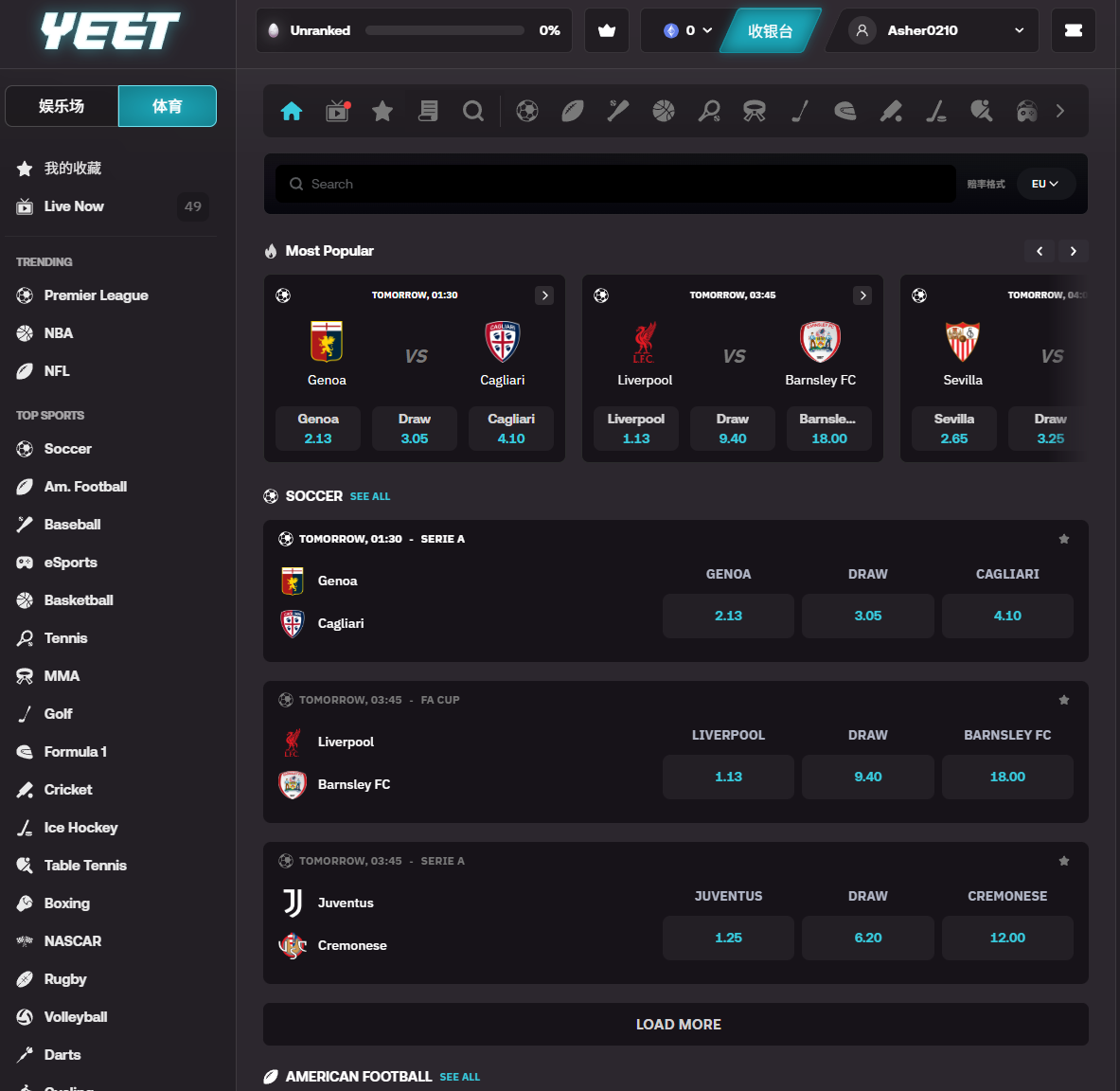
Register an account via email. Website link: https://yeet.com/register.
Loopscale: Solana Ecosystem Lending Platform
Project Introduction

Loopscale is a decentralized finance (DeFi) lending protocol based on the Solana blockchain, focusing on order book-style credit markets. It aims to provide more flexible and efficient lending standards for a new generation of on-chain assets (such as real-world assets RWA, liquidity provider LP tokens, staked assets, and meme coins). Previously, Loopscale announced the completion of a $4.25 million seed round led by CoinFund and Jump Capital, with participation from Coinbase and the Solana Foundation.
Interaction Tutorial
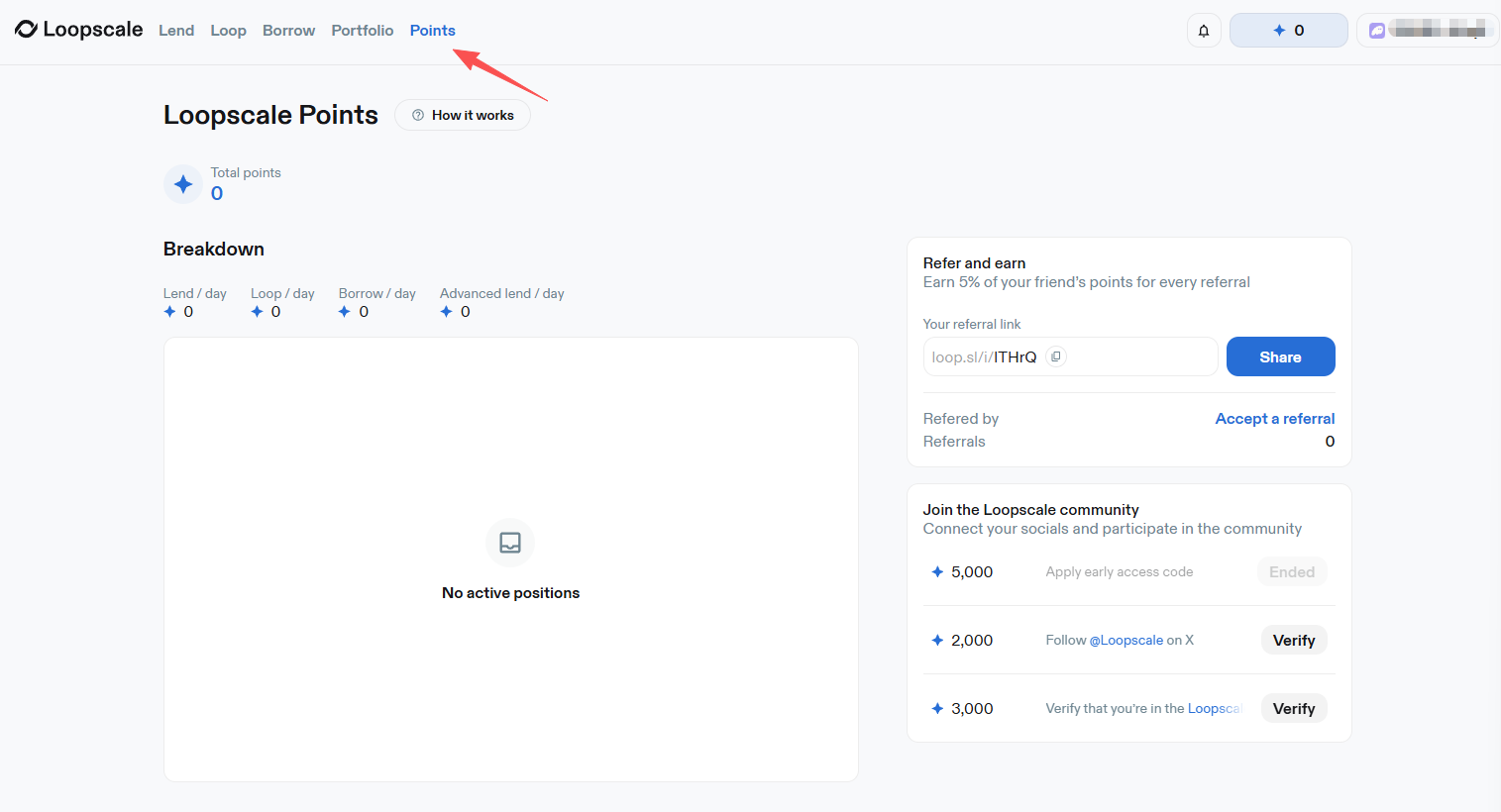
STEP 1. Go to the official website (link: https://app.loopscale.com/lend), click "Points," connect a wallet supporting the Solana ecosystem, and complete two social tasks to earn 5000 points.
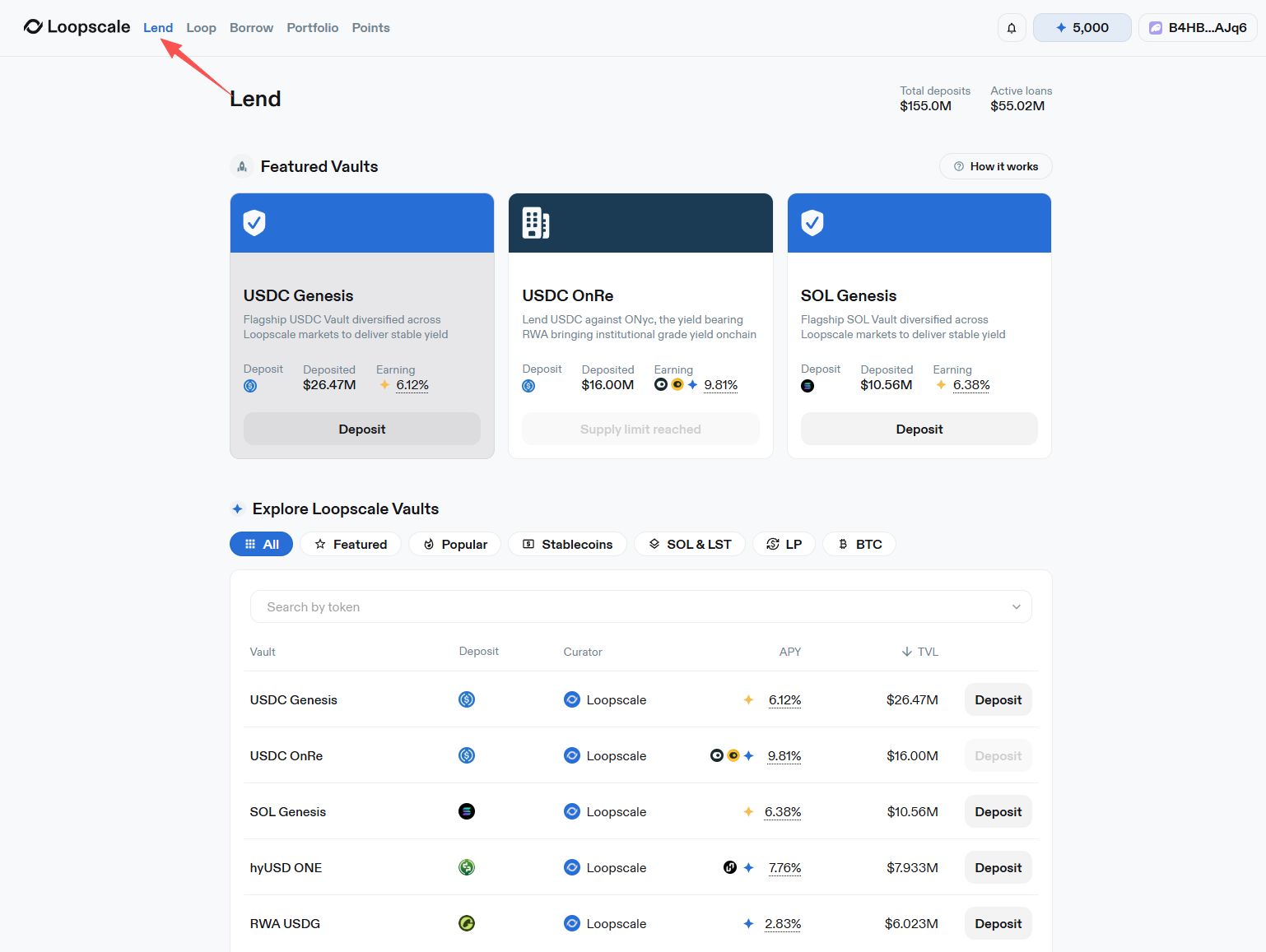
STEP 2. Select the assets to lend or borrow on the platform to earn more points.
OpenMind: Building a Universal Operating System for Intelligent Machines and a Decentralized Collaboration Network
Project Introduction

OpenMind was founded by Stanford University professor Jan Liphardt. It is dedicated to building a universal operating system for intelligent machines and a decentralized collaboration network, enabling robots from different manufacturers and of different forms to securely trust each other, share information, and collaborate globally.
In early August this year, OpenMind announced the completion of a $20 million funding round led by Pantera Capital, with participation from Ribbit, Sequoia, Coinbase Ventures, DCG, Lightspeed Faction, Anagram, Pi Network Ventures, Topology, Primitive Ventures, Amber Group, and several other institutions and renowned angel investors.
Interaction Tutorial
STEP 1. Go to the interaction website (https://fabric.openmind.org/sign-in) and log in using a Google email account;
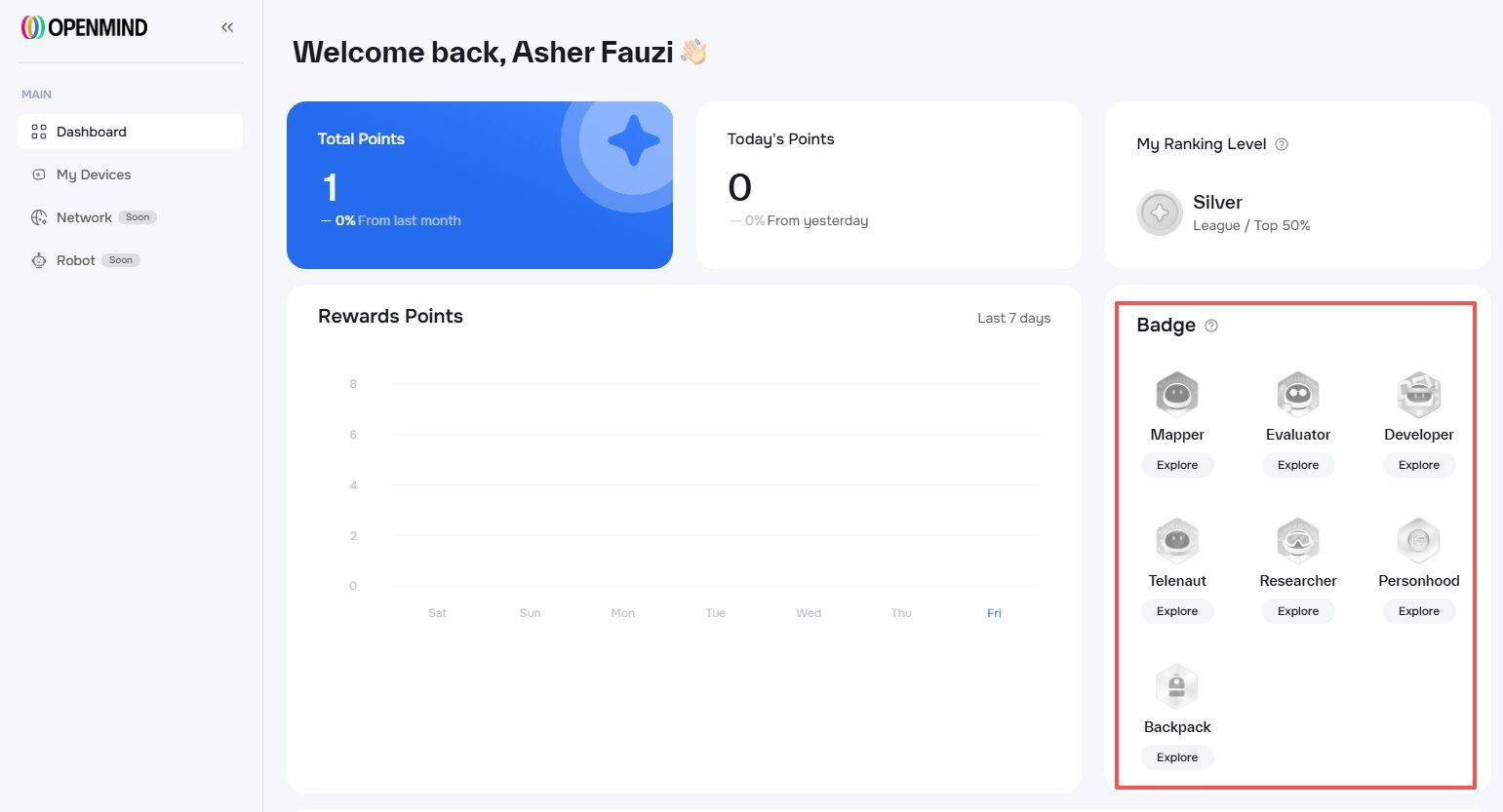
STEP 2. There are currently 7 badge tasks, explained one by one below:
Badge 1. Mapper: Directly download and install the OpenMind AI app from the mobile app store. After entering the software, you need to turn on Bluetooth and location services on your phone;
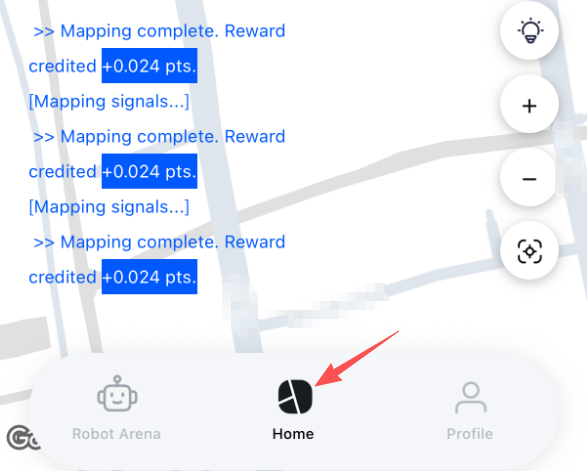
Badge 2. Evaluator: In the App, click on Robot Arena, click the thumbs-up to rate, submit, and swipe down to view about 30 videos;

Badge 3. Telenaut: No strategy available yet;
Badge 4. Researcher: Publish high-quality content on platform X;
Badge 5. Personhood: Register for the World app (can be found in the mobile app store), then select Personhood in the badge section and click Connect. Use the World app to scan the QR code to connect;
Badge 6. Backpack: Download the Backpack app on your mobile device, then select Backpack in the badge section and scan the code to complete verification;
Badge 7. Developer: Developer badge, not available.
OnRe: Solana Ecosystem RWA Sector Project
Project Introduction

OnRe is a globally fully licensed on-chain reinsurance company, formerly known as Nayms, founded in 2019. OnRe connects on-chain capital from the Solana ecosystem with the $750 billion traditional reinsurance market, providing investors with a stable source of yield completely unrelated to crypto market cycles.
Interaction Tutorial
STEP 1. On the official website (link: https://app.onre.finance/), exchange stablecoins for ONyc.
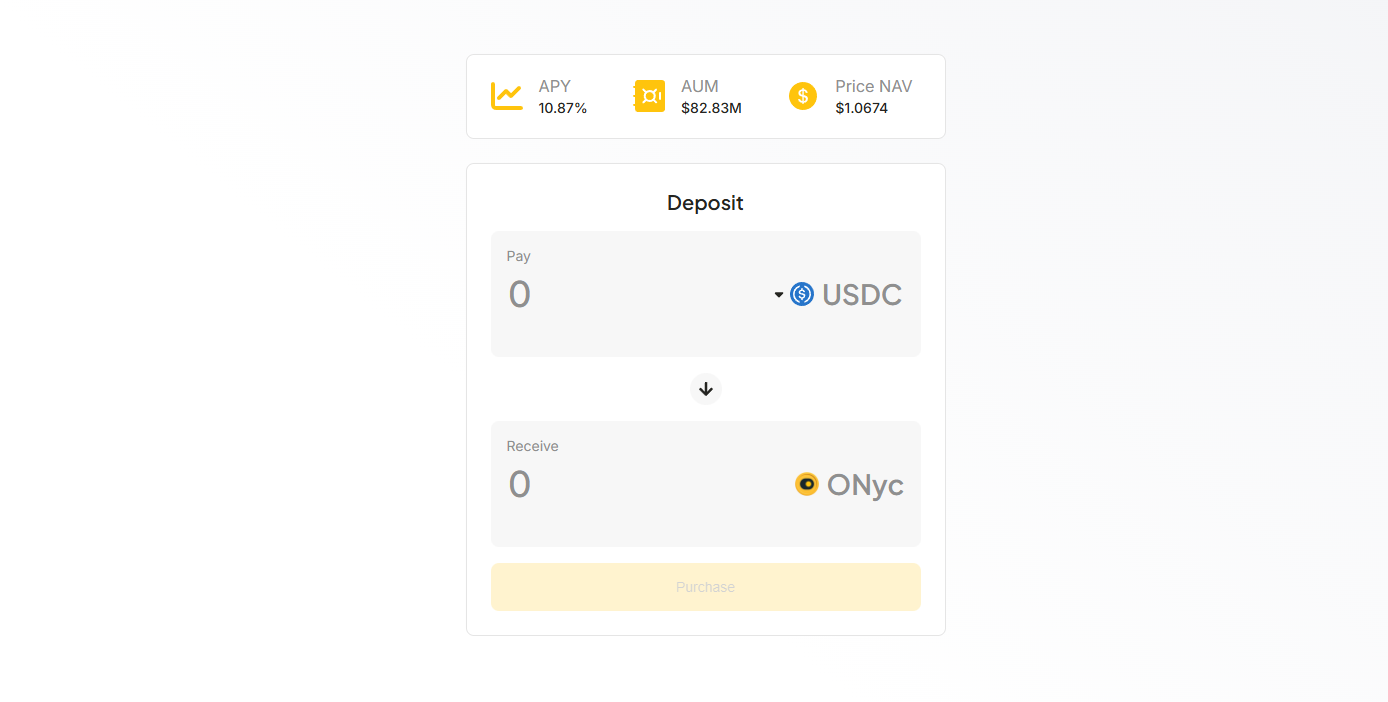
STEP 2. Earn points through lending, providing liquidity, and other methods.
Tria: Global Self-Custody Bank for Humans and AI Agents
Project Introduction

Tria is committed to solving the usability barriers of crypto assets. Users can spend, trade, and earn yield within a single self-custody account without worrying about gas fees, cross-chain issues, or seed phrase management. Its Visa card can be used in over 150 countries and supports over 1000 tokens.
In October 2025, Tria announced the completion of a $12 million pre-seed and strategic funding round. Participants included P2 Ventures, Aptos, the Tria community, as well as executives from Polygon, Ethereum Foundation, Wintermute, Sentient, 0G, Concrete, Eigen, and other companies.
On December 19, 2025, Tria announced the launch of the first season of Tria Points activities.
Interaction Tutorial
Go to the official website (link: https://app.tria.so/), use Tria for payments to earn points.

Kalshi: Prediction Market Platform
Project Introduction

Kalshi is the first prediction market platform designated by the U.S. Commodity Futures Trading Commission (CFTC). As early as January 2025, Donald Trump Jr. joined the regulated prediction platform Kalshi as a strategic advisor. In early October, Kalshi completed a $300 million funding round, valuing the company at $5 billion (For more related content, read: Valuation Soars to $5 Billion, Kalshi Aims to Be the Prediction Market Dominator).
Interaction Tutorial
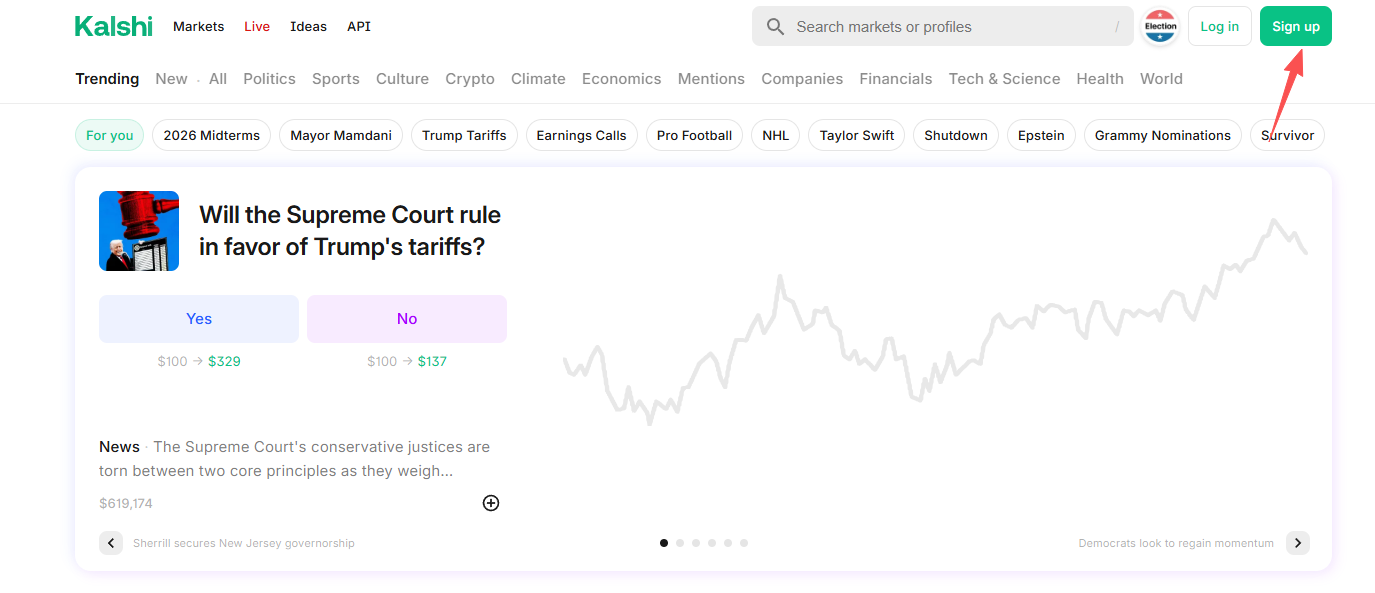
Go to the official website (https://kalshi.com/), click "Sign Up" to register an account via Google email, and pass KYC verification.
Xeet: InfoFi Sector Project
Project Introduction

Xeet, as an InfoFi project, encourages users to "farm mindshare" (accumulate influence) and drive project development through content creation.
Interaction Tutorial
Register with an X account (link: https://xeet.ai/), post relevant content to earn points.
Ellipsis Labs: Solana Ecosystem Perp DEX
Project Introduction

Ellipsis Labs is a Solana ecosystem Perp DEX project. As of now, Ellipsis Labs has completed $23.3 million in funding from investment institutions including Paradigm and Electric Capital.
Interaction Tutorial
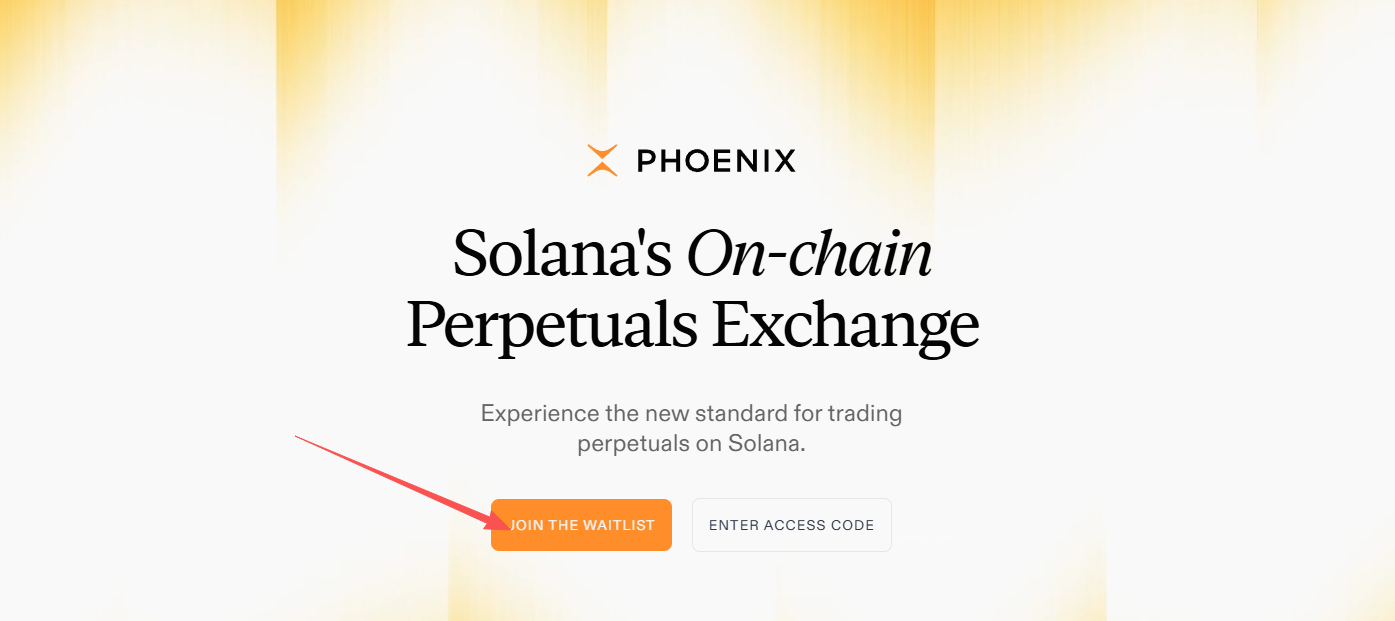
Whitelist application link: https://www.phoenix.trade/waitlist
Polymarket: Prediction Market Platform
Project Introduction

Polymarket is a prediction market platform on the Polygon ecosystem. It gained fame for accurately predicting Trump's victory in the 2024 US presidential election. Its predictions in several key swing states highly matched reality,迅速 establishing its leading position in the industry and making it one of the most influential decentralized prediction market platforms currently.
On October 7, 2025, the Wall Street Journal reported that the Intercontinental Exchange (ICE), the parent company of the New York Stock Exchange, is close to investing $2 billion in the decentralized prediction market platform Polymarket. This could become one of the largest private financing rounds in the history of the crypto field and also marks a deep convergence between traditional financial infrastructure and Web 3 market forms (For more related content, see: Why is the NYSE betting $2 billion on Polymarket?).
Furthermore, in late October 2025, Polymarket announced it would reopen to US users before the end of November (the company had previously been forced to move out of the US due to a CFTC penalty) and plans to launch the POLY token and an airdrop after restarting US operations (For more speculation about the token issuance, see: Polymarket May Issue Token, Submitted Documents Reveal Clues).
Interaction Tutorial
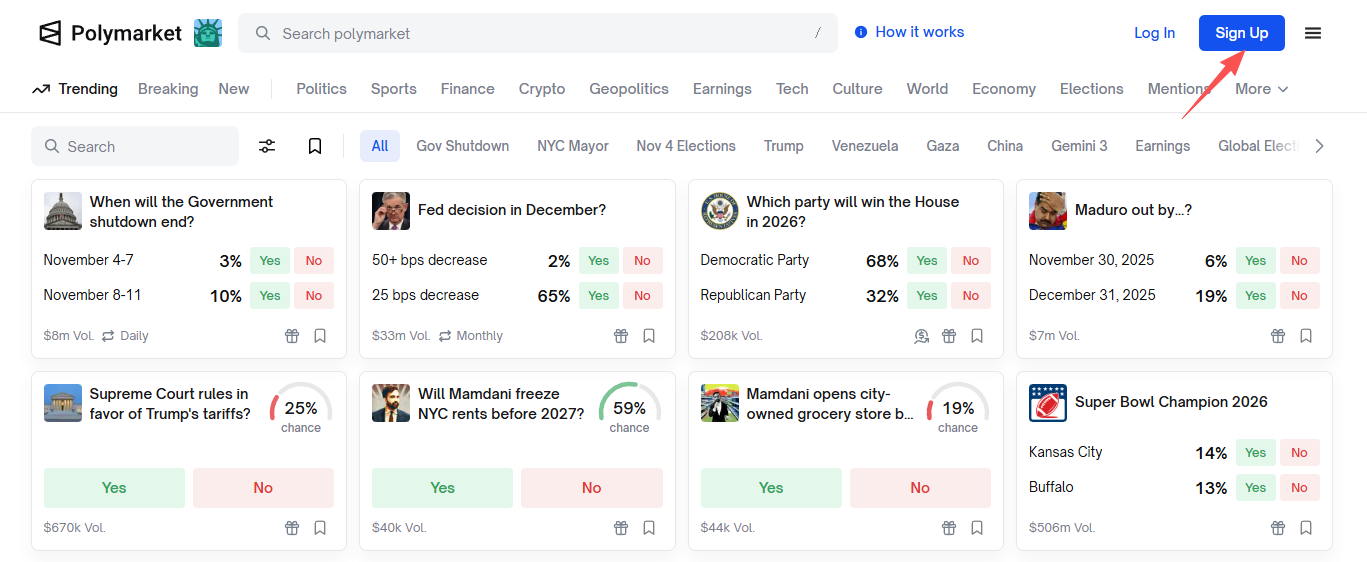
STEP 1. Go to the official website (link: https://polymarket.com/) click "Sign Up" to register an account via Google email or a Web3 wallet.
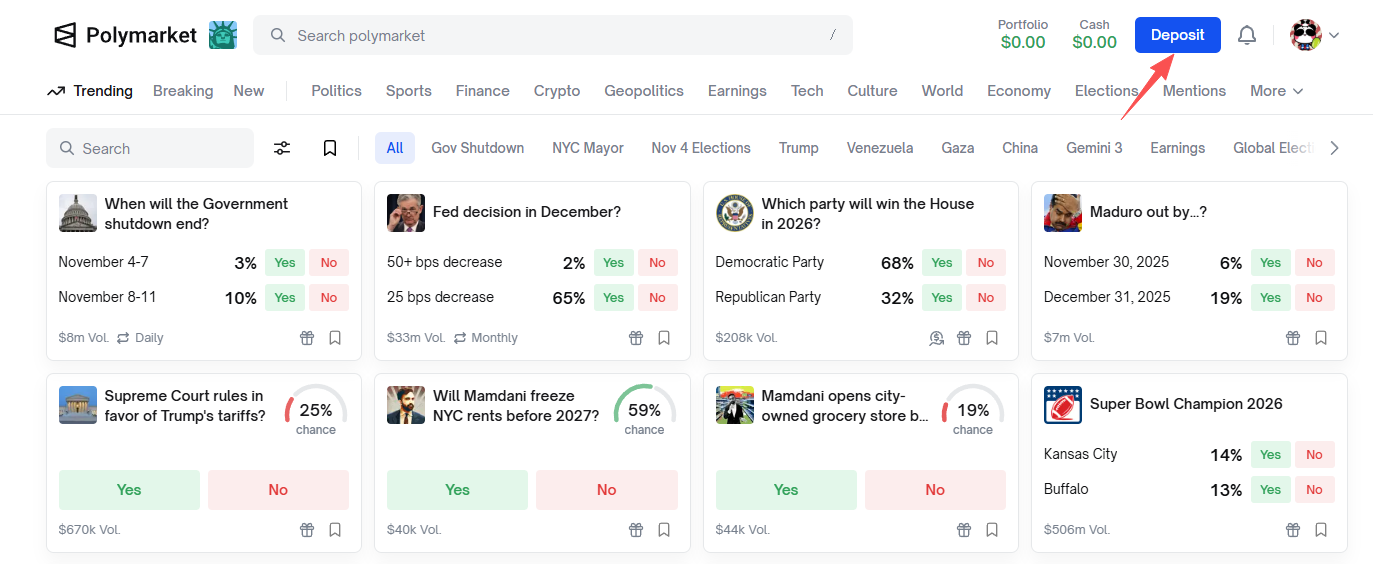
STEP 2. After logging in, click "Deposit" to top up your account,选择充值途径 (supports multiple networks).
phygitals: Web3 Physical Collectibles Platform
Project Introduction

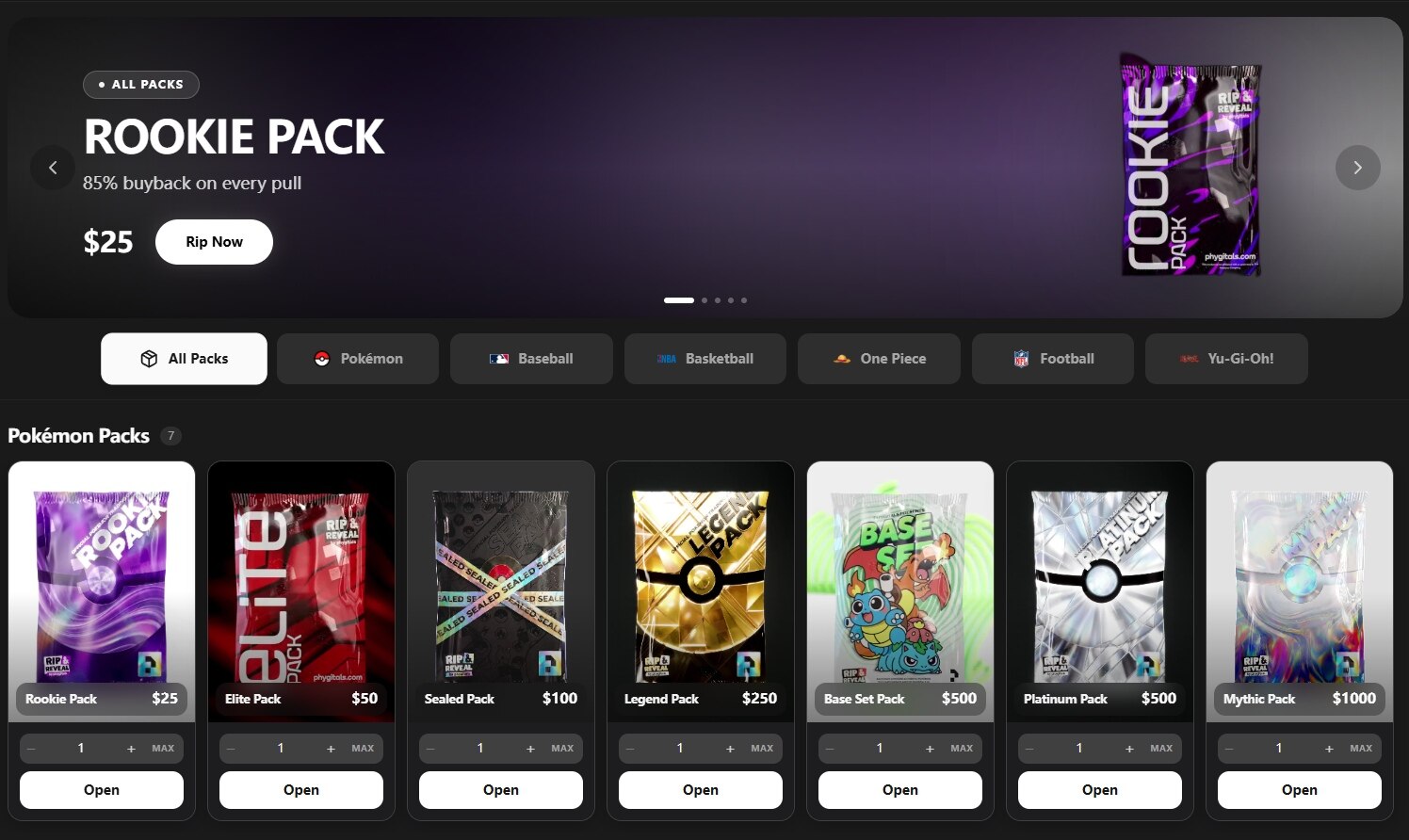
phygitals is a Solana ecosystem physical collectibles platform. The core gameplay involves buying card packs and opening cards of different values. Users can choose to hold them, trade them on the secondary market, or sell them back to the platform at about 85% of the market price.
The price range includes $25, $50, $80, $250, and $500 packs, with different rarities and potential values corresponding to different price points. In addition to Pokémon cards, the platform has also introduced other popular IPs like One Piece, expanding the variety of collectibles and the user base.
Interaction Tutorial
Official link: https://www.phygitals.com/, participate in platform transactions to earn points.
MetaWin: Crypto Entertainment Platform
Project Introduction

MetaWin is a crypto entertainment platform, also known as an on-chain competition/lottery platform, offering thousands of games that can be participated in without KYC.
Interaction Tutorial
Official website link: https://metaw极速5Gin.com/, deposit and bet on activities launched on the platform to earn points.

Project X: Decentralized Exchange Based on HyperEVM
Project Introduction

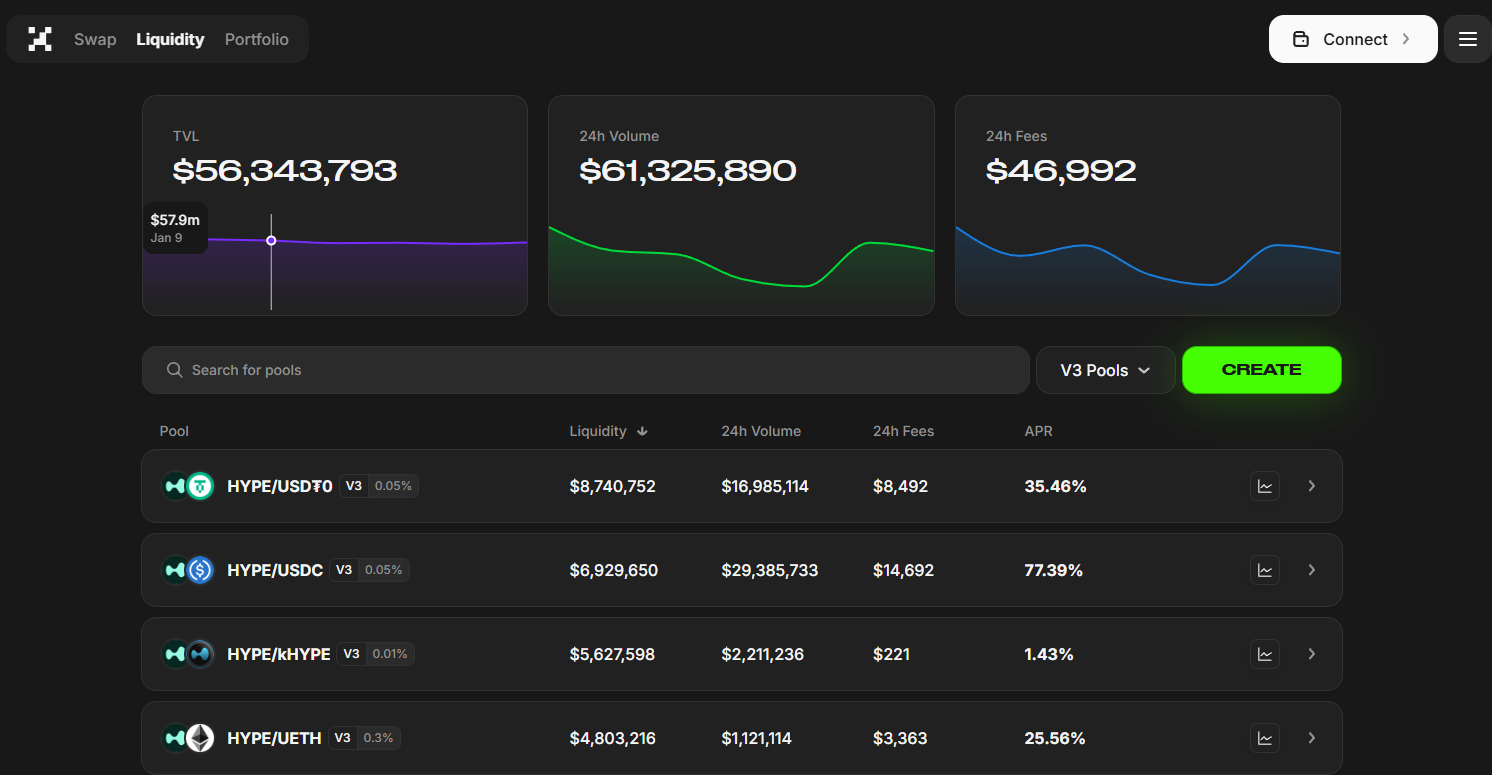
Project X is a decentralized exchange based on HyperEVM, currently with a TVL of $36 million.
Interaction Tutorial
Official website link: https://www.prjx.com/, provide liquidity (LP) to earn points.
Lince: Automated Cryptocurrency Investment Platform
Project Introduction
Lince is an automated cryptocurrency investment platform that allows crypto novices to easily earn yield without understanding complex DeFi operations.
Interaction Tutorial
Fill out your email to apply for early access (link: https://lince.finance/)
Beezie: Web3 Physical Collectibles Platform
Project Introduction
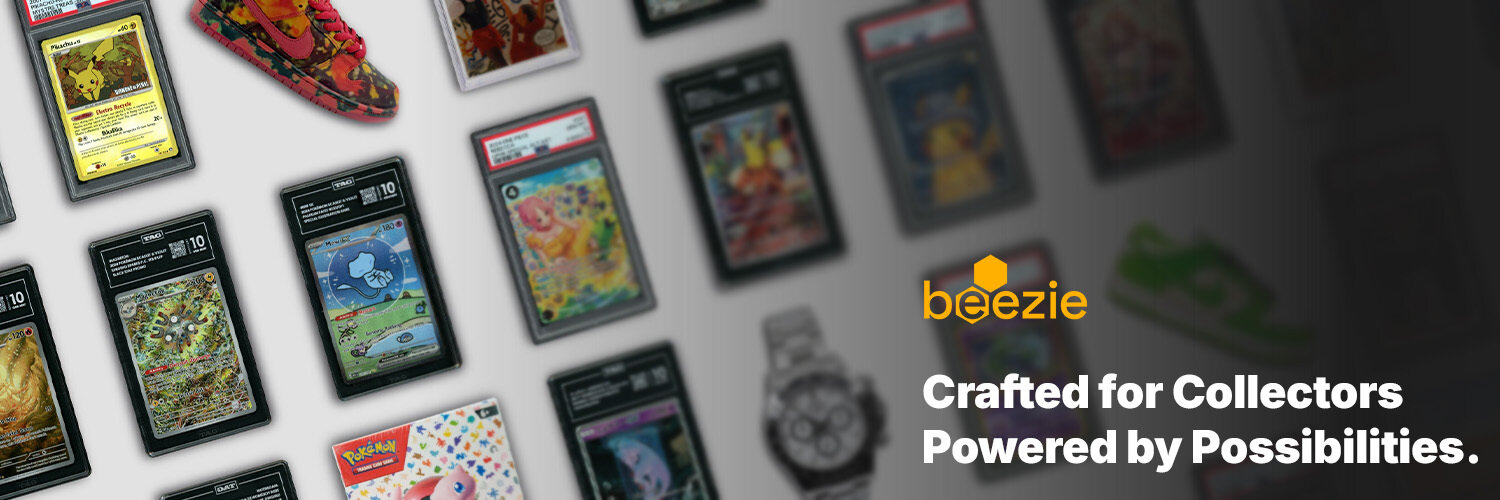
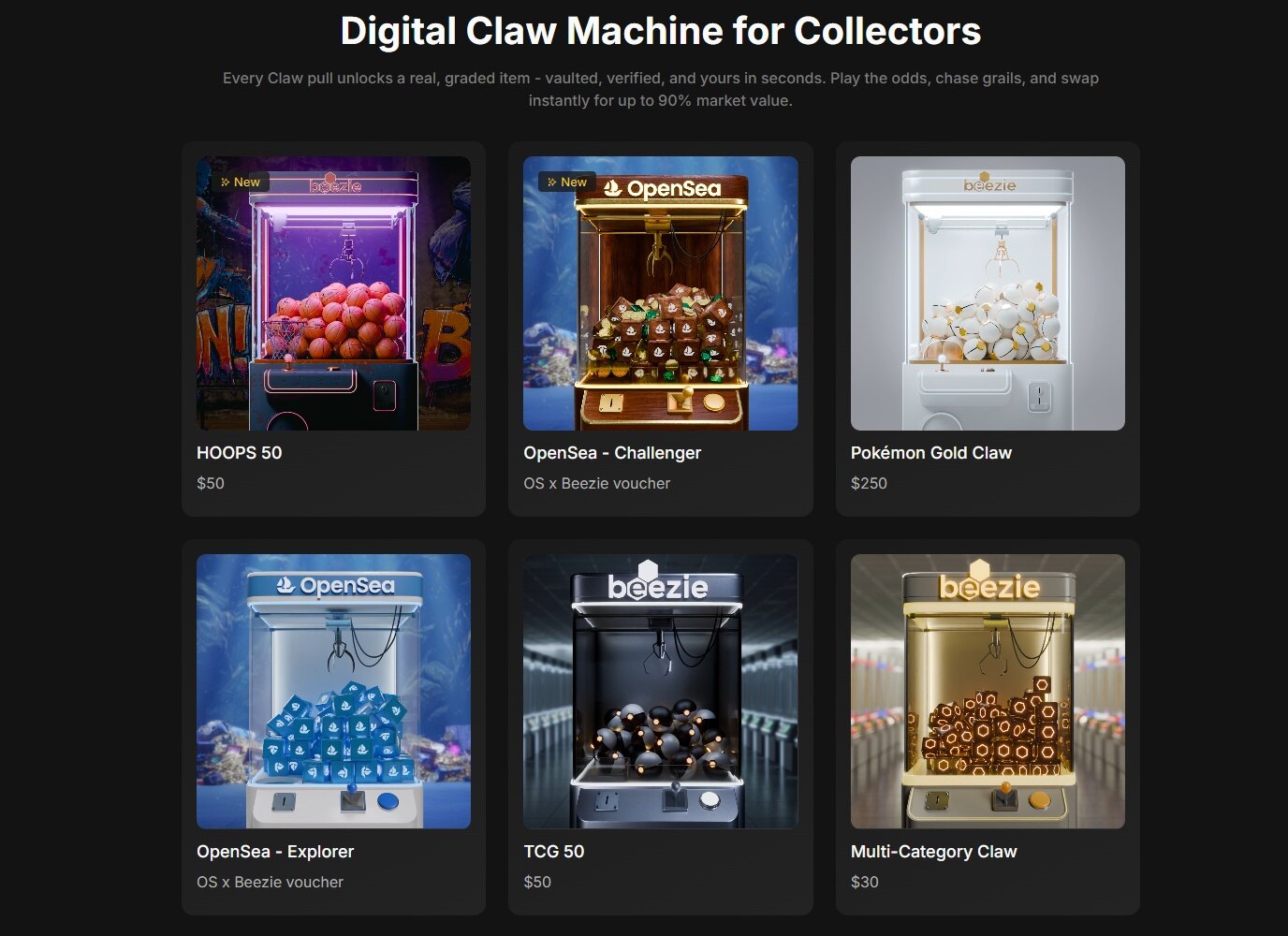
Beezie is a Web3 physical collectibles platform focused on bringing high-value graded collectibles from the real world (especially cards) onto the chain, enabling digital ownership, instant trading, and gamified acquisition experiences.
Interaction Tutorial
Official link: https://beezie.io/claw, participate in platform transactions to earn points.
Multipli.fi: Multi-Chain Yield Generation Protocol
Project Introduction
Multipli.fi is a multi-chain yield generation protocol supported by Pantera Capital, Sequoia Capital, Elevation Capital, and The Spartan Group. The protocol utilizes delta-neutral arbitrage strategies in spot and futures markets to provide high yields for native tokens and RWA assets. As of now, Multipli.fi has completed $21.5 million in funding, receiving investments from institutions including Pantera Capital and Sequoia Capital.
Interaction Tutorial
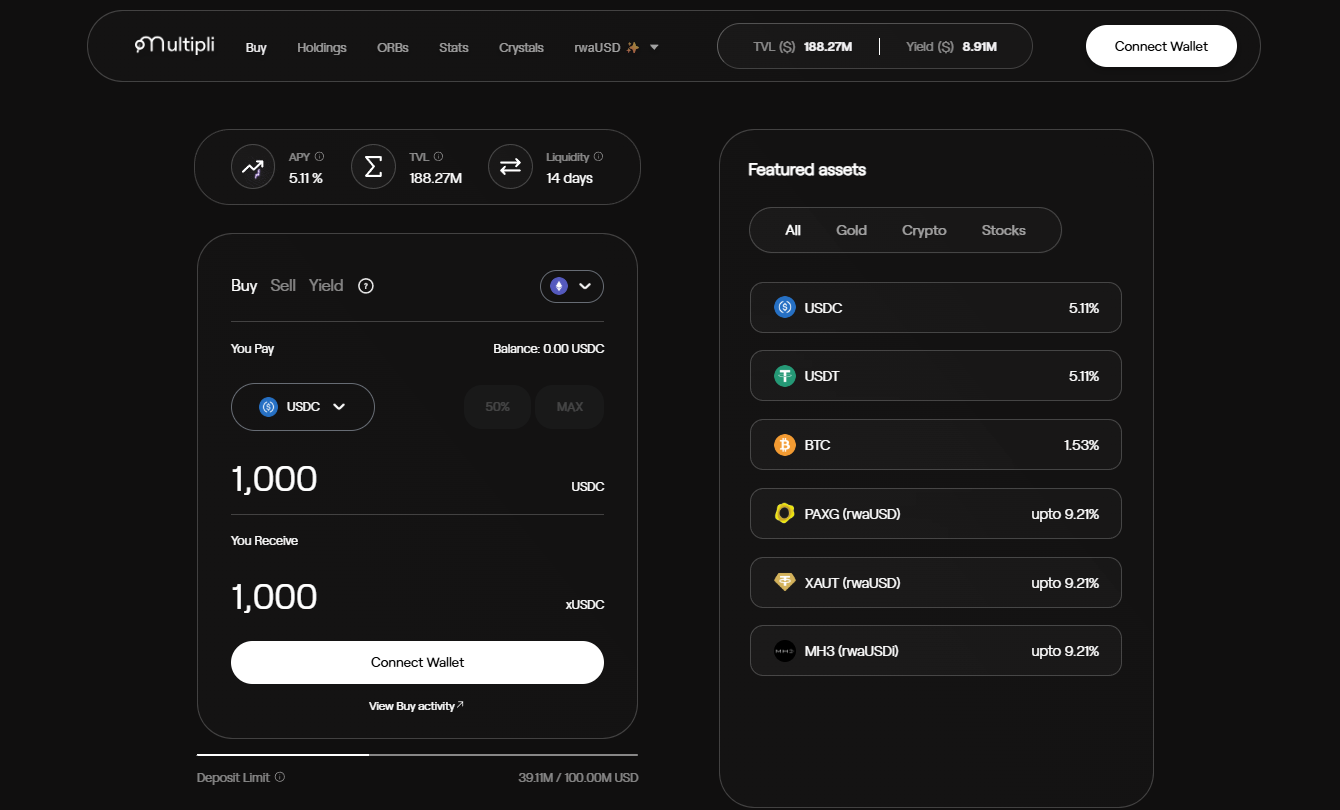
Official website link: https://app.multipli.fi/, deposit stablecoins to earn ORB tokens.
Tempo: L1 Project Focused on the Payments Sector
Project Introduction

Tempo is an L1 project focused on payments, jointly incubated by Stripe and Paradigm. Its biggest difference from traditional public chains is that it does not issue its own native token but directly accepts mainstream stablecoins like USDC and USDT as Gas.
According to ROOTDATA, Tempo completed a $500 million Series A funding round on October 8th, led by venture capital giant Greenoaks and Joshua Kushner's Thrive Capital. This round valued Tempo at $5 billion, with participation from Sequoia Capital, Ribbit Capital, and Ron Conway's SV Angel.
On December 9, 2025, Tempo announced the launch of its testnet on platform X.
Interaction Tutorial
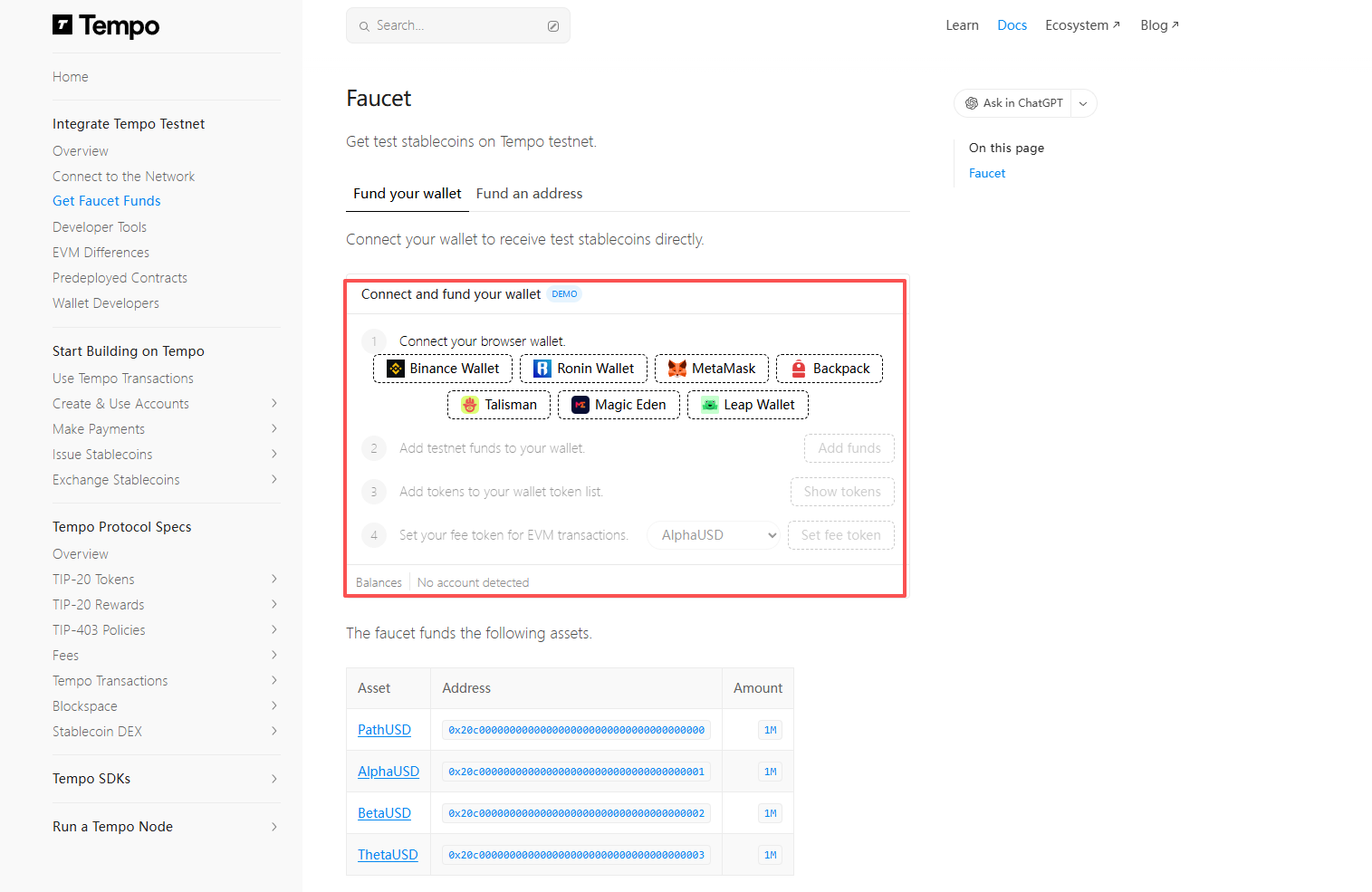
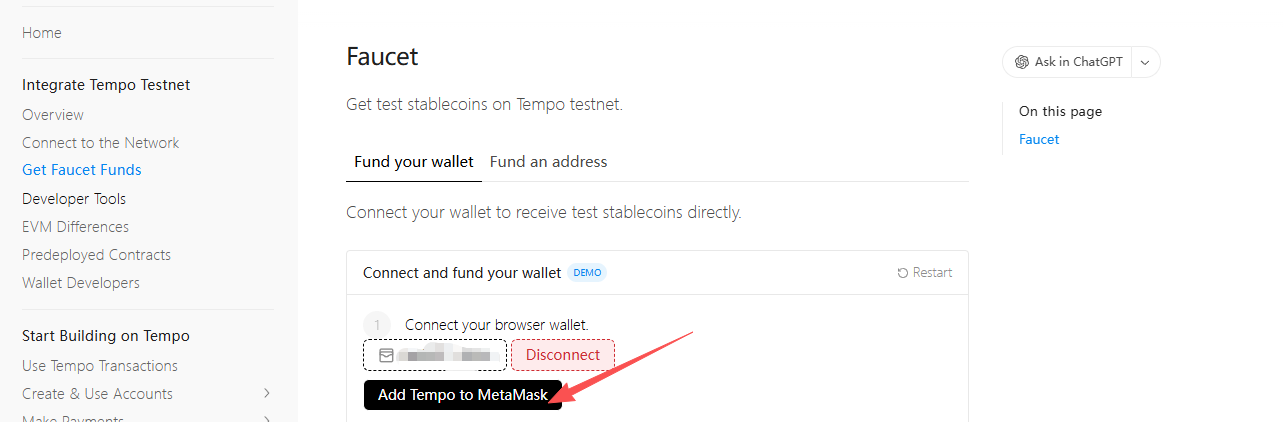
STEP 1. Go to the official documentation (link: https://docs.tempo.xyz/quickstart/faucet), click to connect a Web3 wallet and add the Tempo testnet to the wallet's networks.
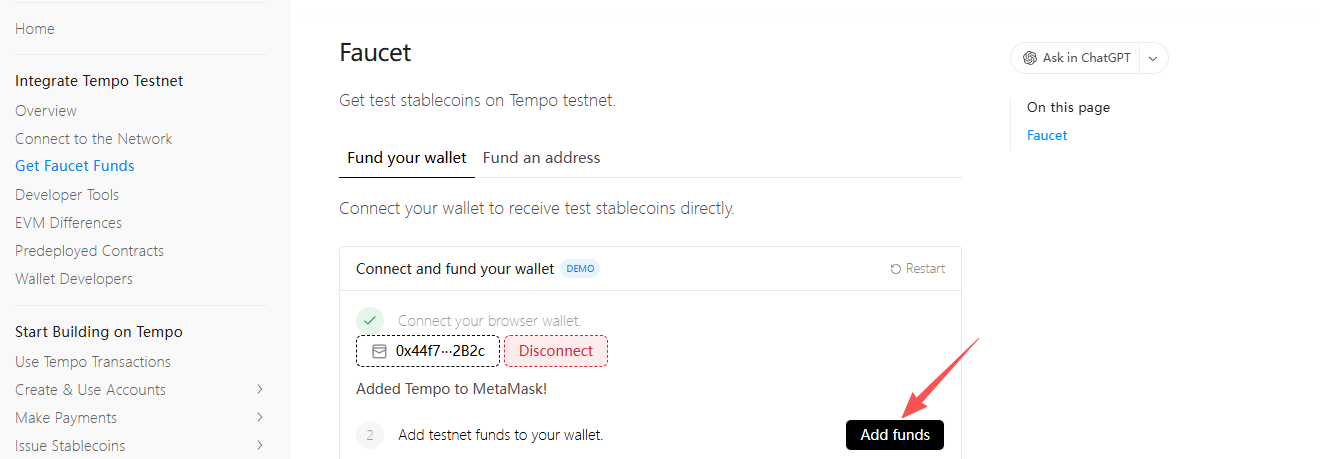
STEP 2. Click "Add funds" to add test coins to your wallet.
STEP 3. Click "Show tokens" to add more test token types to your personal wallet.
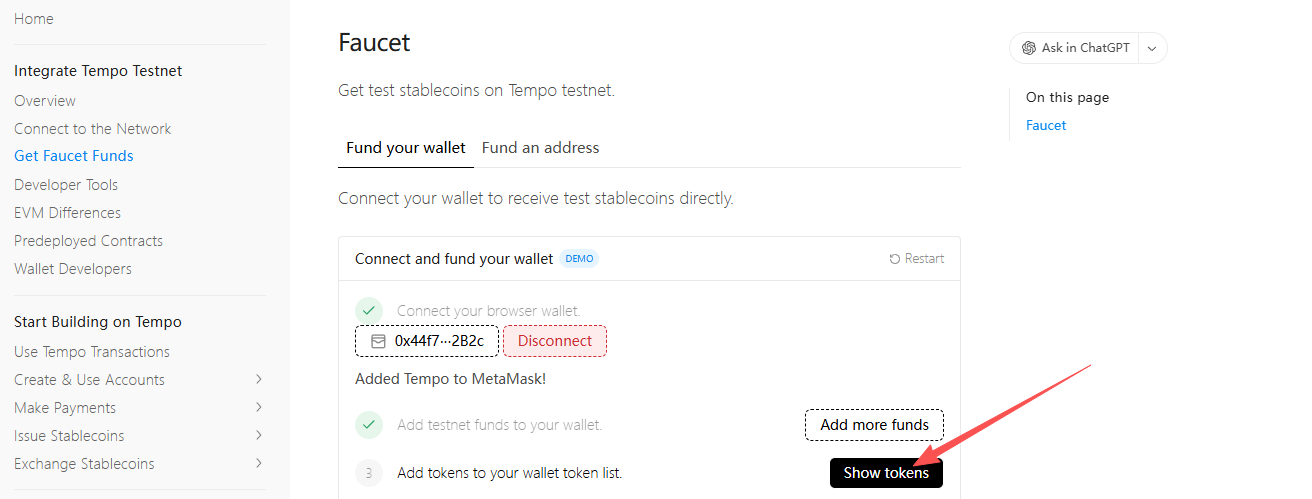
STEP 4. Click "Set fee token" to set the testnet Gas fee token.

STEP 5. Deploy a smart contract on the Tempo testnet (link: https://onchaingm.com/deploy).
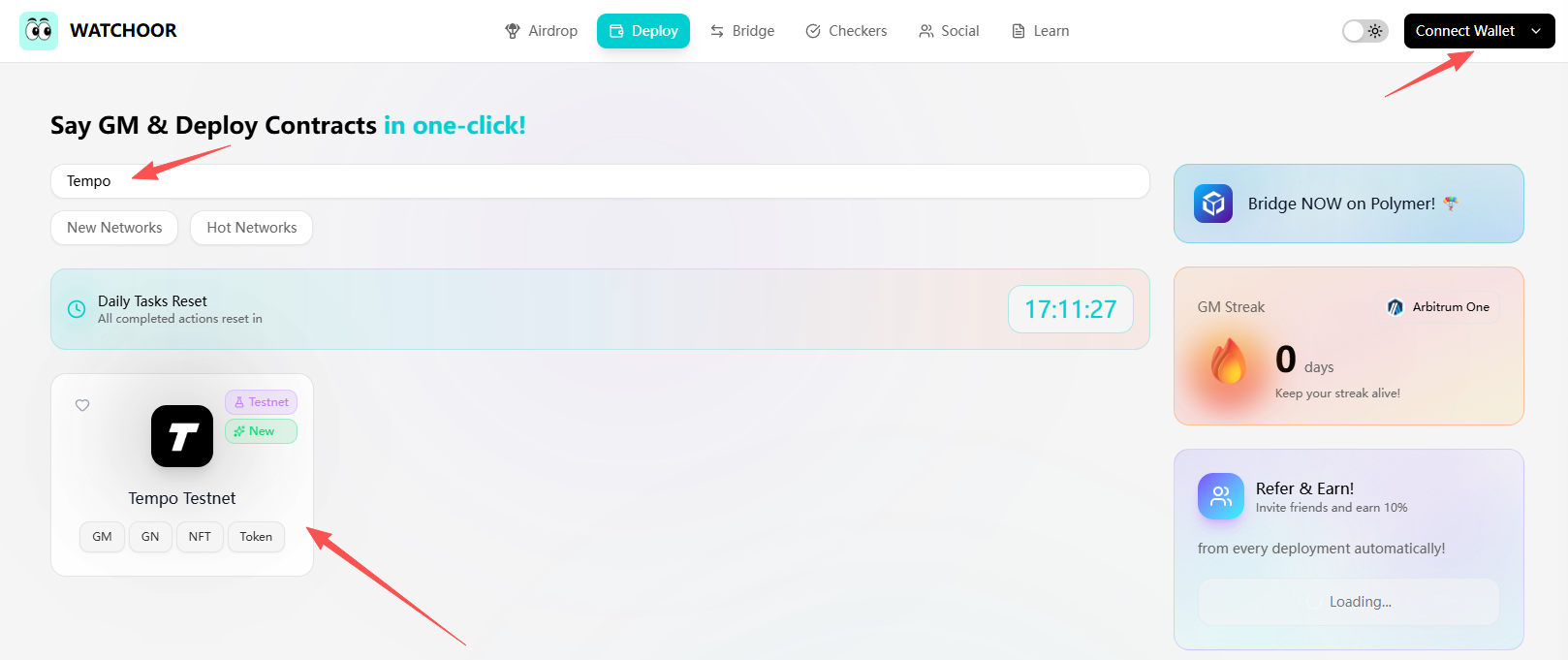
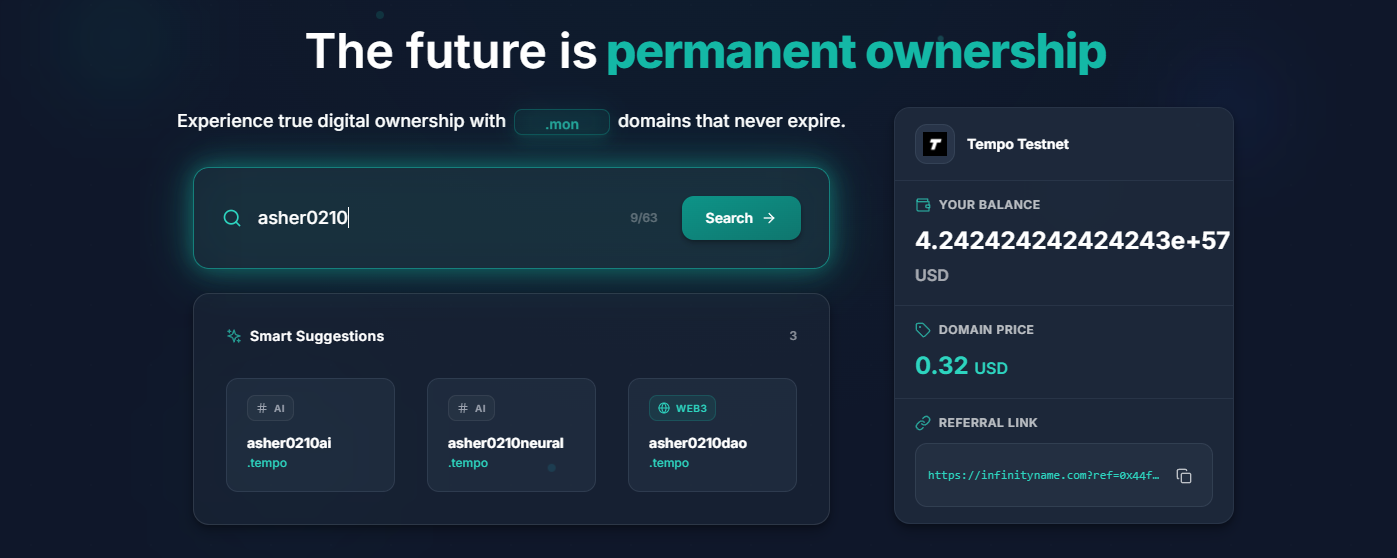
STEP 6. Register a domain name on the Tempo testnet (link: https://infinityname.com/).
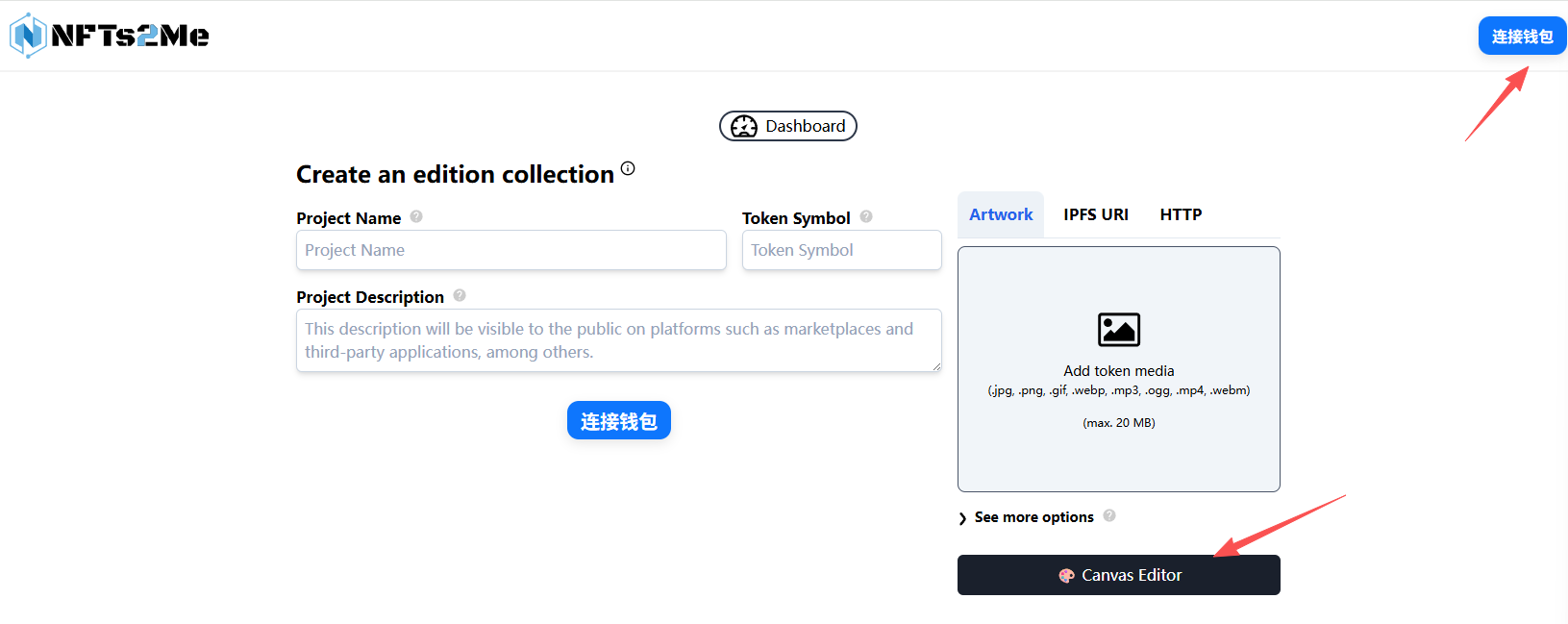
STEP 7. Mint an NFT on the Tempo testnet (link: https://nfts2me.com/create/edition/).
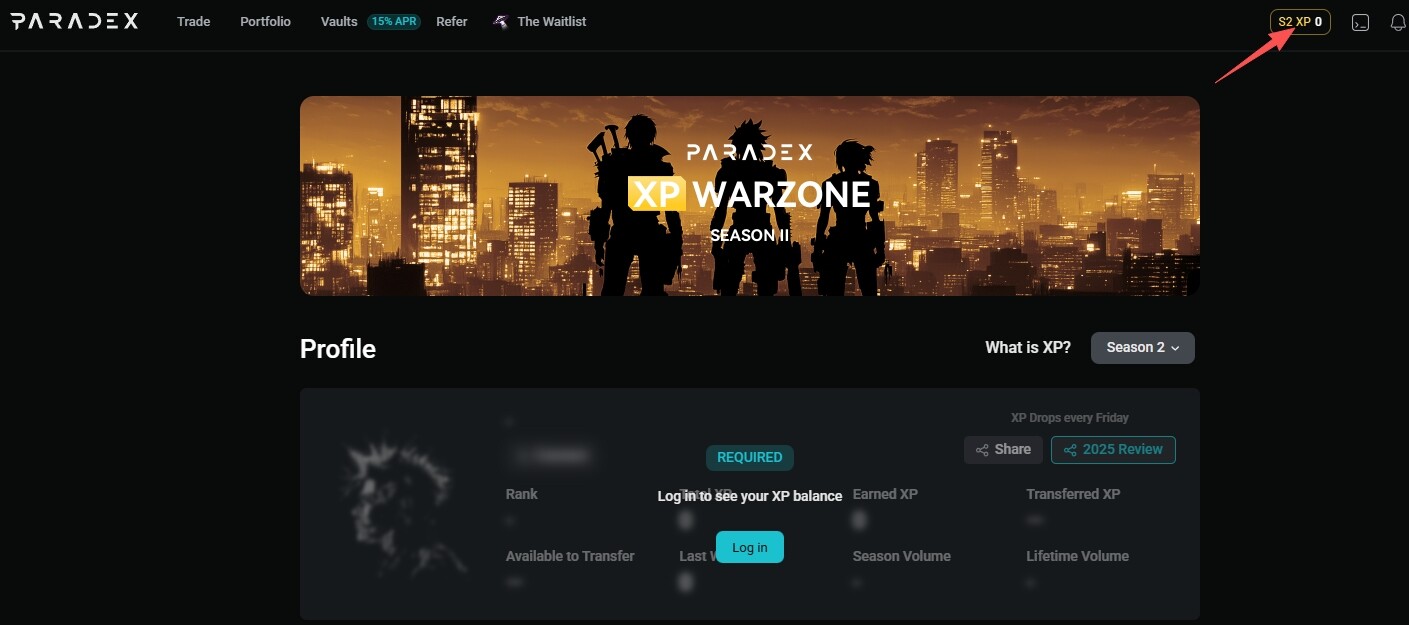
Paradex: Perp DEX Project
Project Introduction

Paradex is built on Ethereum Layer 2 Starknet, implementing a unified account mechanism for perpetual contracts + perpetual options + spot. Additionally, Paradex adopts a zero-fee strategy to encourage trading volume growth.
Interaction Tutorial
Official website link: https://app.paradex.trade/, trade on the platform to earn points.
BULK: Perp DEX Project
Project Introduction

BULK is a Solana ecosystem Perp DEX project. The platform embeds the matching engine into the validator node. When a user places an order, it does not go through Solana's ordinary "transaction queue" but directly enters the Bulk-Tile module built into the validator node. Matching can be completed within 20 ms, and confirmation is done within 40 ms.
In late September 2025, BULK announced the completion of an $8 million seed round led by 6th Man Ventures and Robot Ventures, with participation from Big Brain Holdings, Wintermute, and Solana co-founder Anatoly Yakovenko, among others.
Interaction Tutorial
According to official news, the platform's public beta version is coming soon.








