实战经验分享,带你速通链游Heroes of Mavia「GameFi猎手」

Odaily星球日报Publicado em 2024-02-06Última atualização em 2024-02-06

Resumo

刷“BATTLE”,得金币。

原创 | Odaily星球日报

作者 | Asher

编辑 | 秦晓峰
实战经验分享,带你速通链游Heroes of Mavia「GameFi猎手」

Heroes of Mavia 是由 Skrice Studios 开发的 Web3 MMO 策略 Play to Earn 游戏,玩家可以租赁或与土地所有者合作来获取和建造游戏中的基地,同时使用自己的基地和军队与其他玩家作战获得更多奖励,游戏界面、玩法与《海岛奇兵》相似。推荐阅读《获 Binance Labs 投资,下载量超 10 万,手把手带你交互链游 Mavia

实战经验分享,带你速通链游Heroes of Mavia「GameFi猎手」官方宣布将在 2 月 6 日发行其项目代币 MAVIA,并在 Bybit、Kucoin 等中心化交易所上线。虽然目前下载注册并绑定电脑端账户的活动已经结束,但 Heroes of Mavia 的可玩性依然很强,喜欢“海岛奇兵”这类游戏的小伙伴可能会对该游戏产生兴趣。此外,Heroes of Mavia 仍处于早期,尽早参与仍有机会获得游戏代币。

实战技巧

Odaily星球日报通过几天的测试,目前已经攒够 70 万金币,并且主建筑正在升级 5 级中;奖杯最高持有 1391 个,目前持有 1355 个。游戏测试中,有一些经验可供玩家借鉴。

实战经验分享,带你速通链游Heroes of Mavia「GameFi猎手」

一、优先升级主建筑, 5 级是短期目标。

这几天手游开服经过了多次维护,其中主建筑升级所需的金币在不断提升,从 4 级升级到 5 级所需金币已经提高到了 70 万枚。目前,团队排行榜中第一梯队的队伍成员普遍都是 5 级主建筑。如何快速升到 5 级,有以下几点建议:

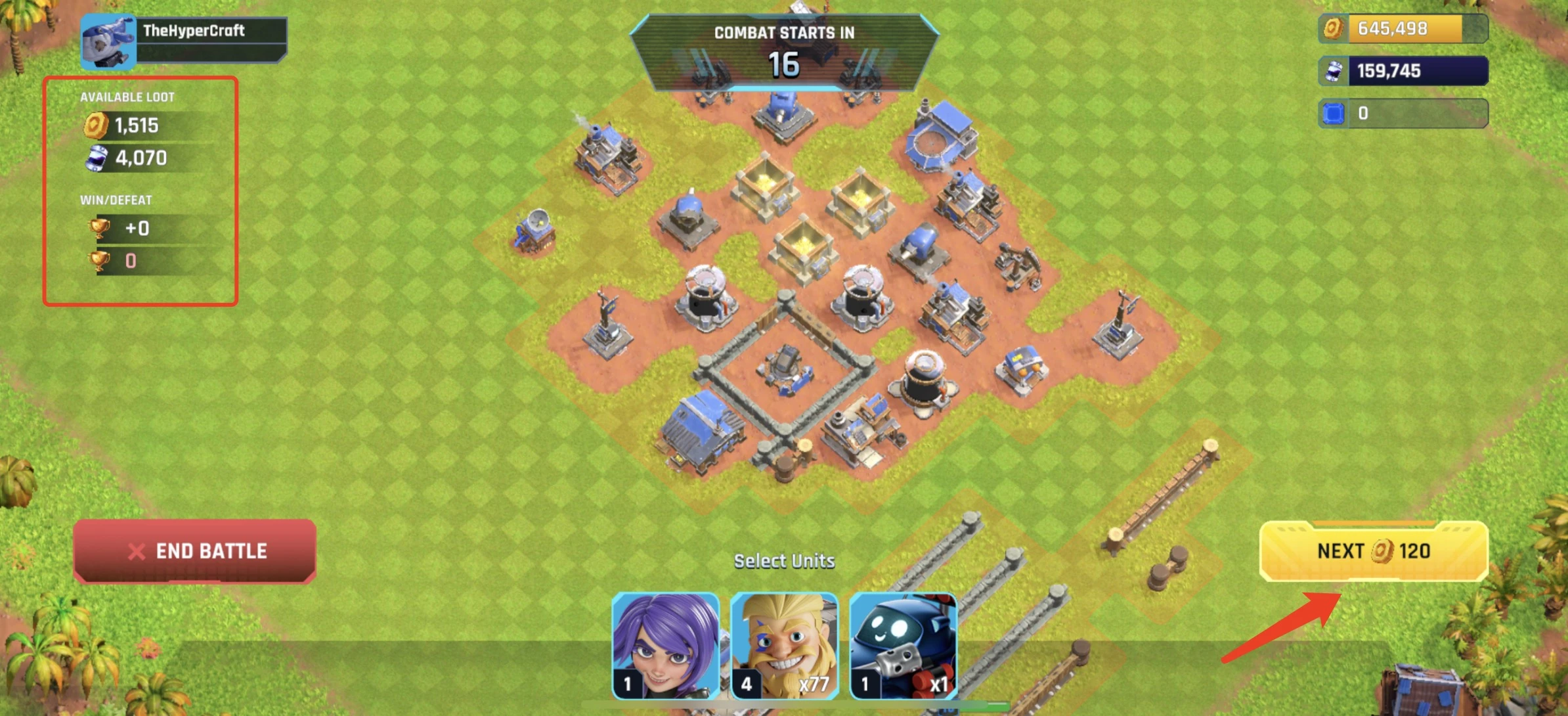
  • 不断进行“BATTLE”获得更多的金币。通过自己的“挖矿建筑物”所产生的金币实在太少,只能通过不断刷“BATTLE”来掠夺更多的金币。刷“BATTLE”小技巧:遇到明显打不过,或者能够取胜但掠夺金币较少的对手,可以选择“NEXT”,直到刷到适合自己的对手再进行对战。如下图,该场对战虽然很容易打过,但所能掠夺的金币太少,并且获胜没有奖杯。因此,选择“NEXT”。
实战经验分享,带你速通链游Heroes of Mavia「GameFi猎手」

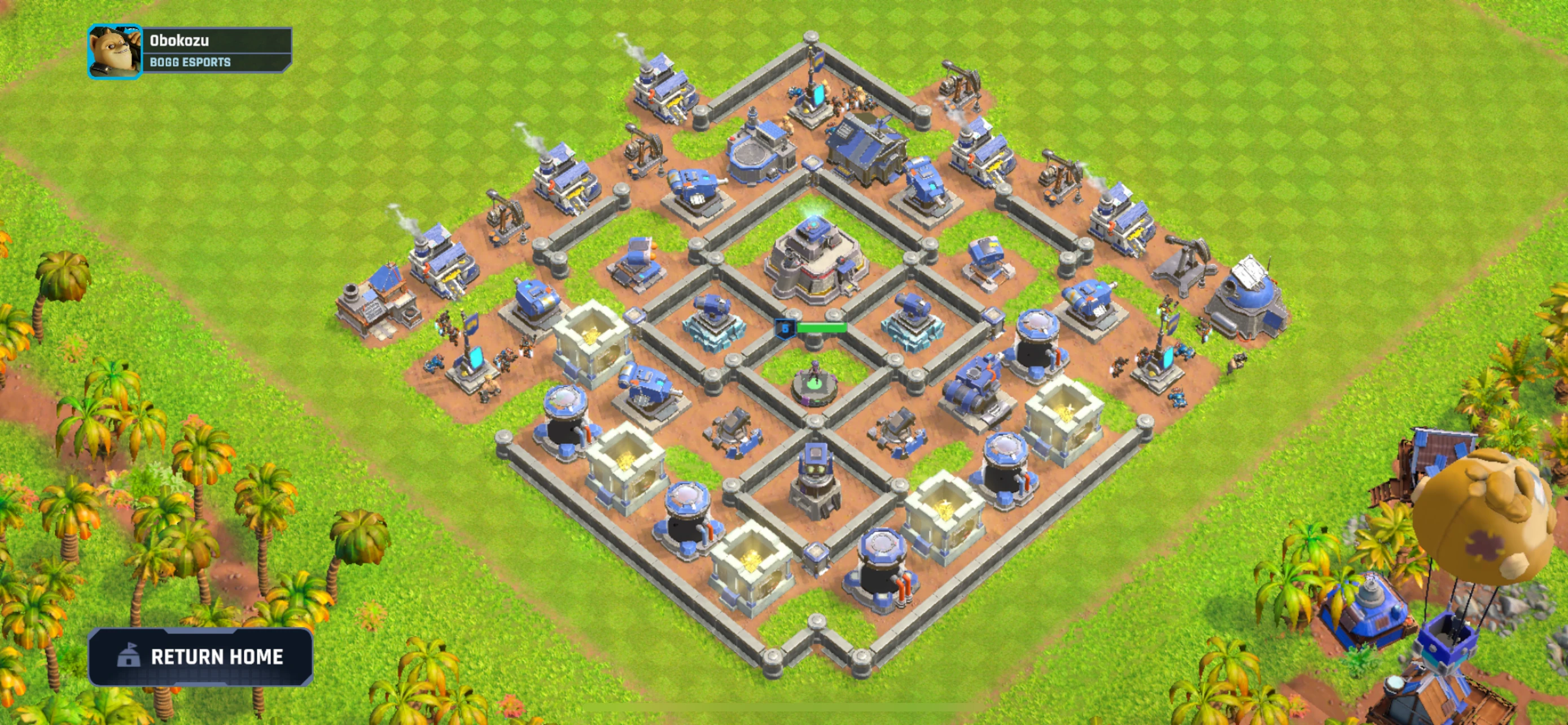
  • 防御型建筑升级的优先级较低。防御型建筑之所以不急着升级是因为主建筑级别低的情况下,防御建筑即便不断升级也会轻易被人“偷家”。因此,建议尽早升级主建筑到 5 级,然后再开始搭建自己的防御体系。下图是一位资深玩家的 5 级防御图,经测试防御能力很强,可参考。
实战经验分享,带你速通链游Heroes of Mavia「GameFi猎手」

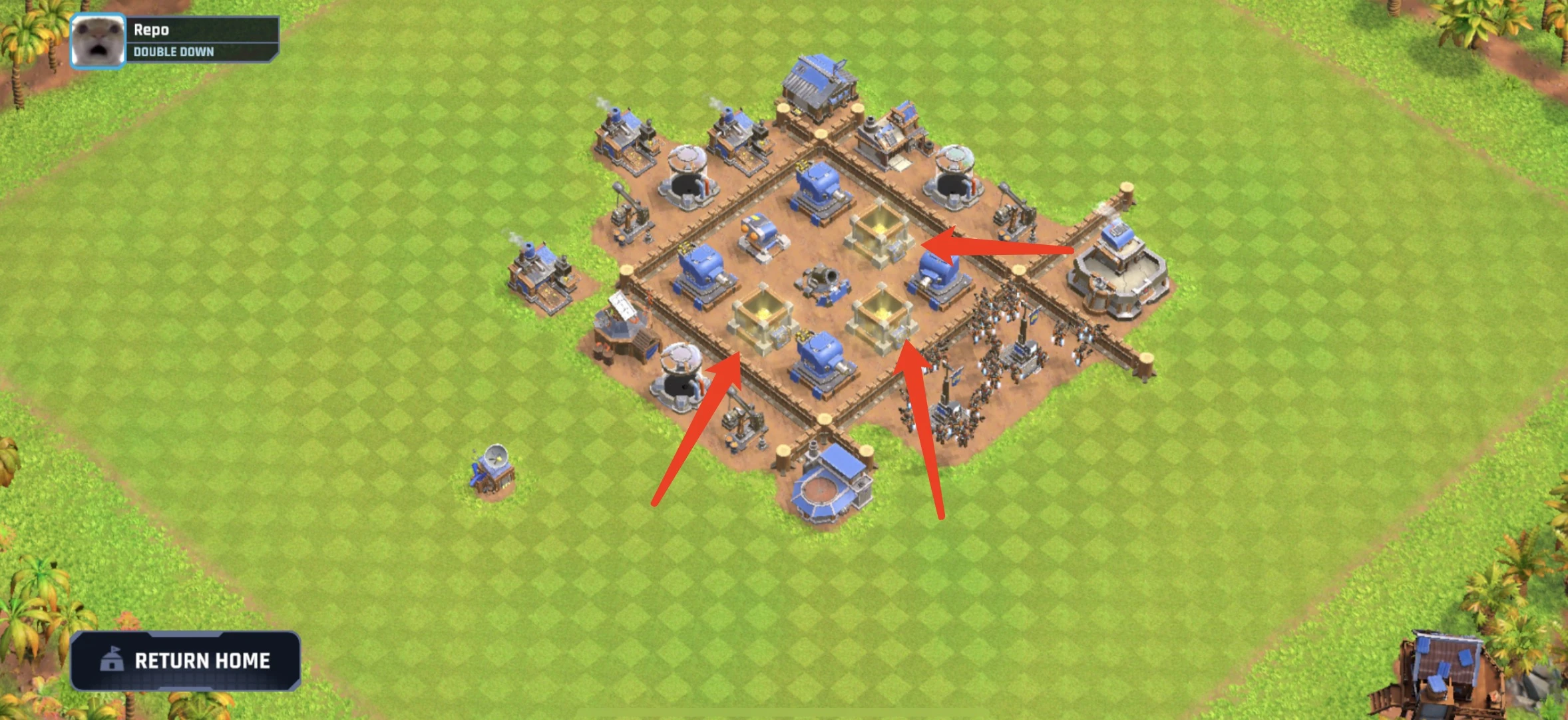
  • 将“金币储存箱“放在核心位置,防止对手轻易破坏。虽然不到主建筑 5 级防守起来很难,但为了尽可能少让对手掠夺金币数量,要重点保护好“金币存储箱”。强烈建议将其放在火力最猛的区域,减少金币损失。(下图的箭头所指为金币储存箱)
实战经验分享,带你速通链游Heroes of Mavia「GameFi猎手」

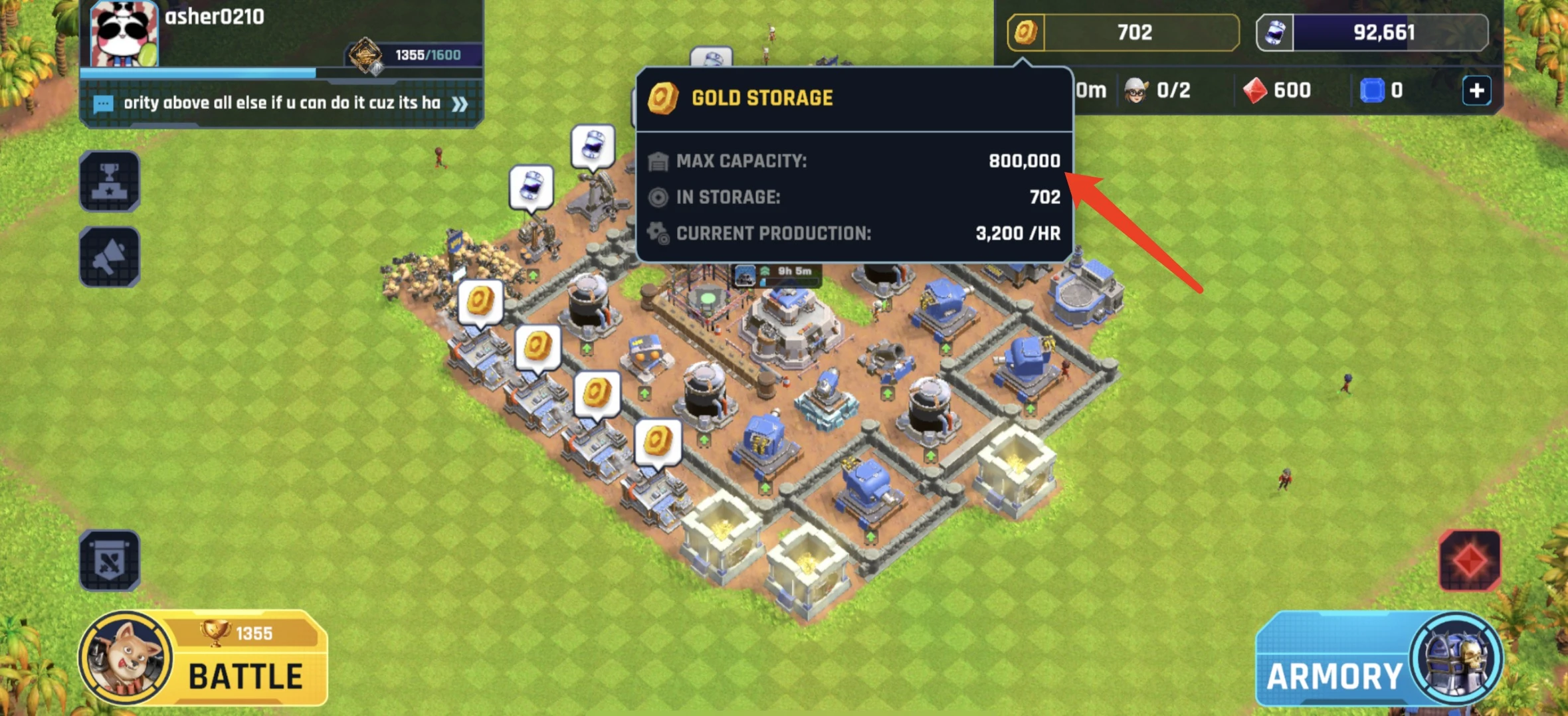
  • “金币存储箱”要持续升级至最高。升级“金币存储箱”是为了提升所持有的金币上限,只有优先升级“金币储存箱”,才能满足所持有的金币上限超过升级主建筑所需要的金币数量。
实战经验分享,带你速通链游Heroes of Mavia「GameFi猎手」

二、进行“BATTLE”时的排兵布阵技巧

  • HERO 的用处很大。在进行对战时,三个防御力极高的建筑分别是“ICE TOWER(冰塔)”、“ANTI-AIR MISSILES(防空塔)”、“MORTAR(迫击炮)”。其中,冰塔与防空塔都属于可以同时攻击多个目标的防御建筑,普通小兵很容易出现一下子“死一片”的情况。但 HERO 的生命值很高,能过抵抗一段时间。因此,需要 HERO 吸引火力,其他小兵从其他方向偷袭以获得对战胜利。
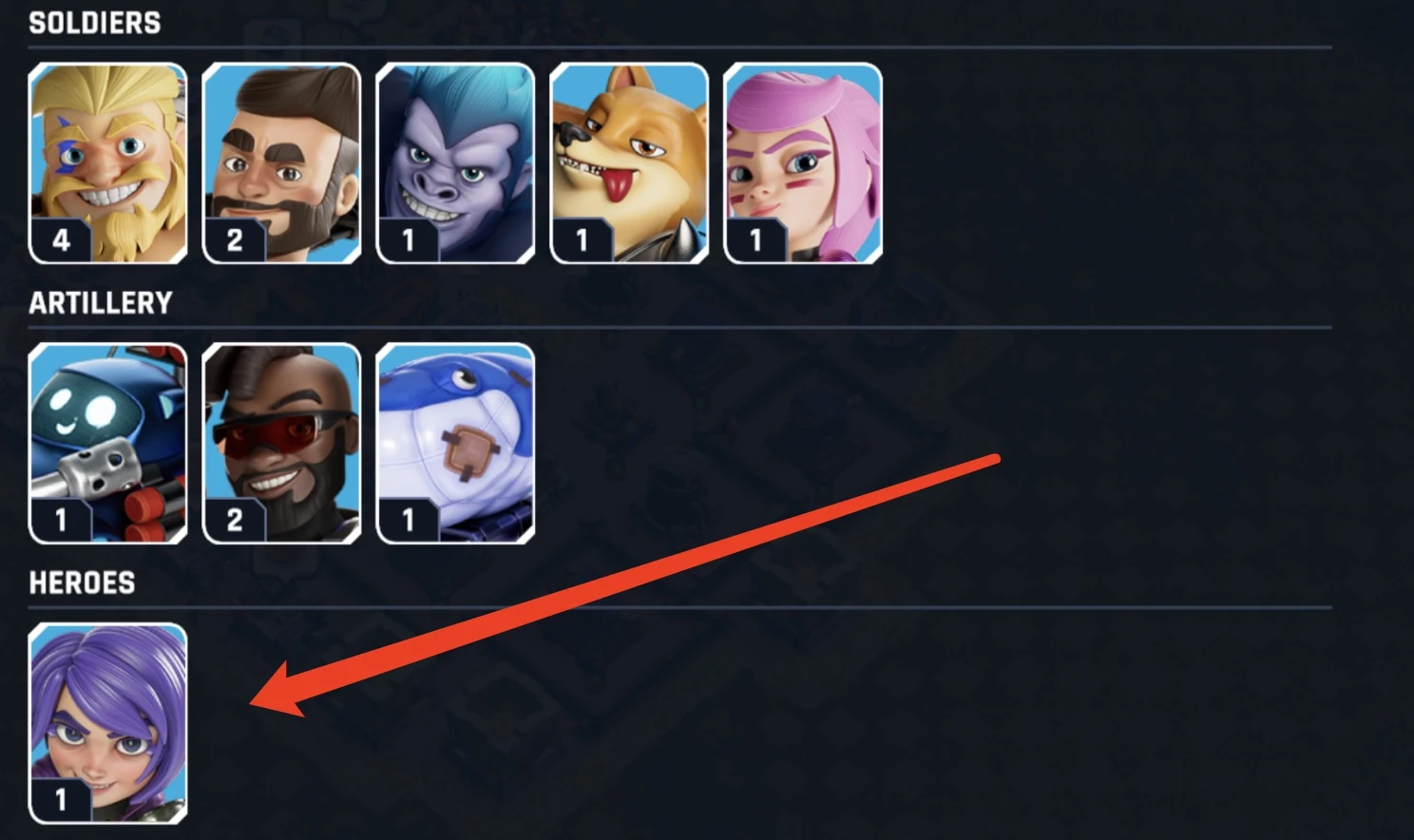
实战经验分享,带你速通链游Heroes of Mavia「GameFi猎手」

  • 进行对战优先选择“STRIKER(锤子兵)”或“SKYFIRE(空战兵)”。目前第一梯队绝大部分玩家都是使用单一的锤子兵或空战兵进行对战。其中,锤子兵的最大优势是“抗打”、“出战的数量上限高”、“攻击伤害高”,但需要提防冰塔与迫击炮的攻击,很容易出现派出几十个锤子兵一下子都死了的情况;空战兵的优势很突出,在 5 级前除了冰塔和防空塔外,其他防御攻击对它无效。但空战兵由于生命值低,一方面惧怕防空塔的不断消耗。另一方面惧怕冰塔的多个目标攻击。因此,无论选择锤子兵还是空战兵一定要通过 HERO 吸引火力后再派大量的兵进攻。

实战经验分享,带你速通链游Heroes of Mavia「GameFi猎手」

  • “BOOM KART(自爆车)”少备几个有奇效。派出去的小兵一般会绕过障碍物攻击优先攻击其他建筑。因此,第一时间用自曝车摧毁冰塔、防空塔、迫击炮周围的部分障碍物使得小兵能优先攻击,更容易获得对战胜利。

实战经验分享,带你速通链游Heroes of Mavia「GameFi猎手」

综述

目前,关于代币 MAVIA 在游戏中的兑换方式官方尚未明确说明。因此该阶段应该尽快升级主建筑,等待规则明确后的第一时间可以进行有效打金。

同时,红水晶是目前唯一控制每日产出的资源,未来极有可能有大作用,建议刷满每日的 100 个红水晶。若时间充裕建议加入排行榜头部的队伍,未来可以获得更多的代币奖励。Odaily星球日报希望以上教程可以帮助到大家,一起刷“BATTLE”,得金币。

官方推特:https://twitter.com/MaviaGame

官网:https://www.mavia.com/

注:「GameFi 猎手」是Odaily星球日报推出的专注于 Web3 游戏的全新版块,定期更新热门项目动态、拆解经济模型以及分享交互教程。寻求报道,请联系微信:zhidong_0210

Leituras Relacionadas

GPT-5.6 Countdown: Abandon the Illusion of a Single API, Computational Iteration Can't Outpace a Single Page of Compliance

In mid-June, three seemingly independent industry events—the compliance-driven throttling of Fable 5, the open-sourcing of GLM-5.2, and the leaked release timeline for GPT-5.6—are pushing the global AI industry toward a watershed moment. These shifts signal a fundamental restructuring of the industry's underlying logic. First, **"usability" has substantially overtaken "advanced capabilities"** as the primary weight, pushing the global large language model (LLM) supply chain into a "dual-track" phase of controlled closed-source and local open-source coexistence. Second, **the competitive moats of closed-source giants are shifting**. Their technical focus is moving from "language intelligence" toward "spatial intelligence (world models)"—a domain heavily reliant on computing power. Third, faced with常态化 transnational compliance risks, **a "model-agnostic" decoupled design has become a survival necessity for application-layer developers to maintain business continuity.** The article details how Anthropic's Fable 5, despite its advanced engineering feats, was restricted for non-U.S. citizens within 72 hours of launch, highlighting how geopolitical compliance can instantly limit even the most advanced models. In response, the open-source camp, exemplified by Zhipu AI's MIT-licensed GLM-5.2, is gaining market share by offering stable performance improvements and significant cost advantages (up to 70% savings for enterprises), while achieving full adaptation with domestic semiconductor platforms. Meanwhile, closed-source leaders like OpenAI are pivoting. The anticipated GPT-5.6 reportedly shifts focus from language to spatial intelligence and world models, aiming to rebuild a generational gap in areas like 3D understanding, simulation, and industrial design that demand immense compute. The core conclusion is that the LLM supply chain's logic has changed. Enterprises must now evaluate infrastructure based on a composite of technical performance and policy compliance. For developers, complete reliance on a single closed-source API poses unacceptable risk. Implementing a truly model-agnostic architecture—enabling swift switches to compliant, locally deployable open-source alternatives—is no longer just good practice but a fundamental baseline for business continuity.

marsbitHá 2h

GPT-5.6 Countdown: Abandon the Illusion of a Single API, Computational Iteration Can't Outpace a Single Page of Compliance

marsbitHá 2h

Is the 'Token Subsidy War' Among AI Giants Almost Over?

The article discusses the ongoing "token subsidy war" among AI giants like OpenAI and Anthropic, questioning whether it's nearing its end. It reveals that current AI subscription prices are heavily subsidized, with some plans offering tokens at up to 70 times the actual cost to attract and retain heavy users, especially developers and enterprises. This strategy mirrors past internet-era subsidy battles, but with a key difference: AI tokens lack "lock-in" effects. Unlike ride-hailing or food delivery apps, users can easily switch between AI providers as APIs become standardized, making it difficult for companies to raise prices post-subsidy. The piece highlights a structural asymmetry in the competition. Giants like Google, with massive advertising revenue, can afford to subsidize tokens indefinitely, akin to using "tokens as a weapon." In contrast, venture-backed companies like OpenAI and Anthropic face pressure to become profitable, especially as they approach IPO. The article cites Google Ventures founder Bill Maris, who suggests Google could slash token prices by 80%, putting immense pressure on competitors. Two potential endgames are presented: the "internet service" model (subsidize, monopolize, then raise prices) and the "utility" model (tokens become a standardized, low-margin commodity like electricity). Given the low switching costs, the latter seems more likely. The competition may not have a single winner but could instead accelerate AI's evolution into a foundational, infrastructure-level technology, akin to a public utility. For now, users continue to benefit from heavily subsidized token costs.

marsbitHá 2h

Is the 'Token Subsidy War' Among AI Giants Almost Over?

marsbitHá 2h

Beyond the Stadium: The Profitable Games Surrounding the World Cup

"Beyond the Pitch: The Profit Game Around the World Cup" The FIFA World Cup transcends being a sporting spectacle, evolving into a massive global arena for speculation and profit-seeking. The 2026 tournament has amplified this dynamic, creating a multi-layered ecosystem of financial opportunism alongside the football. **Prediction markets** have surged into the mainstream. Platforms like Polymarket and Kalshi saw trading volumes for World Cup contracts soar, attracting new users with their financial trading model and high-profile, chain-based wealth stories that overshadow traditional sports betting in terms of growth and narrative. However, **traditional sportsbooks** remain the dominant force, leveraging established user habits, legal markets, and comprehensive product offerings to handle the vast majority of speculative wagers, with projections suggesting record-breaking betting volumes. Capital markets also react. **"Concept stocks"** in countries like South Korea and Japan experience volatile price swings based on team performance and anticipated fan spending on items like chicken, beer, and viewing parties, effectively becoming a stock market reflecting fan sentiment. The **ticket resale market** has become a sophisticated arena for arbitrage. Prices fluctuate wildly based on team draws and star power, with sellers sometimes listing tickets they don't yet own in a practice akin to short-selling, while FIFA's own "Right to Buy" tokens add another layer of speculative trading. **Collectibles and merchandise** offer another avenue. Panini sticker albums, with their inherent scarcity and nostalgic value, can become high-value collectibles. Limited-edition or locally themed jerseys command significant premiums on secondary markets, and even counterfeit vendors profit from fans' desire for affordable match-day identity. The **cryptocurrency** space has seen a frenzy of speculative, unauthorized World Cup-themed meme coins on chains like Solana. These tokens, often exploiting team names and player imagery, experience extreme pump-and-dump cycles, creating stories of massive gains for a few early entrants and steep losses for many others. Finally, an entire industry thrives on **providing information and tools** to other speculators. Developers create platforms like SeatSidekick to track ticket inventory and prices, while paid Telegram groups and subscriptions sell betting tips and predictions, monetizing the widespread desire for an informational edge. In essence, the World Cup has become a compressed, global laboratory for speculation. While the games determine champions on the field, a parallel, complex network of financial transactions—spanning prediction contracts, bets, stocks, tickets, collectibles, crypto, and information services—settles its own scores in the global market.

marsbitHá 3h

Beyond the Stadium: The Profitable Games Surrounding the World Cup

marsbitHá 3h

Trading

Spot
Futuros
活动图片