Genopets能否会继承stepn的风彩,成为运动gamefi的新宠

老雅痞Publicado em 2022-04-02Última atualização em 2022-04-02

Resumo

Genopets,世界上第一个基于Solana的Move-to-EarnNFT游戏。

之前给大家介绍了号称是全球首款MoveToEarn(边运动边赚钱)NFT游戏:STEPN,今天我们来聊一聊另一款类似的“边动边赚”NFT游戏——Genopets,世界上第一个基于Solana的Move-to-EarnNFT游戏。

项目简介

Genopets是一款建立在Solona链上的免费NFT游戏,旨在用积极的生活方式变得有趣和有益。Genopets将来自其移动设备的用户步数数据与区块链Play-to-Earn经济学相结合,它有着精灵宝可梦的训练和战斗功能,也具有训练升级、装备制作这些游戏常见功能,玩家可以自由探索Genoverse发展并与在运动中与Genopet战斗时通过在现实生活中采取行动来赚取加密货币。

玩Genopets所需的只是一部智能手机。GenopetNFT可以免费获得,日常行走中就可以积累游戏经验值,玩家随身携带的手机或可穿戴设备记录仪可以随时同步玩家的游戏步数,并将其换成经验值。即使你只是日常上班通勤中拿着手机,也可以在Genopets中获得经验增长。
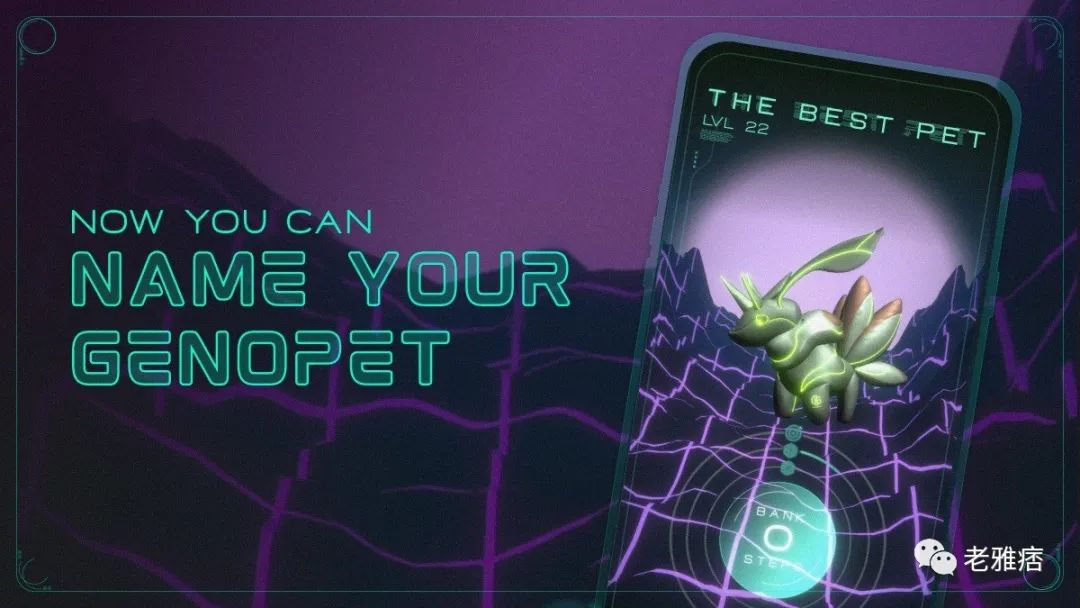
Genopet是一种生成NFT,随着你在游戏中等级的提高,它可以进化,可以升级和定制。目前GenopetNFT是免费的,并且是个孵化期的项目。随着用户投入时间和精力,Genopet增强它的稀有性,提升战斗性能和外观皮肤,它的价值会增加。Genopet会随着XP(游戏经验值)的增加而进化,它的进化可以通过精炼水晶来引导和加速。、

经济模型

在Genoverse游戏中,实行双token经济模型,分别是:$GENEtoken和$KItoken

$GENE代币

$GENE是治理和质押代币,代表Genoverse的所有权。作为$GENE代币持有者,可以对游戏的未来进行投票,并质押$GENE代币以获得奖励。
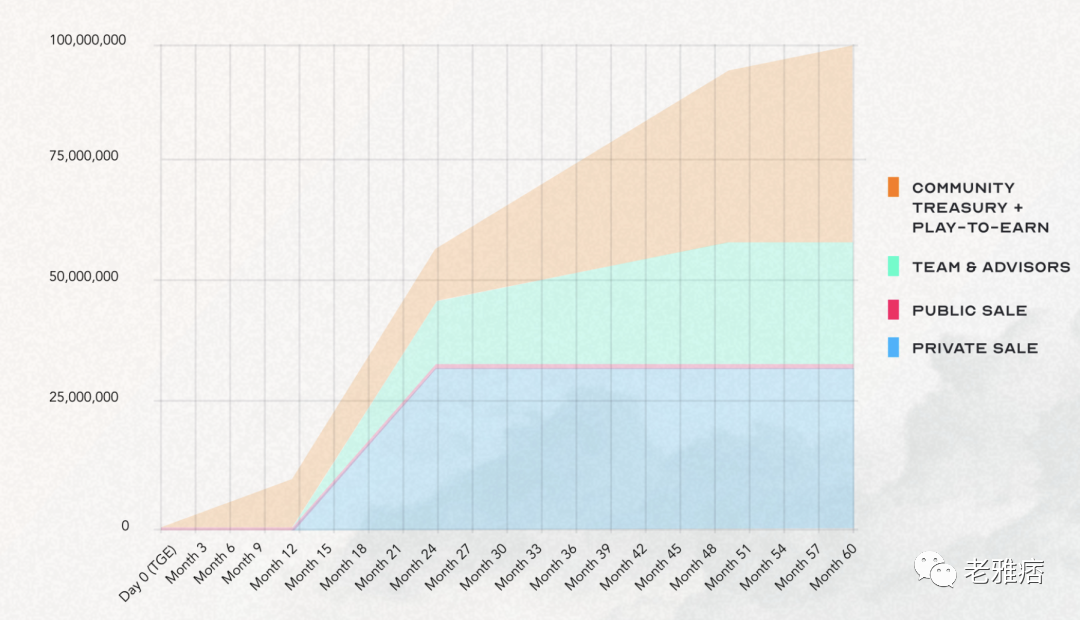
△$Gene在上线后60个月内的流通情况

$KI代币

$KI代币是游戏内的收益代币,购买Habitat时可以获得。使用$KI来进化Genopet,炼化水晶,生成新的栖息地,并与其他玩家战斗。

XP

XP,或称经验值,会随着用户的步数增加以升级Genopet。

RefinedCrystals

RefinedCrystals也是水晶NFT,可以使用$GENE和$KI制作,水晶有多种形式,每一种都在宠物的进化方面发挥着独特的作用。例如,火基因水晶将Genopet元素基因型更改为火,并赋予它炽热的外观和火攻击动作。

Habitat

顾名思义,栖息地是宠物生活和进化的地方。通过GenopetsMarketplace购买或使用$GENE、$KI和GeneCrystals制作的程序生成的NFT。此外,Habitat可提升XP,解锁直接制作精制水晶的能力,并每天赚取$KI。

Genopets首创了一个新的经济驱动模式的,免费和付费玩家都有机会获得收入。我们称之为双赢经济创新。

路线图

第一阶段:可以开始免费铸造您的Genopets、运动赚取XP来进化/升级Genopets。

第二阶段:开放栖息地、水晶、质押$GENE、赚取$KI代币、开放交易市场。

第三阶段:增加更多物品、开发排行榜、社交机制。

第四阶段:新增故事背景模式PvE和团队PvP机制、观众预测优胜者市场。
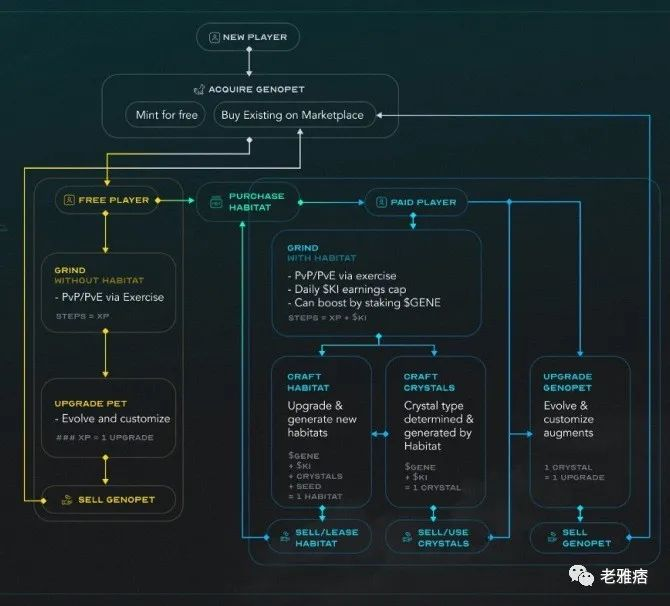
△GenopetsDualEarningEconomy双赢经济

Genopets和STEPN的核心虽然都是在运动健身的赛道上,但Genopets似乎能吸引到更加广泛的群体,因为与STEPN不同的是,它不只是单纯的跑步、升级跑鞋、交易运动鞋这样的运动社交。

它融入了口袋妖怪式的游戏系统,玩家通过运动获得的经验值用于升级和进化GenopetNFT,并且可以与其他玩家的Genopets进行战斗中,栖息地也具有虚拟地产的发展潜力。当然的,随着游戏越来越受欢迎,制作团队可以从中社区的发展中推出更多内容,从而进一步促进经济循环发展。
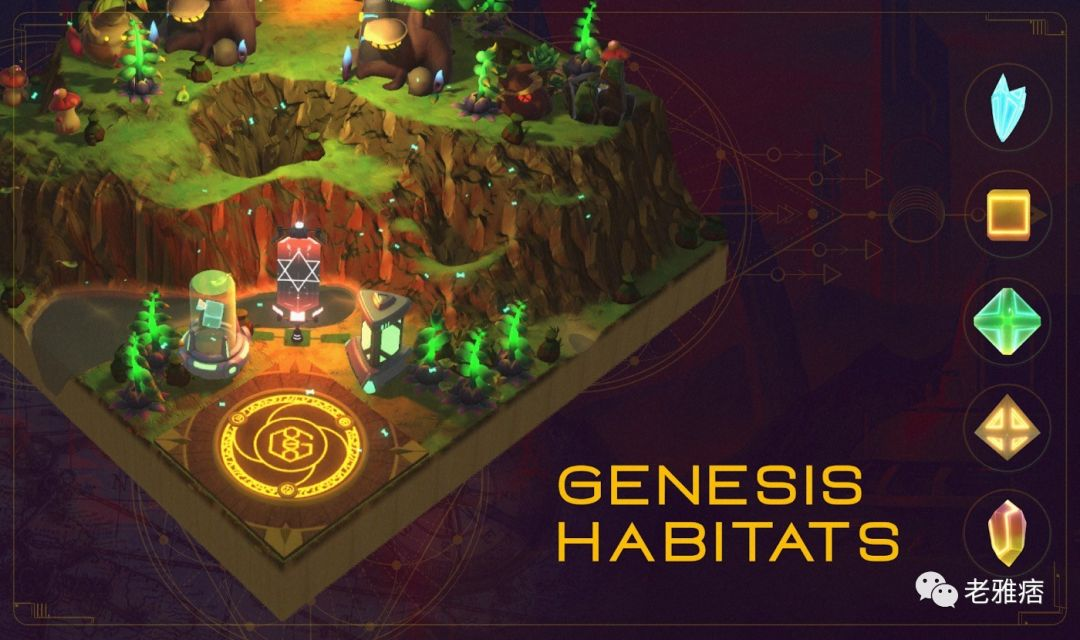
后疫情时代,让健身运动APP在web3时代下商机一片盎然。Genopets将运动健身,宠物对决和加密的力量完美地结合在了一起,它是否能成为下一个AxieInfinity?

STEPN炒鞋热潮不减,健身应用Strava和Sweatcoin的数据也是逐渐增长,这一类项目掀起了一股新风潮,会启发诸多类似项目不断问世,这类健身GameFi有一定的发展潜力,但是它们都同时面临巨大的竞争压力。每隔一段时间,市场都会推出新一批区块链游戏。每个优质游戏都有自己的特色,互相抢夺客户和市场。你认为健身+GameFi赛道会成为下一个风口吗?

Leituras Relacionadas

Huang Xiaoming, Li Bin, Lei Jun, Liang Wenfeng... Who Are the Biggest Winners in the CXMT IPO Feast?

Changxin Technology, a leading Chinese memory chip manufacturer, successfully listed on the Shanghai Stock Exchange's STAR Market (科创板) on July 8, 2026. Its share price surged from the IPO price of 8.66 yuan to close at 49 yuan on the first day, catapulting its market capitalization to 3.28 trillion yuan, making it the most valuable A-share company and triggering a massive wealth creation event. The biggest winners were the company's founder, Zhu Yiming, and its employees. Zhu Yiming's family wealth skyrocketed nearly 300% to approximately $13.9 billion, with his direct stake in Changxin valued at around 80 billion yuan. Additionally, over 6700 employees benefited from stock ownership plans, creating at least 237 new millionaires (in CNY). Zhu also pledged to donate 768 million shares, worth over 37.6 billion yuan, for future employee incentives over a ten-year period. Several prominent investors and corporate clients also reaped significant paper gains from the IPO. Notable figures include: * **Liang Wenfeng**, founder of DeepSeek, whose funds netted a paper profit of approximately 827 million yuan. * **Kong Jianping**, founder of Nano Labs, saw his indirect holdings valued at roughly 940 million yuan. * **Li Bin**, founder of Nio, whose company's strategic investment of 158 million yuan is now worth about 740 million yuan. * **Lei Jun**, founder of Xiaomi, whose subsidiary holds shares currently showing a paper gain of over 736 million yuan. Xiaomi clarified this is a corporate investment, not direct personal wealth. The article notes that while this IPO created immense wealth for insiders and large investors, retail investors who were lucky enough to win an allotment in the lottery typically profited by around 20,000 yuan. The listing solidifies Changxin's position as China's premier domestic memory chipmaker.

marsbitHá 6m

Huang Xiaoming, Li Bin, Lei Jun, Liang Wenfeng... Who Are the Biggest Winners in the CXMT IPO Feast?

marsbitHá 6m

IOSG: From Hot Storage to Cold Memory – Decentralized Storage in the AI Era's Storage Boom

This article explores the stark contrast between the booming AI storage sector and the currently undervalued decentralized storage market. It argues their core value propositions differ fundamentally: AI storage is a "hot data efficiency" system designed to maximize computational throughput, GPU utilization, and business monetization by accelerating data flow into processors. In contrast, decentralized storage represents a "cold data trust" system, prioritizing data immutability, censorship resistance, and the preservation of long-term human memory. The analysis details the multi-layered AI storage architecture, from high-bandwidth memory (HBM) and enterprise SSDs for high-performance needs to data lakes for capacity. It highlights how AI has repositioned storage from a cost center to a critical efficiency engine. Decentralized storage, exemplified by Filecoin and Arweave, is examined for its distinct philosophies and current challenges, including product-market fit, retrieval latency, and enterprise adoption hurdles. Despite its current quiet phase, the article posits that decentralized storage holds unique future value for AI data provenance, public dataset archiving, compliance, and safeguarding civilizational records against censorship. The conclusion suggests that while the market currently rewards efficiency, the need for trusted, permanent data layers may eventually lead to a revaluation of decentralized storage's role.

marsbitHá 11m

IOSG: From Hot Storage to Cold Memory – Decentralized Storage in the AI Era's Storage Boom

marsbitHá 11m

Exploring ChangXin Technology's Hefei Headquarters: The Rising Campus Ignites Changgang CBD, Grassroots Employees 'Witness' Wealth Creation Myth

"On-the-Ground Visit to CXMT's Hefei Headquarters: Campus Boom Ignites Changgang 'CBD,' While Rank-and-File Employees Watch Wealth Creation Myth from the Sidelines." Following CXMT's (ChangXin Memory Technologies Inc., 688825.SH) explosive stock market debut on July 27, where its share price surged over fivefold, a site visit to its Hefei headquarters reveals a stark contrast. While the company's市值 soared, making it A-share's most valuable firm,基层员工 indicate the wealth creation has largely bypassed them. Employees reveal that股权激励 is restricted to managerial levels (Grade 9科长 and above), with most普通员工 at Grades 11 or 12. Salaries, while considered high for Hefei at around 200,000 RMB annually, fall short of the millions speculated online. Work routines remain demanding, with long hours, phone confiscation in sensitive areas, and strict保密 protocols forbidding unauthorized external communication. Simultaneously, CXMT's expansion is visibly transforming the once-rural Changgang area. Ongoing construction includes multiple new phases, with an industrial chain of supporting companies集聚 around the campus. This growth has spurred local development: housing prices initially skyrocketed, and a vibrant commercial district dubbed "Changgang CBD" now thrives, catering to the潮汐效应 of shift workers. The area has evolved from construction sites to a bustling hub, though the company's stringent安保, including high-voltage perimeter fencing, underscores its sensitive nature. The report concludes that while CXMT's rise fuels regional economic activity, the immediate financial rewards of its上市 are not shared by its frontline workforce.

marsbitHá 12m

Exploring ChangXin Technology's Hefei Headquarters: The Rising Campus Ignites Changgang CBD, Grassroots Employees 'Witness' Wealth Creation Myth

marsbitHá 12m

Huang Xiaoming, Li Bin, Lei Jun, Liang Wenfeng... Changxin IPO Feast, Who's the Biggest Winner?

Changxin Technology's IPO on the Shanghai STAR Market created significant wealth for its stakeholders. Founder Zhu Yiming and his family saw their wealth surge nearly 300%, with his stake in Changxin alone valued at approximately 80 billion RMB. Over 6700 employees benefited, creating at least 237 new millionaires. Several prominent figures also profited. Liang Wenfeng, founder of Deepseek, saw a paper gain of 827 million RMB through his funds' participation. Kong Jianping, founder of Nano Labs, holds an indirect stake worth around 940 million RMB, representing a roughly 44x return on his 2020 investment. Former Midea executive Huang Xiaoming gained approximately 503 million RMB. Strategic investors included industry partners. Nio, represented by founder William Li, pledged 158 million RMB for shares now showing a paper gain of about 740 million RMB. Similarly, a Xiaomi subsidiary acquired shares resulting in an over 736 million RMB gain, though the company clarified this is a corporate investment, not directly attributable to founder Lei Jun's personal wealth. Founder Zhu Yiming further plans to donate shares worth over 37.6 billion RMB for future employee incentives. The IPO solidified Changxin's position as a leading domestic memory chip maker, triggering a widespread wealth creation event for its network of founders, employees, and investors.

Odaily星球日报Há 26m

Huang Xiaoming, Li Bin, Lei Jun, Liang Wenfeng... Changxin IPO Feast, Who's the Biggest Winner?

Odaily星球日报Há 26m

Aave's Stable Vault

This article explores Aave's recently launched "Stable Vaults," a product designed to bridge the gap between traditional finance users and DeFi yield. It argues that while DeFi offers transparency and potentially higher returns, its complexity and volatility are major barriers for mainstream adoption. The core problem is that users pay for convenience and simplicity, often accepting lower returns to avoid decision-making and technical hurdles. Stable Vaults allow fintech apps, neobanks, or payment platforms (operators) to integrate with Aave's lending markets once and offer their users a "savings account" with a fixed, predictable yield (e.g., 4%). The operator absorbs the underlying market volatility; if Aave's pool pays 6%, the operator pockets the 2% difference, but if it pays only 2%, the operator covers the shortfall to maintain the promised 4% for users. The piece analyzes this model from three perspectives: 1. **The User:** Gains simplicity, a fixed rate, and familiar app features (customer support, account recovery). However, they lose potential upside, accept a lower fixed yield, and take on new counterparty risks from the operator and its proprietary backend systems. 2. **The Operator (e.g., a neobank):** Can monetize idle user balances easily, generating significant fee income (the spread between the fixed rate and the actual yield) with minimal integration effort, turning a cost center into revenue. 3. **Aave:** Gains "sticky," loyalty-based deposits that are less likely to flee during minor yield fluctuations, securing a stable revenue stream crucial for its tokenomics (like buybacks). It becomes a back-end infrastructure provider for the broader consumer finance ecosystem. The author acknowledges that while sophisticated users can access higher yields directly on Aave, most people prefer convenience and security over optimization. They reference behavioral studies showing that too many choices lead to inaction. Therefore, Stable Vaults represent an acceptance of human nature—prioritizing safety, predictability, and ease—and a strategic move for Aave to capture stable, large-scale deposits from mainstream finance applications. Examples like Rise (payroll) and Kraken are already using similar embedded yield models.

marsbitHá 31m

Aave's Stable Vault

marsbitHá 31m

Trading

Spot
活动图片